REVIEW · MOSHI
Best Kilimanjaro Adventure 7 days Machame route Trekking
Book on Viator →Operated by Kilinge Adventures · Bookable on Viator
Kilimanjaro on the Machame route feels human and focused. Over 7 days from Moshi, you’ll move through tropical rainforest, high-alpine camps, and a midnight push for a sunrise summit—all with a set camp rhythm and a clear plan that keeps your day-by-day expectations realistic.
What I like most is the “whole team” approach: the experience is run by Kilinge Adventures, with guides and support staff at the center of it. In one highlight review, people specifically called out Victor and Tyson working with Thomas, and that matters because on Kilimanjaro the crew isn’t just background—it’s how you stay on track when the altitude gets demanding.
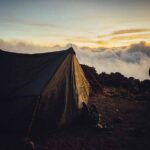
I also like that the core stuff is handled for you: camping equipment (sleep mattress, tent), and a chef plus porters for food prep and logistics. One consideration: the price doesn’t include national park fees, tax, or tipping/gratuity, so your total cost at booking time may feel slightly higher than $1,200.
In This Review
- Key Highlights You’ll Care About
- Machame Gate to Machame Camp: Rainforest First Impressions
- Shira Camp Day Two: Steep Ridge Work and a High-Altitude Change
- Lava Tower Acclimatization and the Barranco Wall: Where the Trek Gets Real
- Barranco to Karanga: A Tough Morning That Rewards You
- Barafu Day Five: Rest Matters More Than Speed
- Midnight Summit Push on Day Six: Sunrise and the Long Descent
- Mweka Exit on Day Seven: A Forest Walk and a Return Drive
- Price and What You’re Really Paying For ($1,200)
- The Crew Makes It Personal: Victor, Tyson, and Thomas
- Timing, Start Point, and Group Setup (Moshi, Mobile Ticket, Pickup)
- How I’d Prepare: Training and Packing for a 7-Day Machame Trek
- Should You Book This Machame Route Trek?
- FAQ
- FAQ
- What route is this trek based on?
- How long is the experience?
- Where does the trek start?
- Is pickup offered?
- What camping gear is included?
- Who provides support during the trek?
- Are meals included?
- Are national park fees included in the price?
- Is tipping included?
- What happens if weather is poor?
- How does cancellation work?
Key Highlights You’ll Care About
- Machame route with acclimatization built in, including a hike up to Lava Tower (15,000 ft)
- A strong support team culture, including guides named Victor, Tyson, and manager Thomas
- Sleep and meal basics included (tents, sleep mattress, and planned breakfasts/lunches/dinners)
- Midnight summit strategy, with a long sunrise day followed by a substantial descent
- Practical Moshi/Arusha connection, with pickup offered and a drive back after the Mweka gate exit
- Group cap at 100 travelers, so it’s structured while still feeling outdoorsy
Machame Gate to Machame Camp: Rainforest First Impressions
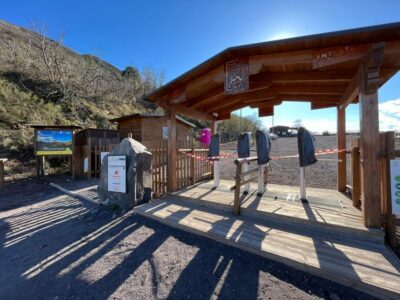
The adventure starts with a drive to Machame gate and registration, then your climb begins right away. Day 1 is intentionally “nice and leisurely,” which is smart on Kilimanjaro. You ease into the hike while your body wakes up to the rhythm—step, pause, breathe, keep moving.
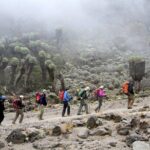
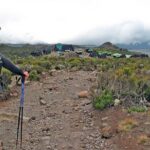
You’ll be walking through tropical rainforest, and that’s not just scenery. The trail conditions in forest can feel more forgiving underfoot than later rocky sections. Plus, you get that classic Kilimanjaro mix of sights: you might spot colobus monkeys and wild birds as you head toward Machame camp for dinner and an overnight stay.
A practical note: Day 1 is about momentum. If you pace aggressively from the start, you’re borrowing energy from later days. The itinerary’s tone tells you what to do—take it easy enough that you still enjoy the walk.
You can also read our reviews of more tours and experiences in Moshi.
Shira Camp Day Two: Steep Ridge Work and a High-Altitude Change
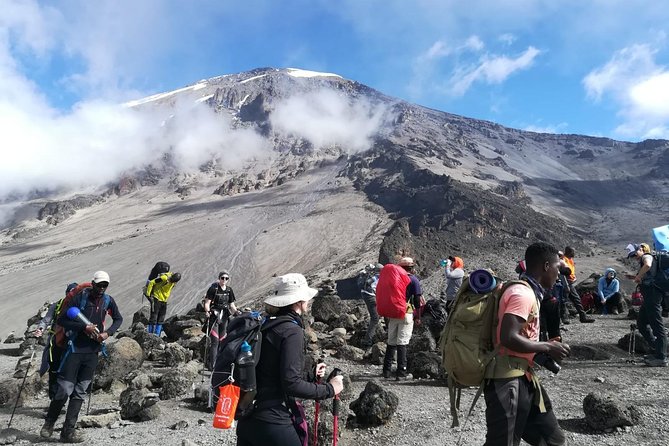
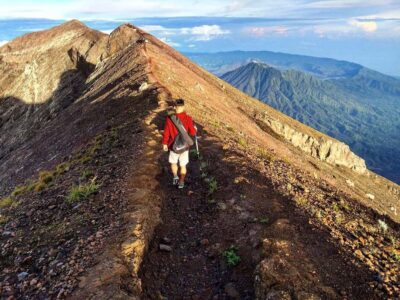
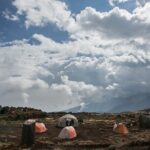
On day 2, the route leads from Machame Hut area up toward Shira camp. After crossing the stream onto the west bank, you follow a steep rocky ridge and criss-cross a few times before reaching Shira camp at the base of a semi-circular wall of rocks.
This is where Machame begins to feel like Machame. The climb starts asking for steady effort rather than just endurance. You’re still hiking, but your body will notice the shift in terrain and the growing sense of altitude.
What’s valuable here is the structure: you’re gaining elevation with a plan, not just grinding uphill blindly. Reaching Shira camp for dinner and overnight keeps you moving toward the next acclimatization day without turning the trek into an all-day slog.
Potential drawback: day 2’s 5-hour window doesn’t mean it will feel short. Rocky ridges often require more careful footwork than you expect, especially if you’re tired from day 1.
Lava Tower Acclimatization and the Barranco Wall: Where the Trek Gets Real
Day 3 is a classic turning point on this route. From Shira camp, you hike up to Lava Tower (15,000 ft) to acclimatize, then you proceed down toward Barranco camp via the Great Barranco Wall.
That acclimatization hike is one of the most important parts of the whole itinerary. Even if you don’t think about altitude in technical terms, you can feel how your body responds to going higher while keeping a plan for the descent. Going up for acclimatization and then descending helps your system learn without requiring a full summit-day effort.
Then comes the Barranco Wall section. The scenery is dramatic, but the main value is how it builds trekking confidence. When you reach Barranco camp, you’re not just “at another camp”—you’ve learned how to handle steeper sections, and you’re setting up your next day’s climb over the wall edge.
If you like your Kilimanjaro days to feel meaningful, this is the one that delivers the story arc. Dinner and overnight at Barranco camp cap off a strong day.
Barranco to Karanga: A Tough Morning That Rewards You
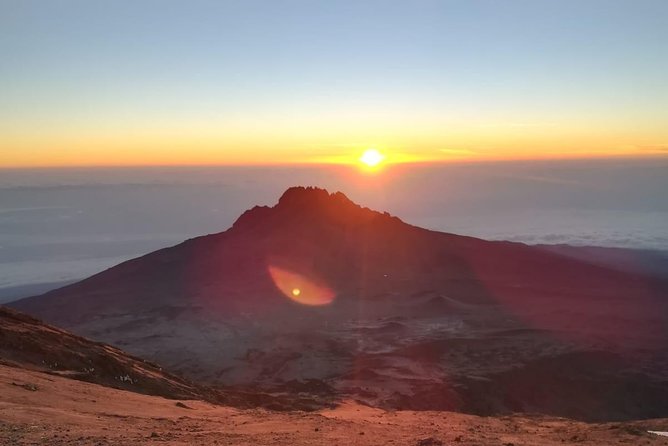
Day 4 starts with a climb up through the edge of the Great Barranco Wall. It’s described as a tough morning climb on a steep trail, but once you reach the top, the views become the payoff. Then you continue to Karanga camp for dinner and an overnight stay.
Here’s why this works for many hikers: day 4 is challenging, but it’s also very structured. You know the effort has a finish line—the top of the wall—then the trekking shifts into “reward mode,” where you can breathe easier because you’re not guessing what comes next.
Potential drawback: because it’s steep, it can feel harder than the hours suggest. If your legs tend to tighten up on steep descents and climbs, day 4 might be the day you feel it most.
Tip for you: keep your pace controlled in the steep sections. Your goal is to arrive at the top steady, not spent. The itinerary’s next stop (a rest-focused day 5) relies on you having enough energy to recover.
Barafu Day Five: Rest Matters More Than Speed
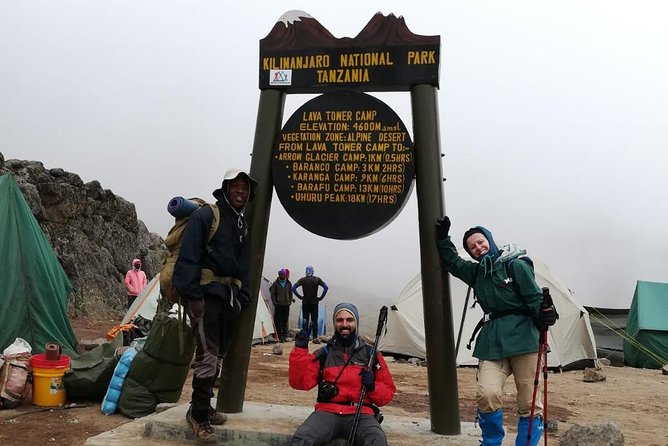
Today is shorter than the previous days. You hike to the final camp before your last ascent day—Barafu camp. The plan is blunt about what you should do: you need lots of rest, because the next day is the big summit push.
This is one of those days that feels a little strange if you’re used to “more hiking equals more progress.” On Kilimanjaro, rest is progress. When your body is conserving energy for an early-morning start, good recovery habits matter: sleep when you can, hydrate appropriately, and keep your energy from being drained by extra sightseeing or an overly fast pace.
The benefit of a shorter day is that you can reset mentally. If you’re anxious about the summit, day 5 is where you prepare for it calmly instead of building stress through long walking.
After you reach Barafu camp, you’re basically in “pre-summit mode,” even if you’re still in the middle of the trek.
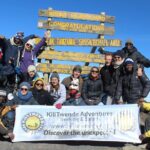
Midnight Summit Push on Day Six: Sunrise and the Long Descent
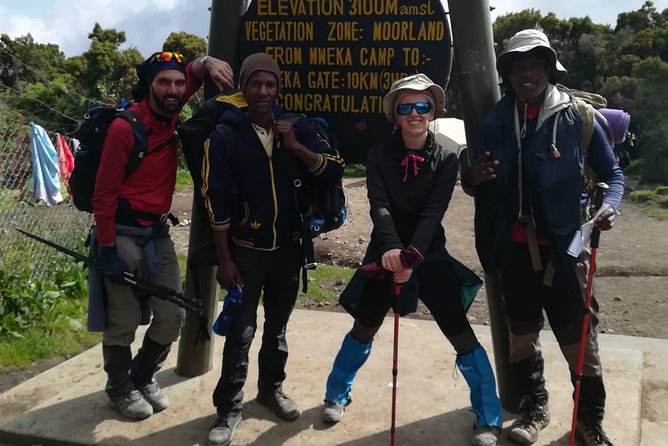
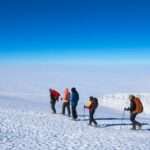
Day 6 is scheduled for an early start just after midnight. It’s a long trek—around 10 to 14+ hours—so this is the day that decides how the whole summit experience feels.
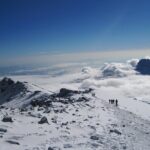
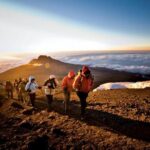
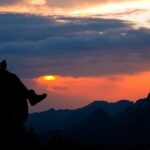
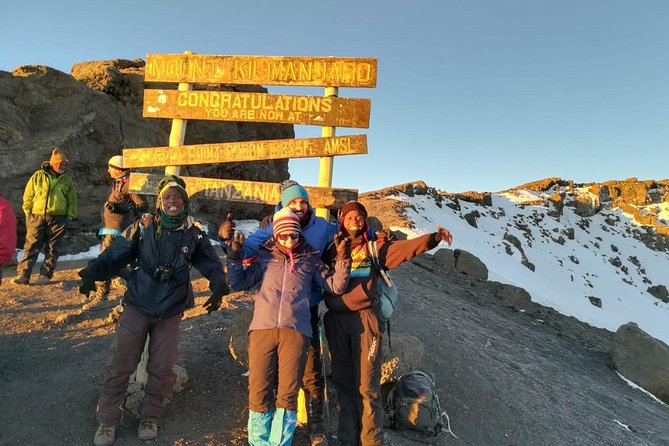
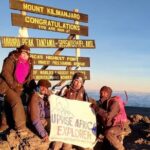
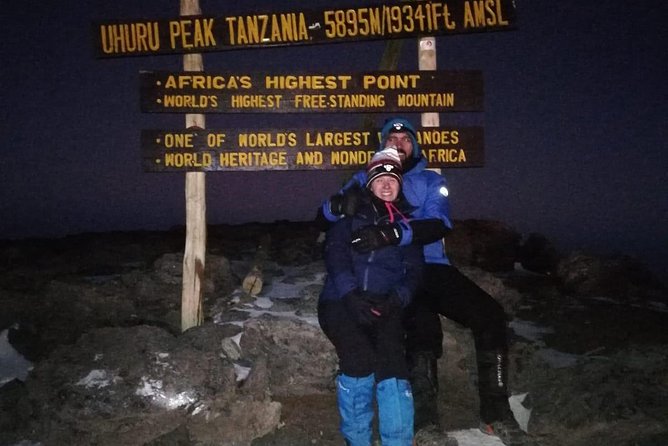
The itinerary notes an 1,100-meter (3,600 ft) ascent in just over 3 km (about 1.86 miles). That’s a steep concentration of effort. The goal is to reach the summit to watch the sunrise over the Great Rift Valley. After the sunrise and pictures, you then descend down the mountain to below the tree line, ending at Mweka camp for dinner and overnight.
Why this day is special: sunrise. Even if you’re not the type who watches sunrises at home, the altitude and the route context make it different. Getting there in time—and staying steady enough to enjoy it—usually requires discipline.
Potential drawback: the combination of cold, darkness, and steep ascent can be tough even for fit hikers. The fact that the itinerary includes a long descent after sunrise is also important. You’ll likely feel it in your knees and thighs more than you expect. Plan to go slow downhill.
One smart mindset for you: treat the climb as “small steps toward a big goal.” When the ascent is that concentrated, steady pacing is what gets you to the top without frying your legs before the descent.
Mweka Exit on Day Seven: A Forest Walk and a Return Drive
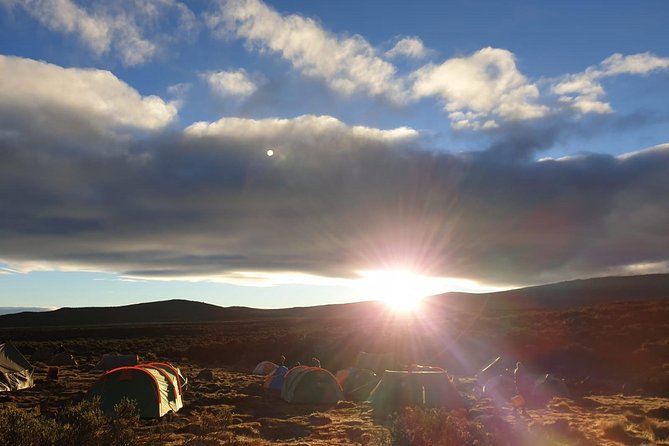
Your final day is a shorter three-hour hike out through lush forest. Then you meet your driver with the vehicle at the Mweka park gate and drive back to your hotel in Moshi/Arusha.
This part of the trek is emotionally underrated. After spending days above the tree line, walking through forest at the end helps your body unclench. It’s not just a victory lap—it’s a gentle transition from “high-altitude survival mode” back to regular travel life.
Practical value: you’re not left wandering after the trek. The plan includes that handoff to transport, which reduces the stress of logistics when your energy is running low.
If you want a satisfying ending, this is it: movement, greenery, and a clear finish line before you get back to comfortable ground.
Price and What You’re Really Paying For ($1,200)
At $1,200 per person, this Machame 7-day trek sits in a category where you should expect more than just a path and a meeting point. What you get here is a full support system.
Included in the price:
- Camping equipment: sleep mattress and tent
- Guide support, porters, and a chef
- Meals: 6 breakfasts, 7 lunches, 6 dinners
That’s real value. On Kilimanjaro, the cost of moving camp setup and handling food matters, and that’s exactly what porters and a chef cover. If you’ve ever tried to “DIY” a multi-day trek with camping logistics, you know how quickly it becomes a second job.
Not included (so factor this into your budget):
- Tipping/gratuity
- Travel insurance
- National park fee and tax
That last part is the one that surprises people most. Even if the trekking program is priced clearly, park fees and taxes can be a meaningful add-on. For a smoother decision, I’d treat $1,200 as your base package cost and plan extra for park-related items and your own tipping style.
The Crew Makes It Personal: Victor, Tyson, and Thomas
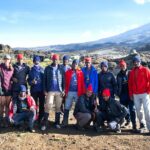
On Kilimanjaro, the difference between a frustrating trip and a memorable one often comes down to how you’re handled when you’re tired. This program is run by Kilinge Adventures and supported by guides and staff that include names people have highlighted: Victor, Tyson, and Thomas.
Why that matters to you: Kilimanjaro isn’t only physical. It’s decision-making—how fast to go, when to slow down, how to handle discomfort, and how to stay calm at night on the summit approach. A supportive team can keep you grounded when your brain starts negotiating for shortcuts.
I also like that this trip leans into the friend-like vibe in its description. That may sound like marketing, but on the ground it usually translates into clearer guidance, more attentive answers, and fewer awkward moments when you’re not sure what’s next.
Timing, Start Point, and Group Setup (Moshi, Mobile Ticket, Pickup)
The start time is listed as 8:30 am, and the location base is Moshi, Tanzania. Pickup is offered, and the plan also includes a mobile ticket. There’s also a note that the trip is near public transportation, which helps if you’re arriving on your own rather than through a hotel pickup.
Group size is capped at a maximum of 100 travelers. That doesn’t mean it will feel like a stadium, but it does mean the organizer is thinking about scale and scheduling. On Kilimanjaro, too-large groups can mean more waiting and less flexibility in pacing. This cap suggests they’re trying to control it, even if the exact on-mountain group size isn’t stated.
Also keep weather in mind. The cancellation info makes it clear the trek requires good weather. If conditions don’t cooperate, you’ll be offered a different date or a full refund.
In plain terms: you should choose your departure date with the expectation that weather can affect things.
How I’d Prepare: Training and Packing for a 7-Day Machame Trek
The itinerary is built with escalating days and a huge summit effort, so you want preparation that matches that shape.
Training focus for you:
- Comfortable walking for long stretches (especially because day 6 can run 10 to 14+ hours)
- Practice with steep terrain if you can find hills or stairs
- Leg endurance for both uphill effort and downhill stress
If your current fitness is “moderate,” that’s not a deal-breaker. The route itself includes acclimatization and structured pacing across camps. Still, you’ll feel the difference between going in prepared versus arriving with only casual hiking.
Packing ideas (based on what this itinerary implies, not on extra promises):
- Layers you can handle in cold early-morning summit conditions
- Gloves and a hat for night and sunrise timing
- A daypack for water and essentials during steep climbs
- Footwear that you’ve already worn in
One more practical tip: plan your hydration and eating strategy before the summit day. When the day starts just after midnight, you won’t want to be figuring out what works for you at that moment.
Should You Book This Machame Route Trek?
Book it if you want a well-paced Kilimanjaro plan that takes acclimatization seriously and ends with a calm forest exit. I especially like the mix of included camping support (tents and sleep mattress) and meals handled by a chef and porters. That reduces the mental load so you can focus on the mountains, not camp logistics.
You should think twice if you know you’re sensitive to steep climbs or if you’re not ready for a midnight start and a very long summit day. Day 6 is the big ask, and it’s not just “a hike”—it’s an early push, then a long descent to below the tree line.
If you’re budget-planning, also remember the base price does not include national park fees/tax or tipping/gratuity. If you budget for that from the start, you’ll avoid surprises and feel in control of the whole trip.
FAQ
FAQ
What route is this trek based on?
This is a 7-day Machame route trek on Mount Kilimanjaro, starting from Machame and ending with the Mweka gate exit.
How long is the experience?
It runs for about 7 days.
Where does the trek start?
The trek starts in Moshi, Tanzania, with a meeting start time listed as 8:30 am.
Is pickup offered?
Yes, pickup is offered.
What camping gear is included?
Camping equipment is included, including a sleep mattress and a tent.
Who provides support during the trek?
The trip includes a guide service plus porters and a chef.
Are meals included?
Yes. Meals included are 6 breakfasts, 7 lunches, and 6 dinners.
Are national park fees included in the price?
No. National park fee and tax are not included.
Is tipping included?
No. Tipping and gratuity are not included.
What happens if weather is poor?
The experience requires good weather. If it’s canceled due to poor weather, you’ll be offered a different date or a full refund.
How does cancellation work?
You can cancel for a full refund up to 24 hours before the experience’s start time. Within 24 hours, the amount paid is not refunded.