REVIEW · KATHMANDU
annpurna base camp trekking
Book on Viator →Operated by nepal tourism adventure kathmandu · Bookable on Viator
Twelve days of mountain effort hits differently. This Annapurna Base Camp trek stitches together village walks, a classic Poon Hill sunrise morning, and the long-awaited walk to Annapurna Base Camp, with Kathmandu airport pickup and a simple start-to-finish plan. You get a route that builds day by day, not one giant leap.
One heads-up: this is a walking-focused trip, and the schedule includes 6–8 hour hiking days, with an especially long push on the way to base camp.
In This Review
- Key things that make this Annapurna Base Camp trek work
- From Kathmandu airport to your first walking day
- Pokhara, Nayapool, and the Ulleri-to-Ghorepani warm-up
- Poon Hill sunrise: the early start that makes the effort worth it
- Chhomrong to Bamboo: settling into the Annapurna rhythm
- Deurali and Machhapuchhare base camp: where the trek tightens
- The long Day 9: Machhapuchhare base camp to Annapurna Base Camp
- Jhinu Danda, Nayapool, and the road back to Pokhara
- Price and logistics: what $1,100 per person really signals
- Guides who matter: Ram Shahi, Dan, Resham Gurung, Lok, and Nanda Gurung
- Timing, weather, and how to plan your expectations
- Who should book this Annapurna Base Camp trek
- Should you book this Annapurna Base Camp trek?
- FAQ
- Where does the trek start?
- What is the end point?
- How long is the Annapurna Base Camp trekking experience?
- Is pickup included?
- Do I need to be in good physical shape?
- Is this a private tour?
- What’s the earliest sunrise highlight on the route?
- How much walking time should I expect?
- What happens if the weather is bad?
- What if I cancel?
Key things that make this Annapurna Base Camp trek work
- Private trekking setup: your group goes together, led by your team, not shuffled into chaos.
- Poon Hill sunrise on Day 4: you’ll plan for an early start to catch the morning views.
- Route variety across elevations: Ulleri, Ghorepani, Chhomrong, Bamboo, Deurali, and multiple base-camp-style stops.
- The guide quality shows up in the details: names like Ram Shahi, Dan, Resham Gurung, Lok, and Nanda Gurung appear in past experiences.
- Support when things get tough: from quick problem-solving to emergency logistics.
- A clear finish: Nayapool to Pokhara, then a tourist bus back to Kathmandu.
From Kathmandu airport to your first walking day
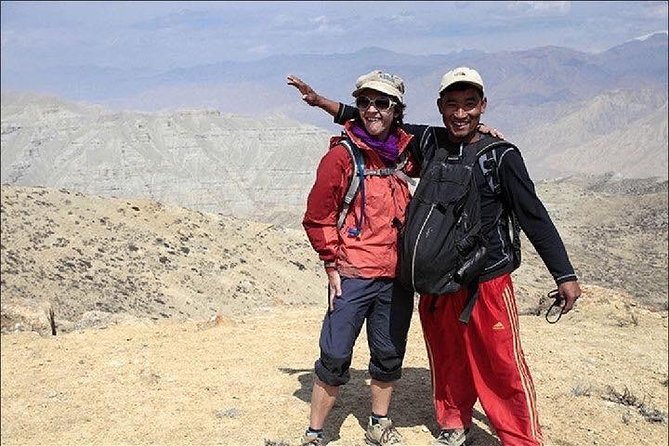
Most Annapurna treks live or die by how smoothly Day 1 goes, and this one starts with pickup at Tribhuvan Airport in Kathmandu. After you arrive, you’re taken care of with a hotel stay before the trekking rhythm starts. That matters because the next parts involve early mornings and real hiking time.
You also finish back where you began. The trip ends back at the meeting point in Kathmandu, so you’re not stuck trying to coordinate your own return after a big physical effort.
You can also read our reviews of more tours and experiences in Kathmandu.

Pokhara, Nayapool, and the Ulleri-to-Ghorepani warm-up
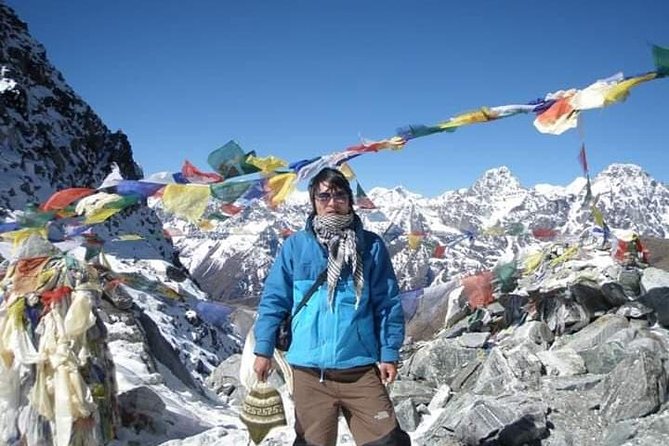
Day 2 is where the trek actually starts feeling like a trek. You travel from Pokhara to Nayapool, then walk to Ulleri for about 4 hours. This is a good first segment because it sets your pace without pretending you’re on vacation. You get moving, you get used to the rhythm, and you’re not thrown into an all-day grind immediately.
Day 3 is another steady climb: Ulleri to Ghorepani for around 5 hours. Ghorepani is the kind of stop that gives you flexibility. It also sets you up for the early wake-up on Day 4.
A practical consideration: those early days can feel deceptively hard if you try to power-walk. I’d rather you go slower than you think you need to, because you’ll likely want energy later—especially around the base camp push.
Poon Hill sunrise: the early start that makes the effort worth it

Day 4 is special because it includes Poon Hill for sunrise and then continues on to Tadapani (about 6 hours of walking total for the day). Sunrise mornings are usually cold and dark, and the trail time can feel long. But the payoff is the reason this section exists in many itineraries: you’re reaching a viewpoint when the world is quiet.
Here’s how to think about it: the sunrise stop isn’t just a photo moment. It’s also a pacing lesson. You learn how to move in the early hours, manage your energy, and stay focused when you’re tired.
If you don’t like early starts, you’ll still get through it, but be honest with yourself beforehand. This trek rewards the people who can handle a pre-dawn morning without turning it into a negotiation.
Chhomrong to Bamboo: settling into the Annapurna rhythm
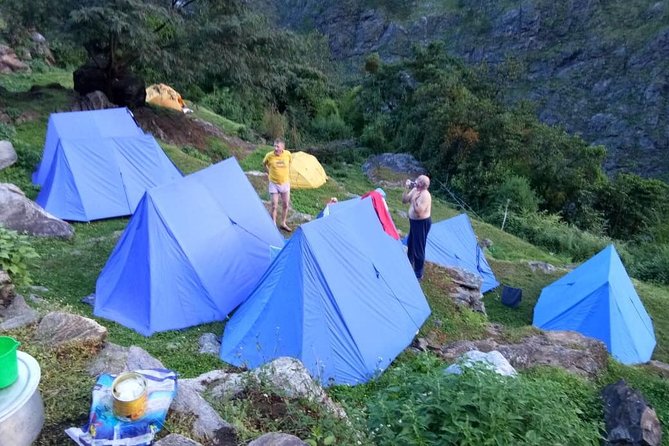
Day 5 is a classic leg: Tadapani to Chhomrong for around 4 hours. Chhomrong is the kind of village stop that helps your body adjust to the trip’s altitude changes and walking cadence. At this point, you’ve been on the trail long enough that you’re not just learning the trail—you’re building a routine.
Day 6 continues with Chhomrong to Bamboo for about 4 hours. Bamboo is a meaningful transition stop because it keeps the route moving upward while still giving you a manageable walking window. It’s also a psychological shift: you’re clearly heading toward higher, more remote terrain.
One thing to watch: if you treat every day like a personal best, you’ll pay for it later. This itinerary already includes one longer day, and the way you walk Day 5 and Day 6 can either protect your legs or drain them.
Deurali and Machhapuchhare base camp: where the trek tightens
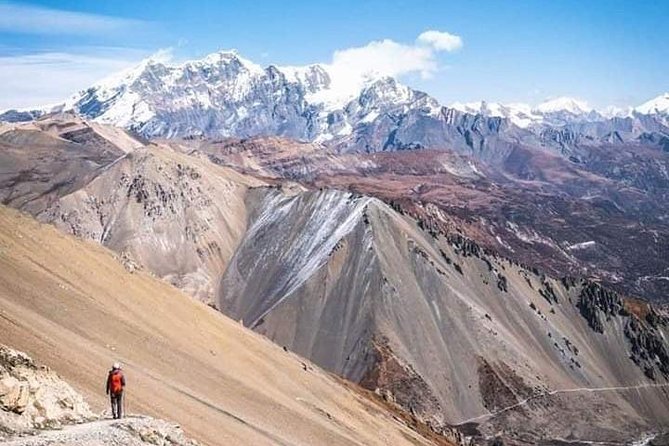
Day 7 is Bamboo to Deurali for around 5 hours. Day 8 is Deurali to Machhapuchhare base camp for about 5 hours. Together, these days start to feel more serious. Even if the walking time isn’t huge on paper, the cumulative effort adds up.
This stretch is also where a good guide becomes more than a translator. The guide’s role is to keep you moving safely, help you manage decisions like rest breaks and pace, and adjust plans if conditions shift. In past experiences with guides connected to this trekking style—names like Ram Shahi and Resham Gurung show up often—people highlight exactly that kind of steadiness, humor, and calm problem-solving.
You’re not just walking to a destination here. You’re also training your mind to accept steady effort without rushing.
The long Day 9: Machhapuchhare base camp to Annapurna Base Camp
Day 9 is the big one: about 8 hours from Machhapuchhare base camp to Annapurna Base Camp, with Bamboo included in the same day. That’s a long day, and it’s the main reason I’d call this an intermediate challenge rather than a casual hike.
This is also where weather matters most. The experience notes that the trek requires good weather, and plans depend on it. If skies are poor, visibility and comfort can drop fast. A careful guide matters here because you don’t want to gamble with pacing when you’re dealing with a long schedule.
If you’re trying to decide whether you’re ready for Annapurna Base Camp, I’d use Day 9 as your reality check. Can you hike for 8 hours, stay focused, and still have the energy to keep going afterward? If yes, you’re in the right zone.
Jhinu Danda, Nayapool, and the road back to Pokhara
Day 10 is Bamboo to Jhinu Danda for around 6 hours. Day 11 is Jhinu Danda to Nayapool for about 6 hours, followed by a drive back to Pokhara. These days are a reminder that the trek is not only about going up. Descending and re-finding your footing takes work too.
The final road travel is nice because it gives your body a break after days of continuous walking. Day 12 continues that release: you drive to Kathmandu by tourist bus and return to the meeting point.
That last transition is also a common stress point for first-time trekkers. You’ve been paying attention to everything for nearly two weeks. When you finally see vehicles again, you’ll likely feel lighter. Keep hydrating and take it slow through the ride so you don’t bounce back too fast into normal life mode.
Price and logistics: what $1,100 per person really signals
The price is listed as $1,100.00 per person for an approximate 12-day trek. I look at value in terms of workload, not just the number. Here, you’re paying for:
- a guided, organized route through multiple stages
- pickup at Kathmandu airport
- hotel support at the start
- transport legs like Pokhara and the tourist bus back to Kathmandu
- a mobile ticket
- a private setup so your group isn’t mixed with strangers
What you should check before you book is how the cost breaks down in practice. The data you provided doesn’t say what’s included beyond the listed features, and trekking budgets can swing depending on what you cover (for example, meals, porters, and any trek fees). A quick message to the provider to confirm what’s covered will help you avoid surprise add-ons.
In general, this price feels aligned with a guided Annapurna trek that includes meaningful logistics, not just a route suggestion. If you want someone handling the moving pieces so you can focus on walking and resting, this kind of structure is where you’re getting your money’s worth.
Guides who matter: Ram Shahi, Dan, Resham Gurung, Lok, and Nanda Gurung
A recurring theme in past experiences tied to this trekking company is the role of the guide. People describe Ram Shahi and Dan as sources of safety and confidence on the Annapurna Trail, with humor and the ability to manage different walkers in the same group. That’s big, because trekking groups often contain mixed fitness levels, different comfort with altitude, and different motivations.
The guide’s job also includes the unglamorous parts: figuring out places to sleep, solving problems while you’re still on foot, and keeping the day’s plan realistic. Several accounts credit guides for handling these details fast and calmly.
There’s also a medical-support angle. In one described situation involving sickness, Ram helped arrange transport to a hospital and organized additional emergency logistics, including helicopter arrangements. You should not assume that every problem becomes a helicopter story, but it does show the guide team is used to reacting quickly when plans go sideways.
Even the smaller style points matter. Past notes mention guides being attentive, not rushing people, answering questions, and adjusting when rainstorms or conditions shift.
In short: for Annapurna Base Camp, the guide isn’t a side character. You’re buying their judgment as much as their directions.
Timing, weather, and how to plan your expectations
This experience requires good weather. That means you should expect flexibility in real-world conditions, especially around sunrise and the base camp approach days. If weather fails, the plan can be canceled with options like a different date or a full refund.
Also, the trip is aimed at people with moderate physical fitness. The listed walking times give you a clear sense of effort: you’ll walk about 4 to 6 hours on many days, plus longer days like 8 hours. Your success will come from pacing and consistency, not from sprinting between stops.
One more timing note: the listing includes opening hours from 8:15 AM to 5:15 PM, Monday through Sunday, across a long date range. That matters when you’re trying to coordinate pickup and ask last questions before departure.
Who should book this Annapurna Base Camp trek
This is a strong match if you:
- want Annapurna Base Camp plus the Poon Hill sunrise highlight
- can handle long days on foot and early mornings
- value a private group setup
- prefer an itinerary with clear segments, from Kathmandu to Pokhara to Kathmandu
You might want to rethink it if you:
- need a very short trek with minimal daily walking
- dislike early starts for sunrise
- struggle with endurance-style hiking without frequent breaks
Should you book this Annapurna Base Camp trek?
I’d book it if your goal is the real Annapurna experience: steady trail days, a famous sunrise moment, and a guided route that takes you all the way to Annapurna Base Camp. The pricing looks justified when you factor in pickup, guided planning, and the full return journey by tourist bus.
I’d hesitate only if your fitness is closer to beginner-level with limited hiking time. Day 9’s 8-hour segment is the tell. If you can’t confidently handle a day like that, you’ll likely feel stressed instead of proud.
If you’re already comfortable hiking several hours a day and you want this exact classic route, this itinerary is a sensible way to do it.
FAQ
Where does the trek start?
It starts at Tribhuvan Airport, Kathmandu, Nepal.
What is the end point?
The activity ends back at the same meeting point in Kathmandu.
How long is the Annapurna Base Camp trekking experience?
It’s listed as 12 days (approx.).
Is pickup included?
Yes. The plan includes pickup at the Kathmandu airport, and you also get guidance around the start of the trip.
Do I need to be in good physical shape?
You should have moderate physical fitness to join.
Is this a private tour?
Yes. It’s described as a private tour/activity, and only your group participates.
What’s the earliest sunrise highlight on the route?
Poon Hill for sunrise is included on Day 4.
How much walking time should I expect?
Walking times per day are listed in the plan. Some days are around 4 to 6 hours, and Day 9 is about 8 hours.
What happens if the weather is bad?
The experience requires good weather. If it’s canceled due to poor weather, you’ll be offered a different date or a full refund.
What if I cancel?
Cancellation is listed as free, with a full refund if you cancel up to 24 hours in advance.