REVIEW · KATHMANDU
Private 12 – Day Everest Base Camp Trekking
Book on Viator →Operated by Nepal Alternative Treks & Expeditions Pvt. Ltd. · Bookable on Viator
Everest stays on the menu, not the to-do list. This private 12-day Everest Base Camp trek is built to remove the usual logistics stress, with round-trip Lukla flights and an all-in support team so you can focus on walking and breathing. I love that your core trek logistics are handled (permits, tea-house accommodation, meals, guide, porters). I also like the private pace, since it’s just your group. The main drawback to consider is that it’s still real altitude trekking, and the schedule starts early (the meeting point is 6:15 am).
I’m also a fan of how the trek uses built-in time to adjust: a rest day in Namche and an acclimatization day in Dingboche give your body a chance to catch up. You’ll also get practical extras like oxygen saturation tracking and water purification support, which matters when you’re surrounded by thin air and cold taps.
In This Review
- Key Things You’ll Notice on This Everest Base Camp Trek
- Everest Base Camp, but with Less Chaos in Your Head
- Price and Value: What $1,300 Really Buys You
- Kathmandu to Lukla: The Fast Start That Sets the Tone
- Phakding to Namche Bazaar: River Walking, Bridges, and Your First Permit Stop
- Namche Rest Day (Day 3): Khumjung, Khunde, and a Yeti Story
- Tengboche (Day 4): Monastery Country and Ama Dablam’s Big Presence
- Dingboche (Day 5): Rocky Terrain, Mani Stones, and the Imja River Drop
- Acclimatization at Dingboche (Day 6): Nangkartshang Peak Option
- Lobuche and Gorakshep (Day 7–8): Glacier Steps Toward Everest Base Camp
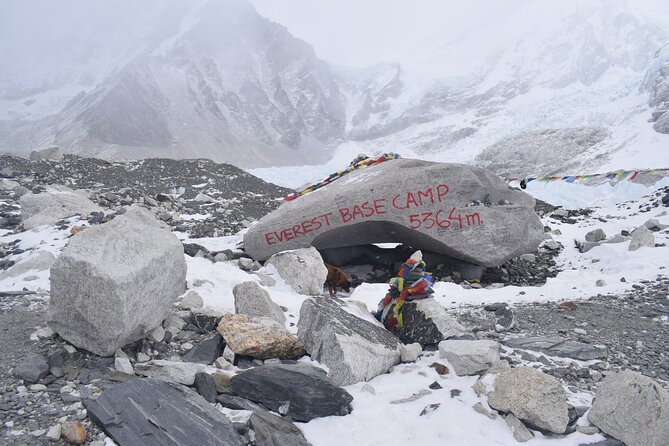
- Everest Base Camp and Kala Patthar (Day 8–9): Two Big Moments, One Tough Morning
- Downhill Back Toward Namche and Lukla (Day 10–11): Save Your Knees
- Fly Out to Kathmandu (Day 12): Finishing with Mountain Air in Your Memory
- What’s Included, and What You’ll Still Want to Bring
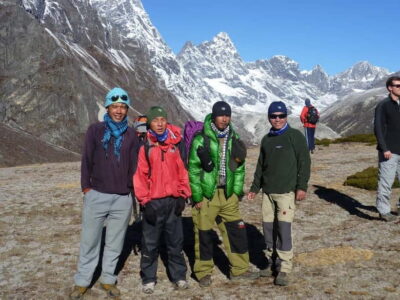
- Guide and Porter Team: The Difference Between a Trek and a Smooth Trip
- Should You Book This Everest Base Camp Private Trek?
- FAQ
- How long is the Private 12-Day Everest Base Camp Trek?
- Where do the included flights go?
- Is this trek private or shared?
- What permits are included?
- What meals and lodging are included during the trek?
- What costs are not included during the trek?
- What kind of guide and porter support do I get?
- What fitness level should I have?
- When and where does the trek start?
- Can I get a refund if I cancel?
Key Things You’ll Notice on This Everest Base Camp Trek
- Round-trip flights to Lukla make the whole route start and finish on the Everest timeline, not guesswork.
- All permits are included, including Sagarmatha National Park fees and Pashang Lhamu entry.
- Two altitude safety pauses (Namche rest day and Dingboche acclimatization day) help you handle the climb.
- Tea-house style lodge stays keep things simple day-to-day.
- Oxygen saturation and water purification support are included for the not-fun parts of the trek.
- Emergency evacuation assistance is part of the package, and the operator is set up to help you act quickly if plans go sideways.
Everest Base Camp, but with Less Chaos in Your Head
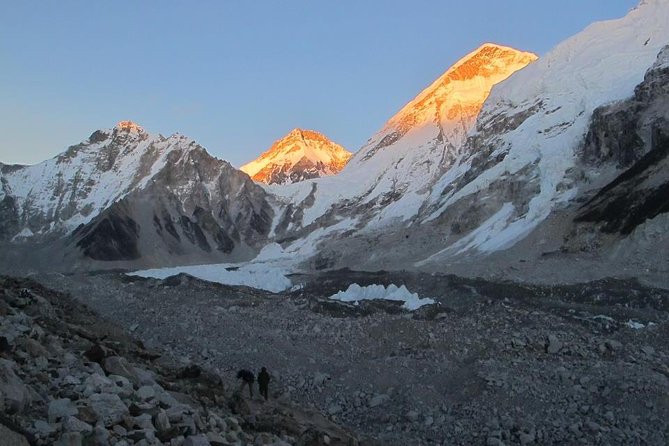
Everest Base Camp is famous for awe. This trek is designed to be famous for calm. Instead of you chasing permits, figuring out transport, or negotiating lodging at every turn, you get a tight plan from Kathmandu to Lukla and back—plus a guide and porter team carrying the heavy parts.
That matters because EBC is not just “a long walk.” It’s a slow grind at altitude. When logistics are already solved, you can spend your brain on the real job: pacing, staying hydrated, and not doing something heroic (like rushing uphill because you feel good for 20 minutes).
You can also read our reviews of more tours and experiences in Kathmandu.
Price and Value: What $1,300 Really Buys You
At $1,300 per person, you’re paying for much more than the trail. The value comes from bundling what usually costs time and money separately:
- Flights: Kathmandu to Lukla and return are included.
- Permits: Sagarmatha National Park fee and Pashang Lhamu entry are included.
- People: one government registered trekking guide and required porters are included, along with their expenses.
- Where you sleep and eat: lodge accommodation during the trek plus planned meals (breakfast, lunch, dinner counts are included).
- Practical gear support: a trekking map, duffle bag, water purification help, and oxygen saturation monitoring.
What’s not included is where you’ll want to budget carefully:
- Kathmandu hotel and meals
- Tea/coffee, hot water, hot shower, battery charge, alcoholic drinks, laundry, phone bill, dessert
- Travel insurance
- Tips for guide and porters
If you’ve done even one trek before, you know the hidden costs can sneak up. Here, the big chunks are already handled, so your budget is less of a moving target.
Kathmandu to Lukla: The Fast Start That Sets the Tone
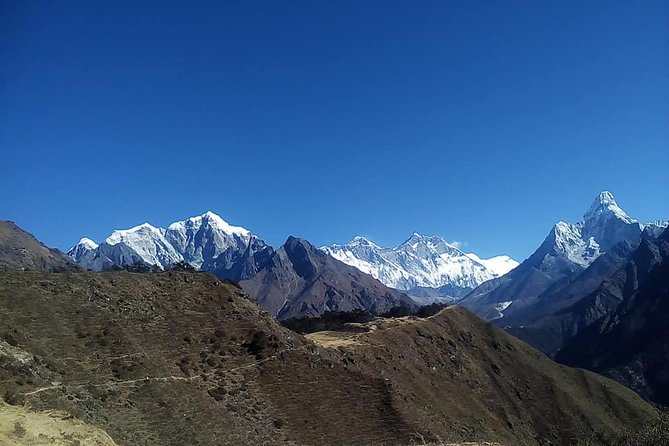
Your day begins with an early start from Kathmandu—pickup is offered, and you’ll meet at Nepal Alternative Treks & Expeditions (start time listed as 6:15 am). Then you fly to Lukla. The flight itself is short (listed as about a half-hour) and puts you straight into the high-mountain rhythm.
Once you land, you’re not spending the day “warming up” with museum visits. You’re back on the trail quickly: breakfast first, then the first trek segment toward Phakding along the Dudh Koshi River.
This is one of those days where it helps to accept the reality: you’ll feel like you’re working even if you’re not very far. That’s normal. The goal is to keep the effort steady so you can sleep well that night in Phakding.
Phakding to Namche Bazaar: River Walking, Bridges, and Your First Permit Stop
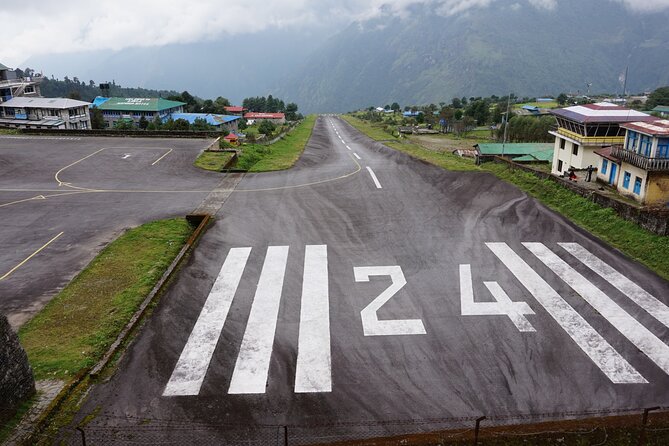
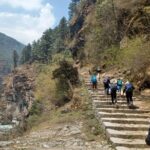
Day 2 is where the route starts to feel like the Everest corridor. You trek upstream from Phakding along the Dudh Koshi River toward Monjo, passing waterfalls along the way.
At Monjo, you’ll get your Sagarmatha National park permit, so your trek isn’t just scenic—it’s also officially underway. After Monjo, the trail crosses suspension bridges and continues toward Namche Bazaar, the big hub village for the region.
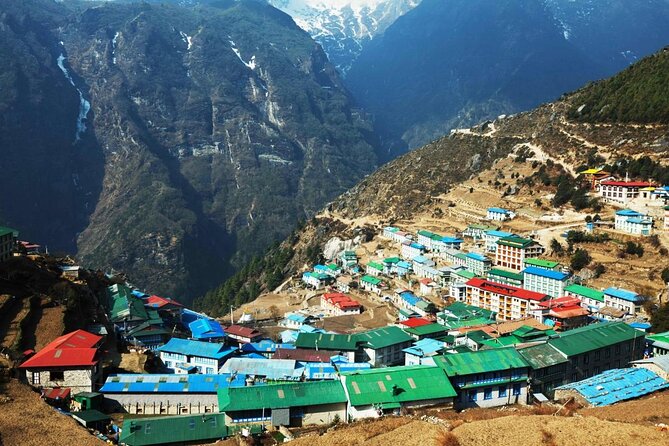
Namche is the place where the mountains start talking louder. From here, you can take in the view of the Kongde Ri range, and that big shift—from “forest hills” to “serious mountain terrain”—usually hits your senses fast. Expect around 6 hours of walking on this day.
Namche Rest Day (Day 3): Khumjung, Khunde, and a Yeti Story
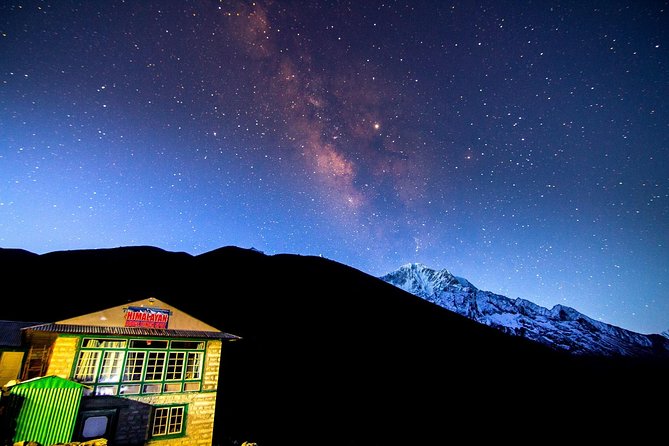
The best rest day is not lying in bed all day. It’s the kind that helps your body acclimatize while your mind stays curious.
From Namche, you’ll do a local village tour, then have the option to hike to Khumjung and Khunde. Along the way, you can visit Khumjung Monastery, a place associated with the story of preserved remains of a yeti—an eye-catching bit of local folklore that you can treat as culture and storytelling, not science class.
You’ll also pass the route toward Edmund Hillary School, which connects the region to one of the most known names in Everest history. It’s a short day in walking time (about 3 hours), and the reward is knowing you’ve moved without overcooking your altitude.
Tengboche (Day 4): Monastery Country and Ama Dablam’s Big Presence
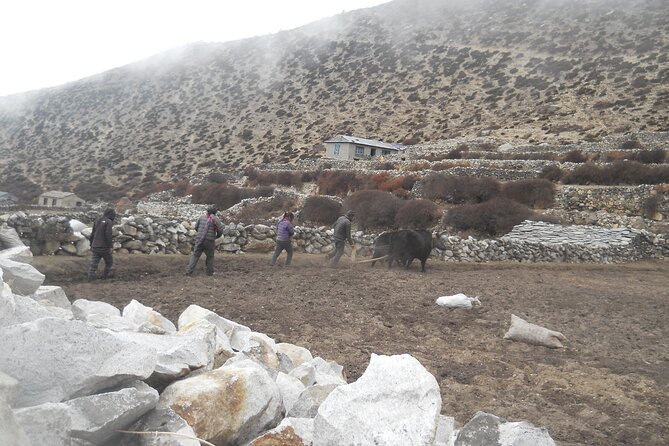
Leaving Namche, the trek pushes uphill again, following the Dudh Koshi River before climbing higher past villages like Phunki Tenga. The day includes a steep climb and gains about 427 meters in altitude (as described).
One of the real reasons people love this section is what you see: Ama Dablam is in view, and Tengboche is home to Tengboche Monastery, described as the largest monastery in the Everest region. You’ll be there at a place that matters for more than photos; it’s part of the day-to-day spiritual structure of the community.
You also get a historical time anchor: the monastery is noted as about 100 years old, and it hosts the annual Mani Rimdu festival (in October). This day runs about 5 hours, and it’s a good reminder that Everest trekking is both physical and cultural.
Dingboche (Day 5): Rocky Terrain, Mani Stones, and the Imja River Drop
Day 5 turns more rugged. You head from Tengboche toward Debuche and then shift away from the forested path into rocky terrain. The trail drops toward the Imja Khola (river) and rises again toward Pangboche.
You’ll also pass thousands of mani stones—small markers that give the trail a layered feel. Even when you’re tired, they keep you present.
The day ends in Dingboche, a remote Sherpa village. Expect about 6 hours of walking. This is also one of those days where your body learns the rhythm: slow steps, consistent breath, and no sprinting.
Acclimatization at Dingboche (Day 6): Nangkartshang Peak Option
Day 6 is intentionally about acclimatization. You’ll stay in Dingboche and can hike to Nangkartshang Peak (5083m) as an optional adventure.
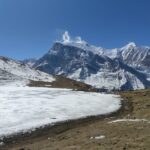
From the top, the views are described as wide and clear: Taboche, Ama Dablam, Island Peak, Lhotse, and even Mount Everest itself. You’ll also see Mt. Pumo Ri (7165m) from the area around Dingboche.
This is a smart choice for people who feel energetic but still need a controlled day. Instead of pushing to another village at full effort, you get a hike with a purpose: help your body adjust while keeping the day from becoming too punishing. Walking time on this optional day is listed around 5 hours, including the return.
Lobuche and Gorakshep (Day 7–8): Glacier Steps Toward Everest Base Camp
After Dingboche, you go toward Lobuche. The route passes through Pheriche and Thukla, then heads toward the Climber’s memorial park, a moving site honoring climbers who lost their lives on Everest.
Then the trail rises along the Lobuche Glacier toward Lobuche village. This is the part of the trek where the setting starts to look more “high altitude engineering” than “village stroll,” even though it still runs through tea-house country.
Next day you reach Gorakshep via routes along the Lobuche Glacier and Khumbu Glacier. Then comes the short excursion to Everest Base Camp.
One key detail: this isn’t just a one-way hike to a spot and back. You rest, go up for the Base Camp experience, then retrace back to Gorakshep for overnight. Expect about 5 hours for Day 8 as listed.
Everest Base Camp and Kala Patthar (Day 8–9): Two Big Moments, One Tough Morning
Base Camp is the headline. But the other headline is Kala Patthar, and you’ll earn it.
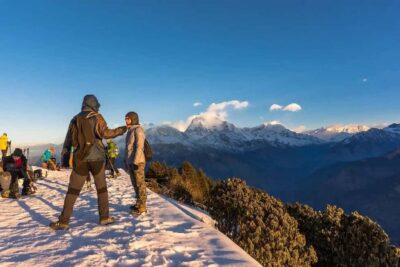
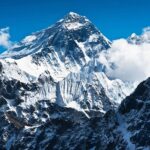
You’ll wake early, then hike up to Kala Patthar—a tourist landmark in the region known for big views. The description emphasizes the strong payoff: Mount Everest (8848m) appears alongside Nuptse, Lhotse, Khumbutse, Pumo Ri, and Ama Dablam.
After that, you head back down toward Gorakshep, and then continue down the trail toward Pheriche. Day 9 is listed around 5 hours.
This day is worth planning for in your head. You might feel “ready” at the trailhead, but the climb can still humble you. Go slow, keep your breathing calm, and focus on reaching the top rather than beating your last step.
Downhill Back Toward Namche and Lukla (Day 10–11): Save Your Knees
Day 10 starts your return journey from Pheriche to Namche, but it’s not a straight downhill cruise. You’ll trek down toward the Imja River and then climb again. You pass through areas like Debuche and Tengboche after lunch before continuing downstream along the Dudh Koshi River toward Namche.
This day runs about 6 hours, and it’s a reminder: downhill can be as tiring as uphill when your knees get cranky. Trekking poles help if you use them already.
Day 11 continues to Lukla. You walk downhill, cross Jorsalle, and continue via Monjo to Phakding for lunch. Then you finish with the return trek to Lukla. This day is longer on the timeline (about 8 hours) than you might expect for a “return day.”
Spending the evening in Lukla makes sense. You’re tired, you made it, and the job is done.
Fly Out to Kathmandu (Day 12): Finishing with Mountain Air in Your Memory
Your final day is a morning flight back to Kathmandu. The flight is short (listed around 35 minutes) but it can feel like a reset button after days in thin air.
Then you drive to the hotel in Kathmandu and have the rest of the day to do whatever feels good: shower, eat something soft, and let your legs pretend they aren’t attached to bones.
What’s Included, and What You’ll Still Want to Bring
This trek includes a lot of the “annoying” parts you don’t want to negotiate on the fly. Here’s what you can count on during the trek:
- Lodge accommodation
- Meals included during the trek (breakfast and lunch/dinner counts are listed)
- Guide and porter team, including porter expenses
- Permits (Sagarmatha National Park fee, Pashang Lhamu entry, necessary permits)
- Trekking map, duffle bag, company t-shirt
- Oxygen saturation support and water purification
- Assistance for emergency rescue evacuation
- Government taxes/service charges and public liability insurance
What you should expect to handle yourself:
- Kathmandu hotel and meals before/after the trek
- Tea/coffee, hot water, hot shower, battery charging, laundry, phone bill, desserts
- Tips for guide and porters
- Travel insurance
My practical advice: if you want hot shower comforts or battery charging, plan for it financially. Those small fees stack up faster than you think.
Guide and Porter Team: The Difference Between a Trek and a Smooth Trip
Because this is private, you’ll have a consistent guide presence throughout. The plan includes one government registered trekking guide and porters, with all porter expenses handled by the operator.
A strong guide isn’t just about route knowledge. The best guides help you manage pace, explain what you’re seeing, and handle the paperwork and timing that can get messy in the Everest region. In past trips coordinated by this team, the operator and guides have been described as quick to manage admin issues if weather affects flights.
So here’s what to look for in your own choice: clear communication, patience with slower days, and a guide who keeps you focused on altitude safety rather than pushing for speed.
Should You Book This Everest Base Camp Private Trek?
Book it if you want the classic Everest Base Camp route but with the boring parts taken care of: flights to Lukla, permits, lodge stays, meals, and a guide/porter team. The price feels more reasonable when you consider how much is included.
Skip this plan (or ask about alternatives) if you’re not ready for early mornings and sustained altitude trekking. Even with the rest and acclimatization days, this is still a serious physical challenge.
If your goal is to get to Everest Base Camp and come home with your energy mostly intact—and not a folder of logistics headaches—this is a solid option.
FAQ
How long is the Private 12-Day Everest Base Camp Trek?
It’s listed as 12 days (approx.).
Where do the included flights go?
The tour includes round-trip flights between Kathmandu and Lukla.
Is this trek private or shared?
It’s a private tour/activity, so only your group participates.
What permits are included?
Sagarmatha National Park fee, Pashang Lhamu entry fee, and necessary permits are included.
What meals and lodging are included during the trek?
Lodge accommodation is included during the trek. Meals are included as listed: breakfast (12) and lunch and dinner (each listed 11).
What costs are not included during the trek?
Not included: tea/coffee, hot water, hot shower, battery charge, alcoholic drinks, laundry, phone bill, and dessert. Also not included are Kathmandu hotel and meals, travel insurance, and tips for the guide and porters.
What kind of guide and porter support do I get?
You get one government registered trekking guide plus required porters, and porter expenses are covered.
What fitness level should I have?
Travelers should have a moderate physical fitness level.
When and where does the trek start?
It starts at Nepal Alternative Treks & Expeditions (Raniban Marg, Nagarjun, Kathmandu) with a start time listed as 6:15 am.
Can I get a refund if I cancel?
Free cancellation is available. You can cancel up to 24 hours in advance for a full refund.