REVIEW · SAPA
Muong Hoa Valley Trek & Homestay Experience – 4D3N
Book on Viator →Operated by Trekking Tour Sapa · Bookable on Viator
Sapa’s mountain villages feel close on this trek. You’ll walk past rice terraces and big valley views while a local guide helps you understand daily life, including marriage traditions and house-building skills. One thing to plan for: the walking can get warm in the valley and the tour depends on good weather.
I like that this itinerary is built around real village time, not just photo stops. You’ll visit five different villages tied to the Hmong, Giay, and Red Dao communities, and you get the cultural context behind what you see. The possible drawback is the required pace: the route calls for moderate physical fitness, and there are uphill sections early on.
You also get real-world convenience. Pickup is offered, the meeting point is easy to find at Sapa Church, and meals plus village entry fees are included. Over 4 days, you’ll end back in Sapa after the last walk, so you don’t have to figure out transport when your legs are tired.
In This Review
- Key Highlights (What Makes This Trek Worth Your Time)
- A 4D3N Trek Into Sapa’s Ethnic Village Network
- Starting at Sapa Church: The 9am Rhythm and Group Size
- Day 1: Y Linh Ho Down-Route Feel and Ta Van Terrace Views
- Day 2: Giang Ta Chai Waterfalls and Red Dao Cultural Learning
- Day 3: Ban Ho and Nam Toong—Seeing Daily Life Up Close
- Day 4: Muong Hoa River Return Route and the Easy Wind-Down Walk
- Homestay Reality: Meals Included, Plus Time to Connect
- What You’ll Learn (Culture Stops That Feel Like More Than a Photo Op)
- Price and Logistics: Is $190 a Good Deal?
- Weather, Pace, and What to Pack for Valley Walking
- Who Should Book This Trek, and Who Might Skip It
- Should You Book Muong Hoa Valley Trek & Homestay Experience (4D3N)?
- FAQ
- FAQ
- What villages and ethnic communities does the trek visit?
- How long is the Muong Hoa Valley Trek & Homestay Experience?
- Where do I meet the guide and what time does it start?
- Is pickup from my hotel included?
- What’s included in the price besides the homestay?
- Is the homestay accommodation included?
- How big is the group?
- What fitness level do I need?
- What happens if weather is poor?
Key Highlights (What Makes This Trek Worth Your Time)
- Five village visits across Hmong, Giay, and Red Dao areas, with guide-led explanations
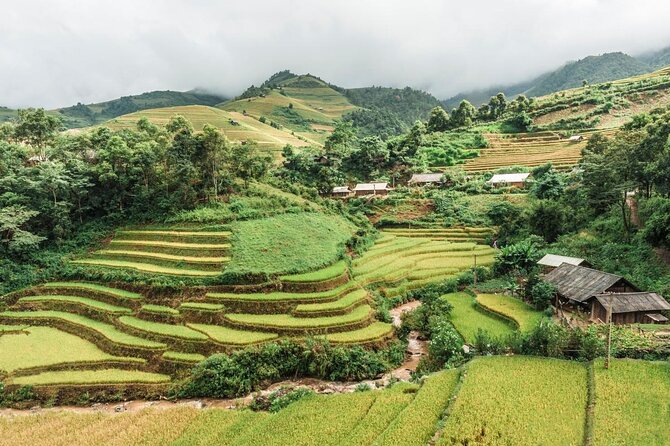
- Rice terraces and mountain viewpoints, including views toward Hoang Lien mountain
- Waterfall scenery at Giang Ta Chai, plus valley walking along the Muong Hoa River area
- One night homestay, with dinner and included meals so you can focus on the trek
- Small group size (max 15), which usually means more time to ask questions
A 4D3N Trek Into Sapa’s Ethnic Village Network
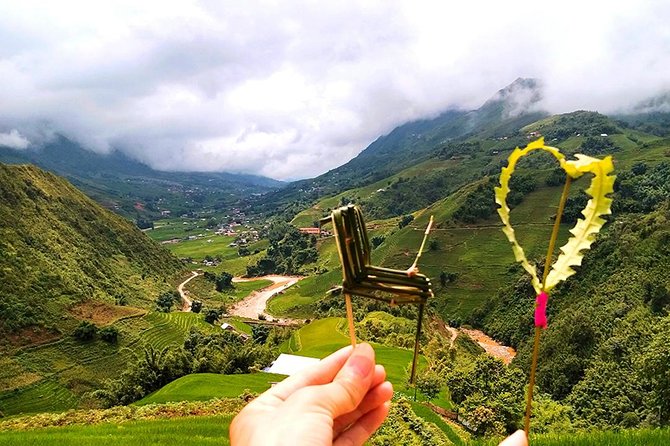
This is a classic Sapa-area village trek with a clear focus: you’re not just walking from sight to sight. You’re learning how different ethnic communities live in the valley and on the slopes—how they work, how they build, and what customs matter in their communities.
The big promise here is the Muong Hoa Valley setting. You’ll see Sapa’s largest river and valley area, walk through terrace country, and get multiple chances to look out over the mountains. The tour also keeps things social and guided, with a local guide explaining culture along the way, so you won’t be guessing what you’re seeing.
At $190 per person for 4 days, the value comes from what’s packed in: village entry fees, meals, a homestay night, and local guiding. If you’ve ever done a trek where you end up paying extra for every single part, this one feels more straightforward.
You can also read our reviews of more tours and experiences in Sapa.
Starting at Sapa Church: The 9am Rhythm and Group Size
The tour starts at 9:00am at Sapa Church (or you’ll meet your guide at your hotel in Sapa Town). That timing matters because the first walks are more comfortable when the day is still waking up.
This is also capped at a maximum of 15 travelers. A smaller group changes the feel of the day: it’s easier to move as a unit on narrow village paths, and it’s less chaotic when your guide stops to explain details.
You’ll also have practical support from the company: pickup is offered, and the tour uses a mobile ticket system. That’s the boring stuff, but it helps when you’re trying to line up transport with hotel check-out or an onward plan.
Day 1: Y Linh Ho Down-Route Feel and Ta Van Terrace Views
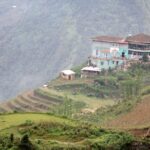
Day 1 begins with a gentle warm-up and a quick orientation. You walk from the start area down toward Cat Cat’s road, then continue into the first village experience at Y Linh Ho. Even if you’ve visited Sapa before, Y Linh Ho is the kind of place where the terrain starts telling the story—steep paths, close houses, and fields arranged around the slope.
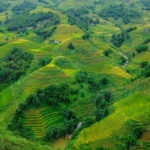
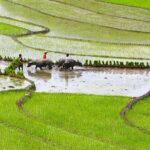
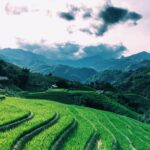
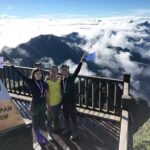
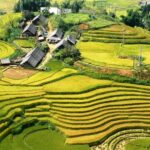
From there, the trek moves to Ta Van Village, one of the most popular areas for terrace views. The payoff here is twofold: you’ll see some of the biggest rice terrace fields in the region, and you’ll get wide mountain views toward the Hoang Lien area.
What I like about Day 1 is that it blends scenery with context. You’re not expected to be a full expert by the end of the afternoon, but your guide helps you understand what you’re seeing—why terraces look the way they do and what village work revolves around. The only consideration is that you may feel the elevation and slope right away, especially if you’re arriving in Sapa on the same day.
Day 2: Giang Ta Chai Waterfalls and Red Dao Cultural Learning
After breakfast, Day 2 turns uphill toward Giang Ta Chai Village and the waterfalls of Giang Ta Chai. This is the day where the trek feels more active, with more climbing and a clear “destination” moment when you reach the falls.
From Giang Ta Chai, you enter the Red Dao area. This part of the day is where the tour’s cultural value really shows. Your guide isn’t just pointing at buildings or clothing; they explain customs and everyday life in more detail.
The tour description highlights learning about Red Dao culture, and that’s reinforced by the way the route is structured: you don’t just pass through—you get time in the community space, with your guide translating what matters and how traditions show up in work and routines.
A practical note for your planning: Day 2 includes warmer valley walking potential. One review highlighted late-June conditions as an example—while Sapa Town might be around 23°C, the valley walking can reach 31–32°C, especially in summer. If you’re traveling in warmer months, plan for heat even when the weather in town sounds mild.
Day 3: Ban Ho and Nam Toong—Seeing Daily Life Up Close
Day 3 starts with breakfast in Ban Ho Village, then you continue walking toward Nam Toong (about 3km away). This is a solid mid-trek day: enough distance to feel like you trekked, but still paced for learning and conversation.
Nam Toong is where you’ll spend time focused on the Red Dao minority living there. The tour emphasizes understanding daily life—how people work, how homes are built, and how culture is carried through customs. You’ll also get a sense of community rhythms that are shaped by the valley and the surrounding farmland.
What makes this day especially worth it is the combination of walking + explanation. If you just want dramatic views, Sapa can deliver. But if you want to understand how the valley communities function, Day 3 is built for that.
The only “watch this” point is fatigue. By Day 3 you’ll have already walked, climbed, and spent time adjusting to terrain. Bring water (you’ll have an included bottle) and keep a steady pace. Don’t try to power-walk just to “finish”—you’ll miss the whole point of the guide stops.
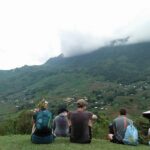
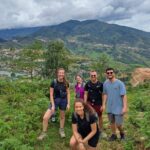
Day 4: Muong Hoa River Return Route and the Easy Wind-Down Walk
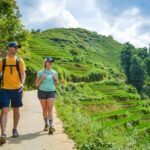
Day 4 starts with a filling breakfast, then you walk from Thanh Phu back to Ban Ho using a different route. This route follows the Muong Hoa River, and it’s described as an easy but scenic way to wind down after the previous walking days.
I like this design. It’s not a random final walk; it’s a payoff route. Following the river area gives you a more natural flow to the scenery—less steep than earlier sections—and it helps you end the trek feeling like you actually recovered a little, not like you immediately face one last hard climb.
If you’re planning to keep exploring Sapa after the trek ends, Day 4 is a good “buffer” day. The tour ends back at the meeting point in Sapa, with transport back included after you finish in the villages.
Homestay Reality: Meals Included, Plus Time to Connect
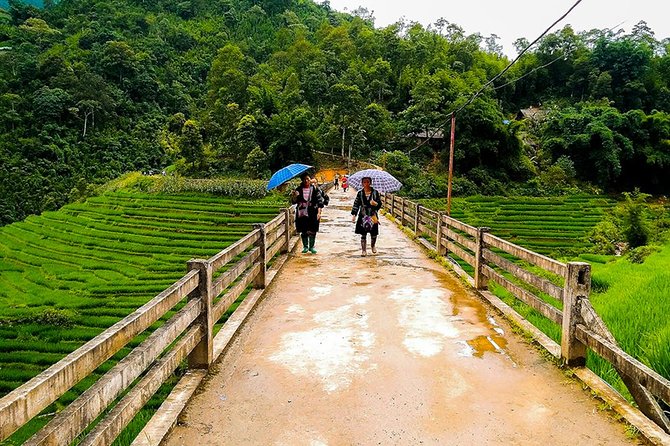
You get 1 night in a homestay, which is the heart of the overnight experience. That sounds simple, but it’s often where the trek becomes memorable, because you stop being a visitor who’s always in transit.
Meals are built into the schedule: breakfast is included (3 times), lunch (4 times), and dinner (3 times). You also get 1 big bottle of water per person. That matters because trek days are easy to mess up with “I’ll find food later” planning. Here, you can budget energy for walking rather than hunting meals.
Dinner is included at the homestay, which likely means you’ll share time in the common family space. The tour doesn’t promise a specific menu in the info you provided, but you can expect a home-style meal set up for guests who’ve been trekking through the valley.
The one consideration: homestays vary in comfort. You’re going for the cultural exchange and the chance to see how a family lives, not a hotel-style setup. If you know you need modern conveniences, it’s worth thinking twice.
What You’ll Learn (Culture Stops That Feel Like More Than a Photo Op)
This trek’s educational value comes from the way the guide connects the terrain to daily life.
The tour description specifically mentions Hmong traditions like unique marriage traditions, plus how people manage rice fields, do work, and build houses. That kind of explanation helps you read the landscape differently. Instead of seeing terraces as just scenery, you understand they’re part of a working system.
On the Red Dao side, the itinerary includes time in areas like Nam Toong and Ban Ho to learn more detail about their community life and customs. The tour framing suggests your guide will explain cultural details tied to what you’re watching in the village.
And because the group is small (max 15), you’re more likely to get real questions answered instead of waiting your turn. That’s not a guarantee, but it’s the natural result of the size.
Price and Logistics: Is $190 a Good Deal?
Let’s talk value plainly.
For $190 per person, you’re getting a 4-day trek (4D3N) with:
- Village entry fees included
- Homestay accommodation for 1 night
- Local guide throughout
- Transport back to Sapa after the tour ends in the villages
- Meals included (breakfast 3, lunch 4, dinner 3)
- Water included (1 big bottle per person)
If you’ve done multi-day treks where “guide” and “meals” sound included but don’t cover everything, this package feels more complete. You’re not just buying a walking route. You’re buying the parts that usually add up: fees, meals, and the overnight stay.
The one thing you should compare is your personal comfort with homestays and walking pace. If you don’t like uphill stretches or you need a very cushy comfort level, the best value won’t matter.
Also, there’s a note that if you book for many people, there may be a discount. If you’re traveling with friends or family, that can make the deal even better.
Weather, Pace, and What to Pack for Valley Walking
The tour requires good weather, and if conditions are poor, it can be rescheduled or refunded. That’s important because mountain areas can change fast, and some sections of trekking depend on safe visibility and ground conditions.
Even when the sky is clear, don’t underestimate the temperature swings. The late-June review detail is useful as a real-world warning: Sapa can be mild, but valley walking can run hot, with daytime temperatures reaching 31–32°C in the valley.
So here’s how you should think about packing, using only the logic that fits the trek:
- Light layers that you can handle if the valley gets hot
- Rain protection in case conditions turn
- Comfortable walking shoes with good grip for slopes and village paths
- A way to stay hydrated during walks (you’ll have included water, but bring your own comfort strategy)
And pace-wise: the tour says moderate physical fitness is recommended. That usually means you can enjoy it if you’re reasonably active, but you shouldn’t treat it like a stroll.
Who Should Book This Trek, and Who Might Skip It
This trek is a great fit if you want:
- Guided cultural learning tied to where you walk
- Rice terrace scenery and mountain views, not just one viewpoint
- A homestay experience with included meals
- A small-group setting (max 15)
You might want to skip it if:
- You need a very low-activity day-to-day itinerary
- Homestays are a dealbreaker for your comfort needs
- You’re not comfortable with uphill starts and valley heat in warmer months
If your goal is to understand Sapa beyond the town center, this route does a good job of turning the valley into a classroom.
Should You Book Muong Hoa Valley Trek & Homestay Experience (4D3N)?
I’d book this trek if your ideal Sapa day looks like walking through village paths while a local guide explains how people live—marriage customs, rice work, house-building, and Red Dao community life. The mix of five villages, terrace views, waterfall scenery, and a homestay night with included meals makes it feel like a full experience rather than a short trip stitched together.
Before you book, consider two things: your comfort with moderate walking and the likelihood of heat in the valley during summer months. If that fits your travel style, you’ll come away with a clearer picture of the Muong Hoa Valley and the communities that call it home.
FAQ
FAQ
What villages and ethnic communities does the trek visit?
The tour takes you to five different villages connected to Hmong, Giay, and Red Dao ethnic minorities. Stops include Y Linh Ho, Ta Van Village, Giang Ta Chai Village, Ban Ho Village, and Nam Toong.
How long is the Muong Hoa Valley Trek & Homestay Experience?
It runs for 4 days (4D3N), with the trekking and village visits spread across Day 1 to Day 4.
Where do I meet the guide and what time does it start?
You meet at Sapa Church, and the start time is 9:00am.
Is pickup from my hotel included?
Pickup is offered. Your local guide will meet you at your hotel in Sapa Town or in front of the local main church.
What’s included in the price besides the homestay?
Village entry fees, a local guide, meals (breakfast 3 times, lunch 4 times, dinner 3 times), one big bottle of water per person, and transport back to Sapa after the tour are included.
Is the homestay accommodation included?
Yes. Accommodation in a homestay is included for 1 night.
How big is the group?
The maximum group size is 15 travelers.
What fitness level do I need?
The tour is recommended for travelers with a moderate physical fitness level.
What happens if weather is poor?
The experience requires good weather. If it’s canceled due to poor weather, you’ll be offered a different date or a full refund.