REVIEW · KATHMANDU
Mardi Himal Trek
Book on Viator →Operated by Mission Himalaya Trekking · Bookable on Viator
Mardi Base Camp is a head-turner. I love the clear goal of reaching Mardi Base Camp and the kind of on-trail support you can count on, especially with guides like Birendra named in past trips. The trade-off is simple: you need to plan for cold and changing weather once you’re climbing above 3,000m, and hot showers are not part of the included package.
What makes this trek work well for most people is the structure: a private tour setup, airport and city transfers by private vehicle, and the Kathmandu–Pokhara–Kathmandu flight loop that keeps the travel days from eating all your energy. The walking still adds up, with most trekking days landing around 5 to 7 hours, so you’ll want to pace yourself from day one.
I also like the variety of scenery as you move through Deurali, Forest Camp, and High Camp, plus the big view stops tied to the Mardi Himal region, including Annapurna-area peaks. One consideration: if your knees get cranky, take it slow on downhill days and bring trekking poles if you have them.
In This Review
- Key things I’d circle before you book
- Mardi Himal Trek: why this route is so popular in western Nepal
- Price and value: what you’re really paying for at $1,058 per person
- Getting to the trail: Kathmandu and Pokhara logistics that save your legs
- Trail days from Phedi to Mardi Base Camp: what each stage feels like
- Day 2: Easy start from Kande into the trek rhythm
- Day 3: Deurali to Forest Camp, with your first real altitude shift
- Day 4: Mixed woodland hiking and a lunch stop at Low Camp
- Day 5: Shorter trek as altitude training, not endurance testing
- Day 6: Forest Camp to the Mardi Base Camp area, plus a big viewpoint
- Day 7: Descent toward Sidhing and alpine calm
- Day 8: Lwangghale via Lwong, with a flatter scenic feel
- Day 9: Lwong tea gardens at sunrise, then back down toward Pokhara
- Where lodges and meals fit into the experience (and how to pack smart)
- Gear support: down jacket, sleeping bag, duffel bag on request
- The guide and porter system: where safety and comfort actually come from
- Pokhara wrap-up: tea gardens, lakeside time, and guided sightseeing
- Should you book this Mardi Himal Trek with Mission Himalaya Trekking?
- FAQ
- What is the duration of the Mardi Himal Trek?
- Where does the tour start and end?
- Are airport transfers and city transfers included?
- Does the price include domestic flights to Pokhara?
- Are trekking permits included?
- What kind of accommodation do you get during the trek?
- What meals are included during the trek?
- Is down jacket and sleeping bag provided?
- What is not included in the tour price?
- What fitness level do you need?
Key things I’d circle before you book
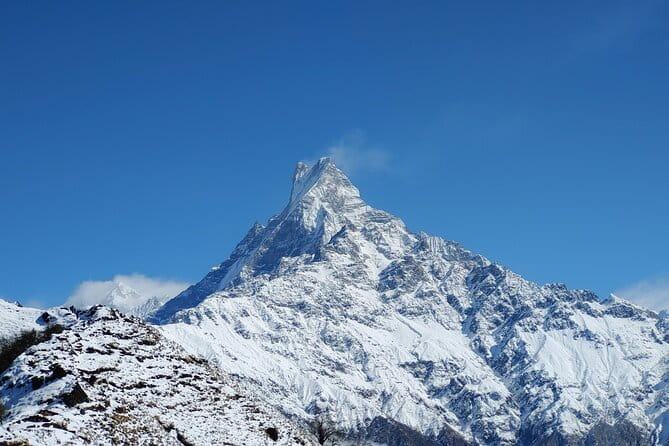
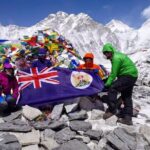
- Mardi Base Camp push (around 4,500m): the main emotional payoff with big Himalayan views from the top
- Guide support you can lean on (Birendra is repeatedly mentioned): warm, practical help and photo support
- Permits handled (ACAP and TIMS): you’re not scrambling for paperwork on the ground
- Flights and private transfers: Kathmandu and Pokhara move fast, so you spend more days hiking
- Cold-gear option on request: down jacket, sleeping bag, and duffel bag can be provided (then returned)
- Rhododendron-season color: a reason this route feels special in spring
Mardi Himal Trek: why this route is so popular in western Nepal
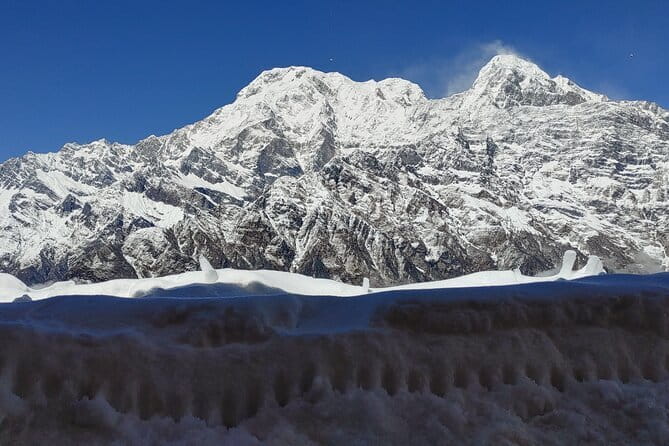
The Mardi Himal Trek is one of those Nepal itineraries that feels both friendly and meaningful. It’s often chosen by novice hikers because the trail is generally approachable, but the rewards stay big: dramatic mountain scenery, frequent viewpoint moments, and the satisfying challenge of reaching Mardi Base Camp.
The key is that the trek is built around stages. You start in the Phedi area, move through Deurali village, and then step up through Forest Camp and High Camp. That gradual “lift” helps your body adapt while your eyes get steadily better.
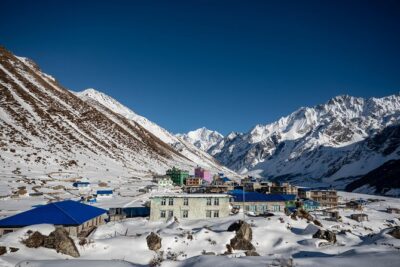
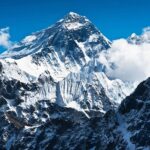
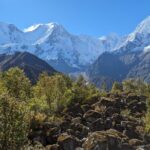
And the views are not subtle. You’re looking toward the Annapurna Massif, Mount Machhapuchhre (the famous Fish Tail), and of course Mardi Himal itself. Even if clouds roll in, you can usually catch breaks of clear visibility at higher camps and viewpoints.
You can also read our reviews of more tours and experiences in Kathmandu.
Price and value: what you’re really paying for at $1,058 per person
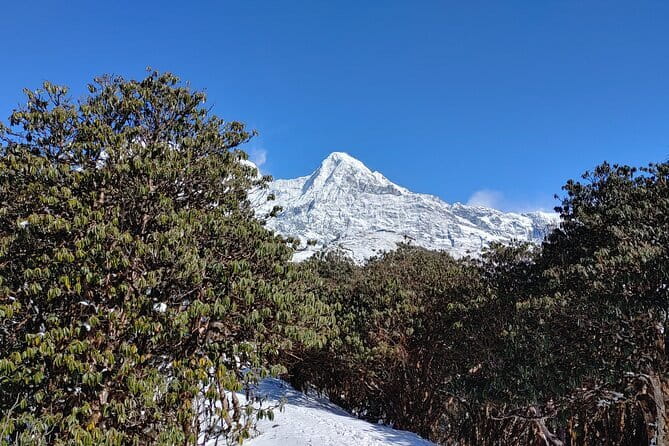
At $1,058 per person for about 11 days, the value comes from what’s included—not just the trek itself.
Here’s what you’re getting that matters in real life:
- Domestic flights: Kathmandu to Pokhara and back (including for the guide)
- All required permits: ACAP and TIMS
- Licensed, trained trekking guide and porter: with meals, accommodation, salary, and insurance
- Lodging on the trek: twin sharing at the best available lodges
- A lot of meals: breakfast on 10 days, lunch on 8 days, dinner on 8 days
- Base gear on request: down jacket, sleeping bag, and duffel bag (returned after the trek)
That last point is a quiet cost-saver. Cold-weather gear can turn into an expensive add-on if you’re traveling from abroad. If you can borrow instead of buying, your budget stretches further.
What’s not included is also important:
International flights and the Nepal visa fees are not part of the package. Travel and rescue insurance are not included either, and that’s the kind of thing you should plan separately before you arrive in Nepal. Also, personal drinks, WiFi, and hot showers cost extra at lodges.
So for most people, this price feels fair if you want a guided, permission-handled trek with transportation built in. If you prefer total independence (and you already know the paperwork and logistics), you’d probably pay less by doing it yourself. But most first-timers like the simplicity here.
Getting to the trail: Kathmandu and Pokhara logistics that save your legs
Your trip begins in Kathmandu, with an arrival-side meeting at the airport and a drive to Thamel. Thamel is practical because it puts you close to food, gear shops, and easy morning departures.
Then comes the big time-saver: you fly from Kathmandu to Pokhara early. After landing, there’s a drive to Kande before you start hiking. That means you’re not spending your only good daylight day on long ground transfers.
Two things to note for practical comfort:
First, you’re staying in 3-star category hotels in Kathmandu and Pokhara with breakfast. That helps because trek days are long and you’ll want reliable sleep and an easy morning meal.
Second, there are guided sightseeing options in Pokhara and guided time in Kathmandu at the end. If you land feeling wrecked after the trek, this is the type of built-in structure that can keep the trip from turning into chaos.
Trail days from Phedi to Mardi Base Camp: what each stage feels like
This trek is paced in a way that makes the Base Camp goal feel achievable, especially for beginners who train a bit beforehand.
Day 2: Easy start from Kande into the trek rhythm
From Kande, you begin with a relatively gentle start and about 5 hours of hiking. This day matters because it sets your body’s rhythm for the coming days.
If you’re new to trekking, treat day 2 like a warm-up. Walk slower than you think you need to. You’ll save energy for the later climb days.
Day 3: Deurali to Forest Camp, with your first real altitude shift
Today is around 6 hours and takes you from Deurali after a hearty mountain meal up toward Forest Camp. The trail begins level-ish, then begins to feel more “vertical” as you climb.
This is also where you start seeing the trek’s seasonal personality. In spring, rhododendron woodlands can burst into color, and it’s the kind of scenery that makes people stop more often than they plan to.
Day 4: Mixed woodland hiking and a lunch stop at Low Camp
Around 5 hours of walking today. Because you’re above 3,000m, the distance covered may be reduced compared with lower-elevation days.
This is a good day for learning your pacing. Mixed woodland hiking often tempts you to hike too fast early, because the trail can feel easy under tree cover. Keep your breathing steady.
You’ll stop for lunch at Low Camp, which becomes a useful pattern on the trek: refuel, check your energy, then keep moving.
Day 5: Shorter trek as altitude training, not endurance testing
Another day around 5 hours, designed specifically to help with altitude acclimatization. The plan here is shorter walking so your body gets time to adjust.
Altitude sickness prevention is taken seriously in this itinerary. You’re encouraged to stay well-hydrated, and that’s exactly what you should do even if you feel fine.
If you want one practical tip: set a drinking schedule you can follow, not just sips when you remember. At altitude, dehydration sneaks up quietly.
Day 6: Forest Camp to the Mardi Base Camp area, plus a big viewpoint
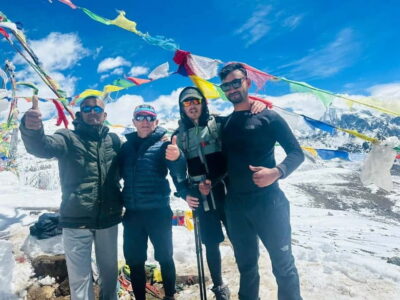
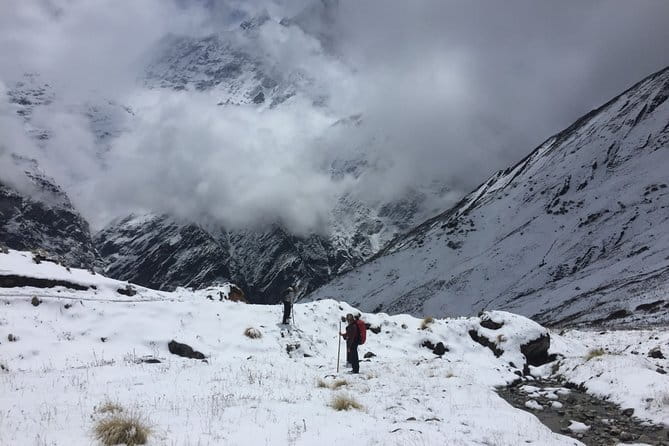
This is one of the heavier days at about 7 hours, focused on getting you toward Mardi Base Camp. En route, there’s a viewpoint moment with panoramic Himalayan vistas, including peaks you came for.
This is where many people feel the trek click into something memorable. The final approach to Base Camp is often described as the most exhilarating part, and the emotion makes sense: you’ve climbed step by step for days, and then suddenly the reward is right there.
If the weather is moody, don’t panic. Clouds can move, and higher viewpoints tend to give you a better chance of clear windows.
Day 7: Descent toward Sidhing and alpine calm
Around 6 hours today, with a walk that starts at higher elevation then descends to Sidding (spelled in the itinerary as Sidhing/Sidding depending on the document). You’ll go through rhododendron and pine trees.
This is a day many people like because the pace can feel easier than the Base Camp push, but the downhill requires technique. Descents are where knees complain, so take shorter steps and consider trekking poles if you have them.
Day 8: Lwangghale via Lwong, with a flatter scenic feel
Today often feels like a highlight in a different way. The walking is mostly flat and about 6 hours, starting with your route toward Lwong.
Lwong village is described as charming, with quaint ancestral houses. It’s the kind of village time that breaks the monotony of hiking and helps you remember this is a lived-in region, not a movie set.
Day 9: Lwong tea gardens at sunrise, then back down toward Pokhara
You rise early to walk through tea gardens around Lwong, catching sunrise over the region. Then you return to the guesthouse and continue onward toward Pokhara with about 5 hours.
These early mornings are short and sweet, but they pack a lot of reward per hour. Even if you’re tired, the timing makes it hard to skip.
Where lodges and meals fit into the experience (and how to pack smart)
Lodging on the trek is twin sharing at the best available lodges. That wording matters because lodge comfort can vary by location and season. You should expect basic rooms, not hotel setups.
Hot showers are not included, and that’s the kind of detail you should plan around mentally. If you’re the type who really wants warm water, budget for it or rely on quick wipe-downs and good socks management.
Meals are mostly covered while you’re trekking. Breakfasts come on 10 days and lunches and dinners are included on the core hiking portion. That means fewer decisions for you, which is a real win when you’re tired and altitude is doing its thing.
One food detail that’s worth noting: High Camp can offer comfort-food surprises. One past participant mentioned trying pizza at High Camp. That doesn’t mean every day will have pizza on the menu, but it does suggest lodge food can be more varied than you might expect when you’re higher up.
Gear support: down jacket, sleeping bag, duffel bag on request
This trek makes a smart concession for travelers who don’t want to buy expensive high-altitude gear.
On request, you can get a down jacket, a sleeping bag, and a duffel bag for the trek. These are returned after the trip.
Even with that help, don’t treat it like you’re fully covered. A strong review theme was the need to bring enough cold-weather layers. If you’re coming from a warm climate, plan for night temperatures and wind at higher points.
A practical packing approach:
- Bring layered clothing so you can manage changes between sun and cloud
- Protect your hands and head for windy camp mornings
- Pack a warm layer even if the daytime feels mild
The rest is about your comfort: good hiking shoes, socks you trust, and small essentials you don’t want to hunt for at lodges.
The guide and porter system: where safety and comfort actually come from
You’re not just buying a route. You’re buying a team that handles timing, food, permits, and day-to-day adjustments.
The trekking guide is government licensed and ministry trained, and the porter is strong, experienced, and supported with meals, accommodation, salary, and insurance. That means the people carrying the load are not doing it casually or without support.
In multiple comments, guide Birendra shows up as a steady presence: professional, friendly, and good at helping the group move smoothly. There’s also praise for hospitality and even photo help, which matters because you’ll want to actually capture moments at viewpoints when they appear.
Porters also get credit for being caring and easy to work with. That’s not fluff. When the weather shifts or someone’s energy dips, a supportive team can keep you calm and keep the plan moving.
And yes, altitude and trekking strain can show up in your body. One review noted knee fatigue around the later days and thanked the guide for patience. If your knees are sensitive, expect that and plan for it with slower downhill pacing and pole use if available.
Pokhara wrap-up: tea gardens, lakeside time, and guided sightseeing
After the trek, Pokhara is where you recover without staring at your feet all day. You get morning time around tea gardens, then a return to guesthouses and a more relaxed rhythm.
There’s also a guided sightseeing day in Pokhara, including options like Davis Waterfall and Gupteswor Mahadev Temple. If you want the convenience of a plan without picking everything yourself, this is the type of add-on that makes the trip feel complete.
Then, on the final day, Kathmandu sightseeing happens with a town guide. It’s a nice chance to trade trail views for city views.
Should you book this Mardi Himal Trek with Mission Himalaya Trekking?
I’d book this if you want:
- A Himalayan goal that feels realistic for beginners but not boring for experienced hikers
- A guided trek where permits are handled and logistics are pre-sorted
- The support system of a licensed guide and a porter team
- A package that reduces gear-buying stress thanks to cold-weather items on request
I’d think twice if:
- You’re allergic to any structure and want full DIY independence
- You’re expecting luxury lodge comfort or guaranteed hot showers
- You dislike long walking days around 5 to 7 hours, even with acclimatization days built in
Overall, this trek is a strong value if you want to focus on the hike instead of paperwork, planning, and day-to-day decisions.
FAQ
What is the duration of the Mardi Himal Trek?
The trek is listed as about 11 days.
Where does the tour start and end?
It starts at Mission Himalaya Treks and Expeditions in Thamel, Kathmandu, and ends back at the meeting point.
Are airport transfers and city transfers included?
Yes. The package includes all ground transfers on a private vehicle for airport transfers and sightseeing.
Does the price include domestic flights to Pokhara?
Yes. Kathmandu to Pokhara and back flights are included, including for the guide.
Are trekking permits included?
Yes. ACAP and TIMS permits are included.
What kind of accommodation do you get during the trek?
You stay in lodges at best available options, with twin sharing.
What meals are included during the trek?
Breakfast is included for 10 days, lunch for 8 days, and dinner for 8 days. Meals in Kathmandu and Pokhara are included only where specified.
Is down jacket and sleeping bag provided?
On request, down jacket, sleeping bag, and a duffel bag are provided and returned after the trek.
What is not included in the tour price?
International air tickets, Nepal visa fees, travel and rescue insurance, and personal expenses like drinks, WiFi, and hot showers (plus tipping) are not included.
What fitness level do you need?
The tour is for travelers with moderate physical fitness.