Mustang trek days start with a desert sunrise. This Upper Mustang journey takes you from Jomsom through Kagbeni into the Upper Mustang region, with Muktinath and Tibetan-style monasteries along the way.
I love the steady rhythm: 4–6 hours of walking each day, with meals already handled while you focus on your steps and the culture around you. You’ll also get real time in local cultural towns, not just quick photo stops.
One drawback to plan for: bottled water (and soda/pop) isn’t included, and the trek needs good weather to run as scheduled.
In This Review
- Quick Hits Before You Go
- Why Upper Mustang Feels Different Than Most Nepal Treks
- From Kathmandu to Jomsom: Getting Set for the Trek
- Jomsom to Kagbeni: Old-Town Energy on a Walking Day
- Kagbeni Into Upper Mustang: Tibetan Culture and Old Monasteries
- The Muktinath Stop: A Pilgrimage Moment in the Middle of Trekking
- Daily Rhythm: 4–6 Hour Walking Days and Built-In Meals
- Pickup, Mobile Ticket, and the Private-Group Comfort Factor
- Guides and Staff: Service Is the Difference Between Good and Memorable
- Price and Value: What $2,205.13 Buys You (and What It Doesn’t)
- Weather Matters More Here Than You Think
- Who This Trek Suits Best (and Who Might Want Another Option)
- Should You Book This Upper Mustang Trek?
- FAQ
- How long is the Upper Mustang Trek?
- Where does the trek start and what route does it follow?
- How many hours do you walk each day?
- What places can I visit during the trek?
- What meals are included in the price?
- Is WiFi included?
- Is bottled water included?
- Is soda or pop included?
- Is this a private tour?
- What happens if the trek can’t run because of weather?
Quick Hits Before You Go
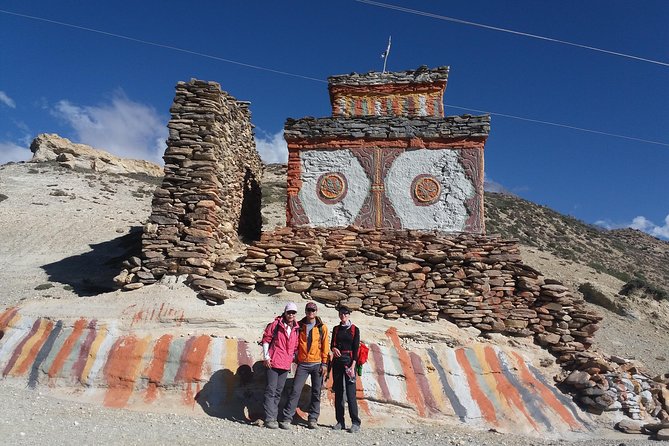
- Whole Mustang region focus: includes both Tibetan cultural sightseeing and key must-see stops like Muktinath
- Manageable walking days: daily trekking typically lands in the 4–6 hour range, depending on the day
- Monasteries and local towns: old monasteries plus cultural settlements are part of the trek rhythm
- Private group setup: it’s a private tour/activity, so you’re moving as your group only
- Food built in: breakfast daily, plus lunch and dinner during the trek, and welcome/farewell dinners in Kathmandu
Why Upper Mustang Feels Different Than Most Nepal Treks
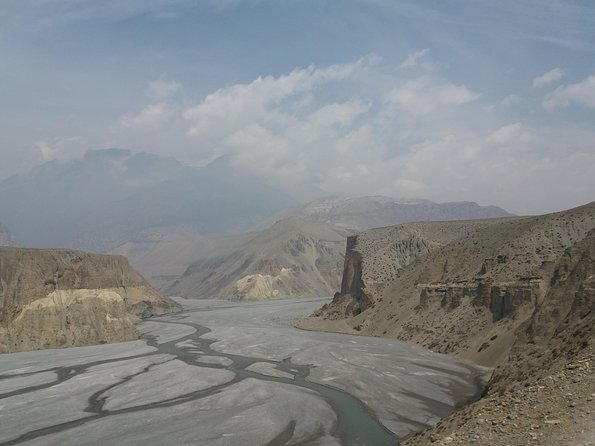
If you want Nepal, but not the usual postcard version, Upper Mustang is a smart target. This area sits in a special cultural zone where Tibetan traditions show up in daily life, and you’ll notice it in how monasteries, towns, and local routines shape the trek experience.
What makes this route especially appealing is the mix of walking time and cultural time. You’re not just ticking off viewpoints. You’ll be moving through places that feel purpose-built for slow discovery: older monasteries, local towns, and the larger Mustang region that frames your days. And with Muktinath included, you get a pilgrimage-level stop that many trekkers treat as the emotional high point.
The overall pace also helps. A typical day of trekking is listed at 4–6 hours, which is long enough to feel like you accomplished something, but not so long that you’re wiped out every evening. That matters because the best parts of this trip are the evening conversations, cultural observations, and downtime after you stop walking.
You can also read our reviews of more tours and experiences in Kathmandu.
From Kathmandu to Jomsom: Getting Set for the Trek
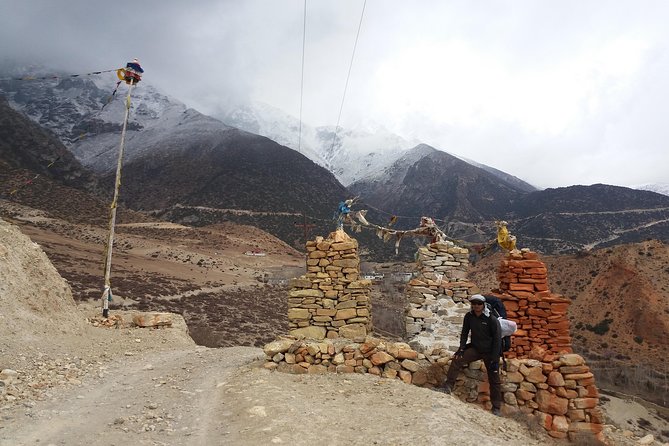
Your trip is based in Kathmandu, and it’s structured to start you efficiently and keep you fed. The tour includes a welcome and farewell dinner in Kathmandu, plus breakfast and other meals timed around trekking days. There’s also pickup offered, which can save you from the usual pre-trek scramble of sorting transport and logistics.
You’ll want to think of the Kathmandu days as your prep buffer. Even though the trek is the star, you’re going to arrive with a body that’s either rested or not rested—so that welcome dinner matters. Food is included in the sense that dinners during the trek and welcome/farewell meals in Kathmandu are part of what you pay for, and that reduces the “guessing” tax of travel.
Also, note the tour is private—only your group participates. That usually translates to less waiting around and more flexibility if your pace is slightly faster or slower than average.
Practical tip: pack for cool mornings and warm afternoons, because treks like this often swing temperature as the day changes. The listing doesn’t spell out temperatures, so I’m not going to pretend. But the route nature suggests you’ll feel the difference between start and end of day.
Jomsom to Kagbeni: Old-Town Energy on a Walking Day
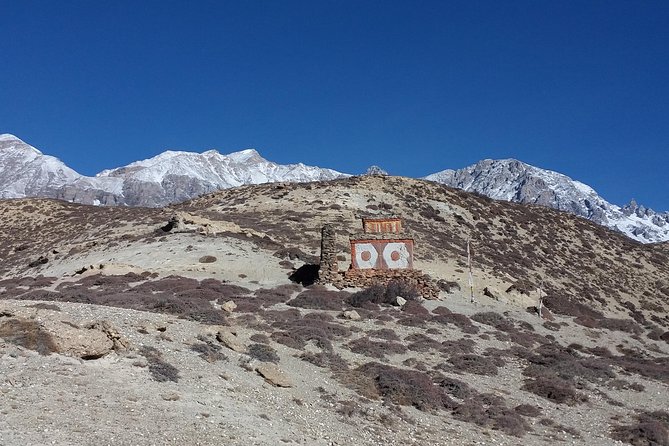
The route begins with walking from Jomsom, then moves via Kagbeni toward Upper Mustang. This is a classic setup for people who want both scenery and village rhythm, because Kagbeni sits in the middle of the story—an in-between place that helps the trek feel connected rather than random.
On a route like this, you’ll typically experience the day as a string of visual shifts: the valley feel changes as you keep walking, and the cultural surroundings evolve as you move closer to the Upper Mustang region. You should expect days around 4–6 hours on foot, so the best approach is to settle into a steady pace and let the trek unfold rather than sprinting for distant views.
A possible downside here is also simple: you’re on the trail daily. If you come in with tight calves or you try to go too fast early, you’ll pay for it later. The tour says it’s best for travelers with moderate physical fitness, so treat that as permission to pace yourself, not a challenge to prove something.
If you’re the type who likes photos, you’ll still get them. But the real payoff is walking through a living area, not standing in one spot hoping the wind behaves.
Kagbeni Into Upper Mustang: Tibetan Culture and Old Monasteries
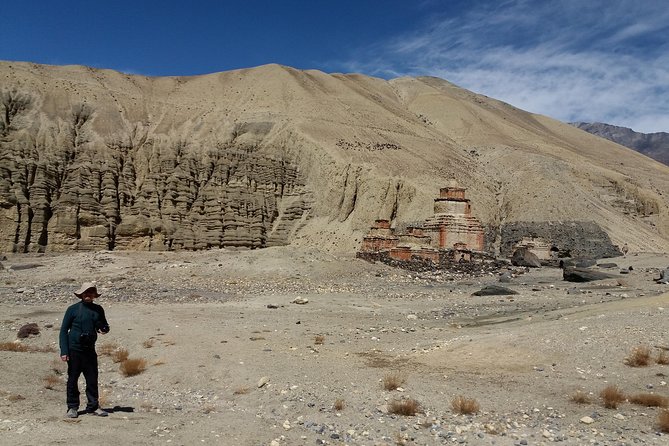
Once you’re moving through the Upper Mustang area, the experience leans harder into culture. The tour is built around exploring Tibetan culture, including visits to old monasteries and local cultural towns. That means your “what am I seeing” list is less about nature alone and more about how people practice tradition in a remote setting.
Here’s what I like about this part: monasteries and cultural towns naturally slow you down. Even if your legs are ready to keep going, you’ll likely want time to observe how spaces are used—where people gather, what life looks like around religious structures, and how the area’s identity shows up in daily routines.
The tradeoff is that cultural stops sometimes reduce raw hiking time for the day. That’s not a bad thing, but it changes how you measure success. If you’re coming for a pure mileage challenge, you might feel like some days are less “trail-focused.” If you’re coming for meaning, it’s a win.
In practical terms, expect your day to feel like a blend: walking stretches, then time in places that reward attention. This is where a good guide becomes useful, because understanding what you’re seeing makes the photos better and the memories last longer.
The Muktinath Stop: A Pilgrimage Moment in the Middle of Trekking
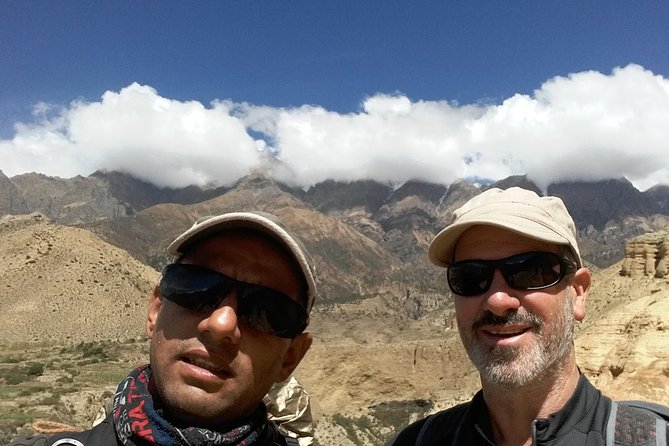
Muktinath is included, and it’s the kind of stop that can change the tone of a trek. Even if you’re not religious, pilgrimage sites often carry a different energy: people move with purpose, and the place tends to feel alive with routine, respect, and small moments that you wouldn’t get at a viewpoint.
What I appreciate about including a stop like this is balance. A trekking itinerary can sometimes feel like a long series of similar days—wake, walk, eat, sleep, repeat. Muktinath breaks that rhythm with something more grounded in human culture and shared movement through the region.
There’s also a logistics consideration: in places like this, crowds can happen depending on the season and time of day, even on treks. The listing doesn’t provide crowd details, so I can’t promise a quiet moment. But if you arrive with patience and a respect-first mindset, you’ll enjoy it more.
Think of Muktinath as both a destination and a reset. The walk leading into it feels like effort. The moment there feels like context.
Daily Rhythm: 4–6 Hour Walking Days and Built-In Meals
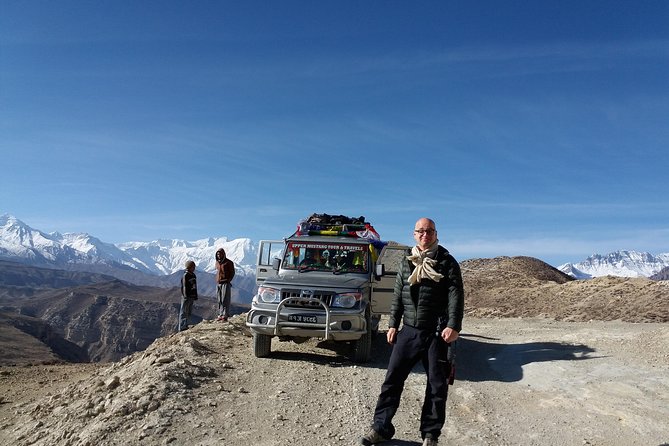
The tour sets a clear expectation for effort: daily trekking around 4–6 hours depending on the day. That range matters for your planning. You can pack your energy without guessing whether the next day will be easy or brutal. It also helps you manage your gear, because you’re not constantly rushing to cover long distances.
Food support is another big reason this trek works. Breakfast is provided every day. Lunch is included during the trek, and dinner is included during the trek too. On top of that, you get welcome and farewell dinners in Kathmandu.
Why this matters for value: you’re trekking in a remote region where sourcing food on your own can mean extra stops, slower progress, or paying travel premiums. With meals included, you reduce decision fatigue. You can focus on the trail and the culture instead of checking menus.
One small gap to watch for: bottled water isn’t included. Soda/pop isn’t included either. That’s normal on many treks, but you don’t want to discover it late at night when you’re trying to refill for tomorrow. Plan to budget for water, and treat it like part of your trek gear.
Pickup, Mobile Ticket, and the Private-Group Comfort Factor
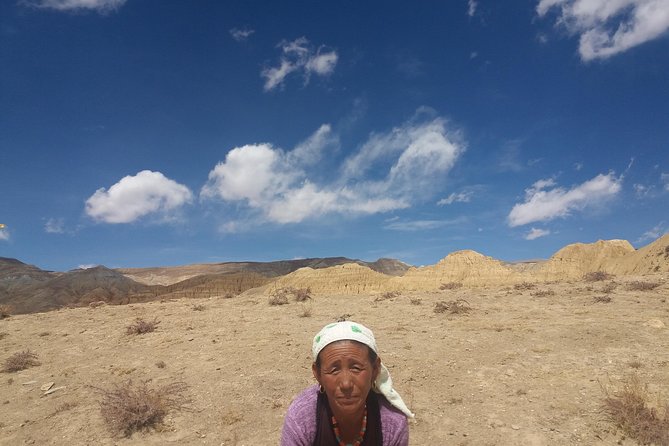
Two details may look minor, but they add up: pickup is offered, and you’ll get a mobile ticket. Pickup can mean less stress on arrival and fewer transport headaches before your first trek day. Mobile ticketing can reduce the printed-document scramble.
Then there’s the private-group structure: only your group participates. That’s not just a status label. It often changes how your guide manages pacing, rest breaks, and visit timing to monasteries and cultural towns. In a trek setting, that can mean fewer interruptions and a smoother flow.
This is also the kind of trip where you’ll appreciate having your group stay together, because trail days can include many small moments—stop here to look, walk a bit longer to catch the light, move on when you’re ready. Private setups support that.
Guides and Staff: Service Is the Difference Between Good and Memorable
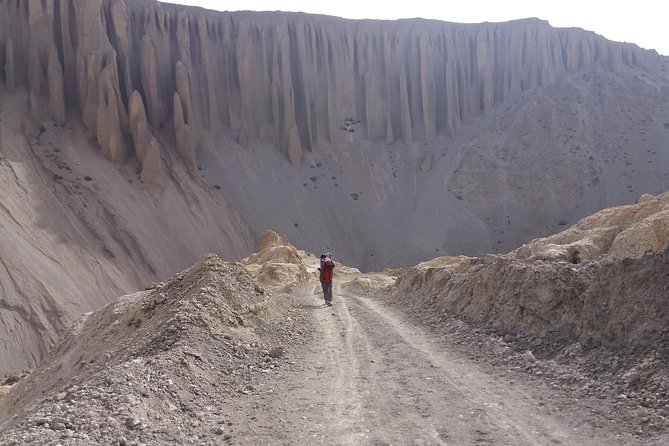
The reviews around this experience heavily emphasize guide quality and staff support. That’s not random. On a trek, your guide’s style affects everything: timing, safety, and how much meaning you extract from the places you pass.
I took note of the named guides in the feedback. One guide mentioned is Shaktiman, praised for being ready to go the extra mile and for bringing good humour. That matters because trekking can get repetitive fast if you don’t feel like you’re being guided through the culture and not just through a route.
Another named guide is Ram Adhikari, highlighted as professional and able to advise perfectly, with strong knowledge of the terrain and trekking stages. That kind of competence shows up in the details: pacing advice, stage planning, and the ability to read conditions during the trek.
And there’s also Sajana and her team mentioned for helping create the best itinerary when time was limited—plus making room for comfort like warm meals and beers in the overall plan. I can’t promise what any individual person will experience, but the pattern is clear: the planning team pays attention to how you’ll actually feel day to day, not just how the route looks on paper.
Price and Value: What $2,205.13 Buys You (and What It Doesn’t)
Let’s talk money in real terms. The price listed is $2,205.13 per person for an approx. 16-day trek. That’s a serious amount, so you should judge it by what’s covered and what isn’t.
What’s included:
- Breakfast every day
- Lunch during the trek
- Dinner during the trek
- Welcome and farewell dinners in Kathmandu
Those inclusions alone reduce daily spending uncertainty. When you’re trekking, food costs and sourcing can become a hidden budget drain. You also get the comfort of private-group participation, plus pickup being offered.
What’s not included:
- WiFi on board
- Bottled water
- Soda/pop
That’s pretty standard, but you should treat water as a key add-on cost. Soda/pop too, if you’re the type who likes it during recovery time.
Here’s how I’d frame the value: you’re paying to have the trek run smoothly with meals managed, a guide and staff support structure in place, and the route stitched together across key Mustang highlights. If you’d rather spend your time enjoying the trail than figuring out daily logistics, this price makes more sense.
Weather Matters More Here Than You Think
This experience requires good weather. That’s explicitly stated, and it’s a big deal for high-altitude trekking areas. If conditions aren’t right, the trek can be canceled and you’ll be offered another date or a full refund.
So how should you handle this as a planner? Pick your dates with flexibility if you can. If you’re locked into work travel with no wiggle room, you’re taking on more risk than you might on a low-altitude city tour.
Also, keep your packing realistic. Even without a detailed weather chart in the listing, you know the region can change fast. Bring layers, a hat, and rain protection you’ll actually use. If you hate being cold, treat that as a packing brief, not an attitude problem.
And a quick mental note: the trek is for travelers with moderate physical fitness. That doesn’t mean you need to be an athlete. It means you should be prepared for daily walking time and a steady pace.
Who This Trek Suits Best (and Who Might Want Another Option)
This Upper Mustang trek is a strong fit if you want:
- Tibetan culture experiences mixed into your walking days
- Old monasteries and cultural towns, not just scenery
- A moderate daily schedule of 4–6 hours on foot
- A private group setting with meals handled
You’ll especially enjoy it if you like the idea of a pilgrimage stop like Muktinath, and if you’re the kind of traveler who pays attention to local life rather than chasing only the biggest peaks.
If you’re looking for an ultra-fast, see-everything-in-one-day style itinerary, this won’t be that. The trek is paced for walking and cultural visits over time. That’s the point. If you want constant movement, you might find it slower than expected.
Should You Book This Upper Mustang Trek?
I’d book it if your goal is a culturally focused Mustang experience with a manageable trekking schedule and food support built in. The route tying together Jomsom, Kagbeni, Upper Mustang, old monasteries, and Muktinath creates a coherent story, not a random string of stops.
I’d pause before booking if you hate planning around weather or you’re counting on non-included items like bottled water to be included. Also, if you’re expecting WiFi on board, you should plan without it. Simple stuff, but it affects how relaxed your trip feels day to day.
FAQ
How long is the Upper Mustang Trek?
It’s listed as 16 days approximately.
Where does the trek start and what route does it follow?
You walk from Jomsom via Kagbeni to the Upper Mustang area.
How many hours do you walk each day?
Daily walking time is typically 4 to 6 hours, depending on the day.
What places can I visit during the trek?
The tour includes the whole Mustang region, including Muktinath, and it also includes visits to old monasteries and local cultural towns. It also focuses on Tibetan culture.
What meals are included in the price?
Breakfast is included every day. Lunch during the trek and dinner during the trek are also included, plus welcome and farewell dinner in Kathmandu.
Is WiFi included?
No, WiFi on board is not included.
Is bottled water included?
No, bottled water is not included.
Is soda or pop included?
No, soda/pop is not included.
Is this a private tour?
Yes, it’s a private tour/activity, and only your group will participate.
What happens if the trek can’t run because of weather?
The experience requires good weather. If it’s canceled due to poor weather, you’ll be offered a different date or a full refund. If you cancel or amend it for other reasons, it’s non-refundable and cannot be changed.