REVIEW · POKHARA
Pokhara: 3-Day Ghorepani, Poon Hill & Ghandruk Trek
Book on GetYourGuide →Operated by Snow Peak Tours and Travels pvt.ltd. · Bookable on GetYourGuide
Pokhara’s mountain air hits fast. This short trek gives you Poon Hill sunrise plus Gurung village time in just 3 days, with an experienced guide and meals handled for you. I especially like the clear, practical structure: drive in, walk out, sleep in tea houses, and ride back—no guesswork. A small drawback to plan for: the early wake-ups and uphill walking to Ulleri and Poon Hill can feel like a lot if you’re not used to steep steps.
What makes this itinerary work is the mix of payoff views and real village moments. I also like that guides in this program tend to be talkative and specific—people have praised guides like Jeet, Anil, and Sanjay for clear explanations and noticing the details along the trail. Just keep your expectations realistic on comfort: tea houses are simple, and the packaged meal plan may not be the cheapest way to eat.
In This Review
- Key Things I’d Focus On Before You Go
- Poon Hill Sunrise Meets a Short, Real Trek (Not a Long Commitment)
- Day 1: Drive to Ulleri and the Steps Up to Ghorepani (2,840 m)
- Day 2: Poon Hill at Dawn, Then Rhododendrons Toward Tadapani (2,630 m)
- Day 3: Ghandruk Gurung Village Walk and the Ride Back to Pokhara
- Price and Logistics: Is $190 Good Value for This 3-Day Route?
- Transportation, Pickup/Drop Points, and How the Days Really Feel
- Tea Houses and Sleeping Comfort: Simple, and Usually Better Than Expected
- Guides in This Program: Clear Explanations Are a Real Value
- Who Should Book This Trek (and Who Might Want a Different One)
- Should You Book This 3-Day Ghorepani, Poon Hill & Ghandruk Trek?
- FAQ
- How long is the trek?
- Where do pickup and drop-off happen in Pokhara?
- Is the Poon Hill sunrise included?
- What altitudes does the trek reach?
- What’s included in the $190 price?
- What should I bring, and is travel insurance required?
- What kind of meals and accommodation should I expect?
- Is this a private group, and what languages does the guide speak?
- Can I cancel for a refund, and can I hire a porter?
Key Things I’d Focus On Before You Go

- Poon Hill at dawn (3,210 m): You’re up before first light, and the viewpoint is the point of Day 2.
- Ghorepani stop (2,840 m): A built-in altitude ramp that sets you up for sunrise without a huge multi-day grind.
- Rhododendron trail to Tadapani (2,630 m): Forest walking breaks up the effort and adds variety.
- Ghandruk Gurung village time: Terraces, stone houses, and colorful prayer flags make the final day feel like a place, not just a checkpoint.
- Meals included, but check your option: Some packages can feel pricey compared with eating at tea houses directly.
- A guide who points things out: Past trips highlight guides explaining mountain names, plants, and small wildlife you might otherwise miss.
Poon Hill Sunrise Meets a Short, Real Trek (Not a Long Commitment)

This is a 3-day trek that targets two big “why” moments in Nepal’s Annapurna region: sunrise views and a cultural village finish. You start from Pokhara and ride toward the trail, then you walk a route that climbs, drops a bit, then climbs again—enough movement to feel like a real trek without needing a week off work.
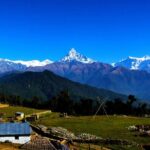
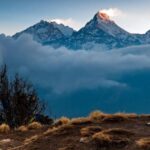
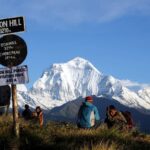
The big attraction is Poon Hill, which sits at 3,210 meters. The trek is designed around getting there early enough for sunrise, so the morning starts feel more like an expedition than a casual hike. If you’re coming to Nepal for iconic mountain views, this is one of the fastest ways to get that payoff.
You can also read our reviews of more tours and experiences in Pokhara.
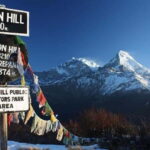
Day 1: Drive to Ulleri and the Steps Up to Ghorepani (2,840 m)

Day 1 starts with a scenic drive from Pokhara toward the trek’s start in Ulleri. You’ll be on the road for a while, often using a mix of bus/coach and jeep/SUV depending on your pickup option, so it’s not just “walk from the hotel.” Once you reach Ulleri, the trek begins with a climb—think stone steps and forested uphill walking.
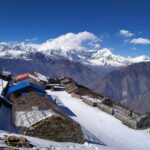
Ulleri is a good “warm-up” day. You’re not just strolling; you’re building stamina while still moving through a mix of village edges and green stretches. Then you end in Ghorepani at about 2,840 meters, where the air feels crisp and the views start opening up.
Why this day matters: it spaces the effort. You’re not jumping straight to the highest viewpoint without time to acclimate. The practical rhythm of drive → climb → tea house sleep makes the whole trip feel manageable.
Day 2: Poon Hill at Dawn, Then Rhododendrons Toward Tadapani (2,630 m)

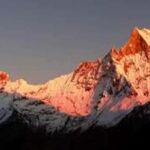
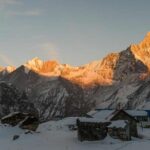
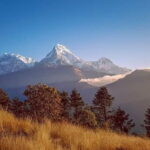
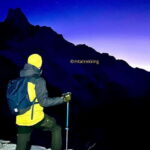
This is the day that most people remember. You wake up early for the sunrise at Poon Hill. The viewpoint is listed at 3,210 meters, and the plan is to catch the first light on the snow-capped peaks, with the sky shifting through pink, orange, and gold tones.
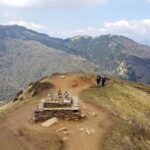
After sunrise, you don’t just turn around and call it a day. You hike onward to Tadapani, around 2,630 meters. The route passes through rhododendron forests, which is a welcome change from pure open-view walking. Even when you’re focused on the climb, the forest gives you constant small scenes—bird sounds, plants at your feet, and shaded trail sections.
One detail that really upgrades this day: the guides. Past trips have praised guides like Anil for pointing out mountain names you can see and teaching you how to notice what’s around you—things like monkeys hiding in the trees and beehives on rock walls. That kind of guidance turns a sunrise “watch-and-go” moment into a more thoughtful walk.
Possible consideration: this day stacks two mental modes—predawn viewpoint excitement, then steady daytime hiking. If you’re easily wiped out by early mornings, plan your energy and don’t try to cram extra activities into your Pokhara schedule the day before.
Day 3: Ghandruk Gurung Village Walk and the Ride Back to Pokhara

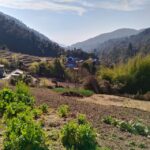
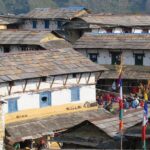
The last day starts with a trek to Ghandruk, a Gurung village known for its terraced fields, stone houses, and colorful prayer flags. You get time to actually slow down: explore the village, interact with locals, and soak in how the community lives against the mountain backdrop.
This is where the trek stops feeling like just a route and starts feeling like a destination. The day’s structure is simple: walk to Ghandruk, spend time there, then travel back to Pokhara in the afternoon as daylight fades.
Why this ending is valuable: it balances the trip. Sunrise is all spectacle, but village time is where you learn the human side of the Himalayas. You finish with a stronger sense of place than if you ended right after Poon Hill.
Price and Logistics: Is $190 Good Value for This 3-Day Route?

At $190 per person, this trip is aiming to be a “whole-package” experience: transportation, permits, a certified guide, tea house lodging, and meals (depending on your chosen option). It also includes the guide’s expenses—meals, accommodation, insurance, salary, and transportation—plus applicable local taxes.
That matters because trekking in Nepal isn’t only about walking. Permits, local rules, and logistics add cost and stress when you plan on your own. Here, you’re paying for the planning layer to get you to the trail smoothly and keep the trekking days structured.
Now the honest catch: meals can be a debate. One account flagged the included meal plan as expensive—about NR 40k for 3 days—compared with paying at tea houses directly (noted as closer to half). Your best move is to confirm exactly what your meal option includes before you commit, so you don’t feel trapped into a higher price for meals.
Also consider what’s not included: personal snacks and beverages, plus travel insurance (listed as mandatory). If you’re the kind of traveler who eats extra between meals, snacks can add up fast.
Transportation, Pickup/Drop Points, and How the Days Really Feel

You’ll see multiple pickup options in Pokhara, including:
- Pokhara International Airport (PIA)
- Pokhara Lakeside (including Lakeside-6)
- Sarangkot
On the return, drop-off options include Lakeside Road, PIA, Pokhara Lakeside, Sarangkot, and Lakeside-6. That flexibility is useful if you’re staying near different areas of town.
Timing-wise, the itinerary includes several hours on the road with both bus/coach and jeep/SUV segments. The exact mix depends on your starting point, but the takeaway is simple: you’re spending part of each day getting to and from trailheads. If you’re hoping for a purely walking experience, this trek won’t feel like that.
Tea Houses and Sleeping Comfort: Simple, and Usually Better Than Expected

Accommodation is in simple tea houses or lodges along the trekking route. That’s not five-star living, and you shouldn’t expect modern hotel standards. But tea houses are part of the local rhythm, and one account specifically said the tea houses were better than expected.
What you’re really paying for here is stability: a place to sleep each night, rather than scrambling to find beds. The trek also includes trekking gear like trekking sticks and sleeping bags as needed, which can save you hassle if you’re arriving in Nepal without gear.
Guides in This Program: Clear Explanations Are a Real Value

This trekking experience is heavily guided. You’ll have an experienced, certified trekking guide, with languages listed as English, Hindi, and Nepali. The program is also a private group, which often means fewer pacing surprises and more chances for the guide to tailor explanations.
The best praise points from past guides follow a pattern:
- guides like Jeet are described as especially positive and supportive
- guides like Anil give clear, detailed explanations that make the hike feel easier to follow
- guides like Sanjay are described as excellent
That matters because a trek can be either “walk until you reach a view” or “walk and understand what you’re seeing.” When guides are strong at observations and explanations, you get more meaning out of every hour on the trail.
Who Should Book This Trek (and Who Might Want a Different One)

This fits best if you want:
- a short trek that still includes a signature sunrise viewpoint
- village time at Ghandruk, not just a hike-and-leave route
- guidance and logistics handled (permits, transport, tea house nights, and support)
It might be less ideal if:
- you struggle with early mornings and steep steps
- you’re very budget-focused on food and want full control over meal prices (since included meal options might cost more than tea house pricing directly)
- you prefer long multi-day high-altitude trekking (this one is short by design)
Should You Book This 3-Day Ghorepani, Poon Hill & Ghandruk Trek?
I’d book it if your goal is the Annapurna experience without burning a full week. Poon Hill sunrise plus Ghandruk village time in 3 days is a strong deal, especially with a certified guide and road transfers built in.
Before you click confirm, do two things:
- Ask what your selected meal option actually includes, and price-check if you think you might want extra freedom with food.
- Make sure you have travel insurance, since it’s listed as mandatory—and consider whether you want the optional porter for an easier carry ($15 per day).
If you want a compact trek with big payoff and real village texture, this is a smart pick.
FAQ
How long is the trek?
The trek duration is 3 days. Starting times depend on availability, so the exact start can vary.
Where do pickup and drop-off happen in Pokhara?
Pickup and drop-off include options such as Pokhara International Airport (PIA), Pokhara Lakeside (including Lakeside-6), Sarangkot, and Lakeside Road.
Is the Poon Hill sunrise included?
Yes. The itinerary includes an early start to reach Poon Hill for sunrise.
What altitudes does the trek reach?
Ghorepani is listed at 2,840 meters, Poon Hill at 3,210 meters, and Tadapani at 2,630 meters.
What’s included in the $190 price?
Included items are round-trip transportation between your hotel/PIA and the trek start, required permits and fees, meals throughout the trek depending on your chosen option, tea house/lodge accommodation, an experienced and certified guide, guide costs, taxes, and trekking gear such as trekking sticks and sleeping bags as needed.
What should I bring, and is travel insurance required?
You should bring a passport or ID card. Travel insurance is mandatory for your safety and peace of mind.
What kind of meals and accommodation should I expect?
Accommodation is in simple tea houses or lodges along the trekking route. Meals are provided throughout the trek depending on your chosen option, while personal snacks and beverages are not included.
Is this a private group, and what languages does the guide speak?
The group type is private. The live guide speaks English, Hindi, and Nepali.
Can I cancel for a refund, and can I hire a porter?
Free cancellation is available up to 24 hours in advance for a full refund. A porter is optional and costs $15 per day.