REVIEW · MOSHI
Kilimanjaro 7 Day Private Trekking Experience
Book on Viator →Operated by Tanzania Escapade · Bookable on Viator
Kilimanjaro feels way more human on a private trek. You start in Moshi, climb the Machame route through rainforest and moorland, then hit the summit at Uhuru Peak under a midnight schedule. I especially like how the team in charge—led by Oscar—keeps communication tight and organized from the first emails onward.
Two things I really liked: the pacing around acclimatization (Lava Tower and the Barranco/Karanga days are built for that), and the way the crew shows up in small, practical moments. In particular, guides like Saul are praised for being kind, experienced, and clear about what to do when the mountain starts testing you.
One consideration: this is not a casual hike. The midnight summit push and the Barranco Wall scramble mean strong fitness matters, and weather can still affect the climb timing and plan.
Key highlights at a glance
- Private group experience from Moshi with pickup offered, so you’re not shuffled into a big herd
- Machame route with acclimatization stops like Lava Tower and “climb high, sleep low” on the way to Barranco
- Sunrise-at-the-top style summit: departure at midnight, with Stella Point and the emotional dawn built in
- Crew-led service: guides, porters, chefs, and camping team take care of tents and meals throughout
- Finish with closure: Mweka Gate celebrations, hot shower at Kilimanjaro Wonders Hotel in Moshi, and a certificate
In This Review
- Price and logistics: what $3,120 gets you in Moshi
- Machame Gate to Shira Camp: rainforest to moorland and your first real glacier moments
- Lava Tower and Barranco Wall: acclimatization that costs effort (in a good way)
- Barafu to Uhuru Peak: the summit setup and the midnight sunrise you’ll remember
- Descent through Mweka rainforest: celebration, shower time, and a certificate
- What’s included (and what you’ll want to plan for)
- Crew energy: the difference between a guide and a team that runs the mountain
- Who should choose this private 7-day trek (and who should rethink it)
- Should you book this 7-day private Kilimanjaro climb?
- FAQ
- Is this a private Kilimanjaro trek?
- Where does the trek start?
- How long is the trek?
- What route does the climb use?
- What time do you start the summit day?
- Are meals and tents included?
- What’s not included in the price?
- Is pickup included?
- What if the climb can’t happen due to weather?
Price and logistics: what $3,120 gets you in Moshi
At $3,120 per person for about 7 days, this is positioned as a private Kilimanjaro climb with a full support team. For that price, you’re not just buying a guide’s presence—you’re paying for the entire operation: tents, meals, crew salaries, and the in-and-out accommodation around the trek.
You’ll also have pickup offered and a straightforward start in Moshi. On Day 1, you drive to Machame Gate, register with the Kilimanjaro Park office, and begin right after a packed lunch. During the climb, your team handles the camp rhythm—wake-up tea/coffee moments, cook support, and the steady logistics that keep you focused on walking.
The budget heads-up: the essentials like food, tents, and pre/post accommodation are included, but personal climbing gear and gratuities aren’t. Also, cancellation is non-refundable, and the experience depends on good weather.
If you want a Kilimanjaro trip that feels organized without turning into a production line, this private setup is one of the clearer options.
Machame Gate to Shira Camp: rainforest to moorland and your first real glacier moments
Day 1 starts lower, in the rainforest zone, with a practical plan that reduces pre-trek stress. You’re met in the morning by the full team for a final equipment and supply cross-check, then driven to Machame Gate. Anything you don’t want on the mountain can be left in a lock-up in the hotel, so you travel lighter once you begin.
You’ll hike about 11 km in roughly 6 hours. The route climbs from around 1,800 m to 3,000 m, and it’s a classic “start steady, don’t sprint” day. You’ll register with the park office, eat a packed lunch around halfway, and arrive at Machame Camp late afternoon. This is the day that helps you settle into the pace without feeling rushed.
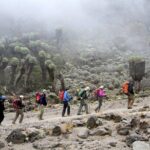
Day 2 is where the environment changes. You’ll wake up around 6:30 am to hot drinks, then move from rainforest into open moorlands. The hike runs about 9 km over ~6 hours, climbing through sparse shrub country and up toward a rocky ridge. A river gorge route pushes you onward toward Shira Plateau, where you catch your first stunning glacier views—including a look toward the Western Breach—before finishing at Shira Camp.
Why this matters: the mountain doesn’t just get higher; it changes how you feel. This first transition day is designed to build you up gently before the acclimatization-heavy sections start.
You can also read our reviews of more tours and experiences in Moshi.
Lava Tower and Barranco Wall: acclimatization that costs effort (in a good way)
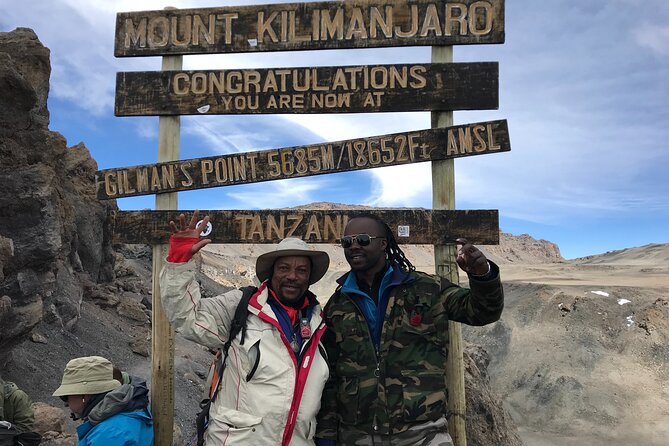
Day 3 is your key acclimatization pivot. You’ll start with hot drinks and breakfast, then leave Shira Camp for a 4–5 hour trek toward Lava Tower at about 4,600 m. The point isn’t to conquer it fast. It’s to give your body a chance to react higher up, then you go down again to sleep lower.
You’ll eat lunch at Lava Tower and then descend about 650 m in a roughly 2-hour move to Barranco Camp. That “climb high, sleep low” logic is built into the plan for a reason: it helps you handle the altitude better than a straight-line ascent would.
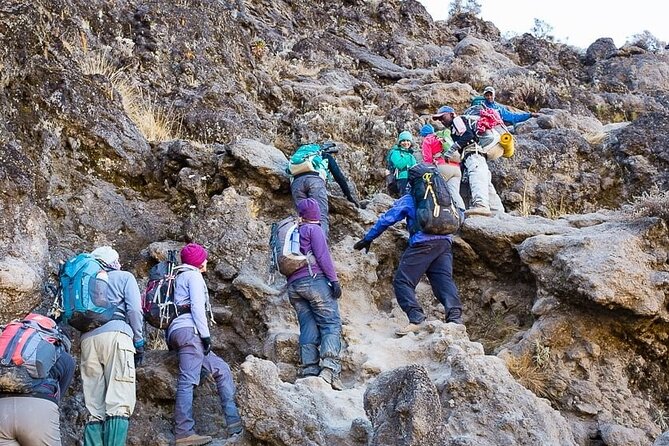
The real test comes on Day 4. After breakfast, you head toward Karanga Valley and do a 1.5-hour scramble up Barranco Wall. This is the hardest part of the day, and in places you’ll use your hands to pull yourself up. You then descend briefly into Karanga Valley and camp on a ridge above it to support acclimatization.
This day can be mentally tough because it’s not just about endurance; it’s about balance and confidence on steep ground. If you’re the type who gets anxious when footing gets tricky, focus on one thing: move slowly, keep your balance, and trust your guides.
Barafu to Uhuru Peak: the summit setup and the midnight sunrise you’ll remember
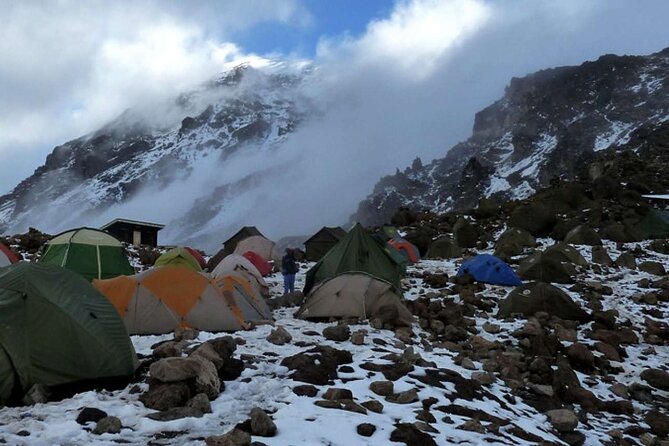
Day 5 sets up the push toward the summit. You hike to Barafu Camp (about 6 km and around 7 hours), and the day is timed so you’re seeing Kibo glaciers and the connection junction that links the descent route (Mweka) with the Machame trail. You top out just below Heim Glacier, which gives you a clearer appreciation of the mountain’s big presence.
Then you drop through Karanga Valley, crossing ridges and valleys, and you join the Mweka route, completing the South Circuit. In plain terms: you’re positioning yourself for the big night without losing the chance to see the mountain from multiple angles.
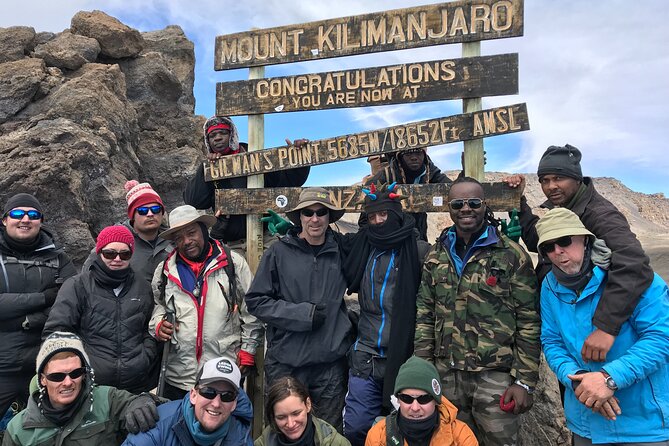
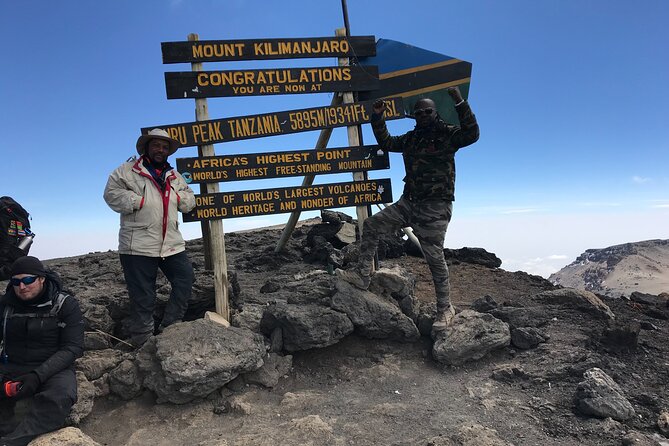
Day 6 is the big one. You’ll get wake-up tea at 11:30 pm and depart at midnight. The first part is a 6-hour climb in darkness with headlamps guiding you through screen-like pathways and around the Ratzel and Rebmann Glaciers until Stella Point. Even if you don’t love night hiking, this is also the part where you feel the team’s experience most clearly—because the trail is more mentally demanding when visibility drops.
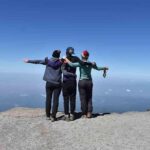
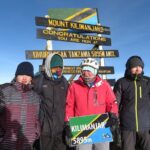
The plan is designed for an emotional pay-off: sunrise, the view, and that “everything hurts but it was worth it” moment. The route includes a stone screen and ice field, leading you up to Uhuru Peak before you descend back down to around 3,100 m area. Expect a long day overall—roughly 6–8 hours ascent and 7–8 hours descent—because you’re moving in the coldest hours and then finishing in daylight.
Practical note: this day is why strong fitness matters. Not just legs—your ability to keep steady rhythm under fatigue.
Descent through Mweka rainforest: celebration, shower time, and a certificate
Day 7 is shorter and lighter on paper, which helps your mind relax after the summit grind. You’ll wake for a final celebratory breakfast, and the team thanks you in their own unique way. There’s also an explicit chance to show appreciation by tipping each crew member or the team.
Then you do the final scenic descent: about 10 km in 3–4 hours down to Mweka Gate through rainforest. At the gate, you get a celebratory beer or champagne while equipment is loaded into the van. From there, you head to Kilimanjaro Wonders Hotel in Moshi for an overdue hot shower and lunch.
After dinner, you’ll receive your certificate of achievement. It’s a simple ending, but it’s a good one. You’ll feel the difference between “I’m just walking” and “I made it,” and you get downtime right away instead of bouncing straight into travel chaos.
What’s included (and what you’ll want to plan for)
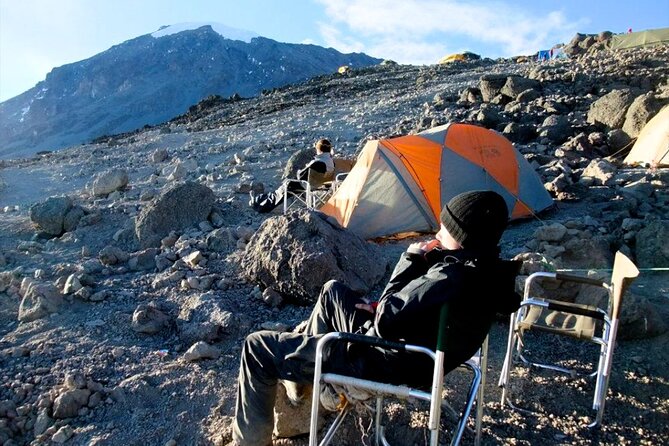
Here’s the value breakdown of what’s included:
- Food throughout the climb (lunches and dinners, plus breakfasts)
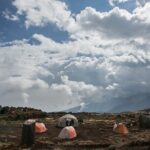
- Tents and camp support
- Mountain crew salaries, plus the support team that handles transfers as specified
- Pre and post climb accommodation
- A meet-and-greet service (plus on-mountain team coordination)
- Admission ticket costs shown as free or included on multiple trekking days, with registration at the park office on Day 1
- Mobile ticket mentioned as part of the setup
What’s not included is equally important:
- Personal climbing gear (can be hired locally if needed)
- Guide and porter gratuities
- Personal travel and baggage insurance
- Telephone bill and laundry
If you’re comparing prices, don’t just look at the dollar figure. Count what you’re not paying for separately: tents, meals, and crew coverage add up fast on Kilimanjaro. The price also reflects the fact you’re not guiding yourself. You’re hiking with a whole team whose job is to keep the climb structured.
Crew energy: the difference between a guide and a team that runs the mountain
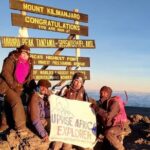
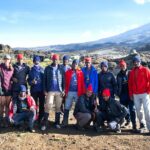
Kilimanjaro is one of those trips where the people really change your experience. The strongest praise in this operator’s circle is about responsiveness and friendly competence—especially from Oscar (the owner) and guides like Saul.
On the mountain, you’re relying on the guide’s judgment for pacing and route decisions and on porters and the chef team for daily consistency. The plan includes crew-led wake-ups and planned camp timing. The cook provides hot drinks and setups like boiled drinking water, which matters more than it sounds when you’re tired and cold.
You’ll also feel the team during summit day logistics: leaving at midnight, moving in darkness with headlamps, and arriving at Stella Point before sunrise. That kind of precision doesn’t happen by accident.
And yes, tips matter here. The trek is built around a local mountain crew, and the Day 7 closure gives you a real moment to thank them properly.
Who should choose this private 7-day trek (and who should rethink it)
This trek is best for you if:
- You want a private experience rather than joining a larger shared group
- You’re physically prepared for a 7-day climb that includes a tough scramble day and a midnight summit push
- You appreciate structured acclimatization (Lava Tower, then Barranco/Karanga staging)
- You’d rather focus on walking and decision-making than coordinating equipment and daily camp details
It may not be a great fit if you’re not comfortable with steep, hand-assisted terrain on Barranco Wall or with long, cold nights on summit day. Also, the operator notes that travelers should have strong fitness, and children under 15 need special requirements.
If you want the kind of Kilimanjaro trip where the plan is doing real work for you—meals, tents, crew, acclimatization rhythm—this setup aligns well.
Should you book this 7-day private Kilimanjaro climb?
I’d consider booking this if your priority is a well-run private climb from Moshi with full crew support and a summit plan built around sunrise timing. The price may feel steep, but when you include tents, meals, crew salaries, and pre/post accommodations, it looks like you’re paying for fewer unknowns and more daily structure.
Book it if you can commit to fitness and patience—especially for Barranco Wall and the midnight push. If you hate steep scrambles or you’re unsure you can handle the mental load of high-altitude trekking in the dark, I’d think twice and talk to a doctor first.
If your goal is a Kilimanjaro climb that feels personal, organized, and genuinely memorable, this is the kind of trip that delivers.
FAQ
Is this a private Kilimanjaro trek?
Yes. This is listed as a private tour/activity, meaning only your group participates.
Where does the trek start?
The experience is based in Moshi, Tanzania, and you’re driven to Machame Gate to begin the climb.
How long is the trek?
It’s about 7 days.
What route does the climb use?
It follows the Machame route up through Shira and Lava Tower, then Barranco and Karanga, onward to Barafu for the summit push, and finally descent via Mweka Gate.
What time do you start the summit day?
You receive wake-up tea at 11:30 pm and depart at midnight for the summit attempt.
Are meals and tents included?
Yes. Food and tents are included, along with breakfasts, lunches, and dinners listed across the days.
What’s not included in the price?
Personal climbing gear (if you need it), guide and porter gratuities, personal travel/baggage insurance, telephone bill, and laundry are not included.
Is pickup included?
Pickup is offered.
What if the climb can’t happen due to weather?
It requires good weather. If canceled due to poor weather, you’ll be offered a different date or a full refund.