REVIEW · MOSHI
8 Days Guided Private Trekking in Mount Kilimanjaro
Book on Viator →Operated by Spirit of Kilimanjaro · Bookable on Viator
Kilimanjaro is a long game. This 8-day private trek from Moshi focuses on smart pacing, real mountain expertise, and hands-on support as you climb toward Uhuru Peak.
What I like most is the private setup with small group attention, not a cattle-car vibe. I also like the clear, step-by-step acclimatization rhythm built into the route, including the high point at Lava Tower and the fun-but-firm test of Barranco Wall.
One consideration: the summit day is a brute. You’ll start before sunrise, then hike a long, steep stretch and descend afterward, so plan for a very demanding day even if you feel great during the earlier stages.
In This Review
- Quick hits before you tackle Kilimanjaro
- Starting in Moshi: Londorossi Gate and your first rainforest miles
- Shira 1: when rainforest gives way to moorland
- Shira 2 and the alpine desert feeling at altitude
- Lava Tower, then Barranco Wall: confidence-building altitude work
- Karanga and Barafu: rocky country and the calm before the push
- Uhuru Peak before sunrise: the demanding long day that matters
- Mweka Gate finish: rainforest descent and summit certificates
- Guides, safety, and why private pacing can change your odds
- What you get for the money: meals, lodging, and the value math
- Price and logistics: what to budget beyond the $2,310
- Who should book this trek, and who should think twice
- Should you book this 8-day Kilimanjaro trek?
- FAQ
- FAQ
- Where does this Kilimanjaro trek start and end?
- How long is the trek, and when should I expect to be hiking?
- What is the price per person?
- Is this a private tour?
- What’s included in the tour price?
- Do I need a visa for Tanzania?
Quick hits before you tackle Kilimanjaro
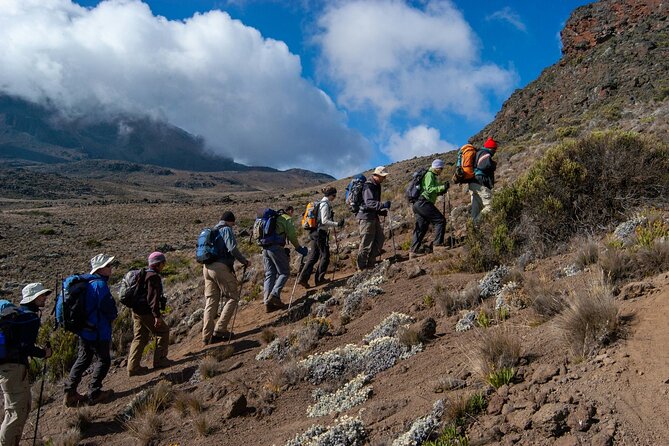
- Private group care from Moshi: Pickup is offered, and your trek ends back at the same meeting point.
- Londorossi Gate start: You’ll register at the gate, then ease in on forest trails before altitude ramps up.
- Lava Tower acclimatization: You climb to around 4,600 meters, then go back down to keep your body adapting.
- Barranco Wall challenge: Today is shorter than summit day, but it’s the kind of climb that sharpens your confidence.
- Barafu rest before Uhuru Peak: A quick final push puts you in position for an early summit attempt.
- Uhuru Peak timing + Mweka Gate finish: Up early, down long, then certificates in the rainforest on the last day.
Starting in Moshi: Londorossi Gate and your first rainforest miles
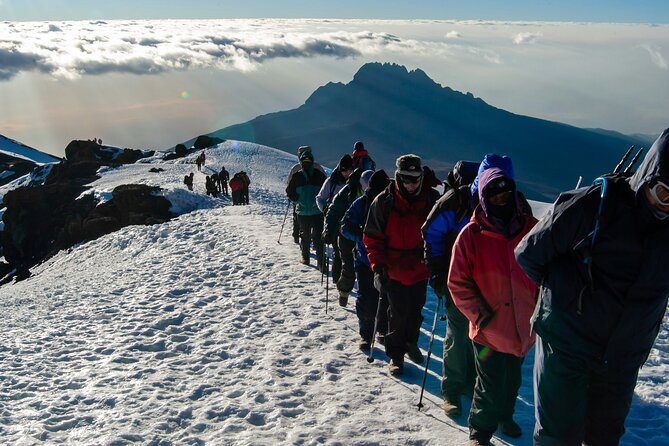
Most Kilimanjaro treks start feeling real the moment you leave Moshi. This one begins at Panama Garden Resort Tanzania on Shanty Town Road, with pickup offered so you don’t have to wrestle with transport on day one. You’re also told you’ll get a mobile ticket, which helps keep the logistics stress low.
Day 1 takes you to Kilimanjaro National Park for registration at Londorossi Gate. Then the walking begins through rainforest, with an easy intro pace (about 6 km). You’ll sleep at Mti Mkubwa (Big Tree) Camp, around 2,750 meters. This camp height matters because it gets you into the altitude conversation without throwing you into thin air right away.
Practical tip: rainforest days can feel warmer and wetter than you expect. Dress in layers you can vent, and use your first day to dial in how often you drink—don’t wait until you feel thirsty.
You can also read our reviews of more tours and experiences in Moshi.
Shira 1: when rainforest gives way to moorland
On Day 2, the trail keeps climbing and the habitat changes. You transition from rainforest into the moorland zone, and the terrain becomes more rugged. The hike is about 8 km, and you end at Shira 1 Camp at roughly 3,505 meters.
This day is a nice setup because it’s long enough to feel like you’re trekking, but not so punishing that your body has no time to adjust. Also, the route gives you big, volcanic-looking views as you gain altitude, which is a morale booster when your legs start negotiating with your brain.
What to watch for: by this point, your breathing may change, even if you’re walking slowly. If you tend to rush when you get excited, remind yourself that Kilimanjaro rewards patience.
Shira 2 and the alpine desert feeling at altitude
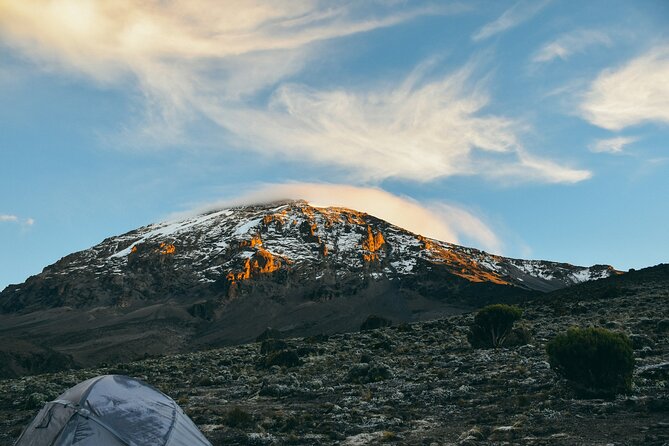
Day 3 shifts the scenery again. You hike around 7 km to Shira 2 Camp at about 3,850 meters. It’s relatively short on paper, but the air feels thinner, and the landscape moves toward an alpine desert vibe.
This is a good day to practice quiet trekking. I like days like this because you can focus on steady steps, not grind yourself into red-lining. Shorter distance plus higher altitude is a common formula on Kilimanjaro, and it’s designed to support acclimatization.
Consideration: if you get nauseous with altitude, Day 3 can be when symptoms show up. Keep sipping water regularly and tell your guide early if anything feels off.
Lava Tower, then Barranco Wall: confidence-building altitude work
Day 4 is one of those days that feels like two treks in one. First, you climb to Lava Tower at roughly 4,600 meters, then you descend to Barranco Camp around 3,960 meters. Total distance is about 10 km, so it’s not huge, but it’s busy.
And yes, the Barranco Wall is a highlight. It’s the kind of climb that’s short but requires effort and good foot placement. The payoff is mental: once you’ve tackled that wall, the summit day doesn’t feel like an alien planet anymore.
Why this day is valuable: the Lava Tower climb helps acclimatization, but the descent to Barranco helps you recover rather than keep stacking altitude with no break.
Karanga and Barafu: rocky country and the calm before the push
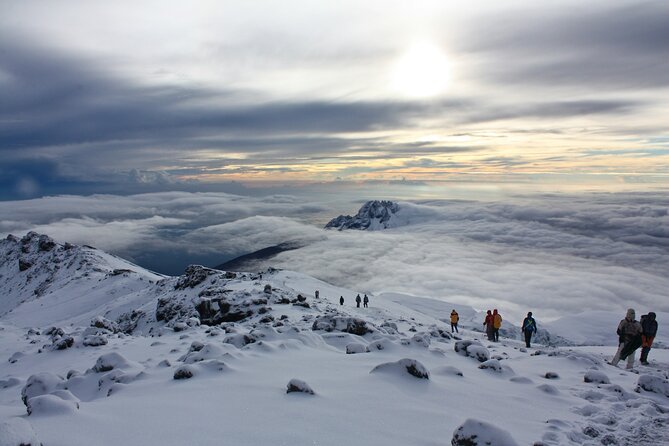
Days 5 and 6 are about positioning your body for summit day.
Day 5 climbs to Karanga Camp at about 4,035 meters. The hike is around 4 km, and you’ll get strong panoramic views in the alpine, rocky setting. Even though it’s short, it’s working altitude in your system.
Day 6 then moves you to Barafu Camp at roughly 4,600 meters. This leg is about 3 km and is described more as the base setup for summit day than a big walking day. That’s the point. You need time to rest, prepare, and conserve energy for the next morning.
How you’ll feel: these days can feel strangely easy at first, which can trick you into spending energy unnecessarily. Save your strength. Use the camp time for rest and hydration.
Uhuru Peak before sunrise: the demanding long day that matters
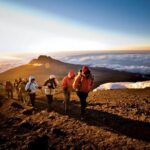
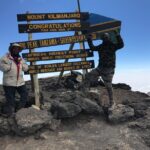
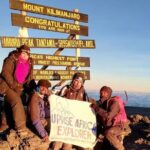
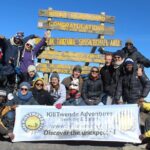
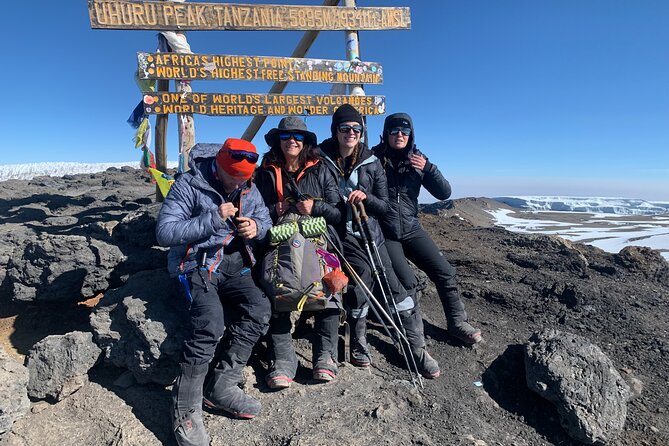
Day 7 is the heart of the Kilimanjaro experience. Your summit attempt starts in the early hours, before sunrise, heading toward Uhuru Peak, the highest point in Africa. After the summit celebration, you descend to Mweka Camp around 3,100 meters.
This is a long day: about 18 km total, with the hardest portion happening before dawn. If you’re the kind of person who pushes hard because you hate waiting, practice restraint now. On summit night, speed doesn’t equal success. Breath control and steady stepping do.
Guide support is a big deal here. In recent climbs with this company, guides like Joseph, Swahele, Zac, and even William have shown up in people’s stories, including mixed-age groups with a 70-year-old father. That’s a clue to the kind of coaching you can hope for: pacing that fits different bodies, not one rigid move.
One more thing: porters are part of your team. In past groups, the camp atmosphere has stayed upbeat because porters kept things light even when the work was serious. That matters on summit night more than most people admit.
Mweka Gate finish: rainforest descent and summit certificates
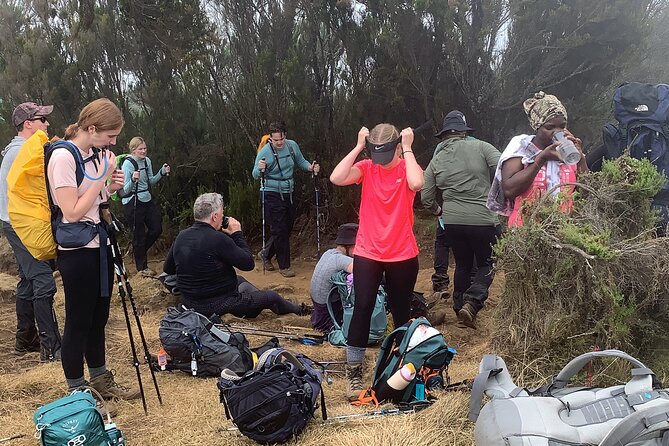
Day 8 is a relief day that still requires effort. You descend from Mweka Camp to Mweka Gate, about 10 km, passing back through the lush rainforest zone. When you reach the gate, you get your summit certificates, then you bid farewell to your guides and porters.
The logistics end back at the meeting point. It’s a simple finish that lets you recover quickly rather than scrambling for transport right after the trek.
What I love about the last day: the forest feel. After days of changing terrain and thinner air, you come out to something more forgiving underfoot. It also gives you a mental close—your effort has a place to land.
Guides, safety, and why private pacing can change your odds
This trek is built around safety and comfort, and the route includes an acclimatization schedule aimed at increasing your chance of reaching the summit. I take that seriously because Kilimanjaro is not only physical. It’s also decision-making: when to push, when to slow, and how to watch altitude effects.
The private setup matters too. With only your group participating, you get more direct attention from your guide team. That can mean faster answers, better checking in, and fewer awkward moments where you feel like you’re constantly trying to keep up with someone else’s pace.
If you’re traveling with mixed fitness levels or older hikers, this type of team support is especially important. The information you have points to flexible coaching, and real examples include multi-generation groups reaching the summit despite age concerns.
What you get for the money: meals, lodging, and the value math
At $2,310 per person for 8 days, you’re paying for a full guided experience with the structure that Kilimanjaro demands. Here’s what’s explicitly included:
- Tour guide
- Accommodations
- Meals: breakfast (8), lunch (8), dinner (7)
- Pickup is offered, and the tour ends back at the meeting point
Park admission tickets are listed as free, and you’re doing the official registration process at the gate during the trek. The overview also highlights top-notch gear and a planned acclimatization rhythm. Even when gear specifics aren’t listed line-by-line, the intent is clear: the operator isn’t trying to reduce your climb to a DIY exercise.
Value check: most people don’t get far without porters, planning, and consistent food and sleep. In other words, you’re not just buying a route on a map. You’re buying the operating system that keeps you moving and nourished at altitude.
Price and logistics: what to budget beyond the $2,310
The big line item is the trek price itself, $2,310 per person. What’s not included is visas, so that’s the one clear external cost called out in the details you have.
Also, the meeting point is in Moshi, and the trek ends back there. That usually means your biggest extra costs are getting yourself to Moshi and back, plus any personal travel expenses. The trek itself is tightly packaged in terms of meals, camps, and guiding.
If you like clarity, this is the kind of trip where you can see what’s covered without guessing.
Who should book this trek, and who should think twice
Most travelers can participate, but Kilimanjaro still has firm demands. This route has a summit attempt early on Day 7 and includes high camps like Barafu at about 4,600 meters. Distances aren’t all huge every day, but the altitude and the cumulative effort are real.
This trek fits you if:
- You want a private group and more personal attention
- You appreciate acclimatization built into the day-by-day plan
- You’re motivated by the classic mountain arc: rainforest to moorland to alpine zones, then back down through forest
Think twice or ask more questions before booking if:
- You know you struggle with altitude symptoms
- You need a trip that avoids very long summit-day effort (the route totals about 18 km on Day 7)
Should you book this 8-day Kilimanjaro trek?
I’d book it if you want a guided private climb that’s serious about safety, uses altitude-aware pacing, and doesn’t treat summit day like a random gamble. The route structure—from Londorossi Gate to Mweka Gate—gives you multiple altitude checkpoints that help your body adapt.
If you prefer group travel where you’re absorbing other people’s pace, this private format might cost more than you want. But if your priority is support, structure, and a smoother climb experience, the pricing plus inclusions can feel fair.
FAQ
FAQ
Where does this Kilimanjaro trek start and end?
The trek starts at Panama Garden Resort Tanzania on Shanty Town Road in Moshi. It ends back at the same meeting point.
How long is the trek, and when should I expect to be hiking?
It’s listed as 8 days (approximately). The itinerary includes a summit attempt on Day 7 and a final descent to Mweka Gate on Day 8.
What is the price per person?
The price is $2,310.00 per person.
Is this a private tour?
Yes. It’s a private tour/activity, so only your group participates.
What’s included in the tour price?
Included items are the tour guide, accommodations, and meals: breakfast (8), lunch (8), and dinner (7).
Do I need a visa for Tanzania?
Visas are not included, so you’ll need to arrange that separately.