REVIEW · MOSHI
7 Days Kilimanjaro Trekking Machame Route
Book on Viator →Operated by Kiwoito Africa Safaris · Bookable on Viator
Kilimanjaro on Machame is a real test. This 7-day plan mixes steep hiking with smart acclimatization and tent camping across changing habitats. It’s popular for good reason: gate-to-gate it covers about 62 km (37 miles), and the views come with the effort. The main drawback is simple: Machame asks for solid fitness and some hiking experience, plus a day with scrambling on rocky terrain.
I also like how the schedule focuses on getting your body ready for summit night. You’ll do the classic height work—moving up, then resetting—so the tough push feels more manageable. And the support team matters here; multiple trekkers highlighted guide Sebastiaan Shirima and the crew for staying professional and encouraging. Just note: conditions can make the summit sunrise unpredictable, so you’ll want to stay flexible about weather.
In This Review
- Key Things I’d Bet You’ll Care About
- Why the Machame Route Feels Like Real Mountain Climbing
- Getting to Moshi and Settling In Before Day 1
- Day 1 in the Montane Forest: Machame Gate to Campsite
- Day 2 to Shira 2 Camp: Leaving the Forest for Moorland
- Day 3: Shark’s Tooth (Lava Tower), the Arrow Glacier Zone, and Acclimatization
- Day 4: Barranco Wall Scramble to Karanga Camp
- Day 5: The Shorter Day Before the Big Push (Karanga to Barafu)
- Day 6: Midnight Summit Push, Stella Point Sunrise, and Uhuru Peak
- Day 7: Descent to Mweka Park Gate, Certificates, and the Trip Back to Arusha
- Guides, Team Support, and the Human Side of Machame
- What to Expect on the Trail: Altitude, Terrain, and Comfort Tradeoffs
- Price and Value: Is $2,500 Fair for This Machame Plan?
- Who This Trek Fits Best (and Who Might Reconsider)
- Should You Book This 7-Day Machame Trek?
- FAQ
- What is the duration of the 7 Days Kilimanjaro Trekking Machame Route?
- Where does this trek start and what time do you meet?
- How long is the Machame route from gate to gate?
- What kind of accommodation do you use on this trek?
- Is the Machame route steep and difficult?
- Do you do a summit push at night?
- Where do you stop for sunrise and at what altitude?
- Does the tour include park admission tickets?
- What happens after the summit on the last day?
- What is the cancellation policy?
Key Things I’d Bet You’ll Care About
- Machame steepness: longer uphill stretches than gentler routes, so pace and fitness matter
- Tent nights: you trade hut comfort for the classic mountain-camp experience
- Real acclimatization rhythm: you gain elevation, then adjust, then climb again
- The signature moves: Barranco Wall scrambling and the Lava Tower Shark’s Tooth area
- Sunrise at Stella Point (18,600 ft): a highlight when weather cooperates
Why the Machame Route Feels Like Real Mountain Climbing
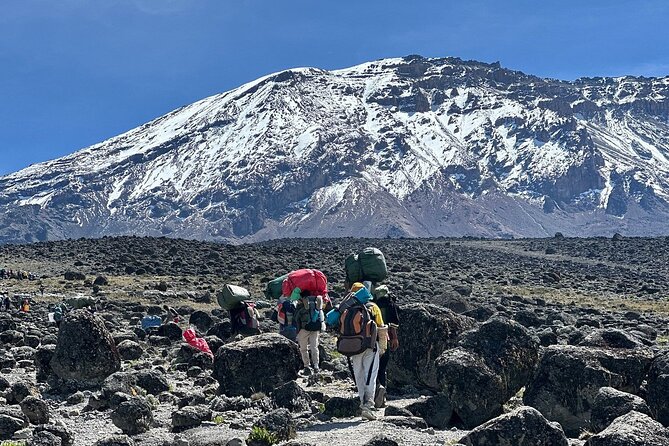
Machame is the one many people picture when they think about Kilimanjaro trekking. The route is known for steeper trails and longer stretches where you work your lungs. That matters because you’re not just doing a hike—you’re training your body to handle sustained altitude effort.
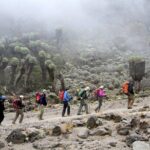
The payoff is variety. You go through montane forest, moorland, semi-desert, high alpine zone, and back toward rain forest during the descent. That habitat change is more than scenery. It’s also why Machame feels different from day to day: you’re dressing for changing temperatures and adjusting to different footing.
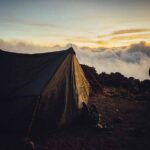
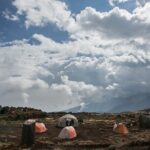
You’ll also sleep in tents, not huts. For some trekkers, that’s the reason to choose Machame. It feels more like a mountain expedition than a hotel-in-the-sky situation. For others, it’s a consideration, since tent nights mean you need to be comfortable with basic camp life.
You can also read our reviews of more tours and experiences in Moshi.
Getting to Moshi and Settling In Before Day 1
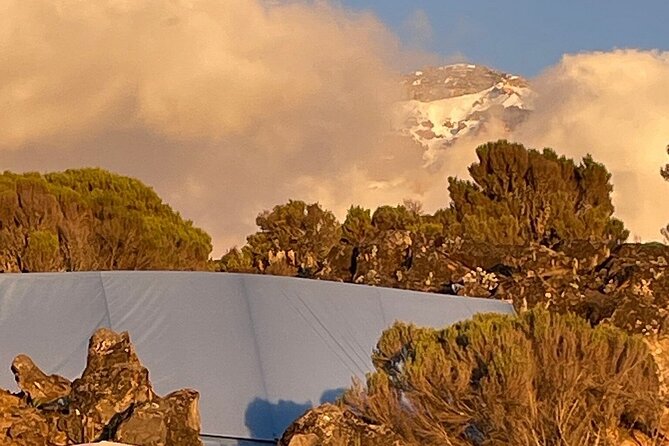
This trek is based out of Moshi, Tanzania. You’ll start with pickup offered, and your plan includes a mobile ticket. Start time is listed as 7:00 am, so you should expect an early start energy.
Before you begin hiking, you’ll transfer to Machame Gate to sign up. That first step is practical and useful. It helps you confirm you’re on the right track and ready for the climb. It also sets expectations: Kilimanjaro starts with paperwork and a quiet kind of anticipation, not with dramatic views out of the gate.
If you’re the type who likes clear structure, you’ll appreciate the way day one begins with a direct transfer and a straightforward schedule—breakfast, gate check-in, then right onto the trail.
Day 1 in the Montane Forest: Machame Gate to Campsite
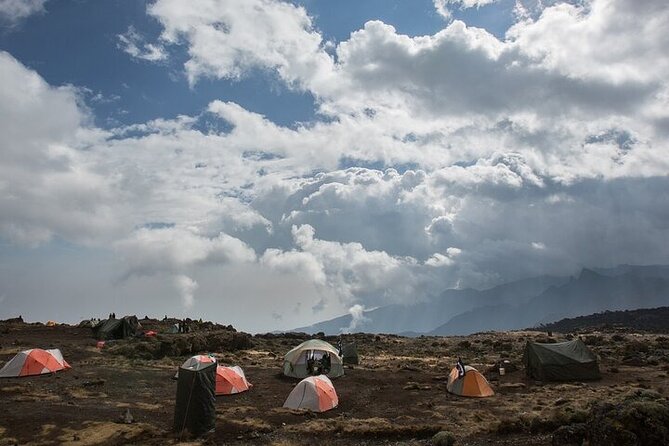
Day 1 is all about getting your legs going and your body adapting to the altitude. You begin around 3,000m, hike about 11 km over 5 to 7 hours, and move through montane forest. This is your warm-up day in the sense that it’s your introduction to the mountain rhythm.
The trail goes from the gate area into forest, then toward Machame Campsite where you’ll set up camp for dinner and the night. This day tends to feel steady rather than crushing, but don’t treat it like an easy stroll. Even early on, you’re walking at elevation, and your pace is your tool.
A small but important tip: keep your effort controlled. The forest can make you feel like you’re moving at normal hiking speed, but altitude changes the rules.
Day 2 to Shira 2 Camp: Leaving the Forest for Moorland
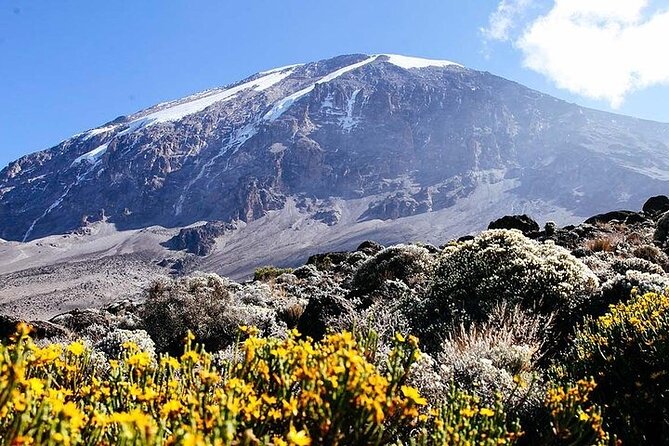
On day 2, you’ll ascend and begin leaving the rainforest behind. The hike is listed at 9 km with 4 to 6 hours of walking. You’ll also climb from about 3,000m to roughly 3,850m, so think of it as a meaningful step up rather than just another day of travel.
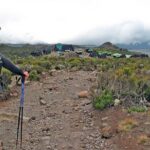
Expect steep sections, a rocky ridge, heather, and then moorland as you reach the Shira Plateau area. The day also includes crossing a large river gorge to Shira 2 Camp, then continuing to Shira Campsite for dinner and sleep.
This day can feel mentally busy because you’re changing terrain often. One moment you’re on ascending ridges; next you’re moving across moorland. That’s normal on Machame. Your job is to keep your breathing steady and your pace consistent.
Day 3: Shark’s Tooth (Lava Tower), the Arrow Glacier Zone, and Acclimatization
Day 3 is where Kilimanjaro starts looking like Kilimanjaro. You’ll continue from the Shira Plateau up along a ridge, passing the junction toward the Kibo area, then turning toward the Lava Tower called Shark’s Tooth.
After that, you’ll reach the Arrow Glacier at about 16,000 ft, then continue down to Barranco Hut at about 13,000 ft. The key point: even if your elevation at the end of the day isn’t dramatically higher, the day is valuable. It’s part of the acclimatization process that helps you handle summit night.
The schedule also notes that the Shira-to-Lava Tower-to-Barranco plan runs through about 10 km and 6 to 8 hours total. The habitat here is listed as semi desert, which usually means drier air, more open views, and a different kind of exertion than you had in the forest.
If you like understanding why you’re doing something, this is one of the days that makes sense. Your body gets a taste of higher altitude, then you descend so it can recover.
Day 4: Barranco Wall Scramble to Karanga Camp
Day 4 is a standout day because it’s physically and technically more demanding than the first few days. After breakfast, you hike the steep Barranco Wall, described as a 257-meter rock face. The note says basic scrambling skills are helpful, and you’ll likely feel it.
Once you get past that wall, the trail follows a series of inclines and declines as you head toward Karanga Camp at 3,960 meters. Distance is listed as 7 km with about 7 hours hiking time. Habitat is the high alpine zone, so conditions can feel colder and tougher on the body.
One drawback to flag: if you’re not comfortable with rocky scrambling, this could feel intimidating. The good news is that the day is structured, and you have a full trekking team with you. Still, be honest with yourself about your comfort level before you book.
That night at Karanga Camp sets up your rhythm for the final approach toward Barafu.
Day 5: The Shorter Day Before the Big Push (Karanga to Barafu)
Day 5 is designed as a reset. It’s listed as a shorter and easier day, about 6 km and around 3 hours of hiking. You start at Karanga Camp and join the route up toward the base camp area at Barafu (4,680m).
You’ll likely feel a mix of emotions here. Physically, it can feel like a break. Mentally, it’s a pause right before summit night, so your focus matters. The plan explicitly recommends easy hiking so you can relax and prepare for the summit push.
This is also where you should pay attention to how you sleep. Poor rest can hurt more at this stage than it did earlier. Don’t underestimate the value of keeping your day low-stress.
Day 6: Midnight Summit Push, Stella Point Sunrise, and Uhuru Peak
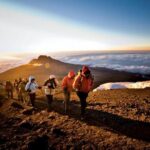
This is the day most people plan for, and it starts very early—between midnight and 2:00 am. You’ll hike toward the summit between the Rebmann and Ratzel Glaciers. The early start is non-negotiable on this schedule, and you’ll feel it in your energy level.
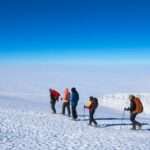
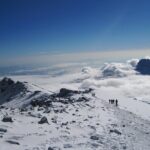
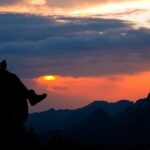
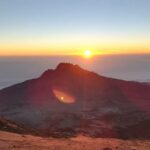
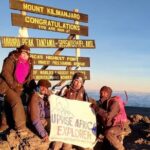
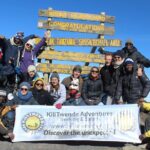
You stop at Stella Point (18,600 ft) for a short rest, and the program calls out one of the biggest rewards: the sunrise, when weather permits. From there, there’s about a 1-hour ascent to the summit, and snow may be present depending on conditions.
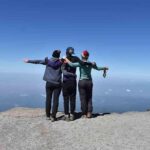
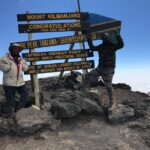
At Uhuru Peak, you reach the highest point on Mount Kilimanjaro and the highest point in Africa. After that, you descend straight down toward Mweka Hut Campsite, with a stop at Barafu for lunch.
The timing listed for this day is around 5 hours, but in real life summit days can feel longer because of altitude, weather, and how your body handles the descent. Either way, plan to move slowly, drink water as you can, and keep your steps controlled on loose gravel.
Day 7: Descent to Mweka Park Gate, Certificates, and the Trip Back to Arusha
Day 7 is about finishing smart. After breakfast, you continue descending to Mweka Park Gate to receive your summit certificates. The schedule notes that lower elevations can be wet and muddy, so this is when gaiters and trekking poles can make your life easier. Shorts and T-shirts are probably enough at lower levels, but the plan also says to keep rain gear and warmer clothing handy.
From the gate, you continue about another hour to Mweka Village. Then a vehicle meets you and drives you back to your hotel in Arusha.
Distance for day 7 is listed as 10 km with 3 to 4 hours of hiking time. The habitat is listed as rain forest, which usually means humidity and a softer kind of ground underfoot compared with higher zones.
There’s a satisfying feeling to reaching the village after summit day. You’re not “climbing” anymore—you’re closing the loop.
Guides, Team Support, and the Human Side of Machame
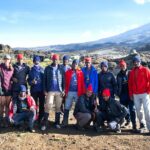
The best praise in the feedback centers on support. Multiple trekkers singled out Sebastiaan Shirima for being professional and encouraging, along with his team. You also see names like Henry, Gift, Amani, and Charles showing up in positive comments tied to motivation and smooth management.
That matters because Kilimanjaro is as much a mental game as a physical one. When you’re tired at night or your breathing feels off on ascent, encouragement helps you keep a steady pace. The notes you provided also mention a strong team at the top—guides and porters helping people reach the summit and celebrate.
There’s another practical detail: at least one trekker said there were not too many people. If you care about a less crowded feel, that’s a good sign, though your exact group size can still vary with season.
What to Expect on the Trail: Altitude, Terrain, and Comfort Tradeoffs
This plan is not described as a relaxed stroll, and you can feel that in the altitudes and trail style. You’ll start around 3,000m and reach the highest points above 18,000 ft during summit night. The Machame route is designed for physically fit hikers with some hiking experience.
Here are the terrain moments to think about:
- Steep rocky sections early on after the rainforest
- Moorland and semi-desert travel with longer exposure
- Barranco Wall scrambling, where basic scrambling skills help
- Loose gravel on descent, especially after summit night
- Possible mud and wet conditions on the final descent
For packing guidance, the plan specifically recommends:
- Gaiters and trekking poles for wet/muddy lower sections and loose gravel
- Rain gear and warmer clothing kept accessible
- Shorts and t-shirts likely enough at lower elevations
You’ll also be sleeping in tents. That’s part of the experience, but you should plan like you’re in cold-air conditions at altitude even if days feel sunny.
Price and Value: Is $2,500 Fair for This Machame Plan?
At $2,500 per person, you’re paying for a structured 7-day route on Kilimanjaro’s Machame track, with listed inclusions that matter. The schedule states pickup is offered, you get a mobile ticket, and admission tickets are included (marked as included across the days).
You’re also not doing this as a big public group. The tour is private, meaning only your group participates. That’s often where the value shows up: more direct attention, fewer coordination problems, and a calmer experience for hikers who don’t want a crowded trail dynamic.
What you should consider is that Machame is physically demanding. If you’re on the edge of fitness, you might feel every extra kilometer and every steep rocky section more than you expect. That can turn a great deal into a rough week. In that case, you’d want to be extra serious about pacing, hydration, and rest.
Based on the feedback themes—professional guidance, strong team support, and good organization—this price looks aimed at delivering real help rather than just moving you from point A to B.
Who This Trek Fits Best (and Who Might Reconsider)
This Machame plan is a strong match if you’re:
- Physically fit with some hiking experience
- Comfortable with steep climbs and uneven rocky trails
- Willing to do a midnight-to-early-morning summit schedule
- Interested in tent camping and changing habitats over 7 days
You might reconsider if you:
- Don’t feel confident with basic scrambling (Barranco Wall is the key day)
- Struggle with early starts or expect to control the pace for long periods
- Want a gentler, hut-based route style instead (Machame is described as steeper and tent-based compared with Marangu)
The good news: day-to-day pacing and acclimatization are built into the schedule, including an acclimatization day that ends around similar elevation to support summit readiness.
Should You Book This 7-Day Machame Trek?
If you want the Kilimanjaro experience many hikers dream about—steeper trails, big habitat changes, tent nights, and a serious summit push—this Machame plan is a practical choice. The strongest reasons to book are the emphasis on acclimatization and the repeated praise for guide support, especially Sebastiaan Shirima and the wider team.
I’d book if you’re ready to work. I’d think twice if you’re looking for an easy walk with minimal altitude stress and no scrambling.
One final decision check: can you commit to pacing yourself and respecting the summit timing, even when you’re tired? If yes, you’ll likely get the most out of Machame.
FAQ
What is the duration of the 7 Days Kilimanjaro Trekking Machame Route?
It’s about 7 days.
Where does this trek start and what time do you meet?
You start from Moshi with pickup offered, and the start time is listed as 7:00 am. Day 1 includes a transfer to Machame Gate for signing up.
How long is the Machame route from gate to gate?
It’s approximately 62 km (37 miles) from gate to gate.
What kind of accommodation do you use on this trek?
You sleep in tents on the Machame route.
Is the Machame route steep and difficult?
Yes. It is described as steeper with longer distances than the Marangu route and it’s designed for physically fit people with some hiking experience.
Do you do a summit push at night?
Yes. Day 6 starts between midnight and 2:00 am to reach the summit.
Where do you stop for sunrise and at what altitude?
You stop at Stella Point at 18,600 ft for a short rest and sunrise, weather permitting.
Does the tour include park admission tickets?
Admission tickets are marked as included.
What happens after the summit on the last day?
You descend to Mweka Park Gate for summit certificates, then continue to Mweka Village. A vehicle meets you there and drives you back to your hotel in Arusha.
What is the cancellation policy?
Free cancellation is available up to 24 hours in advance for a full refund. Cancel less than 24 hours before the start time and the amount is not refunded.