REVIEW · SA PA
2-Day Fansipan Mountain Trek – Indochina’s Highest Peak
Book on GetYourGuide →Operated by Vietnam Nomadtrails · Bookable on GetYourGuide
Fansipan is a long climb with a big payoff. This 2-day guided trek from Sa Pa to Vietnam’s highest peak takes you from pine and bamboo forests to a summit sunrise, with hot meals and a local guide explaining life along the mountain.
I love the English-speaking guide and the way the walk turns into a cultural lesson about the Black Mong, Red Dzao, and Dzay communities you’ll meet in the region. I also like that food is handled for you: two lunches, one dinner, and one breakfast, plus 1.5 liters of water per day, cooked up in a rustic mountain setting.
The main catch is physical and comfort-related. The route is steep and can be cold, with basic sleeping conditions and reports of near-freezing night temperatures, so this is not the type of trek where you can treat hiking as optional.
In This Review
- Quick hits on the 2-Day Fansipan Mountain Trek
- From Sa Pa to Tram Ton: the start that sets your pace
- Day 1: pine, bamboo, streams, and a steady rise to 2,800 meters
- What can feel harder than it sounds
- Culture on the trail: Black Mong, Red Dzao, and Dzay lessons that don’t feel forced
- Day 2 sunrise to the summit: the timing that makes it worth the early wake-up
- How the descent can test you
- Food and water: how the included meals keep you moving
- Drinks aren’t included
- Camping conditions at 2,800 meters: warm enough, or plan for cold?
- What you can do to improve comfort
- Price and value: what $120 covers, and what to budget extra
- What’s not included (and can change your budget)
- If you’re traveling solo
- Who should book, and who should think twice
- Small logistics that save energy on summit day
- Should you book this 2-Day Fansipan trek?
- FAQ
- What is the meeting point for the trek?
- What time does the trek start?
- How long is the trek?
- What time do you reach the summit on day 2?
- What meals and water are included?
- Do I get help carrying gear?
- Is camping gear included?
- Can I use a cable car instead of walking down?
- Is the trek suitable for children and people with disabilities?
Quick hits on the 2-Day Fansipan Mountain Trek
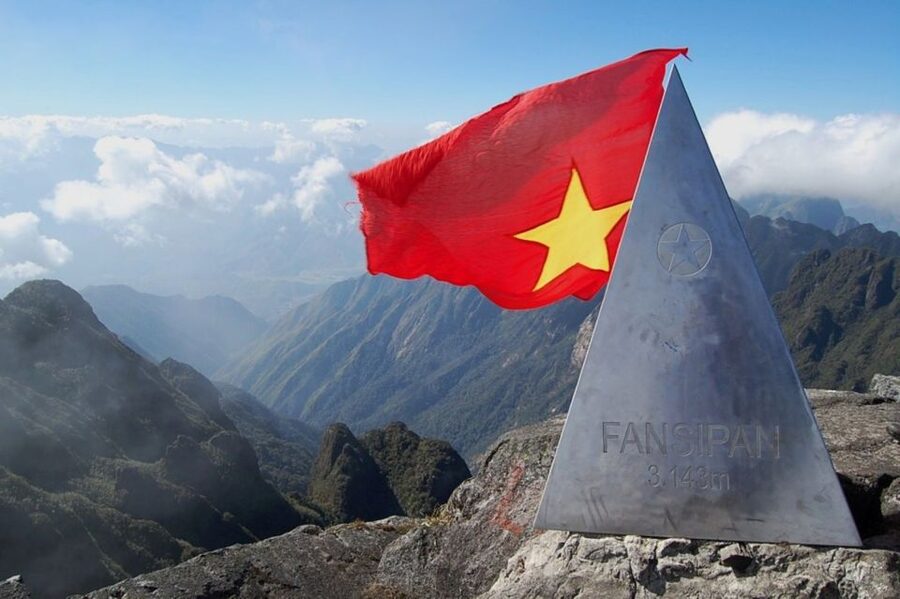
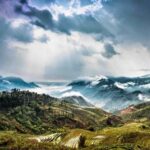
- Fansipan summit at sunrise with wide views over Sa Pa and Lai Chai Province
- Cultural context on the trail with a guide talking Black Mong, Red Dzao, and Dzay
- Porter support carrying your food and sleeping bag, so you can focus on the climb
- Real mountain rhythm: early breakfast at 5:00 AM, summit around 7:30 AM, then a long descent
- Cold-weather reality: accommodation is basic, and sleeping bags may not feel warm enough for zero-degree nights
- Cable car is an option if you need help on the descent (extra cost)
From Sa Pa to Tram Ton: the start that sets your pace
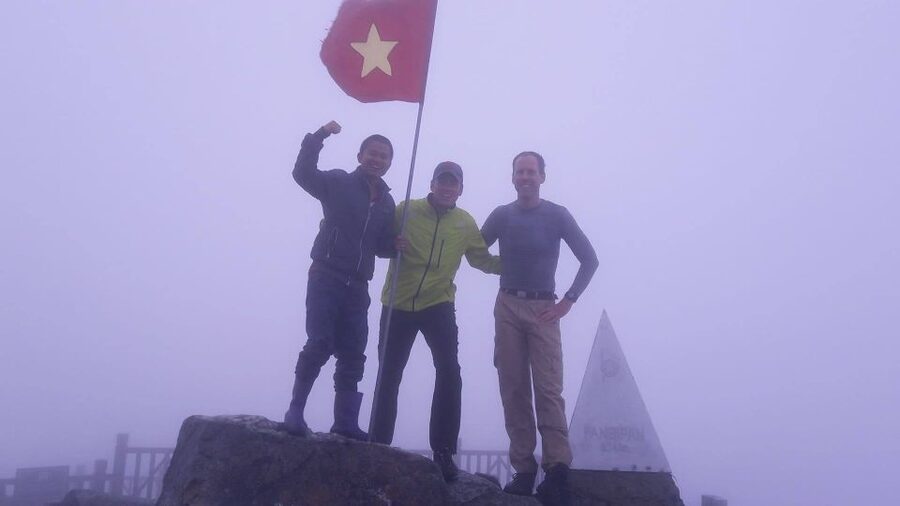
Your day begins with an organized start in Sa Pa. You meet at Vietnam Nomadtrails’ office at 8:00 AM (No 013 Tue Tinh str, Sapa town, Lao Cai). The program builds in two practical wins right away: a hot shower and a place to store your large luggage before you head up the mountain.
After that, there’s time to get your bearings in town before the real work starts. Around 9:00 AM, you’ll drive to the Tram Ton pass, the starting point for the ascent. This matters because Fansipan isn’t just a walk in the park. You’re going from cool town weather to a higher, cooler mountain environment where your energy gets managed by altitude and terrain.
One of the smarter parts of this trek is how they handle loads. You’ll get to know your baggage porter, from the Black Mong people, who carries the food and your sleeping bag. That shifts the trek from I-have-to-carry-everything to you-just-have-to-hike-well. You still need to be fit, but the logistics reduce one major source of fatigue.
You can also read our reviews of more tours and experiences in Sa Pa.
Day 1: pine, bamboo, streams, and a steady rise to 2,800 meters
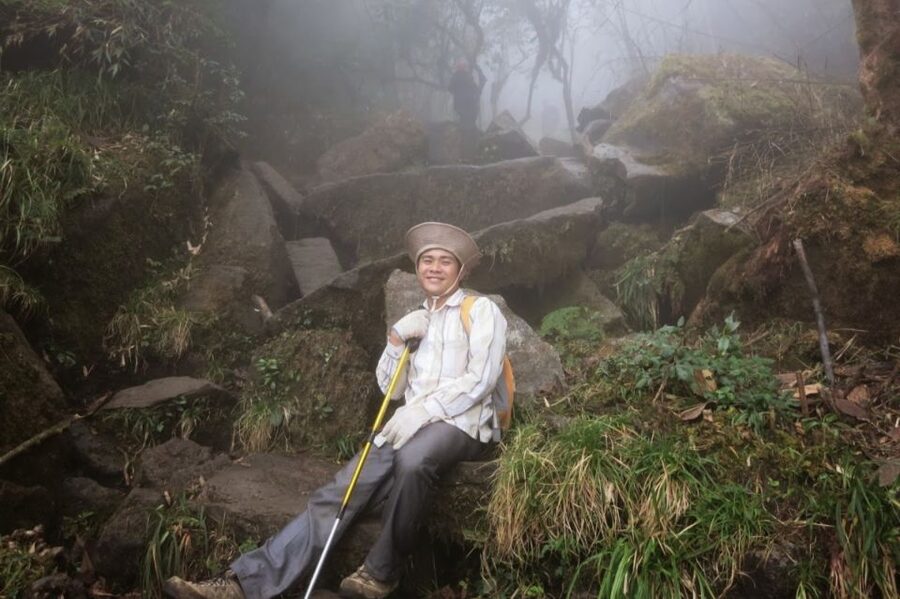
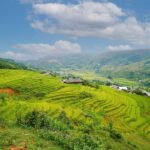
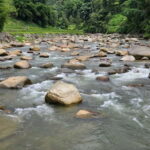
Day 1 is all about getting altitude slowly enough to keep you moving, while still feeling the climb. After starting at Tram Ton, you hike through pine and bamboo forests in a cool climate, often alongside streams. The route is described as a climb through changing forest and weather, which is exactly what you want on a 2-day trek. It prepares your body for the harder push on the next morning without exhausting you too early.
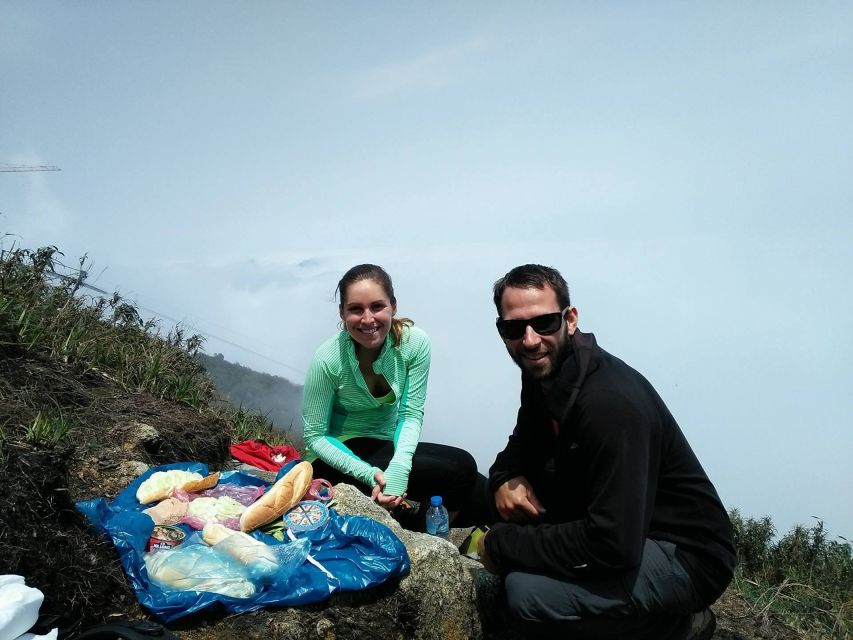
You’ll reach about 2,200 meters around noon. This is where the trek shifts from hiking to fueling. You stop for a picnic lunch prepared by your guide and porter. Eating outdoors at altitude is never just a break; it’s a chance to reset your breathing and legs before the second half of the day.
After lunch and rest, you continue upward to your sleeping point at around 2,800 meters, arriving roughly 4:00 PM. You’ll have time to rest or explore around your tent area while the guide and porter prepare dinner. Dinner is at about 6:30 PM, and then it’s early to bed. That early night isn’t a luxury. It’s a strategy, because day 2 starts before sunrise.
What can feel harder than it sounds
The trek is listed as a long climb, about 26 kilometers total. Even if you’re used to hiking, you should plan for steep sections. One review noted a track with boulders, steps, and ladders. Another mentioned cold strong enough that night temperatures fell to zero degrees. In other words: start day 1 like you’ll need your legs tomorrow.
Culture on the trail: Black Mong, Red Dzao, and Dzay lessons that don’t feel forced
Fansipan isn’t only about height. It’s also about the human landscape around Sapa. Your guide is there to add meaning to what you’re walking through, not just lead you from point A to point B.
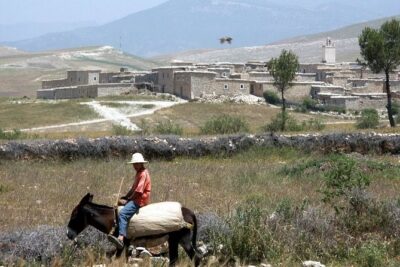
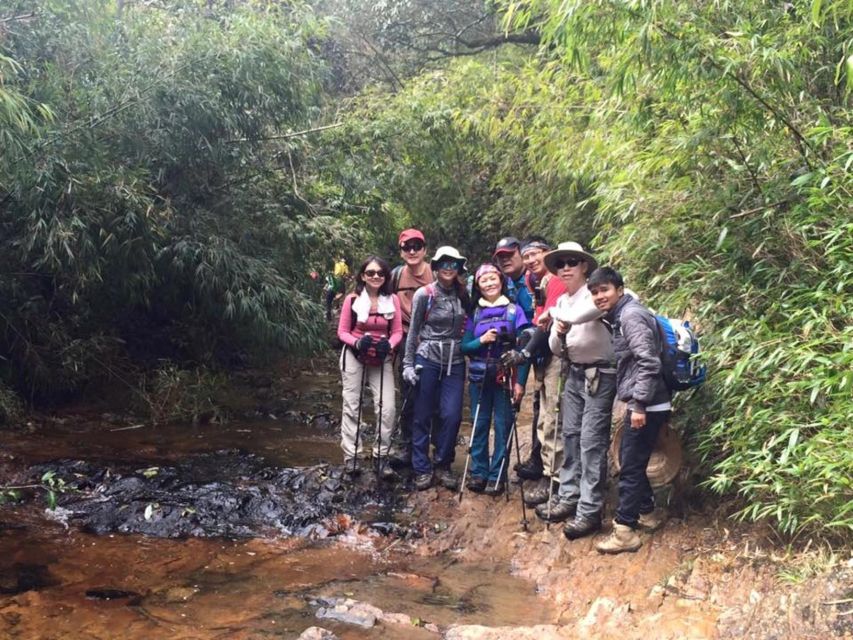
During the trek, you learn about indigenous customs and the minority communities in the area, including the Black Mong, Red Dzao, and Dzay. You’ll also see how those communities show up in the trek itself—like your porter being from the Black Mong people and carrying key items for you.
This is where the trek can feel especially valuable if you like more than photos. A guide who stops often to point out what you’re actually seeing can turn the mountain from scenery into context. In the guide feedback, names like Sinh and Cha come up for being helpful, fit, and friendly—exactly the kind of guide you want when you’re tired and your body needs encouragement.
Day 2 sunrise to the summit: the timing that makes it worth the early wake-up
Day 2 begins early, with breakfast at 5:00 AM. You’ll have hot tea or coffee to warm you before the climb. You then continue through bamboo forest, where the vegetation gradually becomes less as you approach the top. That transition matters: it’s one of the clearest “you’re getting higher” signals you’ll notice on the way to the summit.
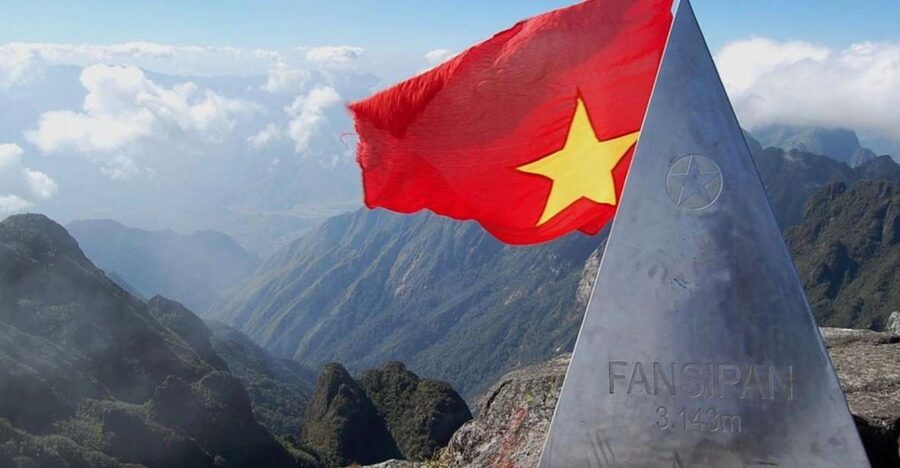
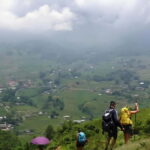
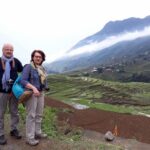
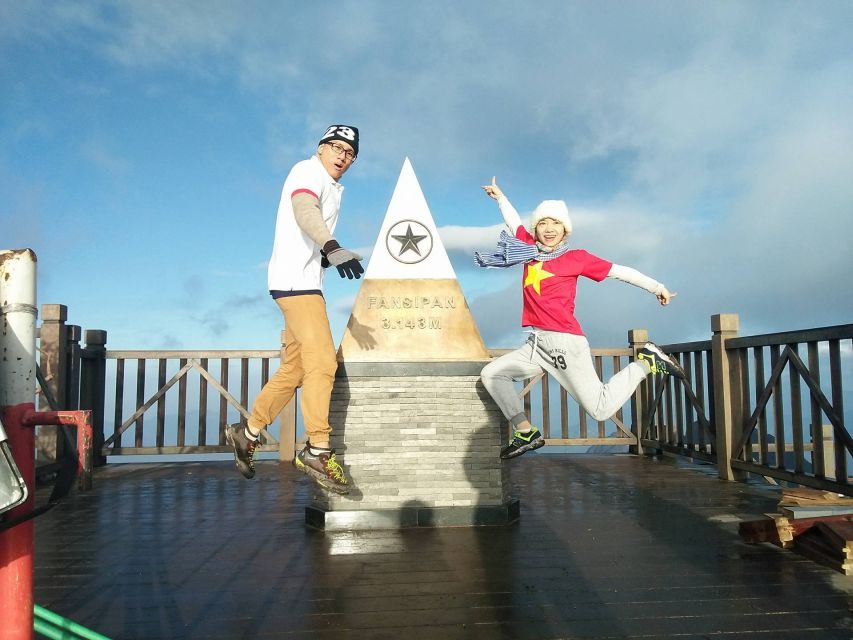
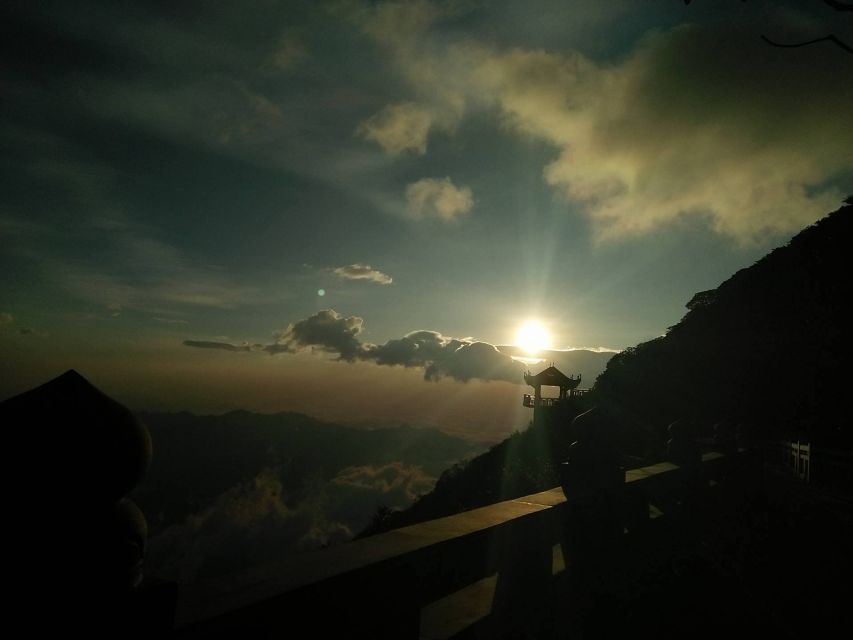
The schedule is tight in a good way. Around 7:30 AM, you arrive at the summit. The goal is sunrise views, and the payoff is not just height—it’s the feeling of being on the highest point in Vietnam. One key detail here: you’ll have time to marvel at the sunrise and then enjoy panoramic views over the valleys of Sa Pa and Lai Chai Province. In clear conditions, you can even see mountains in Yunnan Province in China.
Then the descent starts around 8:00 AM. After the summit, you’re moving fast on the timeline: picnic lunch on the way down and return to Tram Ton between 3:30 and 4:30 PM.
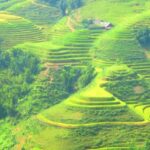
How the descent can test you
Even if summit day sounds like the big moment, the descent is where strong legs can still get punished. That steep, rocky terrain mentioned in feedback—boulders, steps, ladders—can turn your knees and calves into your limiting factor. The trek acknowledges this with an important option: if you feel tired, your guide can help you buy a cable car ticket for descent.
So the smart approach is to hike up with discipline, not hero-mode. If you think your legs might not make it, watch your energy early on day 2 so you can decide before you’re fully cooked.
Food and water: how the included meals keep you moving
The trek includes real meals: two lunches, one dinner, and one breakfast, plus 1.5 liters of water per day. That’s not just “nice to have.” On a steep trek, the difference between eating and skipping shows up fast—weak energy, bad focus, slower climbing.
You’ll eat lunch outside on day 1 at about 2,200 meters, and you’ll have another picnic lunch on the way down from the summit. Dinner happens on day 1 around 6:30 PM after you settle at about 2,800 meters. Breakfast on day 2 is around 5:00 AM with hot tea or coffee.
Based on guide performance in feedback, food is a highlight. Guides cooking in a rustic mountain setting is part of what makes this trek feel like an organized adventure rather than a solo hike with extra paperwork. One review also described varied dishes and called out the food as phenomenal.
Drinks aren’t included
One practical note: drinks are not included. So plan to rely on your provided water and any included hot drinks, then budget extra for anything else you want.
Camping conditions at 2,800 meters: warm enough, or plan for cold?
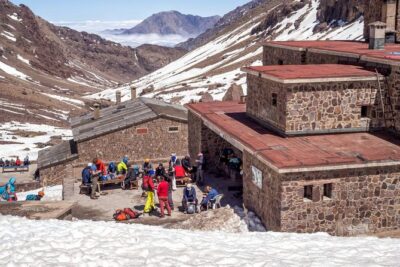
You’ll sleep at about 2,800 meters on day 1, with accommodation described as a sleeping bag, hut, or tent. That sounds straightforward, but the lived experience can be colder than you expect.
In feedback, someone reported that night temperature fell to zero degrees, and the sleeping bags weren’t equipped to cope well with that kind of cold. Their suggestion was basically: blankets would have helped. Even if your experience isn’t that extreme, it’s reasonable to treat the sleeping setup as basic, not cozy.
What you can do to improve comfort
The only way to make this trek feel easier is to prepare for cold at night and early morning. Even without knowing your specific sleeping bag rating, you can take sensible steps: wear warm layers you can sleep in, protect hands and feet, and keep your dry clothes separated from damp hiking gear. Since you’ll be hiking in bamboo forest and shifting vegetation, you can also end up with cool, damp conditions on day 1.
If you’re the kind of traveler who sleeps cold, treat this as your biggest planning point.
Price and value: what $120 covers, and what to budget extra
At $120 per person, this trek is priced like an all-in guided mountain package rather than a bare-bones hike. Here’s what you get that adds real value:
- English-speaking guide
- Permits and entrance fee
- Porter support for food and your sleeping bag
- Transport to and from Tram Ton
- Meals (two lunches, one dinner, one breakfast)
- 1.5 liters water per day
- Hot shower at the end, plus hot shower early on day 1
- Accommodation (sleeping bag, hut, or tent)
That’s a lot of operational work covered for one price. For many travelers, the time saved and the friction removed are the “value” part, not just the meals.
What’s not included (and can change your budget)
You should plan for:
- Cable car ticket if you need help descending: not included, and listed at 800,000 VND. There’s also a specific mention that if you feel tired, you can ask to buy a cable car ticket for descent for an additional 700,000 VND.
- Travel insurance (not included)
- VAT (not included)
- Drinks
- Transport from Sapa to Hanoi (on your charge after the trek)
There are also potential seasonal costs. During Lunar New Year (from 26th to 2 Feb 2025), there’s a surcharge of 70 USD per person paid at the meeting point.
If you’re traveling solo
If you book as a single traveler and want a private tour, the price listed is 230 USD.
Who should book, and who should think twice
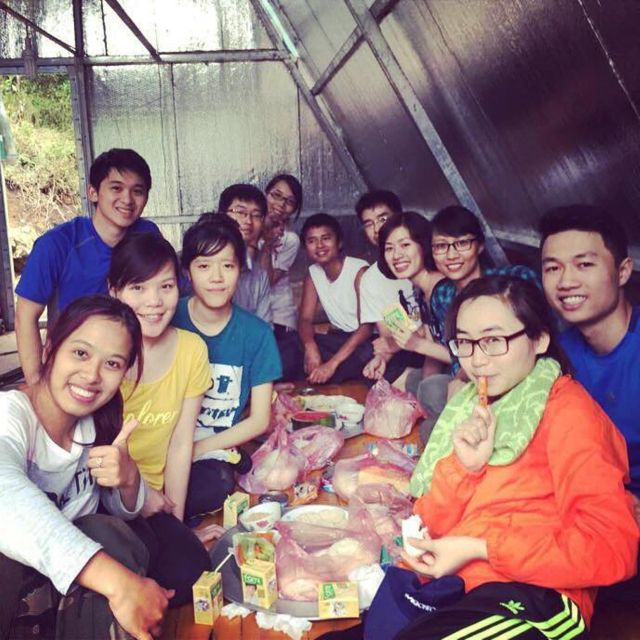
This trek is best for hikers who can handle a long, steep climb over uneven ground. It’s not just “a little hiking.” It’s described as steep and long, about 26 kilometers, and the track can include boulders, steps, and ladders.
It’s also not suitable for:
- children under 17
- people with disabilities
- travelers who might struggle with a long, physically demanding trek
Elderly travelers are advised not to do the long trek. That doesn’t mean you can’t enjoy Fansipan. It means this specific 2-day format is built for endurance and footing.
Who it suits well:
- You want sunrise on the summit and wide views as the goal
- You like guided cultural context, not only walking for photos
- You’re comfortable with basic camping and cold nights if you prepare properly
- You want the convenience of permits, meals, and porter support handled for you
Small logistics that save energy on summit day
A few details matter because they reduce stress when you’re tired.
First, know the core timing. You start from the meeting point at 8:00 AM, then drive to Tram Ton around 9:00 AM on day 1. Day 2 breakfasts around 5:00 AM, summit around 7:30 AM, and you return to Tram Ton by about 3:30 to 4:30 PM.
Second, use the cable car option if needed. If your legs are failing on day 2, you can ask your guide to buy a descent cable car ticket (extra cost). This can keep you from turning a fun adventure into a miserable grind.
Third, plan your end-of-trek day. After you return to Sa Pa, a shower is provided at the office. From there, transport back to Hanoi is on you, by bus or train.
Finally, plan around food needs. You should inform the operator about dietary requirements such as allergies or vegetarian requests ahead of time.
Should you book this 2-Day Fansipan trek?
If your idea of a great trip is a real climb with a clear reason for doing it—sunrise at Vietnam’s highest peak, guided cultural learning, and meals taken care of—you’ll probably be happy with this tour. Guides like Sinh and Cha show up in feedback for a reason: they bring energy, keep you moving, and help you make sense of what you’re walking through.
If you’re sensitive to cold, struggle with steep terrain, or want a more comfortable overnight, this may feel rough. Basic sleeping conditions and cold nights are the trade-off for getting to the summit on foot on a tight morning schedule.
My practical verdict: book it if you train your legs a little and pack for the cold. Skip it if you’re hoping for a gentle nature walk or a hotel-level sleeping setup.
FAQ
What is the meeting point for the trek?
You meet at VIETNAM NOMADTRAILS’ office, No 013 Tue Tinh str, Sapa town, Lao Cai, Vietnam.
What time does the trek start?
The meeting time listed is 8:00 AM, and the tour begins from the meeting point that morning.
How long is the trek?
It’s a 2-day trek.
What time do you reach the summit on day 2?
You arrive at the summit around 7:30 AM, with sunrise expected at that time.
What meals and water are included?
The tour includes 2 lunches, 1 dinner, and 1 breakfast, plus 1.5 liters of water per day.
Do I get help carrying gear?
Yes. A porter carries your food and sleeping bag.
Is camping gear included?
Yes. Accommodation is provided with a sleeping bag and hut or tent.
Can I use a cable car instead of walking down?
Yes. If you feel tired, you can ask your guide to buy a cable car ticket for the descent. The cost is listed as an additional 700,000 VND, and cable car tickets are not included in the base price (800,000 VND is also listed).
Is the trek suitable for children and people with disabilities?
No. It is not suitable for children under 17, and it is not suitable for those with disabilities. Elderly people are advised not to do the long trek.