REVIEW · LAKE SEGARA ANAK
Mount Rinjani Trek 3D-2N To Summit – Lake – Hotspring
Book on GetYourGuide →Operated by Cakrawala Rinjani Trekking · Bookable on GetYourGuide
Rinjani sunrise is the main event here. I love the way this trek chases summit views and then cashes them in again at camp with orange light sweeping Lombok and beyond. The route is built for strong hikers who want a real challenge, not a casual hike.
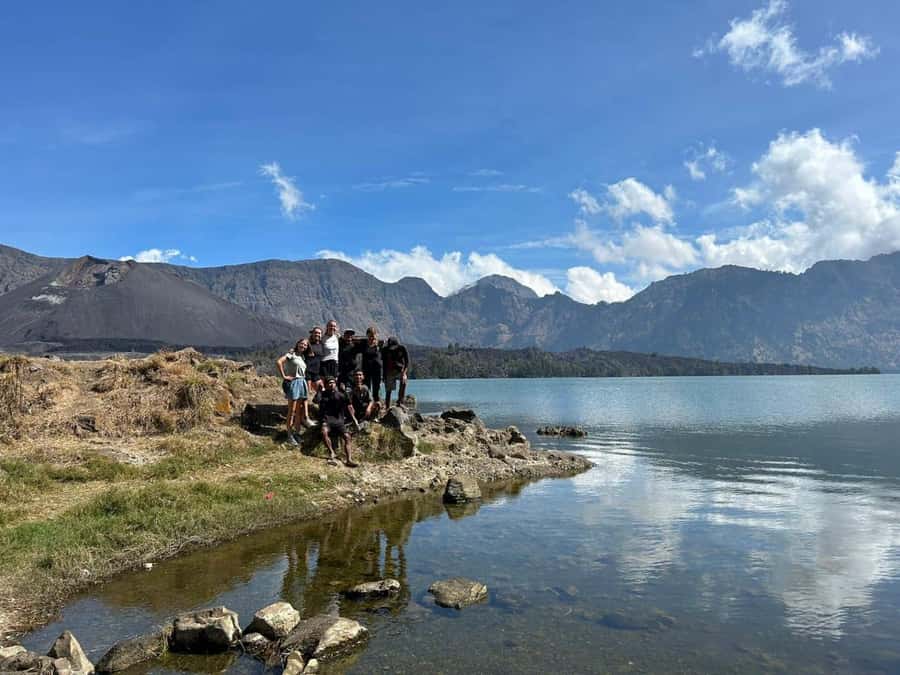
The second thing I like a lot is the payoff at Segara Anak Lake. You’ll get that volcanic-lake scenery, a chance to swim, and a hot water soak that helps your legs recover before the next push.
The main drawback: day 2 is brutally demanding. Expect the early wake-up, long steep stretches, and loose volcanic scree on the final approach, so you should be fit and mentally ready for a tough day.
In This Review
- Key things I’d circle before you book
- Summit Sunrise Over 3,726 m: Why This Trek Feels Worth the Effort
- The Fitness Reality Check: This Isn’t a Walk in the Park
- Day 1: Sembalun to Sembalun Crater Rim Sunset (1100 m to 2639 m)
- Day 2: 2:00 AM Wake-Up to Summit at 6:00 AM, Then Segara Anak Hot Springs
- Senaru Crater Rim Camp: The Bali Sunset and the Volcano-Edge Smoke
- Day 3 Descent Through Rainforest to Senaru Village (601 m)
- Food, Water, and Gear: The Stuff That Makes a Hard Trek Feel Managed
- English Guides, Small Groups, and Real Attention on the Trail
- Price and Value at $237: What You’re Getting for the Money
- Who Should Book This, and Who Might Choose a Different Option
- Should You Book This 3D-2N Rinjani Summit and Lake Hot Springs Trek?
- FAQ
- What is the duration of the trek?
- Where does the trek start and end?
- What time is the summit targeted?
- Is the group limited in size?
- Do I need technical climbing skills?
- What is included for meals and snacks?
- Is hot water or hot springs time included?
- What camping and sleep items are provided?
- Is there transport included after the trek?
- What is the cancellation policy?
Key things I’d circle before you book
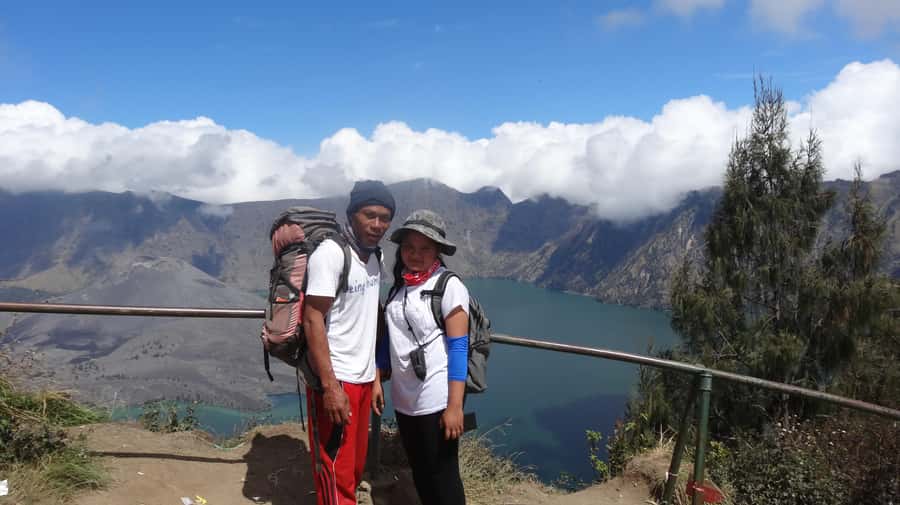
- Summit at dawn with panoramic views of Lombok, Bali, Sumbawa, and Segara Anak
- Segara Anak hot springs time for sore-legs recovery after the descent
- Two standout sunsets: crater rim sunset on day 1, then a Senaru crater rim sunset facing Bali
- Small group size (max 8) with an English-speaking guide and a dedicated porter team
- Camp setup included: tent, toilet tent, sleeping bag, mattress, and headlamp + gloves
Summit Sunrise Over 3,726 m: Why This Trek Feels Worth the Effort
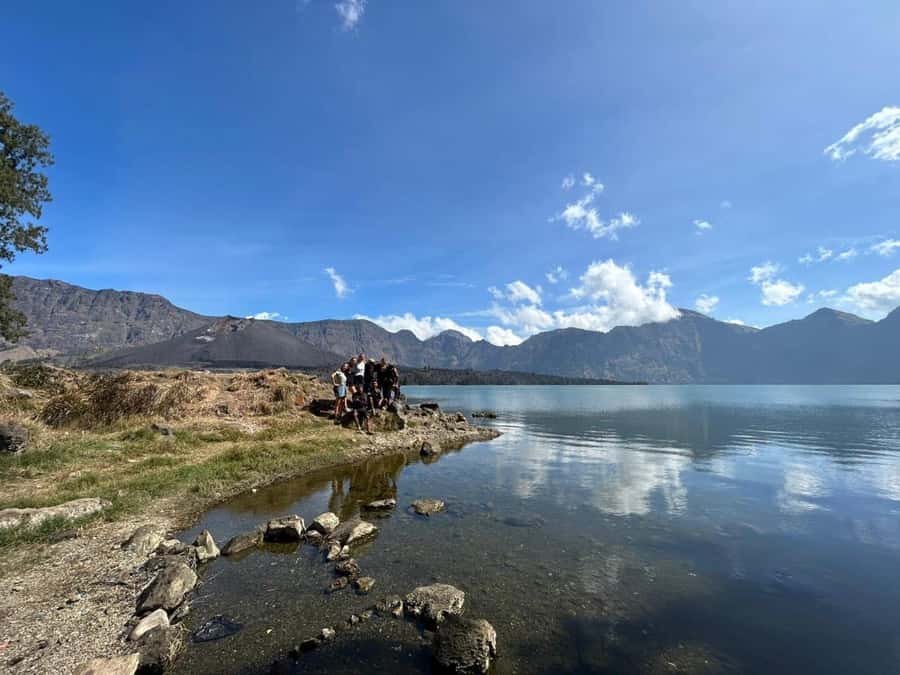
Mount Rinjani is Indonesia’s second-highest volcano at 3,726 m, and this trek is designed around earning that height at the cleanest-feeling time of day: sunrise. The plan has you moving early enough to reach the top around 6:00 am, so you’re not hiking in the worst heat while everyone else is still sleeping.
What you’re really buying is visibility and scale. From the summit, you’ll look out across Lombok, and on clear conditions you can see Bali and Sumbawa too. Even better, the view includes Segara Anak Lake, which is like a reminder that you’re not just climbing rock—you’re climbing into a whole volcanic system.
One more thing I appreciate: the trek doesn’t stop at summit glory. After you reach the top, you’ll descend to the Sembalun crater rim for breakfast, then continue toward the lake. That means the day feels like a full arc—effort, reward, then recovery—rather than a single photo moment and then done.
The Fitness Reality Check: This Isn’t a Walk in the Park
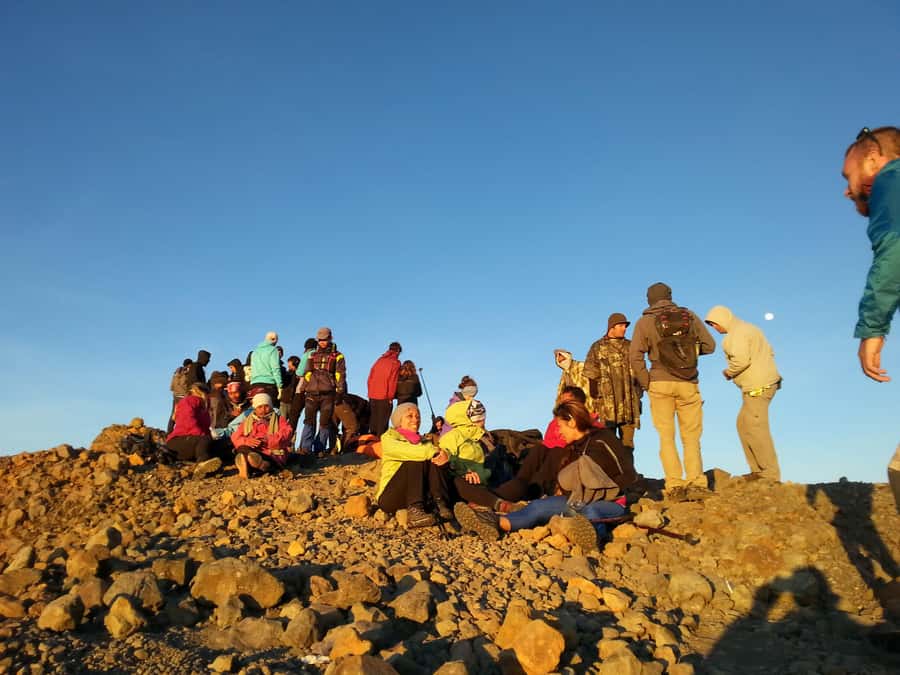
This package is made for experienced climbers with strong energy. The day-by-day plan has big elevation changes, early starts, and long hours on the move.
Day 2 in particular is the make-or-break day. You’ll be up around 2:00 am with a hot drink and a light breakfast, then start trekking at 3:00 am. The final approach is described as climbing steep volcanic scree that can be looser than you expect. That means you need more than cardio—you need steady pacing, good balance, and the patience to keep moving when footing gets annoying.
Also, this trek is not only hard because of altitude. It’s hard because of repetition: continuous ascent and descent over multiple days. One thing I take from multiple reports is that it’s not technical climbing, but it is a slog on legs and lungs. If you already hike hills comfortably and can handle long days, you’re in the right zone. If you usually do short flat walks, you’ll likely struggle more than you think.
Day 1: Sembalun to Sembalun Crater Rim Sunset (1100 m to 2639 m)
Day 1 starts with a practical rhythm: wake up around 6:00, breakfast, then travel to Sembalun (about 1,100 m) where you’ll register at the Rinjani information center.
Then the trek begins around 8:00 am with a gentle climb through open meadow. That first segment matters more than it sounds. It’s your warm-up and your chance to find your hiking pace before the elevation starts stacking up.
You’ll hit posts along the way:
- Pos 1 around 1,300 m
- Pos 2 around 1,500 m
- Pos 3 around 1,800 m, where you’ll have lunch
After lunch, the real climb starts toward Sembalun crater rim (2,639 m). The trek to the rim is described as about 3 hours, including a prolonged steep climb. This is also when you’ll start feeling the “mountain time” mindset: slower steps, steady breathing, and conserving energy for camp.
You’ll camp on the crater rim and enjoy the sunset. If you’re wondering why day 1 matters, it’s because crater rim camping changes the whole mood. You’re not just passing through scenery—you’re settling into it. The orange-and-purple light on volcanic walls is part of why people remember Rinjani.
Day 2: 2:00 AM Wake-Up to Summit at 6:00 AM, Then Segara Anak Hot Springs
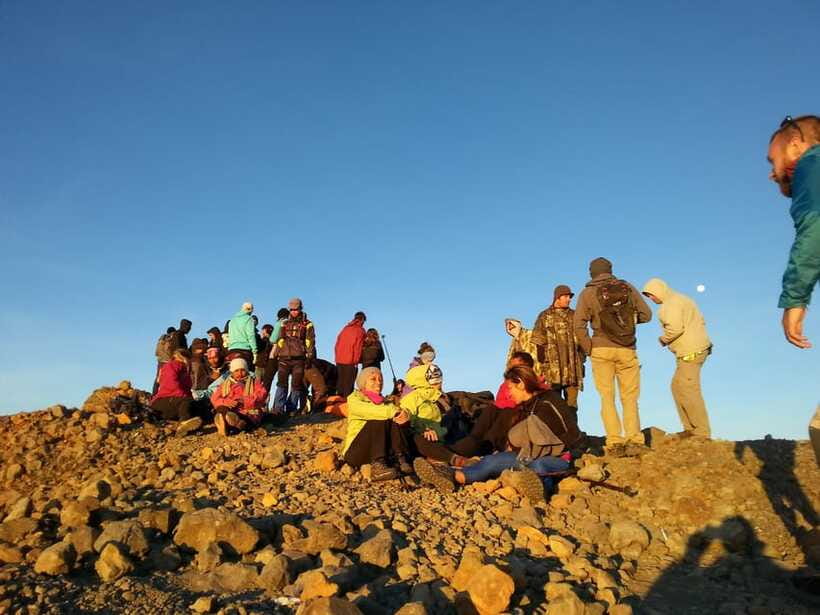
Day 2 is where the trek earns its reputation.
After waking around 2:00 am, you’ll get a hot drink and a light breakfast, then start at 3:00 am. The early hours help with conditions and views, but they also mean you’ll need to dress for cold. Even if it’s warm outside, crater rim and summit temps can be a different world.
The climb is described as moderate first, then longer and easier in parts, before the final steep section with loose volcanic scree. Reaching 6:00 am at the summit is the target, and that’s when you get sunrise plus wide-angle views over:
- Lombok
- Bali
- Sumbawa
- Segara Anak Lake
Then comes the smart part: you descend into the crater rim (within about 2 hours) and have breakfast there. This matters because breakfast right after a summit is both morale and logistics. It helps you refuel before a longer trek toward the lake.
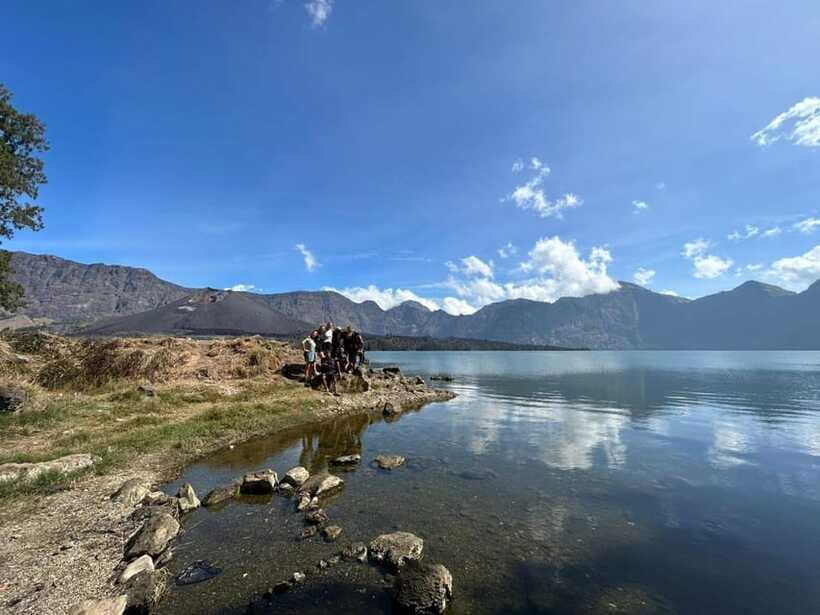
Next you head down toward Segara Anak Lake (about 3 hours). You’ll stop along the way to rest, then get time at the lake itself. The lake portion is more than scenery—you can swim, and there’s also the option to bathe in hot water. That hot soak is widely known as natural pain relief, and practically, it’s your reset button after hours of uphill grind.
Porters handle lunch at the lake area. For me, that’s a big part of why this trek feels human. When you’re spending days at elevation, you want predictable food timing, not hunger surprises.
Senaru Crater Rim Camp: The Bali Sunset and the Volcano-Edge Smoke
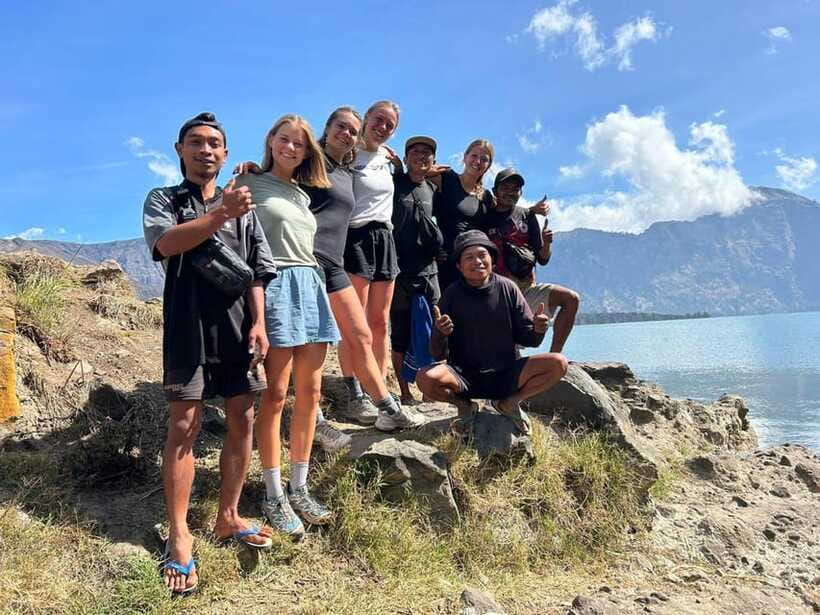
After lunch, you leave the lake and head up to Senaru crater rim (around 2,641 m) for the second night. The timing isn’t framed as an easy walk; it’s a return to climbing territory after you’ve just relaxed at the water.
Camp here is one of the strongest reasons to choose the 3D-2N version. Senaru crater rim is described as having the most spectacular view, and you’re in position for sunset facing Bali—specifically with Mount Agung in view.
The scene you’re aiming for is visual and atmospheric: you’ll watch the light change over Bali and also notice the smoke from a new volcano near the lake edge. It’s one of those reminders that Rinjani is active and alive, not a static backdrop.
This is also your recovery window. You’re still at altitude, still cold at night, and still working your legs. But you’re done with the hardest vertical push for the day, so you can focus on enjoying camp instead of just surviving it.
Day 3 Descent Through Rainforest to Senaru Village (601 m)
Day 3 is the unwind day, but don’t treat it like a stroll. You start with breakfast and then descend toward Senaru village (around 601 m) through rainforest.
The plan estimates about 5 hours to reach Senaru. The rainforest matters because it changes the soundscape and the feel of the air. Instead of volcanic scree and wide open views, you’re moving through a greener tunnel, which helps your brain switch out of summit mode.
If you’re lucky, you can spot a rare black monkey. Even if you don’t see wildlife, the forest descent is still a nice payoff after camp views.
When you reach Senaru village, transport takes you to your next destination area, including Bangsal, Senggigi, and Mataram.
Food, Water, and Gear: The Stuff That Makes a Hard Trek Feel Managed
A big theme with this trek is that the logistics are designed to keep you moving without wasting energy.
Meals are included:
- Breakfast, lunch, and dinner
- A fried banana appetizer
- Fruit dessert
You’ll also have mineral water and spring water for drinking during the trek. That’s not a luxury detail—it’s a safety detail. At altitude and in dry volcanic terrain, hydration gets overlooked fast.
Camp support is also included:
- Tent and toilet tent
- Sleeping bag and mattress
Headlamp and gloves are included too, which is good because you’re hiking early morning hours when darkness is part of the schedule. One extra practical note from real-world experience: people recommend trekking poles. If you don’t have them, you can ask, since at least one group reported being helped with walking sticks by Sultan’s team.
Finally, your luggage can be stored at the Cakrawala Rinjani office. That’s useful if you want to travel light from wherever you’re staying before pickup.
English Guides, Small Groups, and Real Attention on the Trail
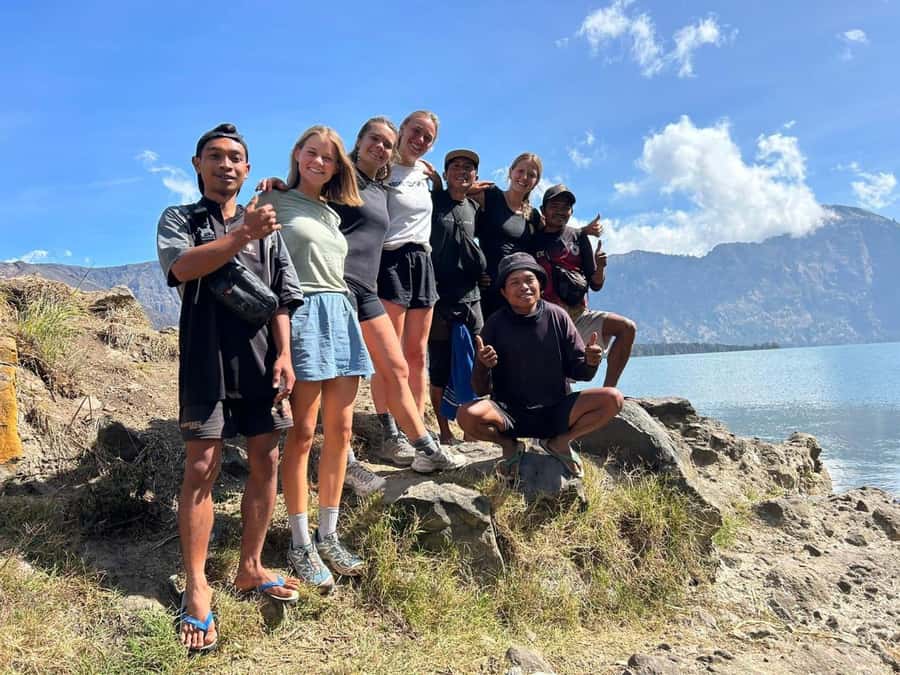
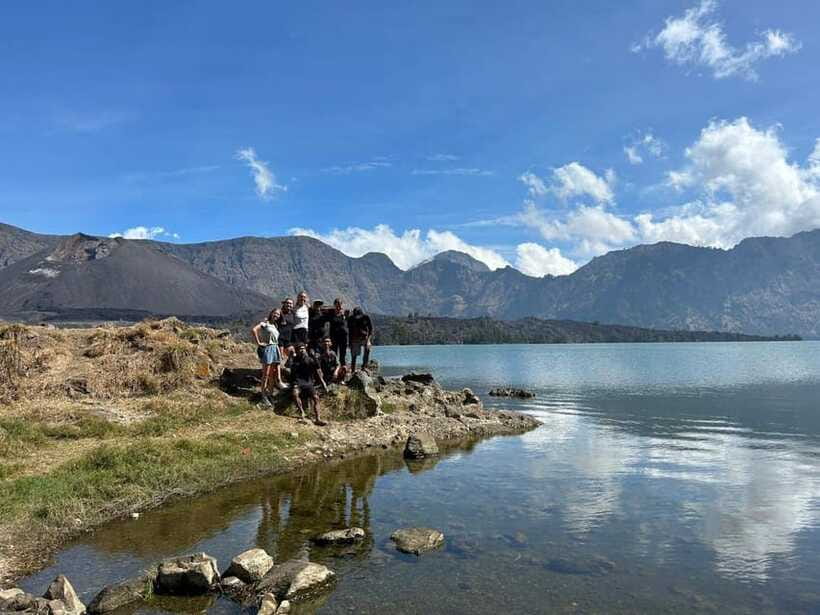
This isn’t a mega-group trek. The group is limited to 8 participants, and you’ll have an English-speaking live guide plus porters.
From the feedback, the guiding style is often described as attentive and safety-focused, with real pacing support for slower hikers. Names that came up include guide Rin, San, Ringo, Sun, Awan, Jojo, Ryan, and Sultan as the organizer. Porters like Faris and Selamet were also mentioned for friendliness and help.
Why does that matter? Because on a mountain like this, your biggest enemy isn’t just the elevation. It’s getting discouraged or rushed. When someone keeps your pace and checks in at the right moments, the climb becomes doable instead of chaotic.
Also, wind can be intense at altitude. One report mentioned extreme wind and the team keeping everyone warm and safe. That’s another reason you want a guide who takes conditions seriously.
Price and Value at $237: What You’re Getting for the Money
At $237 per person for 3 days, you’re paying for a lot more than “being on a trail.”
Here’s the value breakdown from what’s included:
- National park entrance fee (listed as IDR 250/day and a capped total of IDR 750k/person)
- Pickup transport from Senaru-area hotels to the trek start
- Professional guide and porter service
- Full camp setup (tent, toilet tent, sleeping bag, mattress)
- Meals (breakfast/lunch/dinner plus snacks)
- Water provisions during the trek
- Trekking insurance
- Headlamp + gloves
- Transport after the trek to Bangsal, Senggigi, and Mataram
- Luggage storage at the office
If you compare that to the cost of hiring a guide, arranging camping gear, and feeding yourself for multiple days, the price makes sense—especially because Rinjani is not the kind of hike where you can easily improvise safely.
What you still need to handle:
- Your hiking shoes and comfortable footwear
- Warm clothing
- Camera
- Trekking gear and extra water habits
- Any personal comfort items (like trekking poles if you prefer them)
Who Should Book This, and Who Might Choose a Different Option
This trek is a strong fit if:
- You’re an experienced hiker who can handle steep, long days
- You’re okay with a 2:00 am wake-up and a 3:00 am start
- You want summit views and you also want lake and hot springs recovery
- You want a small group and personal attention on the trail
It’s a rough fit if:
- You want a mostly easy hike (this is not that)
- You’re not prepared for long continuous ascent/descent and loose volcanic scree
- You get nervous hiking early in the dark with cold temps
One note that’s worth knowing before you commit: in at least one recent situation, summit access was affected by governmental safety restrictions. In that case, the team adapted and offered a sunrise hike on a second peak instead. That doesn’t mean it will happen to you, but it does mean you should stay flexible and trust the guide’s safety calls.
Should You Book This 3D-2N Rinjani Summit and Lake Hot Springs Trek?
If your goal is summit sunrise plus Segara Anak hot springs, this is one of the more satisfying ways to structure a short Rinjani window. You’re not only climbing—you’re also getting crater rim camping, lake time, and a second big sunset from Senaru crater rim.
Book it if you’re fit, mentally ready, and you want the full Rinjani arc: meadow warm-up, crater rim sunset, summit dawn, lake recovery, and rainforest descent. Skip it (or consider a shorter option) if you’re hoping for something gentle, or if you know your endurance is still developing.
If you do book, take the prep seriously: warm layers, solid footwear, and consider trekking poles. Day 2 is the day that decides everything—show up ready, and you’ll earn views you won’t forget.
FAQ
What is the duration of the trek?
The program runs for 3 days and 2 nights.
Where does the trek start and end?
It starts from Sembalun Village and returns via the Senaru route, ending at Senaru village where transport continues onward.
What time is the summit targeted?
The plan targets reaching the summit around 6:00 am after a start at 3:00 am.
Is the group limited in size?
Yes. It’s a small group limited to a maximum of 8 participants.
Do I need technical climbing skills?
The information emphasizes endurance and steep trekking. It’s described as continuous ascent and descent, with a steep loose scree approach on the summit day.
What is included for meals and snacks?
Meals include breakfast, lunch, and dinner. There is also an appetizer of fried banana and a dessert of fruits.
Is hot water or hot springs time included?
Yes. After descending to Segara Anak Lake, there is time to bathe in hot water for recovery.
What camping and sleep items are provided?
You get a tent and a toilet tent, plus a sleeping bag and mattress.
Is there transport included after the trek?
Yes. Transport after finishing is included to Bangsal, Senggigi, and Mataram.
What is the cancellation policy?
Free cancellation is available up to 24 hours in advance for a full refund.