REVIEW · LA PALMA
La Palma: Guided Trekking Tour to El Roque de los Muchachos
Book on GetYourGuide →Operated by La Palma Transfer & Tours · Bookable on GetYourGuide
Clouds look close at the top. This guided trek to El Roque de los Muchachos delivers big panoramic views from the island’s highest spot, plus a walk on real, old paths.
I like that you’re not just dropped at a viewpoint. You get an experienced guide who ties what you see to local history and traditions, so the whole outing feels meaningful, not random.
Second love: the guiding. In English options I saw examples of guides like Henry and Henri leading with calm confidence and a real talent for explaining what’s around you. Even with changing conditions, they keep the pace and the story moving.
One thing to think about first: this trek asks for a good fitness level. It’s along marked trails only, and the top is cool and windy much of the year. Add the winding road to the summit, and you’ll want proper gear and a steady head.
In This Review
- Key moments you’ll remember
- Getting to Mirador de los Muchachos by air-conditioned coach
- El Roque de los Muchachos: telescopes, clouds, and photo-ready angles
- The old Tijarafe–Santa Cruz path: why this hike feels different
- Cumbre Vieja or Cumbre Nueva: what you’ll spot across La Palma
- Roberto’s Wall to Pico de La Cruz: the view crescendo
- Ending at Pico de La Nieve and heading back down
- What the guides actually do for you on this trek
- Price and value: is $38 worth it?
- What to bring (and what to avoid forgetting)
- Who should book this El Roque trek—and who shouldn’t
- Should you book this tour?
- FAQ
- How long is the La Palma guided trek?
- How much does the tour cost?
- Is the tour guided?
- What languages are available for the guide?
- Does the price include transportation?
- Is food included?
- What height are you trekking to?
- What should I bring?
- Is the tour suitable for people with mobility issues or back problems?
- Can I cancel and get a full refund?
Key moments you’ll remember
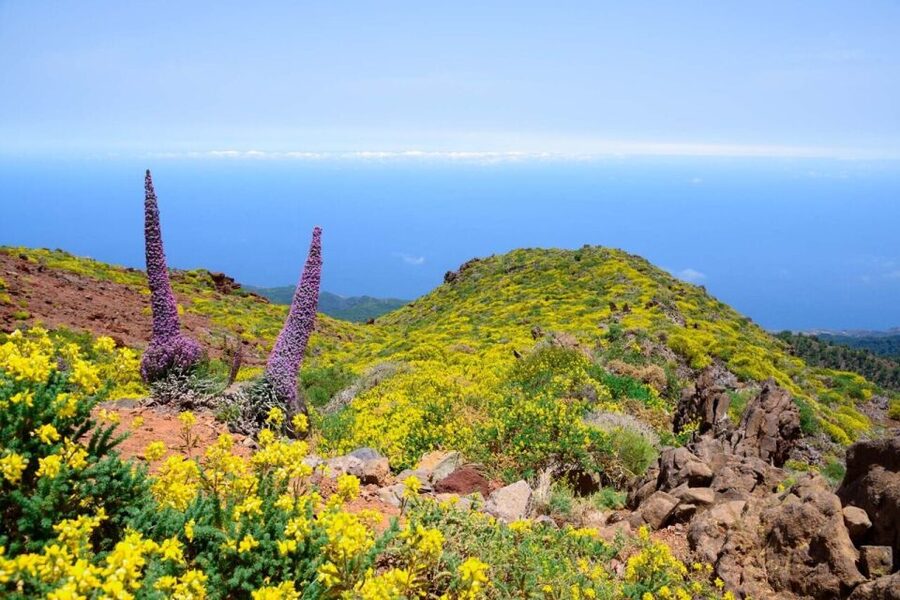
- Highest point payoff: views from 2,426 meters that make you feel like you’re above the island
- Ancient walking route: a historic path that once linked Tijarafe and Santa Cruz de La Palma
- Observatory zone: you’ll pass near the Roque de los Muchachos Observatory area for telescope views
- Real viewpoints: photo stops around Roberto’s Wall, Pico de La Cruz, and Pico de La Nieve
- Weather-dependent views: clear days can mean you can see as far as Tenerife
- Guide-led story: learning about local traditions and landmarks as you hike
Getting to Mirador de los Muchachos by air-conditioned coach
Your day starts with a pickup from your accommodation. Then you’re on an air-conditioned coach heading up the winding road toward Mirador de los Muchachos. The ride is part of the experience and part of the caution: expect lots of curves on the way up and down, so if you’re prone to motion sickness, plan for that.
Once you’re climbing, you’ll feel the temperature shift. The summit area sits at 2,426 meters, and that altitude makes a big difference in comfort. Even if you’re coming from warmer coastal towns, you’ll want layers ready. Bring the jacket and rain gear, because conditions can change quickly up there. One practical tip that’s worth taking seriously: sunscreen matters even when you think it might be cool. Sun can be surprisingly strong at altitude.
Before the hike begins, make sure you’ve got what you’ll need for the top: a camera charged, sunglasses, and your water supply. Also, keep your smartphone battery up. The tour requires that everyone carries a phone with sufficient battery.
You can also read our reviews of more tours and experiences in La Palma.
El Roque de los Muchachos: telescopes, clouds, and photo-ready angles
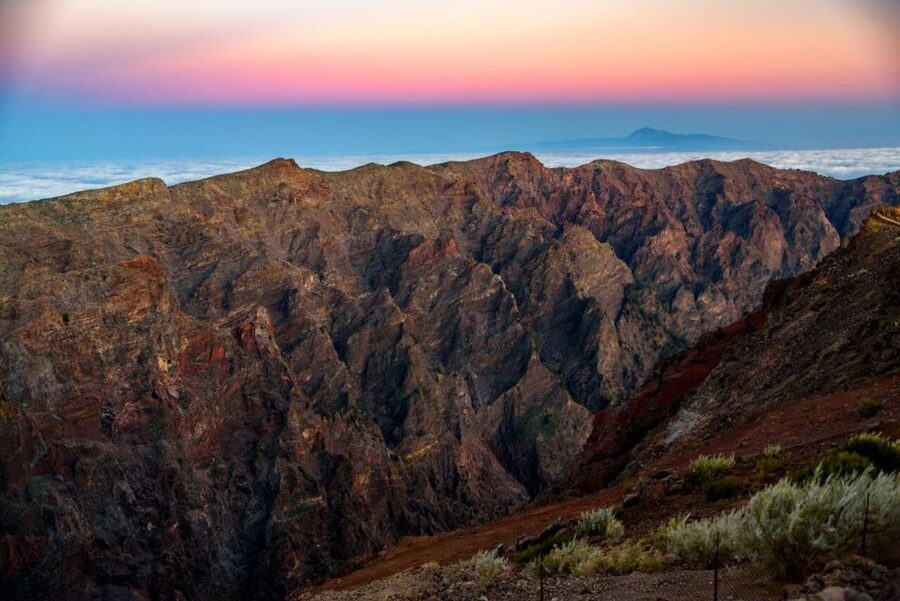
Once you reach the summit area, the vibe changes fast. You’re not just looking out—you’re looking down over the island. The Roque de los Muchachos area is where La Palma’s weather and terrain start showing in layers: cloud banks floating below, sharp ridgelines cutting across the view, and deep valleys dropping away.
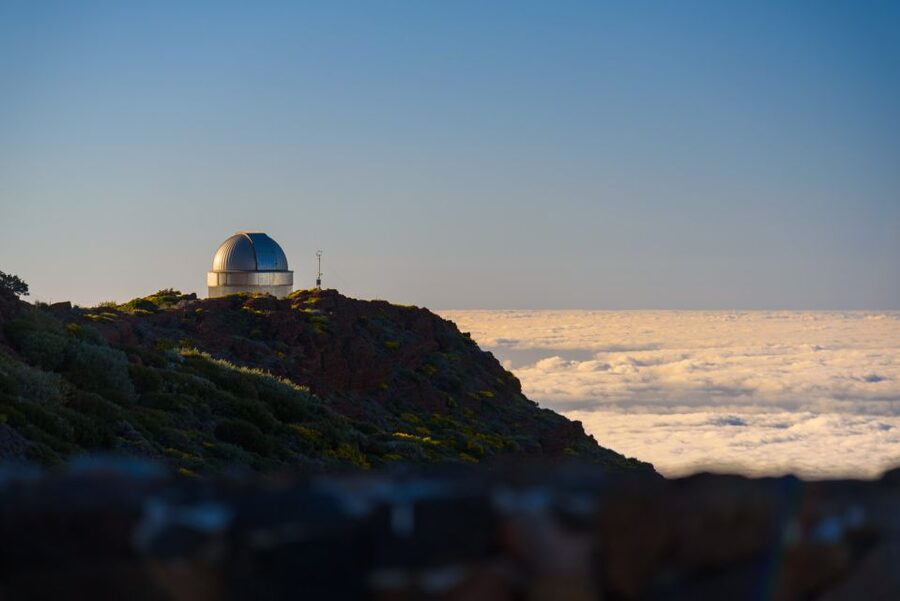
You’ll also get close enough to appreciate the telescopes at the Observatory. This isn’t a museum visit, but seeing that scientific zone in such a wild setting helps you understand why the sky matters here. If your day is clear, the viewpoints turn into a photographer’s playground.
The guide will help you orient yourself. And that’s key, because these heights can feel confusing at first—so it helps to have someone point out what you’re actually looking at. You’ll learn to spot features across the island, not just stare at pretty clouds.
The old Tijarafe–Santa Cruz path: why this hike feels different
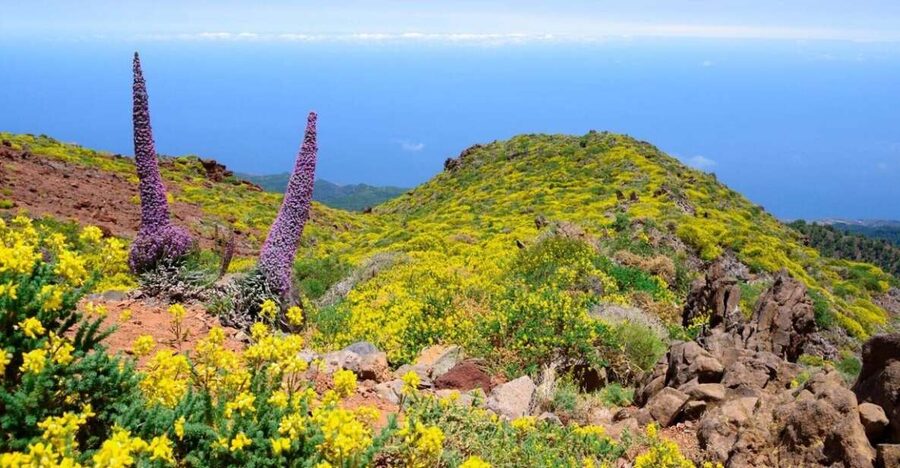
The best part of the experience isn’t only the height. It’s the walk itself. You’ll trek along a path that was once used as a commercial route connecting Tijarafe to the capital, Santa Cruz de La Palma. That means the trail has a purpose beyond scenery. People traveled it—so you’re stepping into a route with history built into the ground.
As you hike, you’ll also be walking at the border of the Caldera de Taburiente National Park. You’ll notice the terrain changes as you move. There are stretches where the ground feels rugged but manageable, and stretches where the surroundings are dramatically quiet. This is the kind of walk where your senses do the work: wind on your face, the sound of your steps, and the constant sense that you’re above the main island activity.
Important detail: you can’t leave the marked paths. That’s not a buzzkill; it keeps the walk safe and protects the area. It also means you should choose footwear that’s truly hiking-ready, because the surfaces are not flat-city sidewalk conditions.
Cumbre Vieja or Cumbre Nueva: what you’ll spot across La Palma
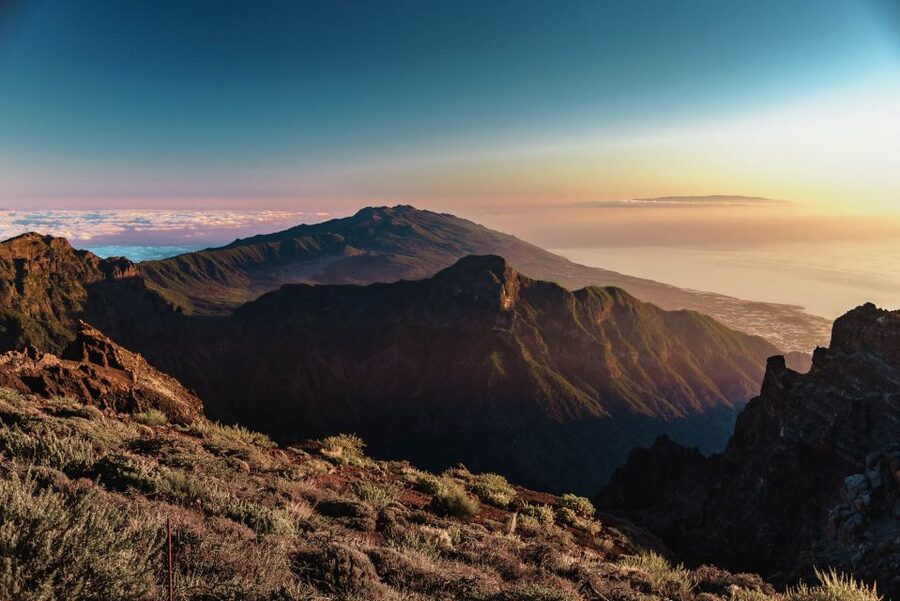
As you climb, the views open into named places—so you can connect the scenery to actual geography. The route offers chances to see Cumbre Vieja or Cumbre Nueva, depending on visibility and the angle on the day. You’ll also be able to look out toward municipalities like Los Llanos de Aridane, Tazacorte, and Tijarafe.
This is where the guide’s role really pays off. Without help, it’s easy to recognize big shapes but miss the meaning behind them. With the explanations, you start understanding how La Palma is laid out: volcanic ridges, drop-offs, and how the towns relate to the terrain.
There’s also a natural-history element along the way. Before reaching Roberto’s Wall, you’ll get to notice plants like cedars and lards, plus summit pansies. Even if you’re not a plant person, it’s a good reminder that this place isn’t just rocks and views—there’s life adapted to elevation and wind.
Roberto’s Wall to Pico de La Cruz: the view crescendo
At Roberto’s Wall, the scenery often feels like it clicks into place. This is where many people slow down for photos, because the sightlines get sharper and the island starts looking less like a single shape and more like many layers.
From there you continue toward Pico de La Cruz. If the day is clear, you may be able to see as far as Tenerife. That’s the kind of milestone that makes the whole early part of the trek feel worth it. But remember: visibility is weather-dependent. You can’t force clear skies—so the smartest approach is to come prepared to enjoy the walk even if the horizon is partly veiled.
A nice practical note from real experience: January and similar months can be very fresh at the top. Warm clothes and even gloves can make a difference if you run cold. And if the sun comes out, don’t skip sunscreen.
Ending at Pico de La Nieve and heading back down
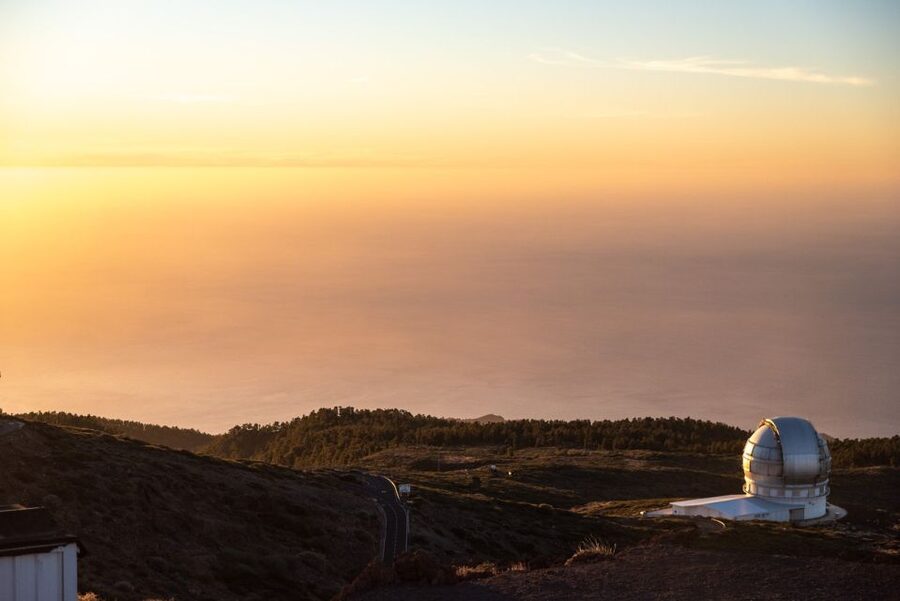
The hike finishes around Pico de La Nieve, after which you head back to the tour bus. This part of the day can feel faster, because you’re already in the rhythm of the trail and you know you’re heading downhill.
That also means you’ll want your camera accessible. On the way out, the light can shift quickly and make the clouds and valleys look totally different. If you’re watching the sky all morning, you’ll often catch a better view on the return leg.
Once you’re back on the coach, you’ll do the ride down to the pickup area. It’s the same winding route, so it helps to sit comfortably and, if needed, give your stomach a moment to settle.
What the guides actually do for you on this trek
This is one of those tours where the guide makes the difference between I-went-hiking and I-understood-this-place.
In multiple cases, guides like Arnold, Henry, and Henri are mentioned for being professional and friendly, with the kind of explanations that make the scenery easier to read. You’ll learn local history and traditions connected to where you’re walking, not just facts recited at random.
Guides also help you match your effort to the terrain. The tour requires good fitness, but that doesn’t mean it’s a brutal challenge. When conditions are right, the hike tends to feel manageable, and you’ll have time for viewpoints and photos.
Another real-world factor: language. The guide is available in Spanish, English, and German, depending on your booking. If you’re booking an English-speaking option, expect that to be the main working language for the group.
Price and value: is $38 worth it?
At $38 per person for a 4-hour guided experience, the price makes sense if you value three things this tour includes:
- Hiking tour + live guide
- Bus transfer to and from your accommodation
That combination is what turns this from a DIY challenge into a smooth outing. Getting up to El Roque de los Muchachos on your own can be doable, but it’s effort—especially if you’re not familiar with the roads or timing. Here, the logistics are handled, and you get guided interpretation while you hike.
Food and drinks are not included, so factor that in. You should bring your own water and snacks. Still, compared to paying separately for transport and figuring out a route, this is good value for a high-altitude day with real guidance.
What to bring (and what to avoid forgetting)
Pack for altitude, wind, and quick changes in weather. This tour asks that you bring:
- Sunglasses and sun hat
- Camera and a charged smartphone
- Hiking shoes
- Sunscreen and water
- Jacket and rain gear
- Food and drinks (not provided)
You’ll also do best with a layer system. One minute can be bright and sunny; the next can feel crisp or damp. If you run cold, bring extra warmth. And if you’re traveling in seasons when mornings are chilly, plan for it—January-style freshness is not a myth.
Who should book this El Roque trek—and who shouldn’t
This outing fits best if you:
- Have a good fitness level
- Like guided hiking with viewpoints and short photo stops
- Enjoy learning about local places while you walk
- Want the convenience of hotel pickup and a coach transfer
It is not suitable for:
- Children under 3
- People with back problems
- People with mobility impairments
- Wheelchair users
Also, you need to stay on marked paths. That means it’s not the right choice if you’re hoping for a loose, off-trail walking day.
Should you book this tour?
Book it if you want one efficient half-day that combines a guided hike, major high-altitude views, and a practical coach ride. This is especially good value when you don’t want to manage transportation and route planning to 2,426-meter viewpoints on your own.
Skip it or choose a lighter alternative if cold, steep or uneven walking, or lots of bus curves are tough for you. And if you’re coming without the right gear—jacket, rain protection, sun protection—you’ll feel it more up there.
If you’re ready for a guided trek with real geographic payoffs, this one delivers: old paths, observatory views, and the kind of horizon that makes you stop and point.
FAQ
How long is the La Palma guided trek?
The tour duration is 4 hours.
How much does the tour cost?
It costs $38 per person.
Is the tour guided?
Yes. You’ll have a live tour guide.
What languages are available for the guide?
The guide is available in Spanish, English, and German.
Does the price include transportation?
Yes. The tour includes bus transfer to and from your accommodation.
Is food included?
No. Food and drinks are not included.
What height are you trekking to?
El Roque de los Muchachos is 2,426 meters above sea level.
What should I bring?
Bring hiking shoes, water, sunscreen, sunglasses, a sun hat, a jacket, rain gear, a camera, food and drinks, and a charged smartphone.
Is the tour suitable for people with mobility issues or back problems?
No. It is not suitable for people with back problems, mobility impairments, or wheelchair users.
Can I cancel and get a full refund?
Yes. You can cancel up to 24 hours in advance for a full refund.
If you tell me your travel month and your hiking comfort level, I can help you decide what to wear and how to prepare for likely conditions.