REVIEW · CUSCO
7-Day: Inca Trail Trek to Machu Picchu Group Tour
Book on Viator →Operated by Valencia Travel Agency S.a.c. · Bookable on Viator
Machu Picchu at sunrise feels earned. This 7-day Inca Trail group tour is built to get you from Cusco to the main sites—without you spending days piecing together permits, transport, and camps yourself.
I especially love the way the final hiking day is timed for Sun Gate (Intipunku) before sunrise, so Machu Picchu lands at the moment it matters most.
I also like the practical setup: airport pickup/drop-off, the right buses and train links, a professional chef, and camping basics like dining tents and foam sleeping mattresses. The main thing to consider is that this is physically demanding—steep days, high passes, and cold nights around 4–5°C—so you’ll want a strong fitness base and a realistic pace.
In This Review
- Key things to know before you go
- Why this Inca Trail tour feels lower-stress than DIY planning
- Day 1 in Cusco: a gentle landing before the 4:30 am grind
- Day 2: free Cusco time lets you manage altitude and pace
- Day 3: Piscacucho check-in, Huillca Raccay, and the first camp in Wayllabamba
- Day 4: Dead Woman Pass at 4,200 m and Runkuracay’s cloud-forest beauty
- Day 5: Phuyupatamarca and Wiñay Wayna—where the trail turns scenic
- Day 6: Intipunku before sunrise, Machu Picchu guided time, then the route to Cusco
- Day 7: one last Cusco morning, then the airport transfer via Lima
- Price and logistics: what $1,145 actually buys you
- Camping comfort: what feels good and what still feels cold
- Fitness and pacing: the passes are the story
- Guide and group size: small enough to notice, big enough to stay social
- Who should book this Inca Trail group tour (and who should pause)
- Should you book this Inca Trail group tour?
- FAQ
- What’s included in the Inca Trail group tour price?
- Do I need to bring a sleeping bag or inflatable mattress?
- What time does the trek start?
- Is Machu Picchu sunrise part of the experience?
- Can I get a vegetarian meal option?
- What is the cancellation policy?
Key things to know before you go
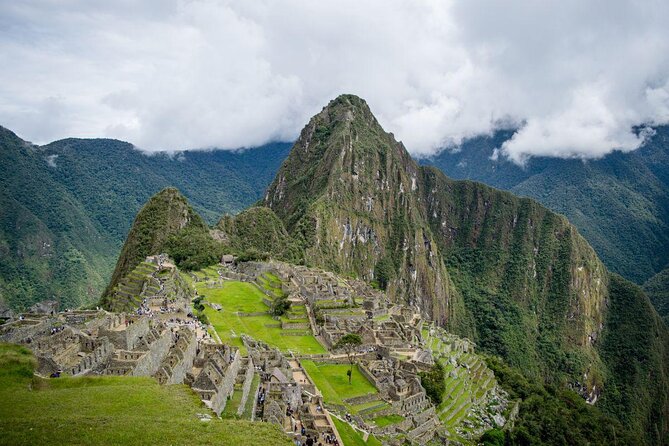
- Sunrise plan at Intipunku: your route into Machu Picchu is scheduled for first light, not a late-day shuffle.
- Check-in at Piscacucho with passport controls: the process is part of the experience, so plan bathroom and gear prep early.
- Real camping comfort upgrades: dining tent setup, camp mattresses, oxygen bottles, and a first aid kit.
- Expert support in a small group: maximum 16 travelers, with an assistant guide for larger groups.
- Iconic Inca stops by name: Llactapata/Phuyupatamarca-level sights, plus Dead Woman Pass and Runkuracay.
- Value in the logistics: buses to KM 82, Machu Picchu circuit transport, and the train chain back to Cusco.
Why this Inca Trail tour feels lower-stress than DIY planning
The Inca Trail sounds simple until you try to plan it yourself. You’re juggling entry requirements, accommodation near the route, meal planning, and transportation links that have to match one another. This tour takes that mental load off your plate by bundling the moving pieces into one plan, starting and ending around Cusco (including airport transfer and the final trip back via Lima).
The other reason this works is timing. The classic Inca Trail experience isn’t just about hiking; it’s about arriving at Machu Picchu when it still feels like a secret. You’re set up for that with an early arrival approach—starting with the push toward Intipunku before sunrise and then the guided time inside the citadel.
That said, this is still the Andes. Even with porters for company equipment and support on the trail, you’re responsible for carrying your personal belongings and handling your own sleeping bag plan (sleeping bags aren’t included). If you go in expecting a casual walk, you’ll end up frustrated.
You can also read our reviews of more tours and experiences in Cusco.
Day 1 in Cusco: a gentle landing before the 4:30 am grind
Day 1 is all about arriving, getting settled, and getting your bearings. You land in Cusco and get a transfer to your hotel, then a welcome meeting happens so you can lock in details with your guide. The rest of the day is yours, and that matters—Cusco is high, and your body likes a slower start.
If you want to use the time well, keep it light. Look around the old core with churches and mansions that sit alongside Inca remains. Then pick dinner and an early bedtime. The trek rhythm starts fast later, and you’ll feel it if you’re up late.
One small but real bonus: the tour begins and ends with Cusco airport logistics. That removes one of the biggest “DIY headache” parts of getting to the trail and back.
Day 2: free Cusco time lets you manage altitude and pace
Day 2 is a free day in Cusco. No set activities are listed, so you can explore at your own speed, and that flexibility is useful. Cusco is consistently described as an archaeological hub, but the real value for you is practical: you can walk a bit, eat well, and avoid going too hard too soon.
You also get to handle any gear gap you might have missed. This trek has a strong physical component, so if you forgot something, you still have a day to sort it before the first trail morning.
Day 3: Piscacucho check-in, Huillca Raccay, and the first camp in Wayllabamba
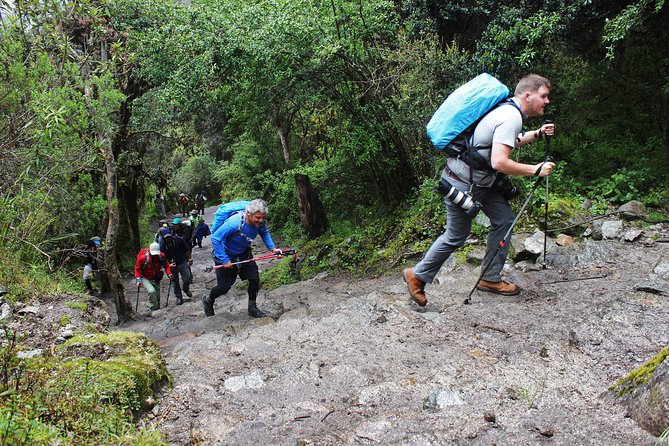
This is the day you feel the real switch: up early, show your documents, and step onto the Inca route.
You start with a meeting point at around 4:30 am, then continue until you reach Piscacucho for check-in. This is where you show your passport and tour tickets at the control point. Access is limited, so this moment is about readiness—use the restroom, apply sunscreen, and put on insect repellent before you head out.
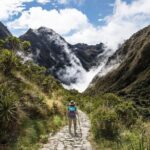
The hiking starts at about 2,720 m / 8,923 ft, and you’ll cross the Vilcanota River. The trail then works you into the valley with views tied to major Andean peaks. You’ll also see the Urubamba mountain range, with W’akay Willca (known as Veronica) mentioned along the way.
You’ll end the day camping near Wayllabamba (around 3,000 m / 9,842 ft). Night temps are noted as roughly 5°C, with variation depending on the month. This matters because “camping” isn’t just a label on a schedule—it’s cold air, limited warm time, and a need to handle your layers smartly.
Day 4: Dead Woman Pass at 4,200 m and Runkuracay’s cloud-forest beauty
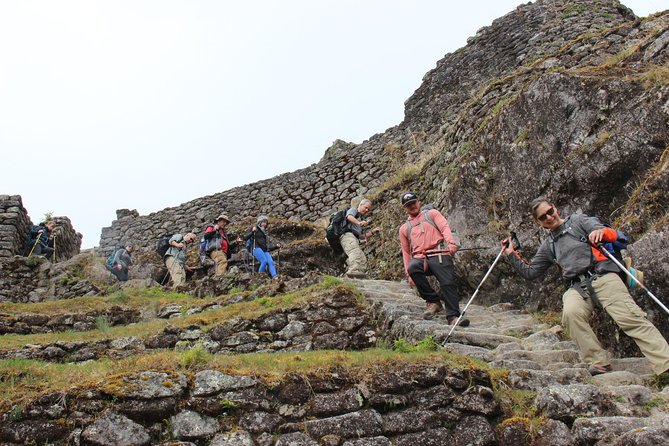
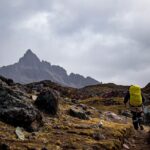
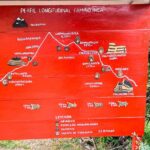
Day 4 starts early—around 5:30 am after breakfast—because you need daylight and strength for the steep climb. This day includes one of the defining moments of the route: Dead Woman Pass (Abra de Warrmihuañusca) at 4,200 m / 13,779 ft.
It’s not presented as an optional challenge, and that’s fair. The Inca made pilgrimage routes for a reason, tied to the mountains and the Apus (the mountains as protective forces). Whether you approach it spiritually or just physically, you’ll feel the weight of this pass once you’re climbing it.
After reaching the pass, you descend toward lunch at Pacaymayu (about 3,550 m / 11,646 ft). This is where the trail reminds you that it’s not just legs and altitude—birds and plants show up. Hummingbirds are mentioned, plus native vegetation like Polylepis, which grows in cloud forest conditions around 3,650 m / 11,972 ft.
Then you climb again toward Runkuracay pass (near 4,000 m), and you set up camp by about 5 pm. Night temps are noted around 4°C at this campsite. In other words: plan for the cold to show up, even when the daytime feels manageable.
Day 5: Phuyupatamarca and Wiñay Wayna—where the trail turns scenic
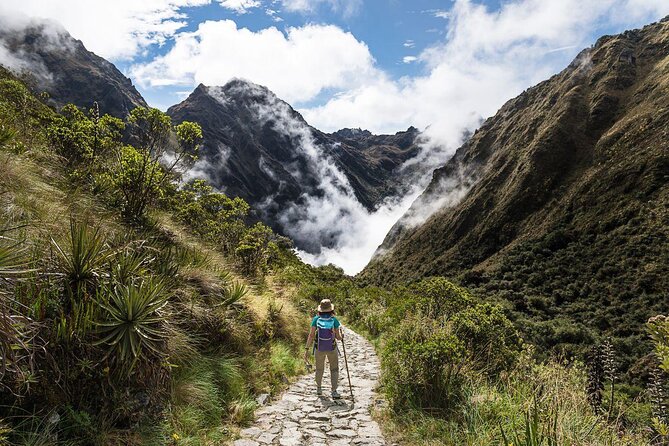
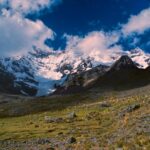
Day 5 is known for its big visual payoff. You’re camping with incredible Andean landscapes, and the route highlights unique Andean flora and fauna. The total distance listed is about 10 km, with roughly 5 hours for the day.
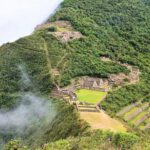
After breakfast, you head to Phuyupatamarca, meaning Town in the Clouds, at about 3,680 m. This stop is about views—mountains, canyons, and the surrounding area. The “town in the clouds” name isn’t just poetic; at these elevations you can feel how quickly the weather and visibility change.
Then you continue toward the next points, including a walk described as taking you through 3,000 steps in the cloud forest near Intipata. This is also where you get a sense of why people call these Inca sites “workable masterpieces”—they used engineering and elevation tricks to make living and farming possible.
You end at the Wiñay Wayna campsite (around 2,680 m / 8,792 ft). Night is no longer the highest altitude of the trip, and the schedule notes that you arrive by lunchtime after 4 to 5 hours of walking. That timing helps, because you get a short break before you head out to see Wiñay Wayna itself close to camp.
Day 6: Intipunku before sunrise, Machu Picchu guided time, then the route to Cusco
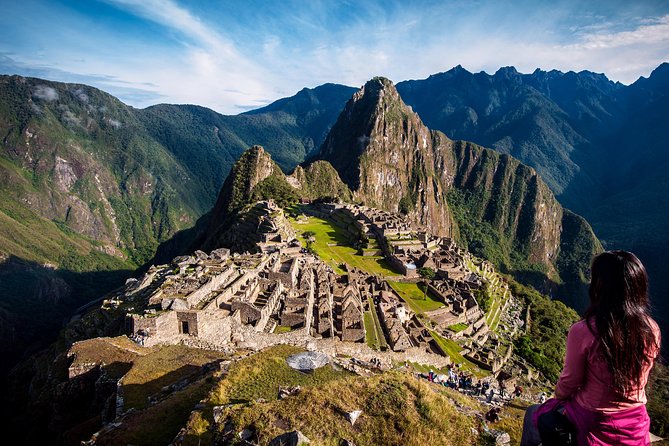
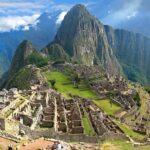
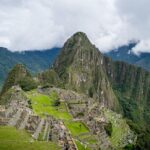
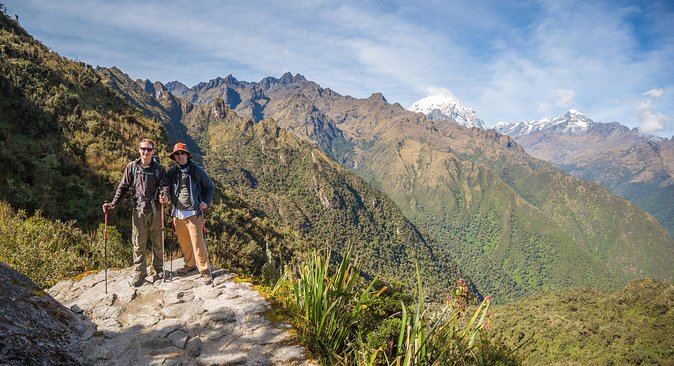
This is the marquee day. You’ll wake up and have an early breakfast, then hit the trail to Intipunku (Sun Gate) at about 2,730 m / 8,792 ft before sunrise. The goal is simple: get your first big view of Machu Picchu (listed around 2,400 m / 7,873 ft) as day breaks.
You then walk down the last stretch to a spot where you can take the classic postcard photo. After that, you get a guided tour of the archaeological site. The schedule gives you time to learn the context, and then you also get about two hours to explore on your own.
That self-time is practical. Some people will want to stay at ground level; others may want to hike up to Machu Picchu Mountain or Huayna Picchu Mountain if that’s their plan. The tour gives you the option, and you can decide based on your energy that morning.
After exploring, you regroup with your guide in Aguas Calientes. You’ll handle getting there either by bus or on foot, depending on how the day flows. You get lunch in Aguas Calientes, then your guide provides tickets back to Cusco: the plan includes the first train to Poroy and then bus transport to Cusco.
Day 7: one last Cusco morning, then the airport transfer via Lima
Day 7 is your buffer day. After breakfast, you have the last day at leisure before transferring to the airport for your return flight home via Lima.
This matters more than you might think. Trekking days drain you in ways you don’t fully notice until you finally stop. A calm final day helps your body recover enough to handle a travel day without feeling totally wrecked.
Price and logistics: what $1,145 actually buys you
At $1,145 per person, the big question is value. This tour costs more than the “just book a permit and figure it out” approach, but it also includes the stuff that usually becomes expensive or time-consuming to coordinate.
Here’s what you’re getting support for, based on the inclusions:
- Airport pickup and drop-off
- A professional guide plus an assistant guide for groups of 9+ (so you don’t feel swallowed by the group)
- Bus to KM 82 and transport connections around Machu Picchu
- Train from Aguas Calientes to Ollantaytambo, then bus back to Cusco
- Water
- A camping setup with dining tent tables and chairs, a professional chef, and 4-man tents (with foam sleeping mattresses) for 2 people per tent setup
- Porters for the company equipment
- Oxygen bottles and a first aid kit
- Meals are included across the trek: 5 breakfasts, 3 lunches, and 3 dinners (with specific notes about first breakfast and last lunch not being included)
Not included items are where you should plan ahead:
- Sleeping bag
- Inflatable mattress
- Walking sticks
- Extra personal porter
- Meals not listed above
- And if you want your own tent arrangement, there’s a single supplement of $180 for accommodation and tent
If you price out the logistics separately—permits, transport chains, meals, and camping basics—this package starts to look less like an expense and more like buying back time and reducing mistakes. For the Inca Trail, that time savings can be priceless.
Camping comfort: what feels good and what still feels cold
The tour uses camping equipment and support that make a difference on a multi-day trek. You get 4-man tents with a setup described for 2 people, plus foam sleeping mattresses. You also have a dining tent with tables and chairs, and you’re not cooking your own meals. There’s a professional chef on the plan.
Cold nights are still part of the deal. Night temps are spelled out for two key camps: around 5°C at Wayllabamba and around 4°C at Runkuracay. That means your layers matter, and it’s why the sleeping bag question is important. Since sleeping bags aren’t included, you’ll need your own rental plan.
Also note that you’re responsible for carrying your personal belongings. Porters handle company equipment, but your day bag and essentials are on you.
Finally: oxygen bottles and first aid kit are included. That’s not a guarantee against altitude challenges, but it’s a helpful safety net when you’re in the high zones.
Fitness and pacing: the passes are the story
This itinerary is structured around steep, high points:
- Dead Woman Pass at 4,200 m
- Runkuracay pass near 4,000 m
- Multiple climbs and descents, including cloud forest steps
- Sunrise push at Intipunku at 2,730 m
The schedule itself makes it clear you need stamina. It also notes the need for strong fitness level and lists a minimum age of 10, which tells you the trek isn’t just for casual walkers.
My practical advice: train for uphill endurance and take the steep sections slowly. You’ll climb better if you don’t try to win the route. The Andes reward consistency.
Guide and group size: small enough to notice, big enough to stay social
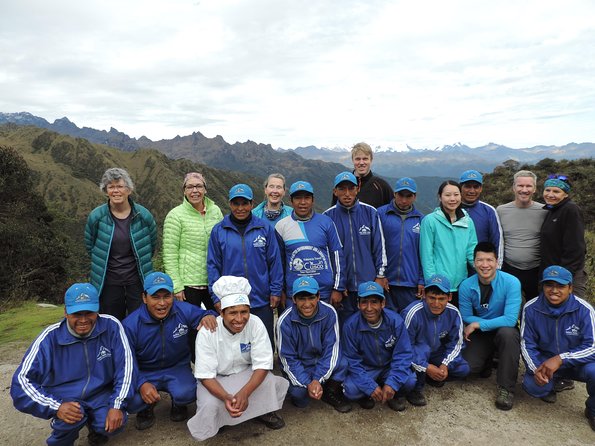
This is a group tour with a maximum of 16 travelers. That’s a sweet spot for most people: you get the structure and safety of a group, and you still feel like a person instead of a number.
You’ll also have real guide coverage. The plan includes a professional guide, and there’s an assistant guide for groups of 9+. In the experience you’re describing, the guide name Alex comes up, and the feedback around the service and food on the trail points to a team that knows how to keep things running smoothly.
And yes, the trek is not easy. The positive side of that is you’ll feel the accomplishment. It’s the kind of hard that becomes a story fast.
Who should book this Inca Trail group tour (and who should pause)
This tour is a strong match if you want:
- A well-run package with transport, meals, and camp logistics handled
- The sunrise-focused Machu Picchu arrival plan
- Camping support with a chef, tents, and safety gear like oxygen bottles
- A guided experience with named Inca sites along the way
You might want to pause or pick a gentler alternative if:
- You’re not comfortable with steep climbing at high altitude
- Cold nights are a problem for you and you don’t plan well for sleeping gear
- You prefer total freedom and self-guided planning
Should you book this Inca Trail group tour?
If your goal is to experience the classic Inca Trail to Machu Picchu sunrise without turning your vacation into a spreadsheet project, this is a solid choice. The big win is how the tour reduces the planning grind while still delivering the hardest moments on the trail—Dead Woman Pass, Runkuracay, and then the sunrise approach at Intipunku.
Book it if you’re physically ready and you can pack smart (especially for sleeping gear). Skip it if you’re hoping for an easy hike or if you’ll be stressed by early starts, cold camp nights, and the fact that the Andes will set the pace.
FAQ
What’s included in the Inca Trail group tour price?
The price includes airport pickup and drop-off, a professional guide and assistant guide (for groups of 9+), buses to KM 82 and around Machu Picchu, the train from Aguas Calientes to Ollantaytambo, bus to Cusco, water, a dining tent with tables and chairs, a professional chef, 4-man tents with foam sleeping mattresses, porters for company equipment, oxygen bottles and a first aid kit, and meals (5 breakfasts, 3 lunches, 3 dinners), with notes that the first breakfast and last lunch on the trail are not included.
Do I need to bring a sleeping bag or inflatable mattress?
Yes. A sleeping bag is not included, and an inflatable mattress is also not included. The tour provides foam sleeping mattresses in the tents, but you’ll need to plan your own sleeping bag or rental.
What time does the trek start?
The meeting start time is listed as 4:30 am, and Day 4 includes another early start at 5:30 am. Intipunku is reached before sunrise on Day 6.
Is Machu Picchu sunrise part of the experience?
The schedule is designed so you reach Intipunku before sunrise on Day 6, followed by a guided tour of Machu Picchu and time to explore afterward.
Can I get a vegetarian meal option?
Yes. A vegetarian option is available if you advise the provider at the time of booking.
What is the cancellation policy?
This experience is non-refundable and cannot be changed for any reason. If it’s canceled because the minimum number of travelers isn’t met, you’ll be offered a different date/experience or a full refund.