REVIEW · SA PA
In Sapa: 1 Day Mountain Trek, Visit beautiful villages
Book on GetYourGuide →Operated by Viet Nam Explore Travel · Bookable on GetYourGuide
Hiking Sapa’s villages beats couch-sitting every time. This 1-day trek stacks big views—up at Sa Seng with Fansipan and the Muong Hoa rice terraces—then drops you into daily life in Black Hmong communities.
I love the way the day moves from mountain viewpoints to village paths without feeling rushed, and I especially like how your guide explains real cultural details you won’t get from photos: Hmong marriage traditions, rice work, and house-building at Hau Thao. The one catch is the trail can be steep and muddy, so bring sturdy shoes and don’t assume this is an easy stroll.
In This Review
- Quick take: what makes this Hau Thao trek worth your day
- Sa Seng to Fansipan: the view that sets the tone
- Muong Hoa valley rice terraces: why you should care about the timing
- Hang Da and Hau Thao: seeing Black Hmong village life up close
- Animals, village food, and the rhythm between stops
- Getting to Giang Ta Chai and back to Sapa on time
- The trek itself: how hard it really is (and how to prepare)
- Small-group value: what $24 buys you in Sapa
- Who this trek fits best (and who should skip it)
- Should you book this 1 Day Mountain Trek to Hau Thao?
- FAQ
- How long is the Sapa 1 Day Mountain Trek to Hau Thao villages?
- What is included in the price?
- Is the tour guided in English?
- What should I bring?
- What should I expect on the trail?
- Is there a small-group limit?
- Is it okay for people with mobility issues?
Quick take: what makes this Hau Thao trek worth your day
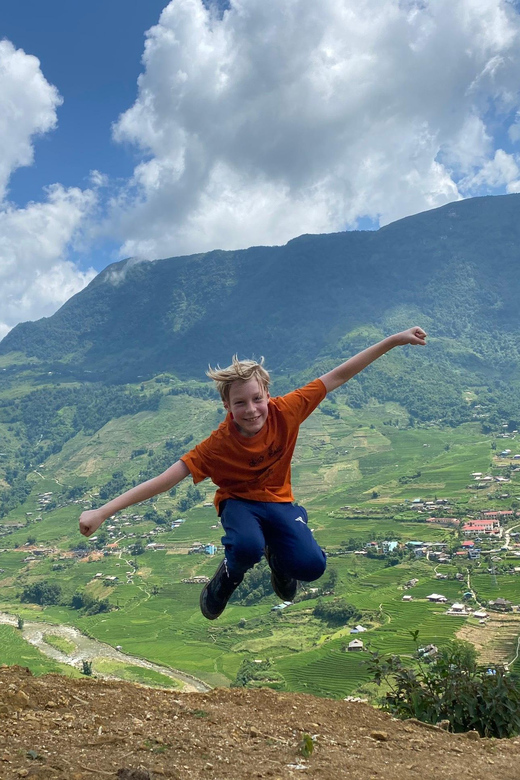
- Sa Seng summit views: Fansipan (3,143m) and a clear look over Sapa and the Muong Hoa valley
- Black Hmong village stops: Hang Da and Hau Thao for everyday routines, not just sightseeing
- A guide who teaches as you walk: expect explanations on rice-field work, housing, and marriage traditions
- Small group size (up to 10): better pacing and less crowd pressure on the trails
- Family lunch included: a simple meal at a local spot along the route
- Real hiking feel: uneven footing, steep sections, and lots of steps—plan for it
Sa Seng to Fansipan: the view that sets the tone
The day kicks off with pickup from your accommodation around 9:00. After a short intro, you start with a 1km uphill on a small trail to get your legs warm. Then comes the real climbing: about an hour of harder trekking before you reach the top of Sa Seng mountain.
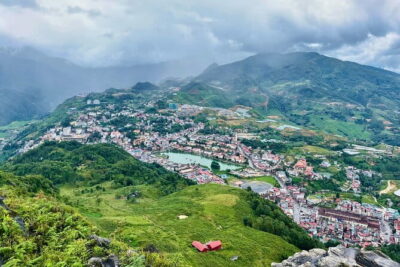
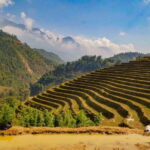
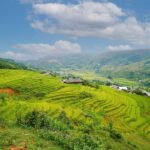
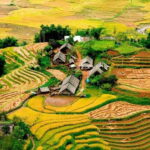
From there, the payoff is the kind of view Sapa is famous for, but in a way that feels earned. You can look toward Fansipan (3,143m), the highest peak in Indochina, and you also get sweeping views down across Sapa town. The best part is what you can see from above: the famed rice terraces in Muong Hoa valley plus the big valley and river shapes that give the region its dramatic feel.
This climb also helps you understand the rest of the day. Once you’re up high, the village paths make more sense—you’re moving down through the same mountain system, into the places where people have farmed for generations.
You can also read our reviews of more tours and experiences in Sa Pa.
Muong Hoa valley rice terraces: why you should care about the timing
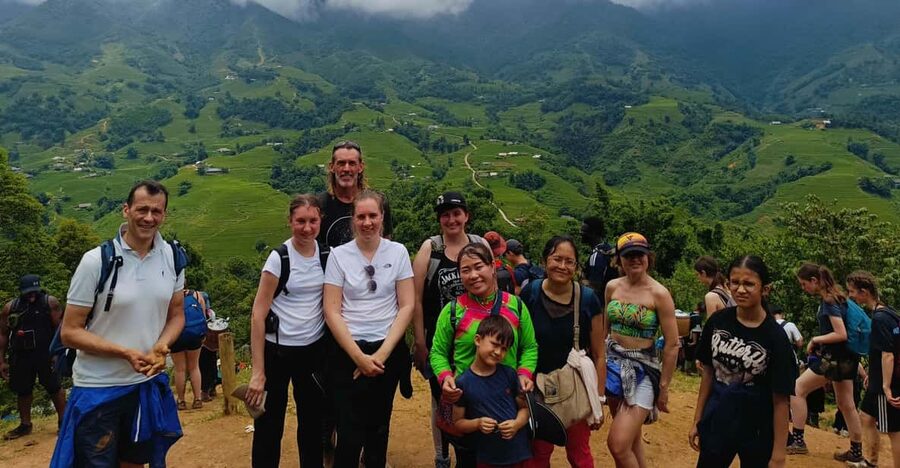
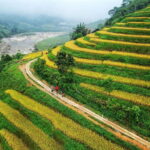
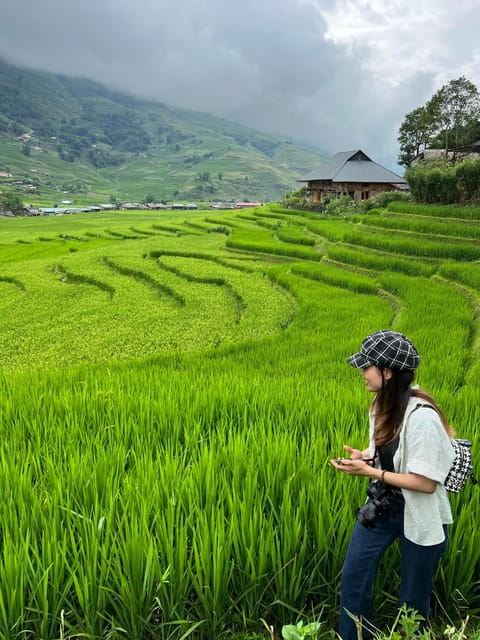
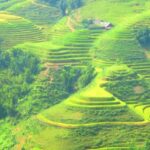
The Muong Hoa valley is the view you remember, even after the trek ends. From the top of Sa Seng, the terraces look patterned—layered like a natural staircase. In clear moments, you can also appreciate how the valleys and waterways shape where rice can grow.
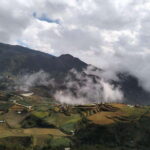
Your trek plan puts you at the viewpoint early enough that you’re more likely to get good visibility. That matters in Sapa, because clouds can roll in and steal the view fast. If conditions are foggy or rainy, don’t panic—your guide will still give you context while you hike, and the terraces can look extra moody and textured in low light.
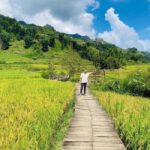
One practical point: the terrain down toward the villages is where you’ll feel the day. The terraces might look gentle from a distance, but once you’re walking, you’ll be stepping across uneven ground. So treat this as a full hiking experience, not a quick photo walk.
Hang Da and Hau Thao: seeing Black Hmong village life up close
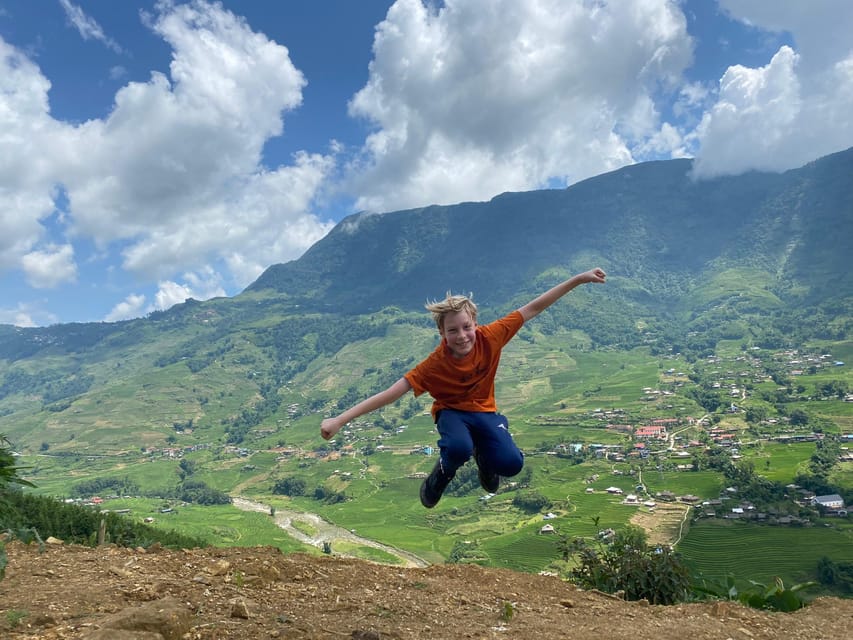
After the viewpoint, the route heads down the mountainside toward Hang Da, a village home to the Black Hmong. This is one of the best parts of the tour because you’re not just passing through. You get time to look at the rhythm of village life as you move through paths and viewpoints that feel quieter than the main tourist strips.
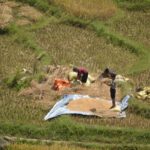
Then you go further down to Hau Thao, again a Black Hmong village. If it’s the right time of day, you’ll see people working on the fields—harvesting or planting rice. That small detail is a big deal. It turns the villages from a backdrop into a living place with schedules, chores, and routines.
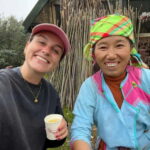
Your guide’s explanations help you connect dots while you’re there. Expect introductions to Hmong marriage traditions, how rice field work is done, and even house-building techniques. Guides like Moa, Mao, or Sung (you may be assigned one of them) are often praised for answering questions and sharing stories in a way that makes the culture feel specific, not generic.
Animals, village food, and the rhythm between stops
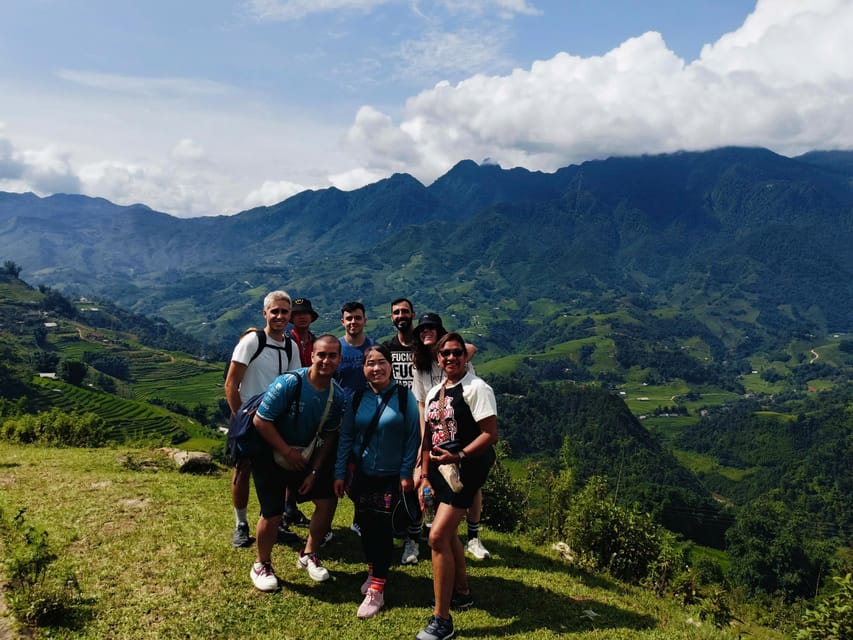
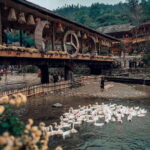
On the way through the village area, you may also see animals that play an important role in local life. The tour description calls out sightings like buffalos, cows, and pigs. Even if you only catch quick glimpses, it helps you understand that agriculture here isn’t only about rice terraces—it’s about daily husbandry too.
Lunch is included, and it’s served at a small restaurant run by a local family. This isn’t a fancy buffet-style meal. The idea is simple: you eat something filling after morning hiking, in a place that belongs to locals. If you’re someone who likes food as part of travel, this stop is worth paying attention to.
Between the villages, you’ll usually have short pauses and timing built into the day. That matters because Sapa can be physically tiring, especially after rain. A guide who keeps the pace right for the group makes a difference. With groups limited to 10 participants, you should feel less squeezed and more guided than shoved.
Getting to Giang Ta Chai and back to Sapa on time
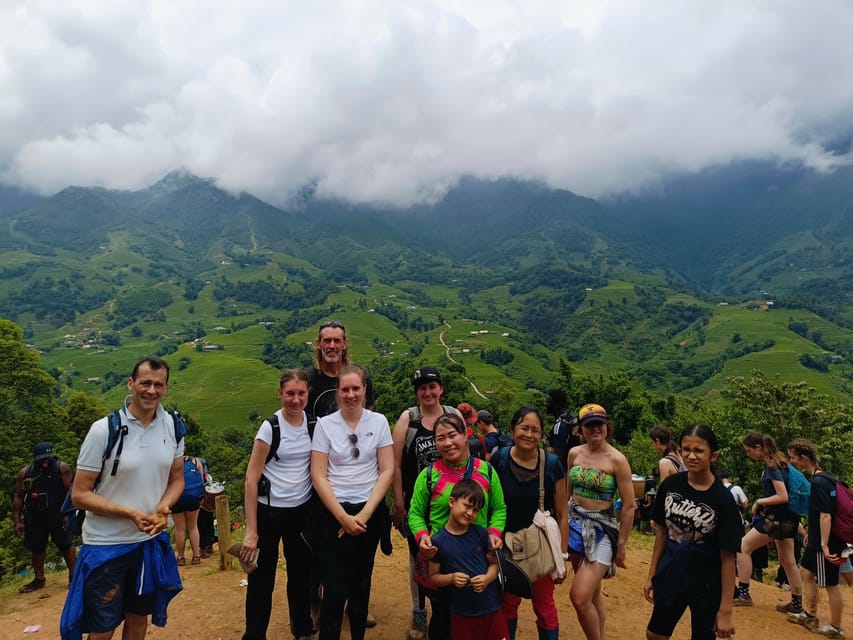
By mid-afternoon, you start heading toward Giang Ta Chai village, where transport waits on the main road. The schedule in the tour description puts this walking transfer at around 15:30, then you return to Sapa after that.
This structure is helpful for planning your day. You get a full experience—viewpoint, two villages, animal sightings, and lunch—without stretching into a multi-day commitment. It also means you won’t be stuck wondering how to get back down when your energy is fading.
One thing I’d flag: morning pickup can be smooth, but in places like Sapa, meeting points and hotel access vary. Build in a little patience and arrive ready to start on time. If your hotel is hard to find, expect a brief scramble to locate each other, then it typically settles into a steady rhythm.
The trek itself: how hard it really is (and how to prepare)
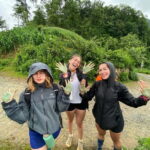
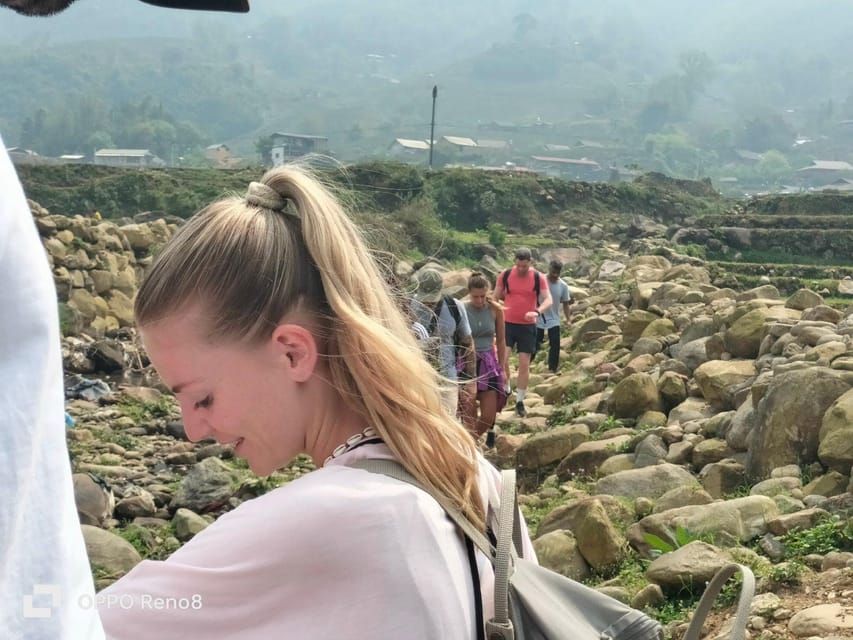
This tour is described as an easy long trek, but the word easy depends on your definition. The day includes uphill, steep parts, and uneven footing. The reviews also back up that it’s more than a casual walk—especially after rain when sections can turn muddy and slippery.
What to do:
- Wear sturdy shoes with grip. If you only have soft sneakers, you’ll likely feel it in the downhill stretches.
- Pack for wet or changeable weather. Even if the forecast looks fine, trails in the mountains can get slick.
- Use the included trekking stick if you want extra stability on slopes.
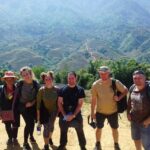
A good guide makes a difference here. Guides are often praised for paying attention to group pacing and safety, so if you feel slower on steeper sections, your best move is to say so early. Small-group trekking works when people communicate, not when everyone silently fights gravity.
Small-group value: what $24 buys you in Sapa
At $24 per person for about 10 hours, the value comes from what’s actually included:
- Traditional lunch
- English-speaking guide
- Village entry fees
- Transport back to Sapa
- 1 small bottle of water per person
- Trekking stick
That list matters because it reduces the “add-on” stuff that can quietly inflate costs. You’re paying for a guided day with access and logistics handled. You’re also paying for time in places you’d struggle to reach alone without local guidance.
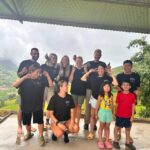
The small-group limit—up to 10 participants—is another value driver. It helps you move at a real hiking pace, ask questions, and get cultural context without feeling lost in a crowd.
If you’re short on time in Sapa (or you don’t want to commit to overnight trekking), this one-day format is a smart way to see what the region is about: mountain views plus Black Hmong village life, all in one continuous route.
Who this trek fits best (and who should skip it)
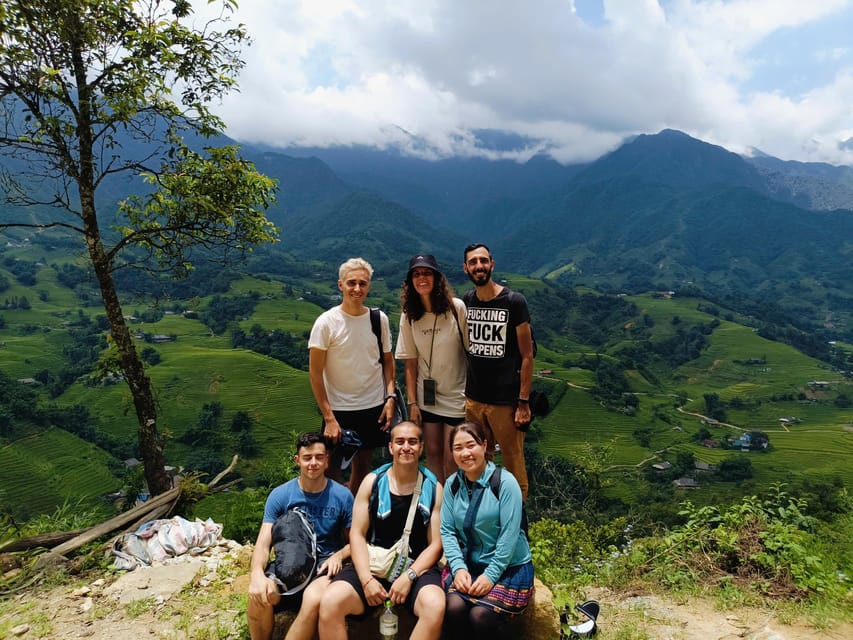
This is best for people who enjoy a long day outside and don’t mind uneven terrain. You’ll get the most out of it if you like asking questions, watching village routines, and walking more than just taking scenic pauses.
It’s not suitable for:
- people with mobility impairments
- wheelchair users
- people over 95 years
So if walking downhill on uneven ground is a no-go for you, choose a gentler option in Sapa. For everyone else: treat it as a workout day with culture attached.
Should you book this 1 Day Mountain Trek to Hau Thao?
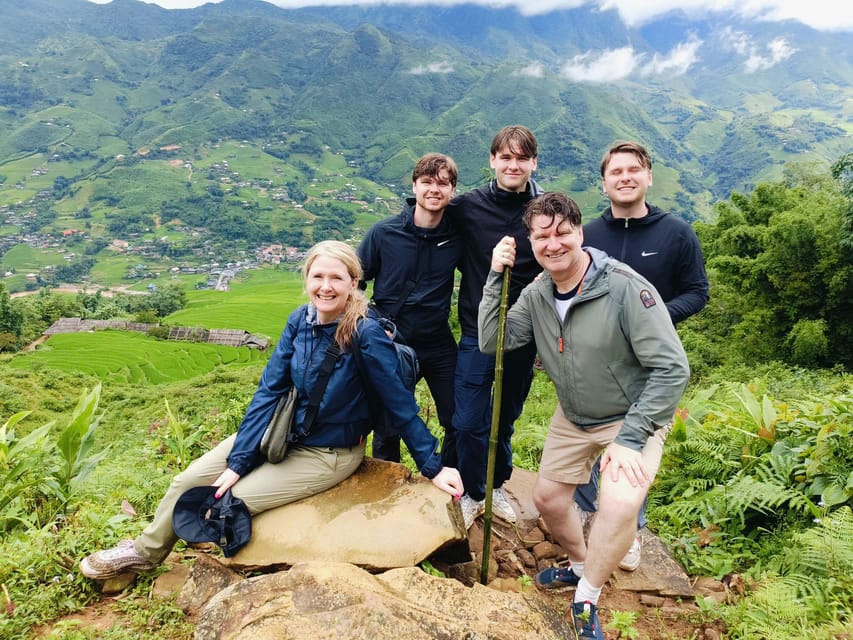
Book it if you want a full Sapa day that goes beyond the viewpoint-and-photo routine. I’d especially recommend it if you care about village context—rice field work, house-building, and marriage traditions—explained by a guide with time to talk as you walk.
Skip it if you’re chasing an easy stroll, or if slippery trails after rain would put you at risk. Also, if you know you get stressed by steep steps and uneven ground, you may feel uncomfortable before the nicest views arrive.
If your goal is: good views, two Black Hmong village stops, included lunch, and a clear return to Sapa the same day, this is one of the better ways to do it without overcomplicating your itinerary.
FAQ
How long is the Sapa 1 Day Mountain Trek to Hau Thao villages?
The duration is listed as 10 hours.
What is included in the price?
The tour includes traditional lunch, an English-speaking guide, village entry fees, 1 small bottle of water per person, transport back to Sapa after the trek, and a trekking stick.
Is the tour guided in English?
Yes. The tour offers a live tour guide in English and Vietnamese.
What should I bring?
The only specific item listed is cash.
What should I expect on the trail?
You should expect a mix of uphill trekking and downhill walking through village paths. The top includes viewpoints over Fansipan and Muong Hoa valley, and the route also passes through Hang Da and Hau Thao.
Is there a small-group limit?
Yes. The group size is limited to 10 participants.
Is it okay for people with mobility issues?
No. It is not suitable for people with mobility impairments, wheelchair users, or people over 95 years.