REVIEW · GRANADA
Granada: Sierra Nevada Veleta Peak Trek with Lunch
Book on GetYourGuide →Operated by D.I.M. TRAP S.L. · Bookable on GetYourGuide
Veleta is the Sierra Nevada payoff day. This guided hike takes you up toward Andalusia’s second-highest peak near Granada, with winter snowshoe conditions and summer walking trails that open into serious mountain views.
I love two things here: the picnic lunch at the summit and the way the guide adjusts the effort level so you can actually enjoy the day, not just survive it. The route pacing feels built for real people, not just fitness models.
One thing to consider: it’s not for everyone. This trek isn’t suitable for kids under 14, pregnant women, or anyone with mobility impairments, and icy stretches in winter demand good boots and gloves.
In This Review
- The Route Starts in Granada: Centro comercial Neptuno to Hoya de la Mora
- Sierra Nevada Trek Mode: Snowshoes and Poles in Winter, Walking Sticks in Summer
- Pace flexibility in real life
- Reaching Veleta: The Summit Moment at 3,396 Meters
- Views You’ll Actually Understand: Granada Plain, Mulhacén, and Clear-Day Sea Air
- What’s Included in the $112 Value (and Why It Adds Up)
- Who This Veleta Peak Trek Is For (and Who Should Skip It)
- Who should think twice
- Should You Book This Veleta Trek?
- FAQ
- Where do I meet the guide for this trek?
- How long is the experience?
- What time does the hiking start?
- Do they use snowshoes in winter?
- What happens in summer?
- Is lunch included, and where is it eaten?
- What kind of group size and language support should I expect?
The Route Starts in Granada: Centro comercial Neptuno to Hoya de la Mora
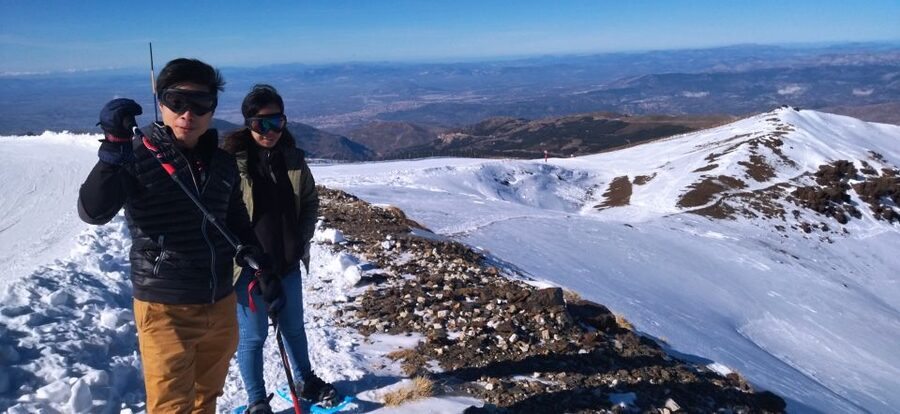
Your day begins at Centro comercial Neptuno, where you meet your guide and get set for the hike. From there, you’ll ride by van for about 45 minutes into the Sierra Nevada area. It’s a nice setup because you don’t spend your morning fighting transport or parking at altitude.
Depending on your departure option, you’ll either leave Granada at 09:00 or meet at the Hoya de la Mora area at 10:00. Either way, the timing is designed so you’re hiking in the daylight and back around 18:00.
Before you step onto the trail, you get a safety briefing. That matters on this mountain. Even on a “medium” day, altitude plus ice or snow can turn a normal-looking slope into a place where technique counts.
Sierra Nevada Trek Mode: Snowshoes and Poles in Winter, Walking Sticks in Summer
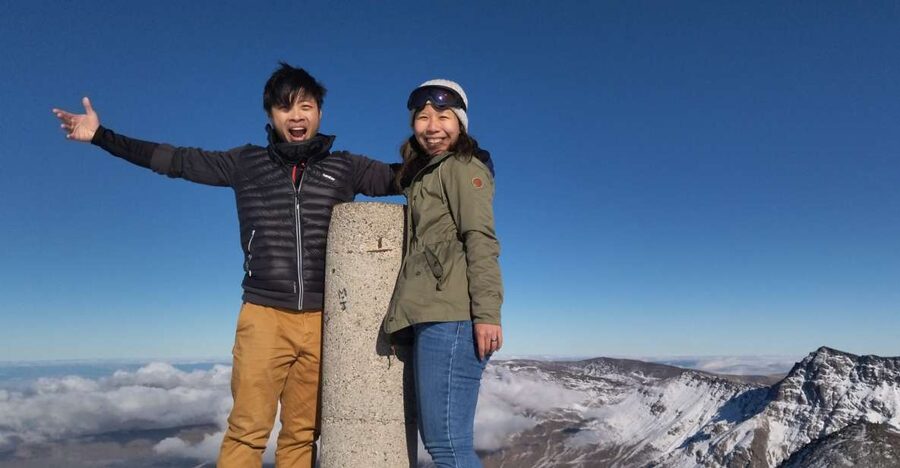
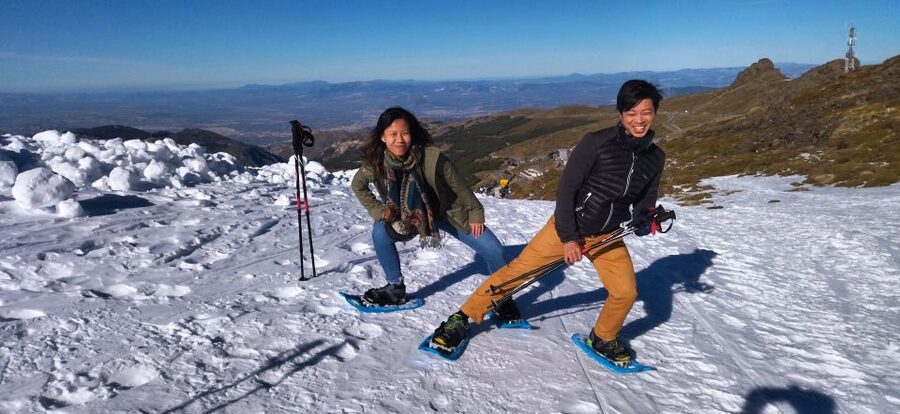
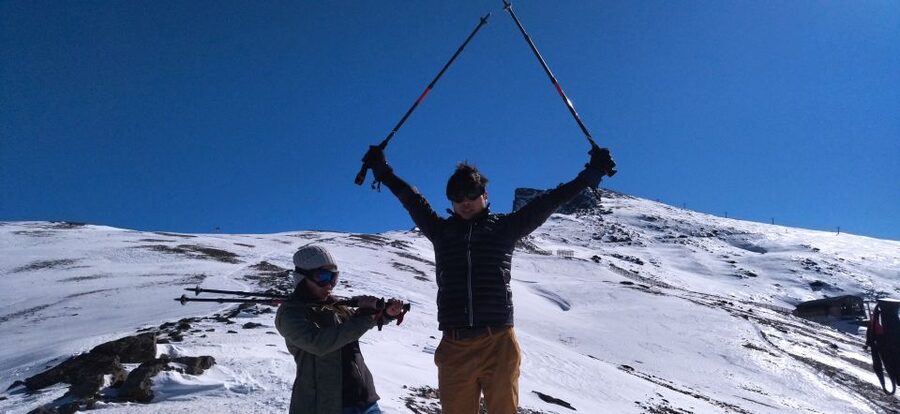
This tour works year-round, but the gear and feel change fast with the season. In winter, you’ll use snowshoes and poles. In summer, you’ll hike with walking sticks. The guide also adapts the trek style based on your sportive level, so the day doesn’t become a one-size-fits-all grind.
That adaptability shows up in the small choices: how often you pause, how fast you climb, and how the guide talks you through footing. On snowy surfaces, a good guide matters more than people think. One wrong step can turn a “great workout” into an “ice lesson.”
The terrain starts with broad mountain scenery, then gradually firms into steeper stretches as you push higher. If you’re coming in during cold weather, treat it like a layers-and-gloves day, not a light jacket day. Even when the weather looks calm from town, the top can feel sharp.
What you should bring (and why):
- Hiking shoes with grip (winter conditions are a different game)
- Gloves and a warm jacket
- Hat, sunglasses, and sunscreen (yes, even in cold)
- A daypack for layers and essentials
- Waterproof shoes if conditions look wet or snowy
Pace flexibility in real life
The biggest “value” of this trek is how the guide handles pace for different bodies. I like that this isn’t marketed as a pure challenge run. You’ll still climb to the top, but your guide can help you pace it—whether you’re managing knees or simply want your breath back before the views.
Reaching Veleta: The Summit Moment at 3,396 Meters
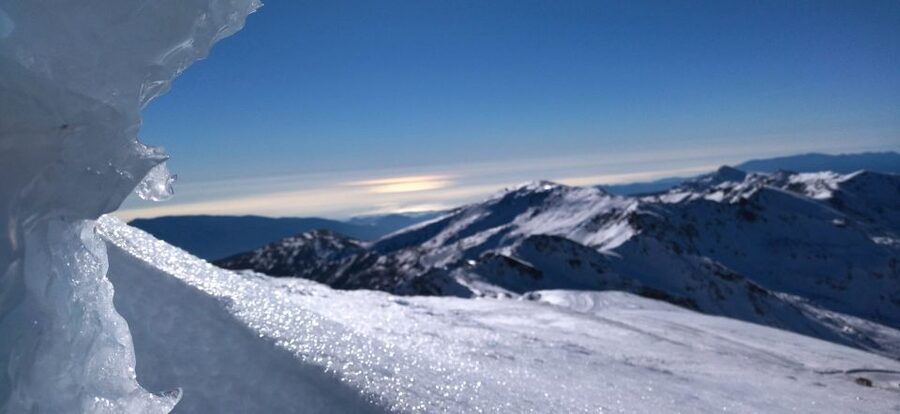
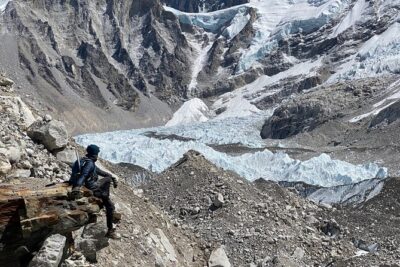
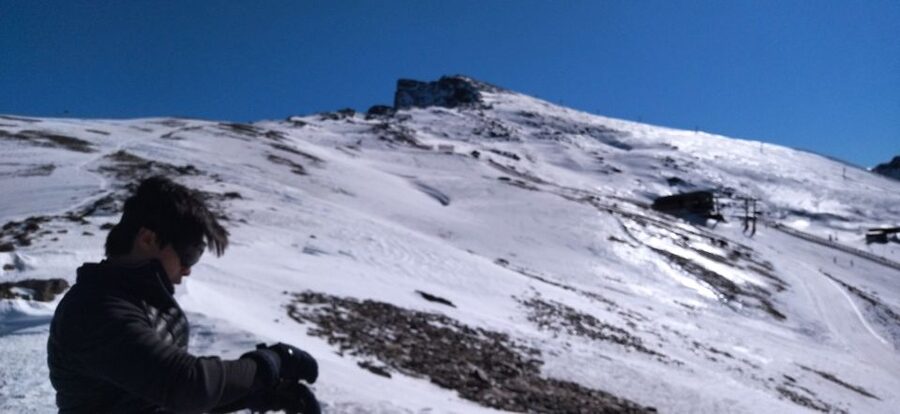
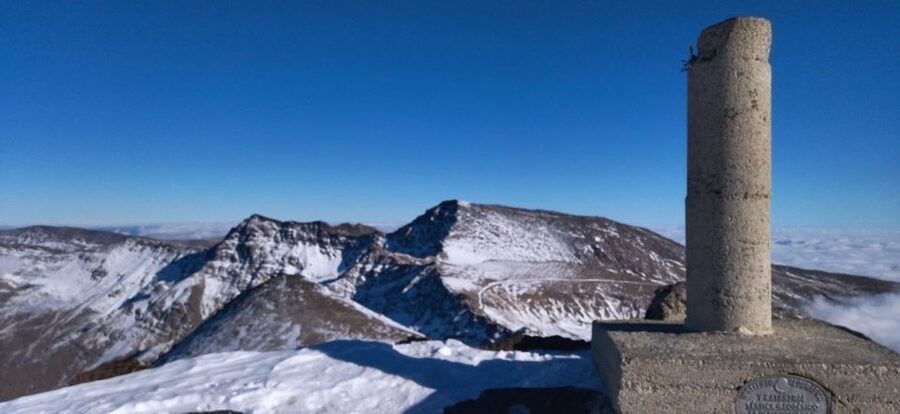
The main goal is the summit of Veleta Peak (3,396 meters). That number isn’t just trivia; it explains the experience. Above treeline, the air gets thinner and the weather can turn quickly—so the summit pause feels earned.
Once you get there, you stop for a well-deserved rest and a picnic lunch. This isn’t the usual “grab a snack and keep moving” situation. The whole point is that you’re meant to take a break at altitude, sit down, and enjoy the day from the highest spot you’ve reached.
Lunch details that can make your day smoother:
- You’re provided water and snacks, so you’re not rationing from a travel-sized bottle.
- Lunch has been handled as vegan on request, so if you eat plant-based, don’t assume you’ll be stuck with bread and disappointment.
- If the weather is rough, the plan can shift. In cold or windy conditions, you may eat closer to shelter and wait out the worst of it rather than forcing a windy picnic on a ledge.
There’s also a small celebratory vibe on some departures after the descent—think light drinks with the group—because the day isn’t only about the climb. It’s also about making it back together.
Then comes the descent. Expect it to feel different from the climb. Your legs burn, your knees complain a bit, and your focus moves to stable footing. The guide keeps an eye on energy and footing so you finish the hike feeling proud, not wrecked.
Views You’ll Actually Understand: Granada Plain, Mulhacén, and Clear-Day Sea Air
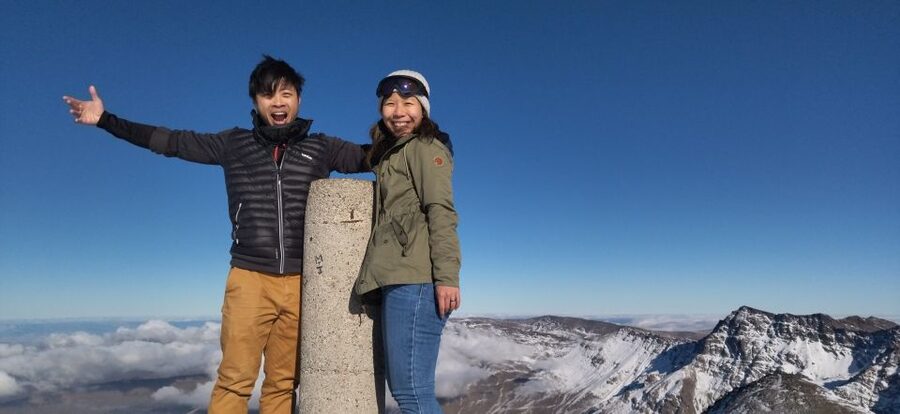
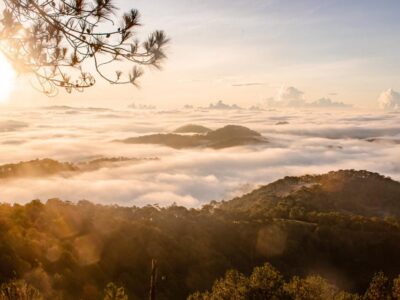
The views here aren’t random “pretty scenery.” They’re the kind that help you read the Sierra Nevada from above. Early on, you get a look out over the fertile plain of Granada, which gives you scale: the city is down there, and the mountains are real walls.
As you climb, you get sightlines that point toward big peaks—especially Mulhacén, which you’ll be able to recognize from the high routes. That’s part of what makes Veleta special: it gives you a wide-angle feel across the range, not just one ridge line.
On clear days, you can even see toward the Mediterranean Sea. That’s one of those “you believe it only once you’re up there” moments. It also helps you understand why locals call this region a year-round playground. When visibility is good, the summit feels like a panoramic screen.
And even if the day isn’t perfect weather-wise, the guide’s job is to keep it meaningful: safe hiking, smart pacing, and getting you to the best point possible for the conditions.
What’s Included in the $112 Value (and Why It Adds Up)
At $112 per person for about 7 hours, this trek is priced like a guided mountain day—meaning you’re paying for more than just walking.
Here’s what you’re actually getting:
- Round-trip transportation from Granada (starting at Centro comercial Neptuno)
- A mountain guide (English and Spanish)
- Civil liability and accident insurance
- Snowshoes and poles (winter) and the right hiking support gear
- Picnic lunch
- Water and snacks
- A digital photographic report
For value, I think the biggest wins are the guide, the included transport, and the equipment. Altitude treks quickly become expensive when you have to rent gear, figure out routes, and then pay for taxis back and forth. Here, it’s handled.
The small group size helps too. Limited to 10 participants, the day feels less like a cattle walk and more like a guided outing where you can ask questions and adjust when your body needs it.
If you’re the type who likes learning while you hike, you’ll also appreciate the storytelling style the guide brings—history and geography threaded into the hike rather than delivered like a lecture you didn’t ask for. It makes breaks feel useful, not wasted.
Who This Veleta Peak Trek Is For (and Who Should Skip It)
This trek fits best if you:
- Want a guided day with a clear summit goal
- Are comfortable with steep uphill sections and altitude effects
- Appreciate equipment and safety guidance (especially in winter)
- Prefer smaller groups so the guide can adjust pace
It’s also ideal if you’re traveling solo or as a couple and want a day that feels outdoorsy and real, not just sightseeing from a bus window.
Who should think twice
Don’t book if you:
- Need wheelchair-friendly routes (not suitable for mobility impairments)
- Are traveling with children under 14
- Are pregnant
- Have health limitations that make steep, cold, or icy conditions risky (the tour can adapt pace, but it can’t change the mountain)
In winter, icy stretches demand proper footwear and warm gloves. If you show up underdressed, the summit may still be within reach—but you’ll feel it in your hands and feet the whole way up.
Should You Book This Veleta Trek?
If you want a Granada day that feels like you left the city behind for real, this is a strong choice. The combination of guided safety, small group size, included gear, and a summit picnic makes it feel like a complete mountain experience rather than a “basic walk with a guide.”
Book it if:
- You’re aiming for Veleta’s 3,396-meter summit and want a day built around that goal
- You like structure: transport, timing, lunch, and gear handled
- You’re okay with steep climbs and adjusting your effort level
Skip or reconsider if:
- You’re not comfortable hiking on icy or snowy ground in winter
- You need accessibility support that the route can’t provide
- You’re traveling with young kids or you fall into the stated non-suitable categories
If the weather looks questionable, don’t panic. The guide calls it responsibly, and the day can still be memorable even if conditions change the plan.
FAQ
Where do I meet the guide for this trek?
You meet your guide at Centro comercial Neptuno.
How long is the experience?
The trek runs about 7 hours total.
What time does the hiking start?
You’ll either depart Granada at 09:00 or start from the Hoya de la Mora area at 10:00, depending on the option for your group. You return around 18:00.
Do they use snowshoes in winter?
Yes. In winter you’ll use snowshoes and poles to handle snow and ice.
What happens in summer?
In summer, you hike using walking sticks rather than snowshoes.
Is lunch included, and where is it eaten?
Yes, lunch is included. You’ll have a picnic at the summit after reaching Veleta Peak.
What kind of group size and language support should I expect?
It’s a small group, limited to 10 participants, and the live guide speaks English and Spanish.