Annapurna Base Camp rewards patient hikers. This classic Nepal trek stitches together big-altitude drama, village days, and that unforgettable feeling of reaching Annapurna Base Camp at 4,130m. You also get the wider Annapurna Conservation Area context, plus dramatic peaks you can spot again and again as you climb.
I love how the pace is built around real altitude: long enough to feel like a trek, not so rushed that you’re always fighting your lungs. I also really like the human factor—many trips on this route put Damu at the center of the experience, with trip planning that can be adjusted and a team that’s attentive (including porters like Bahta on some departures).
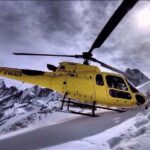
The main drawback to plan for is weather volatility. Even when conditions look promising, cold snaps and snow can happen, and helicopter plans sometimes get canceled.
In This Review
- Key Highlights Worth Caring About
- Annapurna Base Camp: What You’re Really Signing Up For
- Kathmandu and Pokhara: Why Days 1–2 Matter
- From Nayapul to Hille (1496m): Your First Trek Day Signals the Tone
- Ghorepani and Poon Hill: The Classic Sunrise Play
- Sinuwa to Deurali: When Altitude Starts to Feel Real
- Day 8 to Annapurna Base Camp (4,130m): The Payoff Day
- Bamboo and Jhinu-Danda: The Descent Turns You Into a Different Hiker
- Back to Kathmandu and a Real Reset Day
- Price and What’s Actually Included at $769.24
- Guide and Team: Why Damu’s Name Comes Up So Often
- Fitness, Expectations, and Who Should Consider This
- Weather, Gear, and Pace Tips That Actually Help
- Should You Book This Annapurna Base Camp Trek?
Key Highlights Worth Caring About
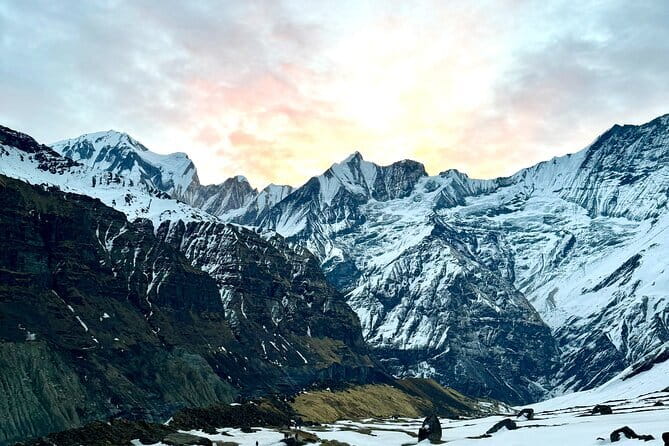
- Sunrise at Poon Hill for wide views before the main trekking day
- Annapurna Base Camp at 4,130m, reached from a staged climb over several days
- Damu’s on-the-ground planning, plus strong communication and on-trail support
- Private setup so it’s only your group, not a mixed crowd
- Smart staging after altitude pushes, including an actual rest day back in Kathmandu
Annapurna Base Camp: What You’re Really Signing Up For
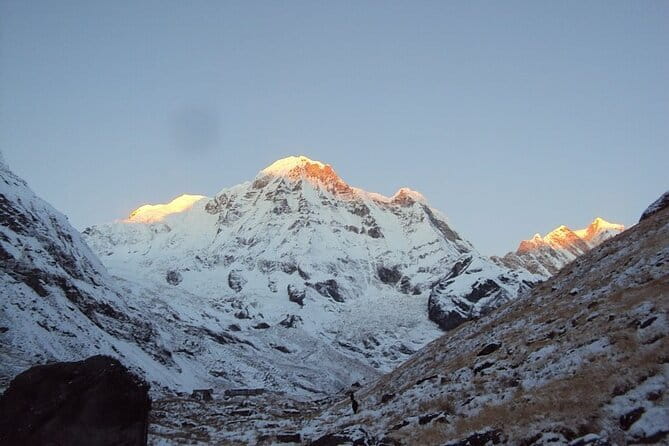
This trek isn’t about ticking boxes. It’s about spending days slowly turning up the altitude dial, then being rewarded with jaw-dropping mountain views that feel earned. You’ll move from Kathmandu (about 1,350m) down to Pokhara (about 860m), then steadily back up toward the Annapurna region’s high country.
You’ll also be traveling through a place Nepal takes seriously: the Annapurna Conservation Area. That matters because you’re not just chasing views—you’re passing through communities and landscapes that are protected and managed.
From the start, this trip is designed for people with moderate physical fitness. Reviews on this route also point to the fact that it’s challenging, but not framed as a mountaineering mission. If you walk regularly and respect the climb, you can do it.
You can also read our reviews of more tours and experiences in Kathmandu.

Kathmandu and Pokhara: Why Days 1–2 Matter
Day 1 is an arrival day in Kathmandu at roughly 1,350m. This is the moment to get your bearings: hydrate, eat something simple, and avoid the temptation to cram in sightseeing that leaves you exhausted. Kathmandu is also where you’ll meet up before the trek logic kicks in.
On Day 2, you drive to Pokhara—about 220km and roughly 6 hours. Pokhara sits much lower at around 860m, which is a good thing. It gives you a physiological reset before the trekking starts, and it makes the first hiking day feel less like a jump off a cliff. This transfer also includes an air-conditioned vehicle, which is a nice quality-of-life upgrade after busy city time.
From Nayapul to Hille (1496m): Your First Trek Day Signals the Tone
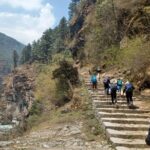
Day 3 starts with a drive to Nayapul, then you trek to Hille (about 1,496m) in roughly 4 hours. This day is the trek’s handshake. You’ll feel the rhythm: uphill effort, planned rest breaks, and the gradual shift from road life to walking life.
Hille is at a height where you’re likely to feel the air a bit different, but you’re still not at the “I need oxygen” stage. That’s exactly what you want on day three. It sets up your legs and your breath for what comes later.
Ghorepani and Poon Hill: The Classic Sunrise Play
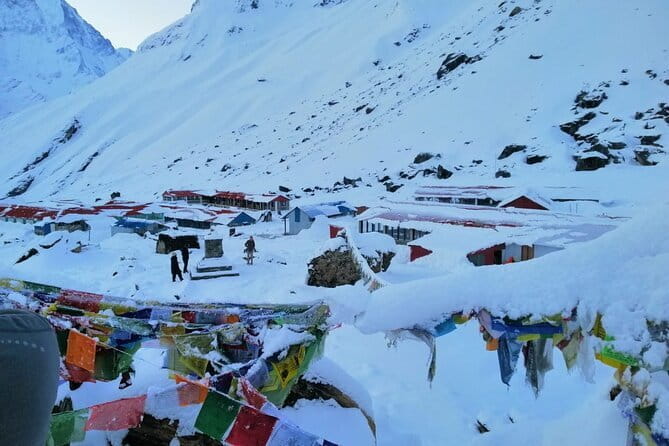
Day 4 takes you up to Ghorepani at about 2,840m, and the trekking time is listed around 7 hours. This is a longer day, so think of it as your first real altitude effort. You’ll want to keep a steady pace—slow enough to stay comfortable, fast enough that you don’t cool down completely.
Day 5 is built around morning hiking to Poon Hill, then trekking onward to Tadapani (around 2,520m) for about 5 hours. Poon Hill is the part of Annapurna many people talk about because it delivers panoramic views early in the day, when the light turns peaks dramatic and crisp.
The practical win here: you’re not just showing up at a viewpoint. You’re doing it while fresh and focused, then rolling into the next stage of the route. That flow is one reason this trek stays popular year after year.
Sinuwa to Deurali: When Altitude Starts to Feel Real
Day 6 heads to Sinuwa (about 2,340m) in around 5 hours. The altitude dips compared with the last day, which helps. Instead of climbing nonstop, you’re given a little “air management” opportunity. It’s the kind of staging that helps your body settle into the rhythm.
Day 7 climbs to Deurali (about 3,230m) in roughly 7 hours. This is where the trek starts to demand respect. You’ll likely feel it in your breathing and legs. If you’ve ever tried to walk uphill too fast, you’ll know that “hero speed” rarely wins at altitude. The smartest move is to match effort to conditions, even if your group is eager.
This is also the part of the trip where having a guide who plans the day matters. On departures with Damu, people consistently highlight how well he communicates, answers questions, and keeps the itinerary strategy sensible for the conditions.
Day 8 to Annapurna Base Camp (4,130m): The Payoff Day
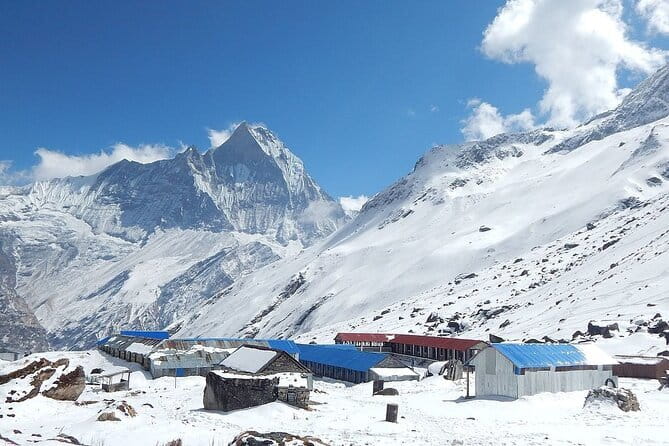
Day 8 is the big one: you trek to Annapurna Base Camp at about 4,130m in around 4 hours. That’s a short trekking time on paper, but don’t let the hours fool you. Altitude turns simple steps into serious work.
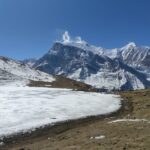
What you’re really buying here is perspective. After days of climbing and staging, Base Camp is where the Annapurna range starts to feel close enough to touch. It’s also where you stop thinking about the schedule and start thinking about what you’re seeing.
One more thing: this is a day where weather can shape your experience quickly. Reviews mention unexpected cold and snow even during times people hoped for milder conditions. So keep your expectations flexible. If visibility is limited, you’ll still come away with that “we made it” moment.
Bamboo and Jhinu-Danda: The Descent Turns You Into a Different Hiker
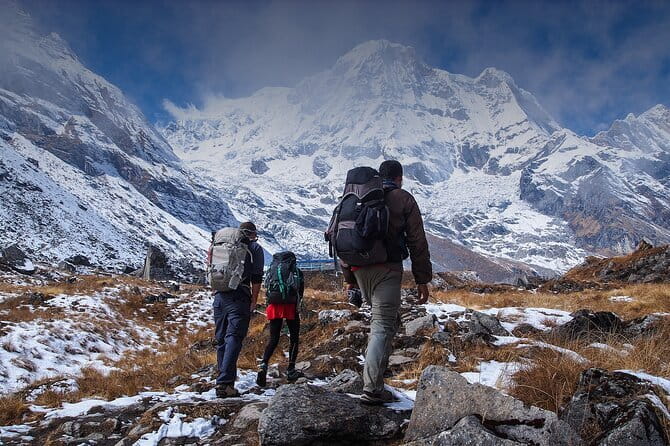
Day 9 takes you from Base Camp down to Bamboo (around 2,050m) in about 6 hours. Descents are their own workout. Your knees and thighs will feel it, and you’ll want good pacing and foot placement. The good news is that the lower altitude usually feels like a relief.
Day 10 continues to Jhinu-Danda (about 1,700m) via Chomrong, around 6 hours. This is a longer day that works as the emotional shift: you’re moving out of the high zone and back toward more human-scale altitude.
Chomrong is part of the Annapurna region’s well-known trail web, and the wider area is associated with Gurung culture—especially along valleys in this region. Even without turning it into a history lesson, you’ll notice how the villages and trail life change as you drop in elevation.
Day 11 then becomes a “big travel day.” You trek to Nayapul and drive to Pokhara, and the drive time is listed as around 8 hours. That’s a long day of motion. If you tend to cramp on long drives, pack for comfort.
Back to Kathmandu and a Real Reset Day
Day 12 drives you back to Kathmandu after the long day in motion. When you get to the city, the win is simple: you can stop walking. Give yourself time for a proper meal, shower, and early sleep.
Day 13 is a rest day in Kathmandu. In a trek this long, this matters more than people think. You’ll feel it in small ways: stiffness, mild soreness, and the mental letdown when the trail finally stops demanding your attention. A rest day lets your body recover before your final departure.
Day 14 is your final departure day.
Price and What’s Actually Included at $769.24
At $769.24 per person, the headline price is only part of the story. Here’s what’s included: breakfast, an air-conditioned vehicle for the drive segments, and all fees and taxes.
What’s not included is just as important for budgeting: lunch, dinner, snacks, bottled water, and coffee or tea, plus alcoholic beverages. On a trek, meals can add up fast because you’re paying for convenience and trail timing. If you want to control costs, plan on bringing a strategy for water and snacks (within what your local plan allows), and treat meals as a separate budget line.
Value-wise, what you’re really paying for is the end-to-end structure: transport, the guided trek flow, and the operational pieces that keep you from improvising at altitude. Many recent experiences with Damu’s team also describe strong organization, punctual timing, and a supportive approach when conditions change.
Guide and Team: Why Damu’s Name Comes Up So Often
One of the most consistently praised parts of this kind of trek is the guide. On this route, Damu is repeatedly described as well prepared, experienced, and very communicative. People also mention his sense of humor and the way he answers questions patiently instead of rushing past them.
There’s also a clear pattern: guides here are not just there to lead you from point A to point B. They’re there to help you manage the trek’s practical realities—pace, daily planning, and adapting when weather doesn’t cooperate.
In at least some departures, you’ll also have porters (for example, Bahta is specifically mentioned). That can make a noticeable difference to how you feel on tougher sections.
Fitness, Expectations, and Who Should Consider This
If you have moderate fitness and you enjoy long walks, this trek fits well. The route is listed as private, and it’s tailored to your group, which usually helps with comfort and pacing.
But be honest with yourself about what “moderate” means. This is a 14-day trekking experience that climbs up to 4,130m. You don’t need to be a runner, but you do need steady hiking stamina. If stairs wipe you out at home, you’ll likely struggle here.
Also, be ready for cold and changing conditions. Reviews mention snow and colder-than-expected weather, and that kind of surprise is part of Nepal trekking life. The solution is preparation, not denial.
Weather, Gear, and Pace Tips That Actually Help
Because weather can swing, I treat this trek like a layers-first trip. Bring a setup that handles cold, wind, and changing light. Even when you expect milder conditions, Annapurna can surprise you.
For pace, think in small wins:
- Go slower than you feel you should early.
- Take breaks before you’re totally winded.
- Use the guide’s plan as the “default.” Then adjust based on how your body reacts.
And don’t ignore small comfort items. On long trekking days and long drives (like the 8-hour Pokhara run on Day 11), comfort becomes productivity. It helps you recover faster and enjoy the scenery more.
Should You Book This Annapurna Base Camp Trek?
If you want a classic, well-structured route with a private group feel, this is a strong pick. The combination of guided support, classic view moments like Poon Hill, and the staged climb to 4,130m makes it a good value option.
I’d book this if you:
- can walk 4–7 hours for multiple days,
- want expert guidance from Damu and a team that keeps planning on track,
- want the Annapurna region experience with realistic staging and time to recover (including that Kathmandu rest day).
I’d pause before booking if you’re very sensitive to cold, dislike altitude changes, or can’t commit to a trekking routine before you go. The trek can be meaningful and not overly technical, but it still asks your body for effort.
If that sounds like you, then yes: this is the kind of Annapurna Base Camp trek that turns into a core travel memory.