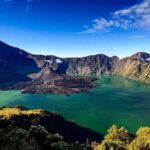
REVIEW · TETEBATU
Mt Rinjani Trekking 2 Days 1 Night Summit
Book on Viator →Operated by HaLoMi Trekker · Bookable on Viator
Rinjani tests you, then rewards you fast. This private 2-day/1-night Mt. Rinjani summit trek from Sembalun puts you on the crater rim for one night, with meals, camping setup, and a guide who also helps with photos. You get a tight schedule, but it’s designed to feel organized instead of chaotic.
What I like most is the way the logistics are handled for you. You get pickup and drop-off on Lombok that can work with your plans, and the trekking part is well-fed, with breakfast, lunch, dinner, snacks, coffee/tea, bottled water, and other beverages. That matters on a summit hike because hunger and dehydration are energy killers.
One big consideration: key trekking gear isn’t included. A headlamp/hand torch, trekking shoes, and a trekking jacket are on you, so if you arrive underprepared, the hardest hours can feel even harder.
In This Review
- Key highlights you’ll feel immediately
- Mt Rinjani 2D/1N: what this “private summit” package is really built for
- Price and value: is $280 per person fair for what you get?
- Day 1 waterfalls and briefing: Sindang Gile plus Tiu Kelep
- Day 2 from Sembalun to the crater rim campsite: where the real work starts
- Day 3 summit push at sunrise potential, then down to the village
- Your guide, porters, and photo support: why the team makes or breaks it
- Camping on the crater rim: what’s included and what you still manage
- Getting to the trail and leaving for Gili: how the transfers reduce stress
- What to pack (and what you’re paying for separately)
- Who should book this, and who should reconsider
- Should you book HaLoMi Trekker’s Mt Rinjani 2D/1N summit trek?
- FAQ
- How long is the Mt Rinjani trekking 2 Days 1 Night Summit experience?
- Where does the trek start?
- What time does the tour start?
- Is this tour private?
- What meals and drinks are included during the trek?
- Are there vegetarian meal options?
- Is there a transfer to Gili Island?
- What trekking gear is not included?
- Are there cancellation or refund options?
Key highlights you’ll feel immediately
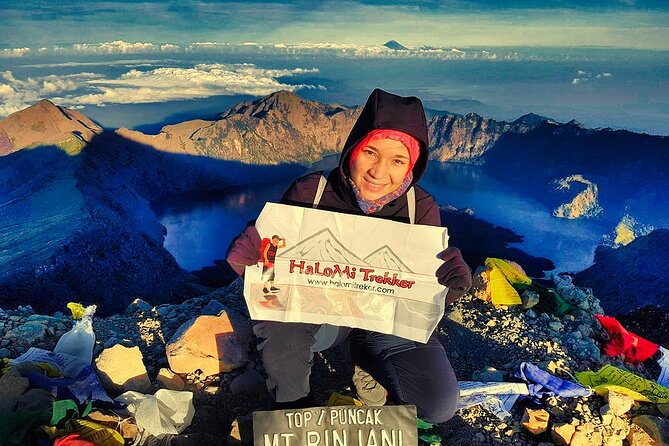
- Two days to the summit with one crater-rim night keeps the challenge intense but focused
- Guides + photographer support means you’re not constantly stopping to figure out camera angles
- Sindang Gile and Tiu Kelep waterfalls add payoff before the main push
- Meals, snacks, and bottled water are included so you can hike without micromanaging supplies
- Free boat transfer to Gili Island after the trek saves you from planning the next step
- Private group only means your pace is less likely to get slowed by strangers
Mt Rinjani 2D/1N: what this “private summit” package is really built for
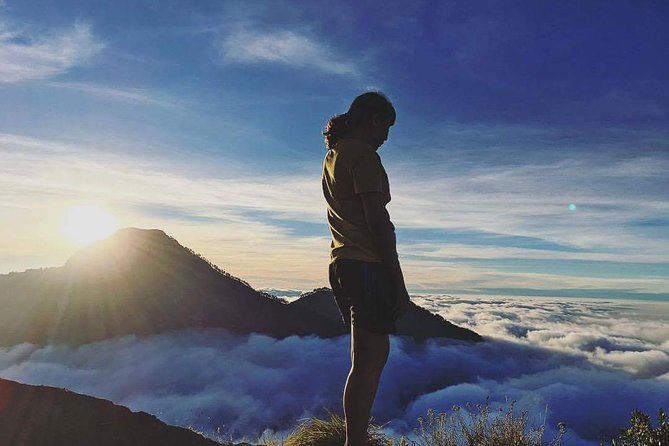
This is for people who want the Mt. Rinjani summit experience without stretching it into a long multi-day trek. The structure is simple: you hike from Sembalun up to the crater rim campsite, camp for one night, then go higher for the summit and come back down to the village level.
The private format matters more than you might think. With your own group, you can move at the rhythm set by your guide, and the staff can tailor support to your group needs. It also helps with morale. When the climb gets steep and tiring, it’s easier when you’re not negotiating with a larger group tempo.
You’ll also get a helpful mix of “effort days” and “warm-up sightseeing.” Day 1 includes waterfall time, which gives you a sense of Lombok’s terrain and gets you moving before you commit to the summit push.
You can also read our reviews of more tours and experiences in Tetebatu.
Price and value: is $280 per person fair for what you get?
At $280 per person, this trek isn’t a budget bargain, but it also isn’t just a ticket to the mountain. You’re paying for a bundled service that reduces a lot of the usual friction: national park fees and local taxes, guided support, camping logistics, meals, and transport.
Here’s where the value shows up:
- Fees and charges are included (environmental management charge/reef tax, national park fees, local taxes). That removes one common surprise cost.
- You’re fed and hydrated on the trail, with breakfast, lunch, dinner, snacks, coffee/tea, and bottled water.
- You get multiple layers of staff support, including driver/guide, local guide, professional guide, and a professional photographer/guide.
- Overnight accommodation is included before the main ascent.
If you’re comparing alternatives, the real question is whether you’d otherwise have to hire separate transport, guides, camp gear coordination, and meals. If you want the summit without turning the planning into a second job, this package is priced like a “less stress” option.
Also worth noting: group discounts are offered, which can help if you’re traveling with friends.
Day 1 waterfalls and briefing: Sindang Gile plus Tiu Kelep
Your day starts with briefing time and then you head to the waterfalls: Sindang Gile and Tiu Kelep. This is a smart setup for a short trek because it gives you an early taste of the outdoors without asking you to go straight into a summit grind.
Sindang Gile and Tiu Kelep are the kind of stops that feel rewarding even when you’re not sure how your legs will behave later. You’ll get that “I’m in the right place” feeling quickly, and you’ll also have time to settle into the pace of your guide and team.
Practical reality check: waterfalls mean slippery ground and wet paths. Wear footwear you can trust. If you’re still deciding what shoes to pack, I’d treat this as your testing day for traction—because the climb is coming.
Day 2 from Sembalun to the crater rim campsite: where the real work starts
Day 2 is the main hiking day leading you to the crater rim campsite at Sembalun crater rim. This is the segment that makes the whole trek work in two days. It’s long enough to feel like a real trek, but the structure is tight enough that you don’t lose momentum.
What you can expect, practically, is support designed for minimal hassle:
- meals and snacks are included,
- you have bottled water as part of the package,
- and your guide (along with the team) handles the flow of the hike.
From a comfort standpoint, the crater rim camping is where the “1 night” part becomes meaningful. You’re not just rushing through altitude stages. You’re stopping to camp, which also sets you up for an early summit push the next day.
In the feedback I’ve seen, guides and porters often get credit for pace control and taking care of what they can carry. One traveler highlighted being well fed and getting enough water supply until the descent. That’s exactly what you want from a short-format summit trek.
Day 3 summit push at sunrise potential, then down to the village
Day 3 is where Mt. Rinjani earns its reputation. You hike up to the summit and then walk back down to the village.
The summit timing is built for early starts, with one reported highlight being a sunrise summit. Even if sunrise is affected by conditions, expect a climb that starts in the early hours and asks you to stay focused when you feel tired.
This is also where your gear choice matters most. If you don’t have a headlamp/hand torch, or if you’re uncomfortable in your shoes, you’ll feel it quickly in the darker, steeper sections. The package doesn’t include those items, so you’ll want to plan ahead.
When you make it back down, the day ends with you finishing at the village side of the hike rather than continuing into another overnight. That’s a key difference from longer routes: you get the big moment, then return to normal rhythms fast.
Your guide, porters, and photo support: why the team makes or breaks it
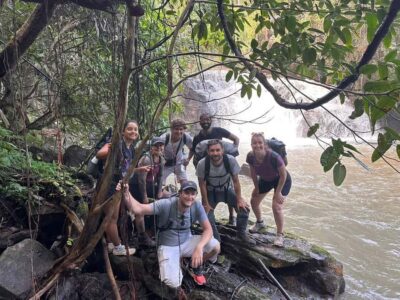
This trek is built around a guide-led experience, and the added photographer/guide support is a real plus if you care about documenting the climb without spending half your energy stopping.
Different guides are associated with different strengths in the experience you’ll likely notice on the ground. Names that have stood out include Mr Sinjan and Uki, plus guides like Wir, Adi, Mul, and others. Regardless of who you get, the most consistent pattern is that the guides and porters are there to keep you moving safely and fed.
In a short trek, safety comes down to two things:
1) good pacing (not going out too fast),
2) fast communication if someone feels unwell.
One unhappy story involved a guide handling a hypothermia situation poorly. It’s not something you want to bet your trip on. My practical takeaway: treat cold and discomfort seriously, and speak up early if you’re not feeling right. A good team responds quickly, and your job is to flag issues fast.
Camping on the crater rim: what’s included and what you still manage
Camping is part of the core deal here, and it’s included. The package covers overnight accommodation and camping-related logistics so you’re not chasing tent setup details in the dark.
What you still manage:
- your own daily pack/small bag (not included),
- the headlamp/hand torch (not included),
- your trekking shoes and trekking jacket (not included).
The reason I keep repeating this is simple: for a summit trek, the most expensive mistake is showing up with the wrong gear. If you’re hiking in uncomfortable shoes, your feet pay interest all day. If you’re hiking without proper night visibility tools, you lose confidence exactly when the trail demands focus.
Also keep in mind: long pants/trousers are not included. If you’re bringing them, choose something you can move in while staying protected.
Getting to the trail and leaving for Gili: how the transfers reduce stress
One reason this package feels easier than DIY is the transport setup. You can get pickup and drop-off anywhere on mainland Lombok that works for you, and your driver can collect you from Lombok the day before departure and then drop you at your next destination afterwards.
Then there’s the bonus that many people care about: a free boat transfer to Gili Island after the trek. That means you can plan one fewer piece of your trip. You don’t have to scramble for timing or tickets right after you’re exhausted.
This matters because after a summit day, your brain is done. A well-timed transfer turns the next leg of your trip into actual vacation instead of logistics homework.
What to pack (and what you’re paying for separately)
The package includes meals, snacks, coffee/tea, bottled water, beverages, and trekking support. But it does not include several items you should treat as non-negotiable for comfort and safety:
Bring:
- head lamp/hand torch
- trekking shoes
- trekking jacket
- small bag / daily pack (you carry)
- small backpack/daily pack (listed separately, but same idea)
- long pants/trousers
Also note:
- the trek doesn’t include tips for guide and porters (tips are available to give at your discretion),
- alcoholic drinks aren’t included (you can purchase them),
- and you may want to travel with a plan for what you carry versus what porters handle.
One review also advised following the packing list, and that advice is solid: don’t wait until the morning of to decide what you’ll bring. Your future self on the summit trail will thank you.
Who should book this, and who should reconsider
This trek fits best if you:
- want a physical challenge but within a tight time window (2 days hiking),
- are okay with crater rim camping for one night,
- like having meals and water covered so you can focus on the climb.
It’s also suitable for “most travelers” per the tour notes, and children must be accompanied by an adult. If you’re traveling with a group, private doesn’t mean you can’t make it social; it just keeps the hike from turning into a crowd-management exercise.
Who should think twice:
- If you’re not ready to hike hard over multiple days, this can feel too intense for a 2D1N format.
- If you don’t have the right gear, the experience can shift from challenging to miserable quickly.
Heat and humidity can also make the climb feel tougher in real life. Plan your pace with that in mind, and don’t judge your progress too early in the hike.
Should you book HaLoMi Trekker’s Mt Rinjani 2D/1N summit trek?
If you want a tightly run Mt. Rinjani summit experience with crater rim camping, solid meal support, and built-in transfers (including the free Gili boat option), this is a strong choice. The high approval rate reflects something I value in hikes: teams that handle logistics well, keep you fed, and help you reach the summit.
I’d book it if you already have (or plan to buy) the non-included essentials like trekking shoes, a headlamp/hand torch, and a trekking jacket. If you’re missing those, fix that first.
If your main goal is a laid-back hike, or if you’re not confident in your ability for a summit push on a short timeline, you may want a longer route. For the right hikers, though, this is the kind of trip that turns into a life memory—two hard days, one big payoff, then off to Gili to recover.
FAQ
How long is the Mt Rinjani trekking 2 Days 1 Night Summit experience?
The experience is about 3 days total, with 2 days of hiking and 1 night camping on the crater rim.
Where does the trek start?
The trek is from Sembalun, and the itinerary includes hiking up to the Sembalun crater rim campsite.
What time does the tour start?
The start time listed is 8:00 am.
Is this tour private?
Yes. It is a private tour/activity, so only your group participates.
What meals and drinks are included during the trek?
It includes breakfast, lunch, and dinner during the trek, plus coffee and/or tea, snacks, beverages, and bottled water.
Are there vegetarian meal options?
Yes. Vegetarian options are available if you advise the provider at booking.
Is there a transfer to Gili Island?
Yes. There is a free, bonus boat transfer to Gili Island after the trek.
What trekking gear is not included?
Not included are items such as a headlamp/hand torch, trekking shoes, trekking jacket, and long pants/trousers.
Are there cancellation or refund options?
No. The experience is non-refundable and cannot be changed for any reason. If you cancel or ask for an amendment, the amount you paid will not be refunded.