REVIEW · KAMPALA
3 Days Bwindi Gorilla Trekking tour
Book on Viator →Operated by East African Jungle Safaris ltd · Bookable on Viator
Gorillas are real, not a poster. This 3-day Bwindi tour pairs a long, scenic drive with a well-run trek day, plus a cool break at Lake Bunyonyi. You get the big planning stuff handled—lodging, meals, and transportation—so you can focus on the forest and the moment you find your gorilla group.
I love the way the schedule is built around clear timing, especially the 7:45 am briefing at the park headquarters before you start trekking. I also like the all-in approach: national park fees, bottled water, and multiple meals are included, which makes budgeting less of a guessing game.
The main drawback is physical: the trek can take 1 to 8 hours, and you’re moving through thick undergrowth. If you’re not used to steep, slippery forest paths, it’s worth training a bit first so the day feels manageable.
In This Review
- Key things to know before you go
- From Kampala to Bwindi: the drive that actually helps your day
- Day starts at 7:00 am: meeting point and how timing affects comfort
- The 7:45 am gorilla briefing: rules, expectations, and why it’s not just a formality
- Trek day in Bwindi: thick forest, animal trails, and managing your energy
- Lake Bunyonyi after gorillas: the calm counterweight you’ll be glad you have
- Lodging, meals, and bottled water: what the all-in plan means in real life
- Price and value: is $1,850 actually fair?
- The human side: guides and drivers who make the hard bits feel doable
- Who should book this 3-day Bwindi trek from Kampala?
- Should you book it? My practical recommendation
- FAQ
- Where does the tour start and end?
- What time does the 3-day tour start?
- How long is the tour?
- What’s included in the price?
- What is not included?
- How long is the gorilla trek and how long will you see gorillas?
- What physical condition do I need?
- What happens if weather is bad or I cancel?
Key things to know before you go
- Equator photo stop on the way to Bwindi: a quick stretch break where you can stand in two hemispheres.
- The 7:45 am briefing matters: it sets expectations and covers the gorilla trekking rules.
- Trek time can vary a lot: plan for 1 to 8 hours in the forest.
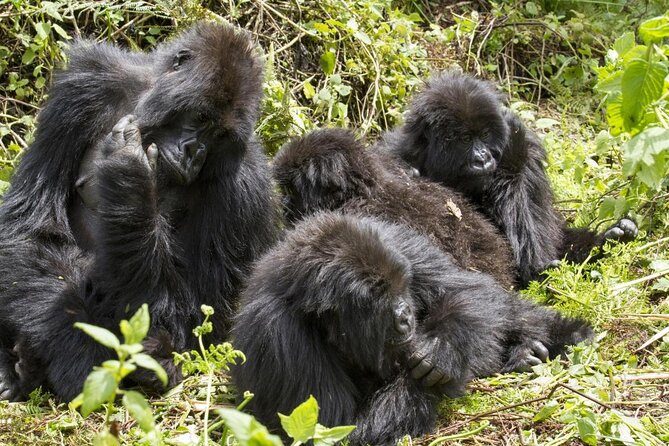
- One-hour gorilla viewing window: once you’re with the gorillas, you get a full hour to watch and listen.
- Lake Bunyonyi is your reset: you trade gorilla-mountain pace for calm lake views afterward.
- Coordination feels human: communication is often led by people like Ruth or Denis, with guides such as Alan, Ronnie, Sam, Gerald, Peter, or Faruk mentioned in past experiences.
From Kampala to Bwindi: the drive that actually helps your day
This tour is built for the Kampala-to-Bwindi reality: you’re in for an 8–9 hour drive on the first travel day. That sounds heavy until you remember where you’re going. When you spend that long getting to Bwindi Impenetrable National Park, you stop treating it like logistics and start treating it like part of the journey.
You also get a practical break strategy. After breakfast, you head out and make a stop at the Green Equator Masaka Road, where you can stand in two hemispheres and take photos. Then there’s another lunch stop en route, which helps you stay steady during the long push toward the forest.
One more thing I like: the ride is planned around comfort between stops. The tour includes a driver/guide and bottled water, so you’re not scrambling for basics while the clock is ticking. That may sound small, but on a day that starts early and runs long, it adds up.
You can also read our reviews of more tours and experiences in Kampala.
Day starts at 7:00 am: meeting point and how timing affects comfort
The tour starts at 7:00 am from Entebbe, and pickup is offered. Even if you’re staying around Kampala, you’ll want to plan for an early morning departure so you don’t lose your first hours to delays.
Early starts are normal for gorilla trekking because your day depends on the park’s schedule. If you’re the type who hates rushing, you’ll still want to treat this one as a calm-but-early operation. The good news is that the tour is structured: you’re not guessing when things happen.
Also note this is private, meaning only your group participates. That matters on long drives. You get your own flow with the vehicle, and you’re less likely to feel like you’re sharing resources with strangers while you’re trying to stay focused.
The 7:45 am gorilla briefing: rules, expectations, and why it’s not just a formality
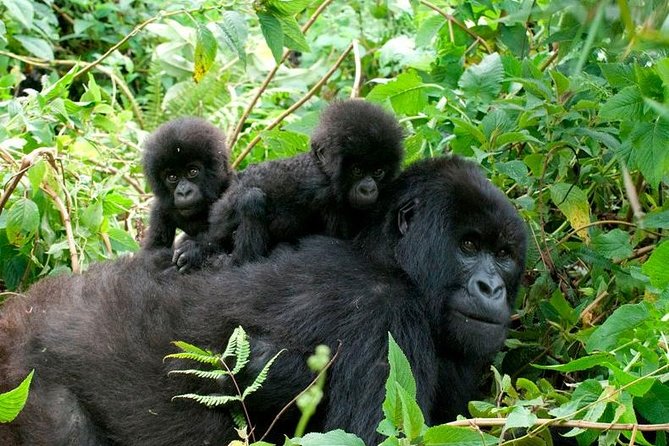
The heart of the experience is the trek itself, and it starts with a briefing at 7:45 am at the park headquarters. Before anyone heads into the forest, you get guidance on the gorilla trekking rules, which is essential for your safety and for protecting the animals.
This briefing isn’t just admin. It shapes how you move once you’re in the forest. When you know what’s expected—how to behave, how to follow your guide, and how to stay respectful—you spend less energy worrying and more energy paying attention.
The tour also builds in time realism. Gorilla tracking can take anywhere from 1 to 8 hours, depending on where the gorillas are and how the day’s trails play out. That range means you should expect an active morning with pauses only when the situation requires it.
Trek day in Bwindi: thick forest, animal trails, and managing your energy
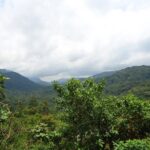
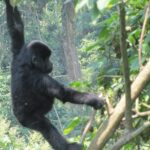
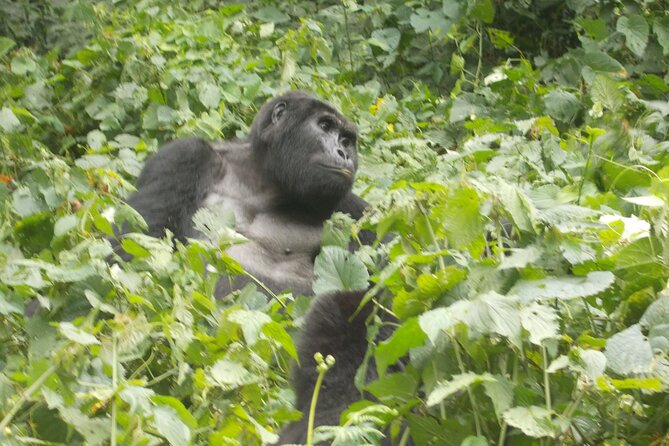
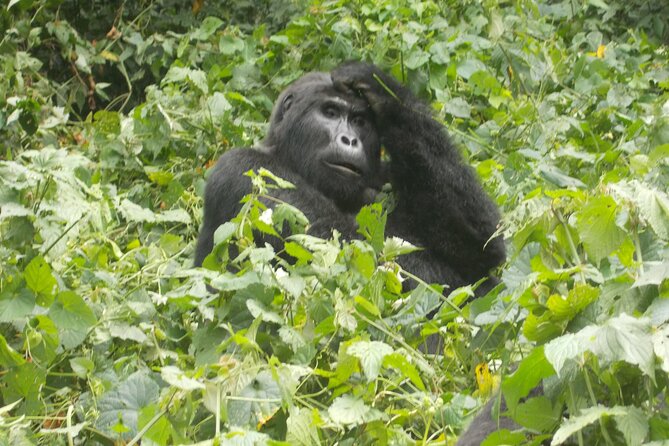
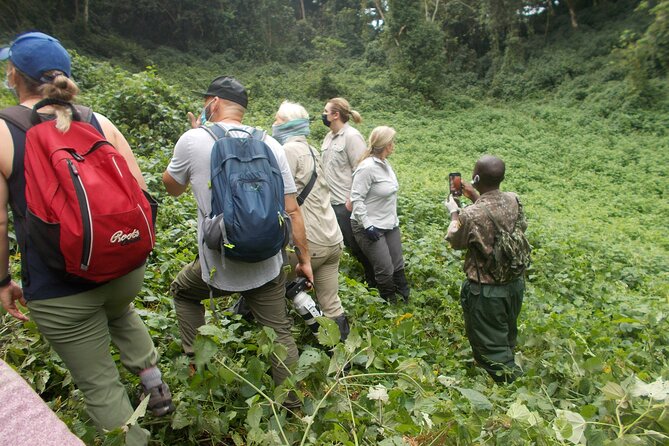
Once you’re out in Bwindi, you’ll be moving through thick creepers and undergrowth. The park is steeply forested and dense, but it’s also crisscrossed by animal trails that help trackers reach tourists. Translation: it’s not a straight hike, and you won’t have perfect control over pace.
What helps is your guide. You’re not walking alone, and you’re not choosing your own route. Your guide helps you navigate the forest and follow the leads that eventually put you in position.
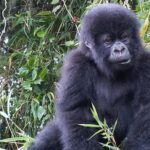
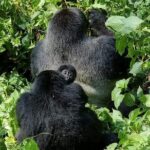
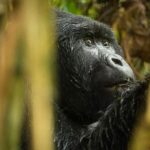
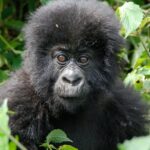
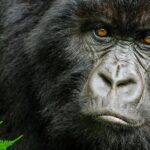
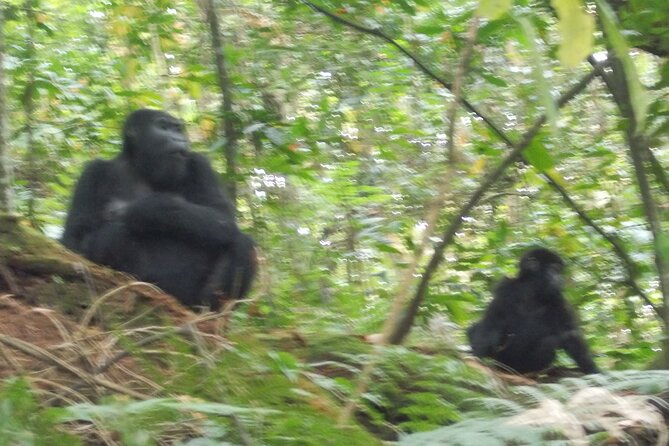
Here’s the key part of the timing: when you find your gorilla group, you get one hour with them. That one-hour window is where the entire trip clicks into place. Your body will feel tired by then, but your senses will kick in—listening, watching, and keeping your attention where it belongs.
If your fitness is moderate rather than strong, you can still do this. The tour specifically mentions moderate physical fitness as the baseline. Still, I’d be honest with myself: any trek where you could spend hours in tough undergrowth is a day to pace yourself, drink water when advised, and stay mentally calm.
Lake Bunyonyi after gorillas: the calm counterweight you’ll be glad you have
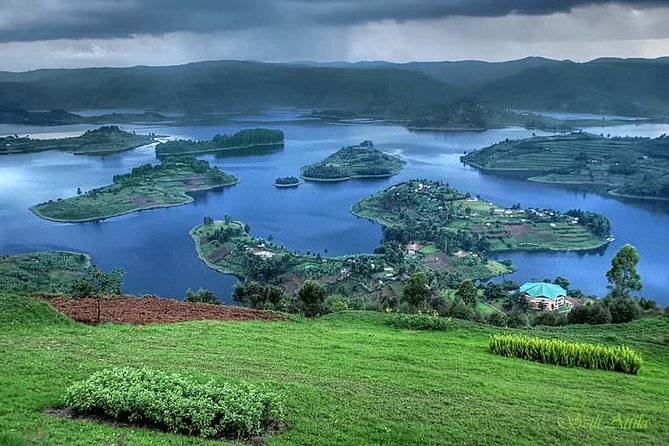
After your gorilla trek day, you transfer to Lake Bunyonyi. This is one of the smartest parts of the package. The day you’re chasing gorillas is intense and focused. The lake day is your decompression.
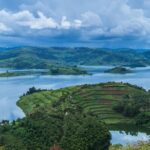
Lake Bunyonyi is often described as one of the most beautiful places in western Uganda, and it’s part of what makes this tour feel more than just a single big event. You get the contrast: mountain gorilla trekking in a dense forest, then a cooler, quieter setting where you can actually process what you experienced.
The drive to the lake is also part of the mood shift. You’ll go through the region often called the Switzerland of Africa due to cool weather near the equator. Even if you don’t think about climate much before you go, that change matters once you’ve been in humid, active forest conditions.
Lodging, meals, and bottled water: what the all-in plan means in real life
This tour includes all lodging, meals, and transportation. Practically, that reduces decision fatigue. You don’t need to compare menus, chase reservations, or worry about where your next meal comes from while you’re moving between major stops.
Your included meals are clearly planned. You’ll have dinner and three lunches included (with bottled water provided). That’s a big deal on safari-style days where hunger can hit fast and energy can drop.
On lodging, past experiences with this operator have included stays such as Rushaga Gorilla Havens in the Rushaga area. Even if your exact property may differ by date, the point is that the operator tends to arrange lodging that matches the trekking plan rather than forcing you to commute after a long day.
One small note: souvenir photos aren’t included, and you can purchase them separately. If you’re hoping for a lot of photo keepsakes, keep that extra cost in mind.
Price and value: is $1,850 actually fair?
At $1,850 per person, this isn’t a budget day. Gorilla trekking itself is expensive because it’s a protected wildlife activity, and it comes with park fees and logistics. So the real question is what you’re buying inside that number.
In this package, you’re not just buying guiding. You’re buying national park fees, lodging, meals, and transportation, plus a driver/guide and bottled water. When a tour includes those core elements, it usually means fewer surprise add-ons that can pop up later.
It also helps that you’re dealing with a company that tends to handle coordination smoothly. Communication is often described as responsive, with people like Ruth and Denis managing details quickly. For solo travelers especially, that kind of organization can be the difference between enjoying the trip and spending mental energy on uncertainty.
So I’d treat the price as a trade: you pay more upfront, but you reduce the number of big decisions and purchases you have to manage during the trip. For a once-in-a-lifetime activity like gorilla trekking, that value argument usually lands.
The human side: guides and drivers who make the hard bits feel doable
In a trek-heavy trip, the guide isn’t a nice-to-have. They’re the person who keeps you moving in the right direction, helps you follow the rules, and turns a chaotic forest day into a navigable experience.
Past experiences linked to this operator mention guides like Alan, Ronnie, Sam, Gerald, Peter, and Faruk—along with drivers such as Eddie and Ronald. You’ll also see names like Ruth and Denis show up in coordination, with communication described as prompt and helpful.
The takeaway for you: this tour seems to prioritize the parts that can make or break the experience—communication before departure and safe, confident driving on long roads. That’s not glamorous, but it’s exactly what you want when you’re leaving Entebbe early and spending hours in forest terrain.
Who should book this 3-day Bwindi trek from Kampala?
This tour fits best if you want an organized, all-in Bwindi gorilla trekking experience without piecing everything together yourself. You’ll especially like it if you want the Equator stop and Lake Bunyonyi included, because it turns the trip into more than just one event.
It’s also a good fit for solo travelers who prefer clear coordination. Several past experiences highlight that the process can feel steady even when you’re traveling alone.
If you’re short on time and you don’t want to waste it planning, this kind of package is a strong match. You still need reasonable fitness, but you won’t need to manage the big logistics yourself.
On the other hand, if you have very limited mobility or you know steep, uneven walking is an issue, the trek range of 1–8 hours through dense undergrowth is a serious factor. In that case, I’d look at a lighter option or talk directly with the operator about what’s realistic for your body.
Should you book it? My practical recommendation
Book this tour if you want the classic Bwindi experience with clear structure: a scheduled morning briefing, a real chance to see gorillas in the wild, and a post-trek stop at Lake Bunyonyi that helps you reset.
I’d think twice if you’re hoping for a relaxed stroll. Even when you pace well, the day in the forest can take hours, and the terrain is demanding by nature. You’re paying for access to a protected wildlife moment, not for an easy hike.
My final advice: plan to be ready for an early start, bring a pack that you can handle for a long trek day, and treat the unknown timing as part of the deal. When you do that, this tour has the ingredients that make gorilla trekking go from stressful to unforgettable.
FAQ
Where does the tour start and end?
The tour starts at Entebbe, Uganda, and it ends back at the same meeting point.
What time does the 3-day tour start?
Start time is listed as 7:00 am.
How long is the tour?
It runs for 3 days (approximately).
What’s included in the price?
National Park fees are included, along with bottled water, driver/guide services, dinner, and three lunches.
What is not included?
Souvenir photos are not included (they are available to purchase).
How long is the gorilla trek and how long will you see gorillas?
The trek can take from 1 to 8 hours, and once you’re with the gorillas you get one hour.
What physical condition do I need?
The tour says travelers should have a moderate physical fitness level.
What happens if weather is bad or I cancel?
The experience requires good weather. If it’s canceled due to poor weather, you’ll be offered a different date or a full refund. You can cancel up to 6 days in advance for a full refund, and shorter notice has a reduced or no refund outcome based on how close it is to the start time.