REVIEW · SA PA
Sapa: Ta Phin Village Trek & Red Dao Herbal Bath
Book on GetYourGuide →Operated by ASu Sa Pa Trekking Tour · Bookable on GetYourGuide
Herbal bath after village trekking sounds perfect. This is a 6-hour Sapa outing that mixes village walks with a true Red Dao tradition. I like that it’s small-group and not just a checklist, and I also like ending with the Red Dao herbal bath instead of another cold roadside stop. One thing to consider: the walk covers about 12–14 km, so you’ll want decent shoes and steady legs.
I also appreciate the culture stops are built around real daily life—farming, school conversations, embroidery, and herbal medicine stories. Guides like Su (English, with some groups noting a bit of French) make the day feel organized and personal, not chaotic. The only caution I’ll flag: it’s not suitable for children under 6 or for mobility impairments, since it’s still an active hike on uneven paths.
In This Review
- Key highlights to notice before you go
- A 6-hour Sapa reset: villages plus a Red Dao herbal soak
- Before You Go: shoes, the 12–14 km walk, and weather reality
- Start at Nhà Thờ Đá Sapa: how the day actually moves
- Suoi Ho Village (Black H’mong): daily farming you can watch up close
- Ma Tra Village stop: school chats and local customs
- Lunch at the homestay: views, local dishes, and food options
- Ta Phin Village (Red Dao): embroidery, herbal medicine stories, and craft detail
- The Red Dao herbal bath: how it works and when to expect warmth
- Small-group trekking with guides like Su or Gao: what you gain
- Price and value: why $26 can make sense in Sapa
- Who this tour fits best (and who should skip it)
- Should you book the Sapa Ta Phin Village Trek & Red Dao Herbal Bath?
- FAQ
- How long is the Sapa Ta Phin Village Trek & Red Dao Herbal Bath?
- What’s the trekking distance and difficulty level?
- Which villages are visited during the trek?
- What’s included in the price?
- Do the guides speak English?
- How big is the group?
- Where does the tour start?
- Is it suitable for children or people with mobility impairments?
Key highlights to notice before you go
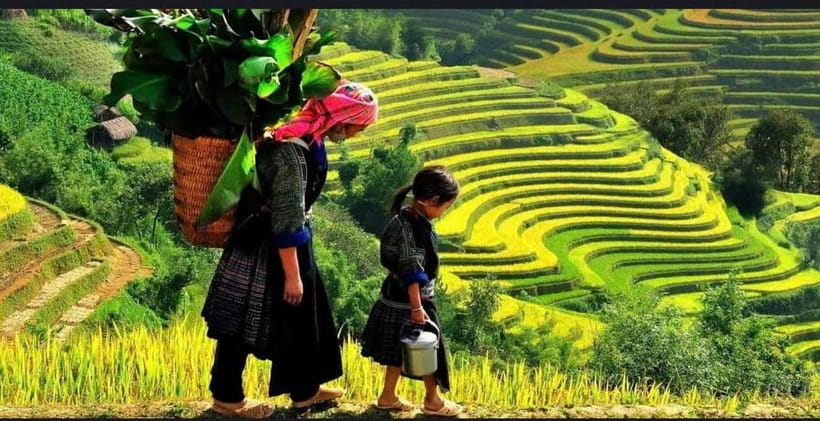
- Black H’mong village time in Suoi Ho with everyday farming and animal-raising life
- A Ma Tra school/crafts moment that helps you understand local customs beyond scenery
- Ta Phin Village focus on Red Dao embroidery and herbal medicine traditions
- Lunch with a homestay-style meal or picnic with mountain views and flexible food options
- A Red Dao herbal bath in a wooden tub meant to ease muscle pain and improve circulation
- Limited to 10 people, so you can actually ask questions and keep the pace comfortable
A 6-hour Sapa reset: villages plus a Red Dao herbal soak
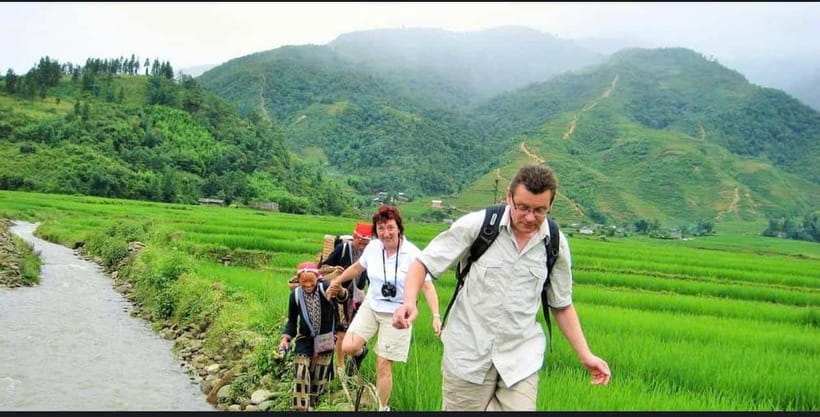
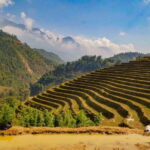
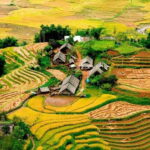
Sapa can be busy with tour groups. This day trip is built to feel calmer, more village-based, and more “slow enough to talk.” You start near Nhà Thờ Đá Sapa (Sapa Main Church), walk between nearby communities, eat something local, and finish with a warm herbal bath that’s the closest thing to a reset button you’ll get.
What I like most is the mix of human stuff and practical comfort. You get cultural context during the walk, then you cool down at the end with a traditional wooden-tub herbal bath filled with aromatic medicinal herbs. It’s a nice counterpoint to hours of hiking and sun, even when the weather shifts.
You can also read our reviews of more tours and experiences in Sa Pa.
Before You Go: shoes, the 12–14 km walk, and weather reality
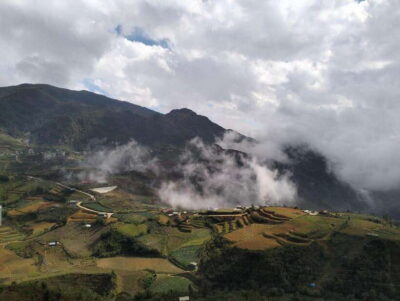
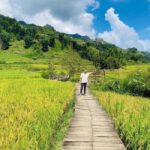
This trip is classed as easy to moderate, which is honest, but don’t treat it like a casual stroll. The trekking distance is roughly 12–14 km, spread across village paths, farmland edges, and uneven ground.
Bring the basics that keep the day smooth: comfortable shoes, a small daypack, water, insect repellent, and clothes that match the weather. In Sapa, conditions can change fast, so layered clothing is smart. If you’re the type who gets cranky after long walking days, plan to take breaks when your guide offers them.
Also note the limits. This experience isn’t suitable for children under 6, and it isn’t designed for people with mobility impairments due to the trekking terrain.
Start at Nhà Thờ Đá Sapa: how the day actually moves
The day begins around 09:00 with pickup near Nhà Thờ Đá Sapa. You meet your guide, then you transition quickly from town to the trail. The pace is steady, with stops that don’t feel rushed—enough time to ask questions and actually look around.
The plan is designed to keep you moving, but not to punish you. You’ll reach the first village around late morning, eat lunch around midday, then continue to the next village before the herbal bath. The tour typically wraps by 3:30 pm when you return to Sapa by car.
Suoi Ho Village (Black H’mong): daily farming you can watch up close
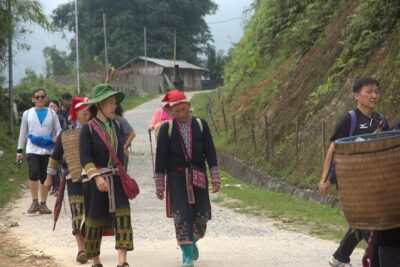
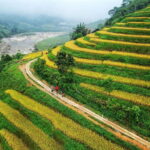
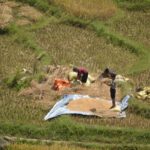
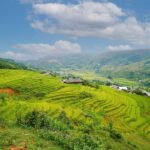
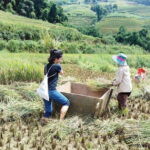
Your first stop is Suoi Ho Village, home to the Black H’mong. This is where the day starts to feel real, because you’re not just walking through a photo spot. You’re seeing village life—traditional farming patterns and day-to-day work connected to the land.
Guides tend to explain what you’re seeing in plain language: how people manage crops, how livestock fits into daily schedules, and what village routines look like beyond tourism. If you like culture that’s practical instead of staged, this is the right kind of stop.
A small downside: because it’s an active trek, you’ll want to pay attention to footing. The payoff is worth it, but you’re walking enough that your shoes matter more than your camera settings.
Ma Tra Village stop: school chats and local customs
After Suoi Ho, you continue trekking to Ma Tra Village. One of the most interesting parts here is that it’s not only about scenery or craft items on display. The stop can include a visit to a local school or conversations with villagers about customs and everyday skills.
This kind of interaction helps you understand how people live, learn, and socialize. It’s also a reminder that “ethnic culture” is not a museum label—it’s school days, work routines, and relationships.
Keep expectations grounded: you’re walking in rural areas, so the “experience” can be as simple as a chat, a lesson in local habits, or time to observe without interrupting. Bring respect and patience and you’ll get more out of it.
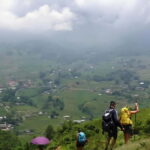
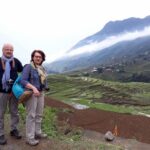
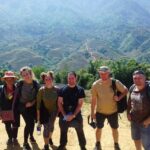
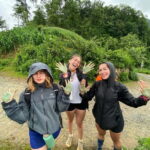
Lunch at the homestay: views, local dishes, and food options
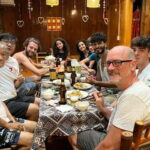
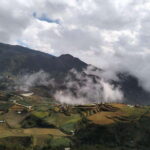
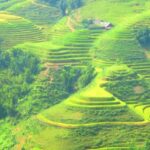
You’ll typically eat around 11:30–12:30, with a choice between a picnic lunch or a meal at a local homestay. Either way, lunch is one of the best breaks of the day because it usually comes with mountain views and time to settle your legs.
Food is described as traditional, and you may run into real variety depending on the homestay and what’s available. One group reported a hotpot-style fresh sturgeon lunch, which sounds like the kind of meal you only get when you’re eating where locals cook. Another lunch stop was noted for having options including vegetarian, which is a good sign if you need that flexibility—just confirm any dietary needs with the operator when you book.
Practical tip: eat like you’ll walk afterward. Even if you feel full, a little extra water and a slow reset will help for the afternoon trek.
Ta Phin Village (Red Dao): embroidery, herbal medicine stories, and craft detail
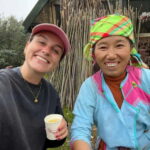
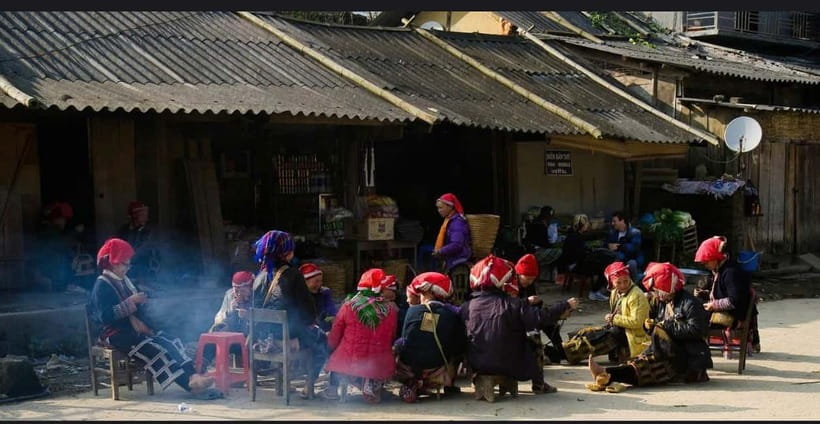
Next you reach Ta Phin Village, where you’ll spend time learning about the Red Dao community. This is one of the cultural anchors of the day, because the focus includes vibrant embroidery techniques and the role of herbal medicine in local knowledge.
What makes this stop valuable isn’t just what you see—it’s how you connect the ideas. You’ll hear about traditional herbal practices in a way that ties to the community’s lived experience, not a random fun fact. Embroidery is shown as work with meaning, not just decoration.
Also, this is a good moment for photographs—but not at the expense of conversation. Ask first, keep it brief, and let the village rhythm stay village-like.
The Red Dao herbal bath: how it works and when to expect warmth
The finish is the Red Dao herbal bath, usually around 14:00. You soak in a wooden tub filled with aromatic medicinal herbs. It’s believed to help with muscle pain and circulation, and after a 12–14 km day, that matters.
In practical terms, go in ready to relax, not to analyze. Keep your towel handy and expect the tub to feel genuinely hot. More than one group described the bath as very hot—which is often the point—but it’s also your cue to manage time in the water.
This part is a strong “why book” moment because you don’t just leave with photos. You leave feeling better, like your legs got a proper cooldown instead of just a bus ride.
Small-group trekking with guides like Su or Gao: what you gain
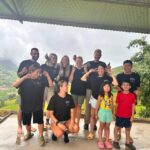
This tour runs with a small group capped at 10, and it shows. With fewer people, your guide can slow down when you have questions and explain what’s happening in each village stop.
Some departures have guides like Su, who’s noted for very good English (and for some groups, a bit of French as well). Other departures can include Gao, also praised for guiding and explaining the villages. The common theme: the guide helps you connect dots—food, farming, family life, and village customs.
If you’re the type who likes to ask why people do what they do, this format helps. You’re not shouting over a crowd or waiting for the group to catch up.
Price and value: why $26 can make sense in Sapa
At about $26 per person for a half-day-to-full-day experience, the value comes from what’s included. You get a local guide, transportation back to Sapa, a traditional meal or picnic lunch, and the Red Dao herbal bath.
Without these pieces, you’d likely pay separately for guiding, transit, and a similar “activity.” Here, they’re bundled in a way that keeps the day simple and efficient. And because it’s a smaller group, you’re paying for a more personal pace.
Is it “luxury”? No. But it’s the kind of price that makes it realistic to add this even when your Sapa days are already planned tight.
Who this tour fits best (and who should skip it)
I’d book this if you want:
- A culture-forward Sapa day with village life in Suoi Ho, Ma Tra, and Ta Phin
- A moderate hike that most people can handle with good shoes and a calm pace
- A day ending with a meaningful recovery ritual (the herbal bath)
You might skip it if:
- You need a fully accessible route (the trek isn’t designed for mobility impairments)
- You’re traveling with young kids (not suitable for children under 6)
- You’re looking for a mostly flat, stroller-friendly outing
If you have a spare day in Sapa and you want to get away from the busiest parts, this route is exactly the kind of off-the-main-path day that makes Sapa feel human.
Should you book the Sapa Ta Phin Village Trek & Red Dao Herbal Bath?
If you want one Sapa day that mixes village conversation + real food + warm herbal recovery, I think this is an easy yes. The small group size, the village-focused stops, and the herbal bath ending are the trio that makes the day feel complete.
Book it if you’re comfortable walking 12–14 km at an easy-moderate pace. Don’t book it if hiking duration is a dealbreaker or if accessibility is a concern.
Bottom line: this is a solid value day trip with a memorable finish—one that leaves you more rested than when you started.
FAQ
How long is the Sapa Ta Phin Village Trek & Red Dao Herbal Bath?
The tour runs for about 6 hours, starting around 09:00 and finishing around 3:30 pm with return transport to Sapa.
What’s the trekking distance and difficulty level?
The trekking distance is about 12–14 km and the difficulty is easy to moderate, suitable for most fitness levels.
Which villages are visited during the trek?
You visit Suoi Ho Village (Black H’mong), Ma Tra Village, and Ta Phin Village (Red Dao).
What’s included in the price?
Included are a local guide, a picnic lunch or a meal at a local homestay, the Red Dao herbal bath, and transportation back to Sapa.
Do the guides speak English?
Yes. The guide is available in English and Vietnamese.
How big is the group?
It’s a small group limited to 10 participants.
Where does the tour start?
Pickup is at Nhà Thờ Đá Sapa (Sapa Main Church).
Is it suitable for children or people with mobility impairments?
No. It is not suitable for children under 6, and it is not suitable for people with mobility impairments.