REVIEW · KATHMANDU
Short Annapurna Base Camp Trek – 7 Days
Book on Viator →Operated by Trekking Guide Team Adventure · Bookable on Viator
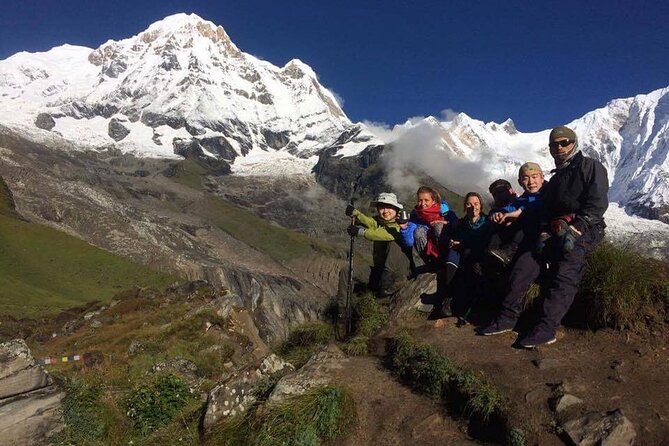
Big views start fast here. This 7-day Short Annapurna Base Camp Trek takes you to the Annapurna Base Camp region and also toward the Machhapuchhre Base Camp area, with plenty of scenery across the Annapurna and Dhaulagiri ranges, plus time in Gurung, Magar, and Tamang villages. I especially like how the trip is built around real trekking days (not just driving) and how the support team—guides and porters—shows up as a big part of the experience. One thing to think about first: this is a short schedule, so you’ll still need solid fitness and the right cold-weather gear.
The other reason this one works is that it keeps logistics straightforward. You get pickup offered, transport arranged, permits handled (TIMS included), and everyday trekking meals covered, so you can focus on walking and taking in the views of Annapurna (8091m) and Machhapuchhre (6997m).
In This Review
- Key Points That Matter
- What This Short Annapurna Base Camp Trek Really Delivers
- Meeting Kathmandu at 1:15am: How the Trip Starts
- Pokhara’s Two-Night Reset (Hotel + Breakfast Included)
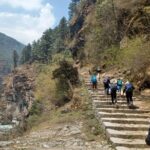
- Jeep to New Bridge and the Lodge-to-Lodge Trek Rhythm
- Walking Through Gurung, Magar, and Tamang Villages
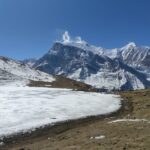
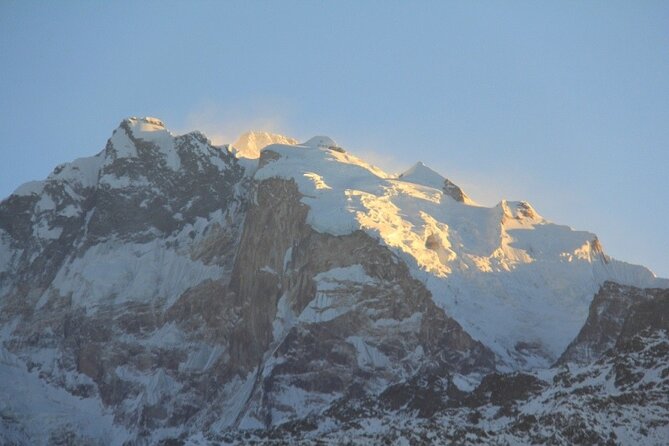
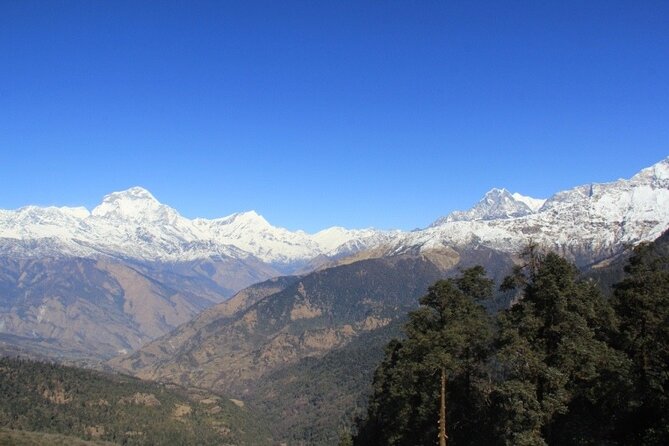
- The Big Peaks: Annapurna Base Camp and the Machhapuchhre Base Camp Area
- Weather reality check
- Guides and Porters: The Difference Between Surviving and Enjoying It
- Price and Value: What You Pay for (and What You Don’t)
- What’s included
- What’s not included (plan for these costs)
- A quick note on risk and flexibility
- What to Pack (From the Trek’s Own Gear List)
- Who This Trek Is Best For (and Who Might Want a Longer Option)
- Should You Book This Short ABC Trek?
- FAQ
- Is pickup included for this trek?
- When does the trek start?
- Where do the trek start and end?
- What permits are included?
- Are meals during the trek included?
- Do I need personal travel insurance?
Key Points That Matter
- Annapurna + Machhapuchhre Base Camp focus in a shorter format than the classic ABC trek route
- Guide and porter support built in, with a guide + porter for each two tourists
- Lodge/tea house stays run by Nepali families, plus breakfast/lunch/dinner during the trek
- Two nights in Pokhara at a 3-star bed and breakfast (Splinded View) to reset before the trek
- TIMS permit and Annapurna conservation trek requirements handled for you
- Seven days still leaves time for village life with Gurung, Magar, and Tamang communities
What This Short Annapurna Base Camp Trek Really Delivers
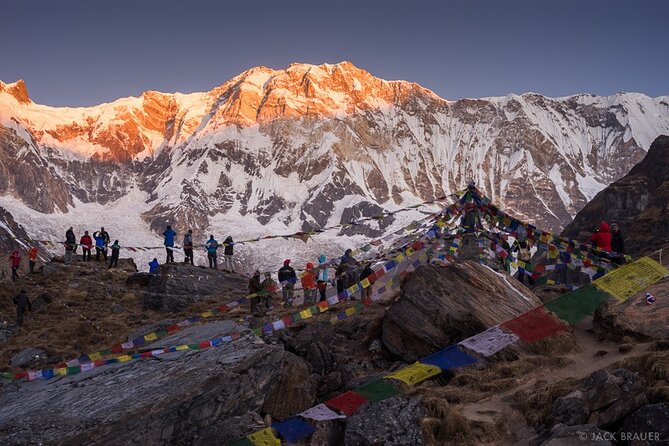
If you’ve only got a week (or a little more fatigue tolerance than you planned), this trek is designed for you. It’s not pretending to be effortless. You still earn your views. But compared with longer ABC itineraries, you get the core “Annapurna Base Camp experience” without stretching the whole journey into a longer life project.
The headline is simple and powerful: Annapurna Base Camp territory, plus an approach toward Machhapuchhre Base Camp. You’re there for the drama of peaks and the satisfaction of reaching a high-point goal in fewer days. You’ll also be moving through settlements where everyday life looks different from the cities—villages tied to Gurung, Magar, and Tamang culture and routines.
And the trekking support matters. In the reviews connected to this operator, names like Jit, Shambu, Deepak, Ram, and Santosh come up often for being friendly, attentive, and tuned in to comfort and safety. Porters such as Nama, Noma, Suga, Amrit, and CP also get credit for being helpful and respectful—especially when weather turns rough or someone moves slower.
One more detail I appreciate: Annapurna’s pull here isn’t only “reach base camp.” It’s also the in-between mountain panoramas. The route is set up so you’re constantly looking outward at the wider Annapurna range and the Dhaulagiri range in the distance—not just one big moment at the end.
You can also read our reviews of more tours and experiences in Kathmandu.
Meeting Kathmandu at 1:15am: How the Trip Starts
This one starts early. The start time is 1:15 am, and that’s not a random number—it sets the tone for a trip that runs on Nepal time (and trail time), where you maximize daylight once you’re actually trekking.
You also get pickup offered, and your tour includes a mobile ticket, which can reduce confusion when you’re coordinating with the local team. The tour is described as private, meaning only your group participates. That’s valuable on a trek, because it cuts down the “everyone moves at a different speed” chaos you sometimes get in mixed groups.
Transportation is handled in two pieces:
- All land transportation from Kathmandu to Kathmandu by tourist bus (roundtrip is implied by the package)
- A Pokhara to New Bridge local jeep transfer for the start (and ending) point
If you’re the kind of traveler who likes to know what’s happening next, this structure helps. You’re not trying to solve transit problems at 6,000 feet with a backpack and a prayer.
Pokhara’s Two-Night Reset (Hotel + Breakfast Included)
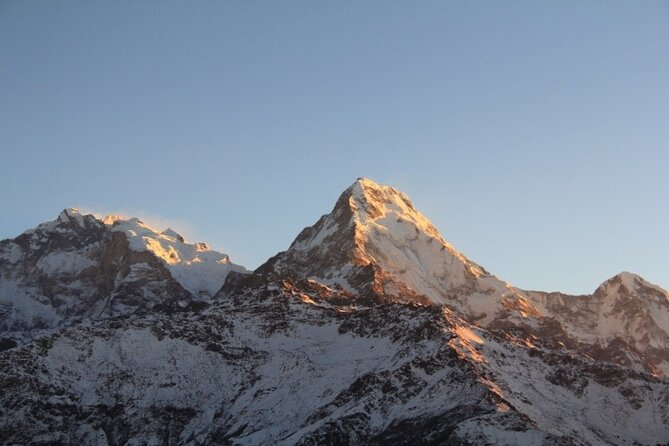
Before the trail gets serious, you get a reset in Pokhara: two nights at a 3-star bed and breakfast called Splinded View, with breakfast included.
That matters more than it sounds. Even if you’re fit, you’ll feel the altitude changes more if your body arrives in Nepal already stressed. The hotel stop is there to help you:
- recover from travel days,
- sort trekking needs,
- and start the trek with a calmer rhythm.
You’ll also get mountain-view time that’s part of the promise for the trip. The tour highlights mesmerizing views of the Annapurna and Dhaulagiri ranges from a Himalayan hotel experience, which fits how short ABC itineraries often work: you don’t only reach peak points, you also get comfortable “view breaks” where you can actually enjoy the scenery instead of rushing past it.
One practical note: the package includes Kathmandu accommodation as not included, so you’ll likely need to book your own nights in Kathmandu unless your provider arranges it separately. After that, the Pokhara hotel is covered for two nights.
Jeep to New Bridge and the Lodge-to-Lodge Trek Rhythm
The trek begins and ends at New Bridge, reached by a local jeep from Pokhara. This is one of those “worth it” logistics choices. It gets you out of town efficiently and places you on the trail without burning your energy on long approaches.
During the trekking days, your accommodation is normal lodge/tea houses, which are described as being run by Nepali families. This is part of the authentic feel of ABC-style trekking: you’re not in a manufactured tourist bubble. You’re eating, resting, and socializing in a place where people rely on trekking income.
Meals are also handled for you on-trail:
- Daily breakfast, lunch, and dinner during the trek
- Accommodation and meals during the walking days are included
That coverage is a major value piece. On a mountain trek, you don’t want to be making decisions every mealtime, especially when weather changes fast.
Still, be realistic about the “mountain hotel” comfort level. Lodges can be cozy, but they’re not the same as a modern resort. Warmth, water access, and charging power can vary. The trip also notes that hot shower and laundry are not included, and that WiFi, internet, phone calls, and battery charging are not included. So if you need digital life to stay glued to your day, plan on limitations.
Walking Through Gurung, Magar, and Tamang Villages
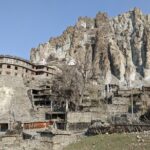
This is one of the strengths of the short format. You’re not only chasing elevation and viewpoints. You also get to move through typical villages linked to the Gurung, Magar, and Tamang ethnic groups.
Even with limited days, these settlements give you something deeper than scenery:
- you see how people live when tourism is seasonal,
- you learn how trekking fits into local routines,
- and you get a better sense of why Nepal trekking routes feel personal, not generic.
This is also where your guide’s value becomes obvious. The tour promises that you’ll explore these communities, and in the reviews, the guide names that come up most often are the ones described as caring, patient, and attentive. That kind of guide behavior matters because village walks can be fast to pass if you don’t know what to ask or what to notice.
And it helps your pace too. When you’re tired, a good guide can turn a grind into something manageable by breaking your day into smaller goals—plus the right encouragement at the right time.
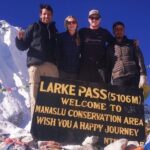
The Big Peaks: Annapurna Base Camp and the Machhapuchhre Base Camp Area
Annapurna Base Camp is the obvious draw. But the addition of Machhapuchhre Base Camp is what makes this “short” trek feel more complete.
You’re aiming for a mix of:
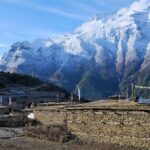
- Annapurna range views,
- glimpses that include the Dhaulagiri range,
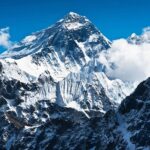
- and the classic “Fishtail” drama from Machhapuchhre (6997m).
The trek description also highlights mesmerizing views from a Himalayan hotel. In practice, this kind of viewpoint stop is one of the best ways to enjoy the mountains without treating every minute as a test.
Weather reality check
Even in a short trek, you can’t assume the sky will cooperate. From the trip histories connected to this operator, rain and snow conditions show up in the experience spectrum. That’s not a guarantee for your week, but it’s enough to take packing seriously—especially around cold protection.
If you don’t dress for wind and temperature swings, you’ll feel it fast. If you do, the views tend to feel even better, because your body isn’t fighting the environment the whole time.
Guides and Porters: The Difference Between Surviving and Enjoying It
On a trek, your comfort often comes down to one thing: can you keep moving without panicking? This tour’s design answers that by including 1 guide + 1 porter for each two tourist. That means the team is there to manage your day, your pacing, and the details that keep you from getting stuck.
The reviews linked to this operator emphasize this consistently. Names like Shambu, Jit, Deepak, Ram, and Santosh come up for being:
- friendly and attentive,
- professional about safety,
- and patient when people slow down.
Porters like Nama, Noma, Suga, Amrit, and CP are repeatedly credited for support that goes beyond carrying. In several accounts, that support includes help during discomfort or health issues—one review specifically called out a knee injury, with the guide and porter team taking care of the trek step by step.
That doesn’t mean you should ignore your own fitness needs. It does mean that if something happens—weather, fatigue, minor injury—you’re not alone in the middle of nowhere with no plan.
Price and Value: What You Pay for (and What You Don’t)
Price: $650.00 per person for about seven days. For this kind of trek, the value is driven by what’s already included rather than what you still have to pay out of pocket.
What’s included
You get a solid bundle of trail necessities:
- Guide + porter (for each two tourists)
- Insurance for guide and porters
- Meals during the trek: breakfast, lunch, and dinner
- Pokhara hotel for 2 nights (3-star bed and breakfast, Splinded View)
- Lodge/tea house accommodation during the trekking period
- TIMS permit and Annapurna Conservation trek requirements
- Transport: tourist bus between Kathmandu and the Kathmandu side, plus jeep transfer Pokhara ↔ New Bridge
That package reduces stress. Instead of tracking permits, scrambling for meals, or negotiating lodging, you’re walking.
What’s not included (plan for these costs)
The big “budget surprises” to plan for:
- Personal trekking equipment (sleeping bag, down jackets, gloves, sunglasses, sunscreen, trekking stick, trekking shoes)
- Nepal entry visa on arrival (bring 2 passport-size photos)
- Personal travel insurance (specifically noted to cover helicopter rescue)
- Lunch and dinner in Kathmandu & Pokhara (menu-based costs estimated at $3–7 per item)
- Tipping for guide and porter
- Coffee/tea and all alcoholic/non-alcoholic drinks, plus snacks like sweets and desserts
- Hot shower and laundry during trekking
- WiFi/internet/phone calls/battery charging
- Kathmandu accommodation
A quick note on risk and flexibility
This experience is listed as non-refundable and cannot be changed for any reason. That’s a serious factor if your schedule is still uncertain.
What to Pack (From the Trek’s Own Gear List)
Don’t show up “kind of ready.” This trek explicitly calls for trekking equipment like:
- sleeping bag
- down jackets
- gloves
- sun glass
- sunscreen
- trekking stick
- trekking shoes
It also reminds you to handle documents:
- bring 2 passport-size photos for the visa on arrival
If you’re unsure about cold-weather needs, take this part seriously. Short treks still include temperature swings, especially once you’re closer to base camp regions.
Also consider buying personal insurance that covers helicopter rescue, since that’s specifically called out as not included.
Who This Trek Is Best For (and Who Might Want a Longer Option)
This short ABC trek works best for you if:
- you want Annapurna Base Camp territory in about 7 days,
- you value village life and not only mountain viewpoints,
- you like the idea of strong support from a guide and porter team,
- and you can commit to a schedule that starts at 1:15 am.
It may be less ideal if:
- you need a slow, highly flexible pace,
- you can’t handle a cold-weather packing list,
- or you’re not comfortable with the non-refundable nature of the booking.
If you’re a first-time trekker, the included guide/porter ratio and included meals can make the difference between a stressful start and a confident one—especially in the hands of guides described as attentive and safety-minded in the operator’s reviews.
Should You Book This Short ABC Trek?
I’d book it if you want a high-impact trek without a long time commitment—and you like having permits, meals during the trek, trekking lodging, and key transport pieces handled for you. The value at $650 looks strongest when you factor in the included TIMS permit, conservation requirements, and guide/porter coverage, plus the two-night Pokhara hotel reset.
But I’d pause if your travel dates are shaky (because it’s non-refundable and not changeable), or if you’re missing the core gear list and personal insurance. Also remember: drinks, snacks, Kathmandu meals, and extras like hot showers aren’t included.
If you’re ready for early starts, cold-weather gear, and a short trekking week that still hits big objectives—Annapurna Base Camp and the Machhapuchhre Base Camp area—this is a solid pick.
FAQ
Is pickup included for this trek?
Pickup is listed as offered. The exact pickup point can depend on your group and schedule, but pickup is part of the included service.
When does the trek start?
The start time is listed as 1:15 am.
Where do the trek start and end?
The trek starts and ends at New Bridge, with a local jeep transfer from Pokhara to New Bridge included.
What permits are included?
The package includes the TIMS permit and Annapurna Conservation and Trekkers’ Information Management System (TIMS) permit coverage.
Are meals during the trek included?
Yes. Breakfast, lunch, and dinner during the trek are included. Lunch and dinner in Kathmandu and Pokhara are not included.
Do I need personal travel insurance?
Yes. Personal travel insurance is not included, and the listing specifically notes insurance should cover helicopter rescue.