REVIEW · KATHMANDU
14 Days Annapurna Base Camp Trekking | Best trek for visit Nepal 2020
Book on Viator →Operated by Nepal Treks and Tour · Bookable on Viator
Sunrise views start this trek with a wow factor. I love the English-speaking guide who keeps things organized, and I love the full-on payoff of Jhinu hot springs after big walking days. One possible drawback: the route is long and includes lots of downhills, so if your knees are cranky, plan for a slow, steady pace.
This trip also smartly layers in culture before your boots hit the trail. You start in Kathmandu with UNESCO World Heritage sights such as Swayambhunath, Pashupatinath, and Boudhanath, plus time to wander Thamel. Then you head to Pokhara, with classic stops like Phewa Lake, Davis Falls, and the Mahendra Cave area, so trekking day doesn’t feel like you’re going from zero to Everest-level effort overnight.
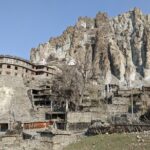
By the time you reach the Annapurna region, you’re not just chasing a single view. You pass through Magar and Gurung villages, walk through rhododendron and oak forests, and you get a big “last stretch” day before Annapurna Base Camp at a place with teahouses and lodges. Add complimentary sleeping bags and down jackets, plus a first aid kit and private transport, and the trip feels more guided than DIY—still active, just less stressful.
In This Review
- Key things that make this Annapurna Base Camp trek feel worth it
- Why this ABC route makes sense for a 14-day Nepal trip
- Kathmandu valley stops: UNESCO sights and an easy landing
- Pokhara transit: the calm contrast before you start climbing
- Ulleri and Ghorepani: where the trek starts feeling real
- Poonhill sunrise, then Tadapani and Chhomrong: culture plus big sky
- Rhododendron, oak forests, Bamboo, and Himalaya: the route tightens
- Annapurna Base Camp day: Hinku Cave, Machhapuchhre views, and the final walk
- Descent to Bamboo, then Jhinu hot springs: the recovery plan you’ll thank yourself for
- Returning to Pokhara and finishing with Kathmandu: keep it simple and savor rest
- Price and value: what $871 gets you, and where the costs can sneak in
- Who should book this Annapurna Base Camp trek (and who might want to choose another)
- Book it or skip it
- FAQ
- Where does the Annapurna Base Camp trek start?
- How long is the trek?
- Does the package include transport and airport transfers?
- What are the main highlights included in the program?
- What trekking support and gear are included?
- Is the guide support included?
- What meals are included?
- What is not included in the price?
- Is there a cancellation window?
Key things that make this Annapurna Base Camp trek feel worth it
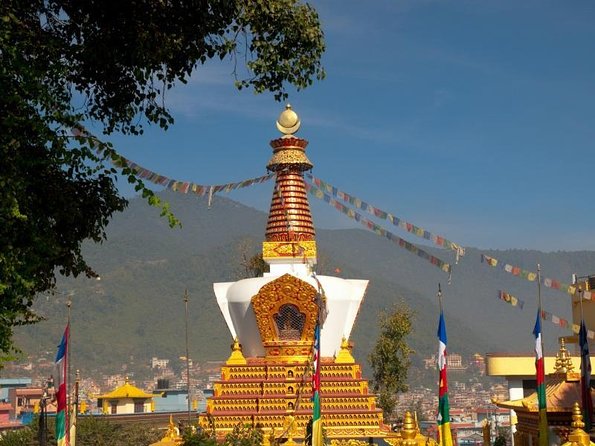
- Poonhill sunrise plus an ABC approach: you get the famous early-morning panorama before pushing deeper into the Annapurna region
- A cultural warm-up in Kathmandu: UNESCO sites and practical permit/document handling before you trek
- Family-style trekking support: the guide-and-porter care comes up again and again in feedback, with names like Lal and Nilan showing up for support roles
- Your recovery day is built in: Jhinu hot springs after the long descent from the higher sections
- You travel with private logistics: private vehicle transfers and a private tour/activity for your group
Why this ABC route makes sense for a 14-day Nepal trip
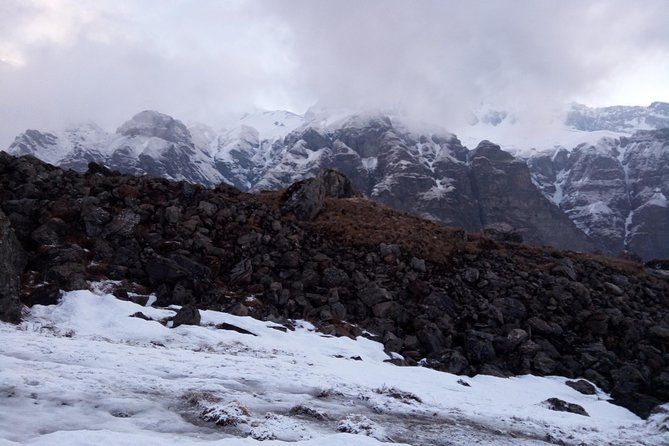
Annapurna Base Camp is the headline. But what I like about this program is how it spreads the “big moments” so you’re not exhausted before the views. You get a Kathmandu buffer first, then a Pokhara stop for breathing room, then a gradual trek that builds altitude step by step through villages and forested sections.
On an ABC trek, the common problem isn’t just the uphill. It’s fatigue—especially on the downhill days, when your legs get beat up. This itinerary leans into that reality. After reaching the base camp, you get a long descent day, and then you still have one more walking day before the payoff at Jhinu hot springs. That timing matters. Hot springs feel way better when you still have some soreness to work out.
Also, this is not a barebones trek-only package. It includes private transport, basic trek support gear, and a guided plan that handles permits and documents. That’s a real value piece if you’re short on time in Nepal or you’d rather not coordinate buses, entry points, and paperwork yourself.
You can also read our reviews of more tours and experiences in Kathmandu.
Kathmandu valley stops: UNESCO sights and an easy landing
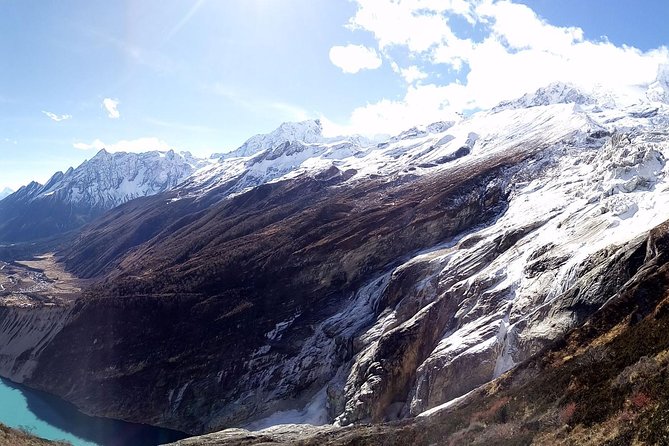
Your trip begins at Tribhuvan International Airport, where an airport representative meets you and transfers you to a hotel. If you want to get your bearings fast, Thamel is the move for a quick stroll on arrival day.
On your Kathmandu sightseeing day, you travel by private vehicle to major heritage sites in the Kathmandu Valley. The plan includes Pashupatinath, Swayambhunath, and Boudhanath, with lunch at authentic Nepali diners. This is a helpful setup because it gives you the “real Nepal” feeling before the mountain quiet.
It also matters that the company arranges permits and documents required for the trek. Paperwork is the part of trekking that can quietly steal time and energy. Having it handled removes a stress point so you can focus on rest, hydration, and getting your legs ready.
Practical takeaway: if this is your first time in Nepal, don’t cram Kathmandu into one frantic day. The program is pacing it for you—heritage sites and lunch, then an overnight back in Kathmandu.
Pokhara transit: the calm contrast before you start climbing
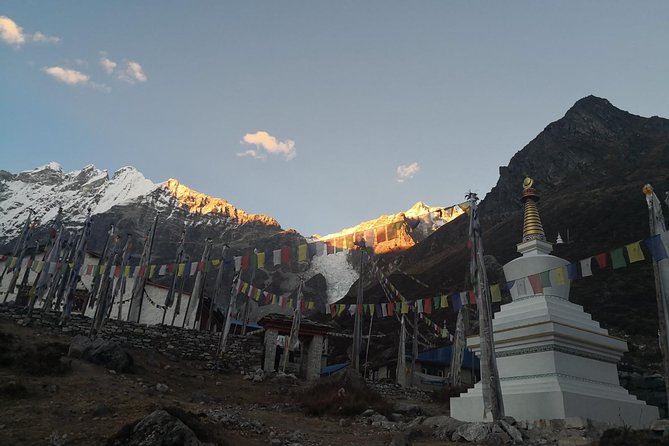
After Kathmandu, you drive to Pokhara. The ride is about 200 kilometers along Prithvi Highway, and it takes roughly seven hours. For many people, the trip feels like a reset: green hills, rivers, and changing scenery while you’re not yet carrying a trekking rhythm.
Pokhara itself is built for “pre-trek decompression.” The program includes options such as Phewa Lake, Mahendra Cave, and Davis Falls, with the Bat cave also mentioned as an extra. Later in the trek, when you return, the itinerary again puts sightseeing back on the table—Phewa Lake and the World Peace Pagoda are specifically called out.
This matters because Pokhara is where you can do three smart things before a long hike:
1) eat well without rushing
2) sleep in a real bed after a long travel day
3) walk a bit, not too much, to keep your body loose
If you’re the type who only likes mountains, Pokhara may feel like a “warm-up city.” But that’s exactly the point. It’s the bridge between big travel and big walking.
Ulleri and Ghorepani: where the trek starts feeling real
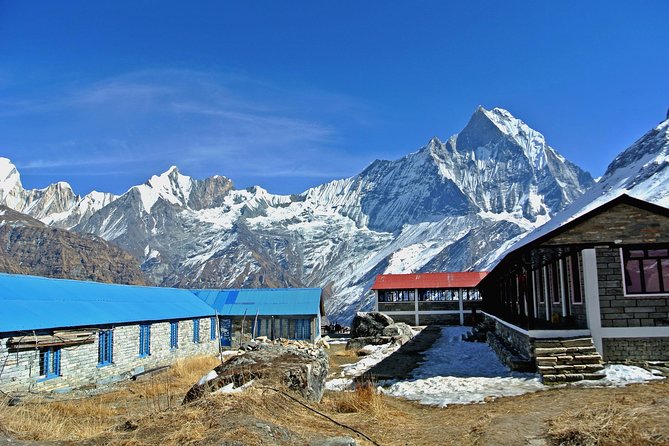
Once you reach Nayapul, you begin the Annapurna trek route. Nayapul is a starting point for many Annapurna region itineraries, and today’s walk takes you toward Ulleri via Birethanti and Tikhedhunga.
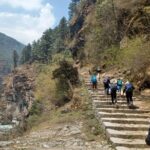
The Ulleri part is a classic Nepal trek moment: a suspension bridge crossing and a climb up long stone staircases to reach Ulleri. You’ll also get your first cultural taste of Magar life in the villages along the way. The program keeps this day at a manageable “start point” level so you can find your stride without burning out.
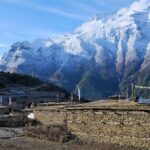
Next comes Ghorepani. This is a key junction for ABC trekkers because it sits on one of the major trail routes in the region. You trek through Banthanti for lunch and continue to Ghorepani, another Magar village. From Ghorepani, you get views of the Annapurna and Dhaulagiri ranges—exactly what you want before the early-morning sunrise plan.
One realistic consideration: the trek days aren’t labeled “easy.” You’ll still be walking for hours. The difference is that these first days are about pacing and comfort, not grinding.
Poonhill sunrise, then Tadapani and Chhomrong: culture plus big sky
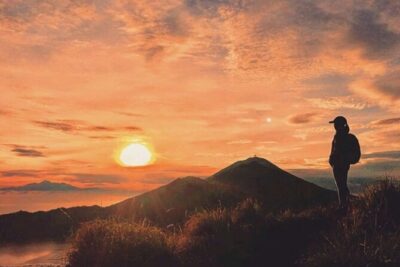
Today starts early so you can reach Poonhill. It’s described as a vintage viewpoint often listed among the best sunrise spots. You’ll watch the sunrise over the Himalayas, then descend for breakfast before trekking onward.
After Poonhill, the route goes to Tadapani. Tadapani is a beautiful Gurung village, and you can also choose to indulge in a homestay to learn about Gurung culture. Even if you don’t do a homestay, the point of this section is clear: you transition from general trek geography into a more people-centered Nepal experience.
Then you reach Chhomrong. The itinerary calls Chhomrong the largest settlement in the valley and notes its agricultural production. It’s one of those places where you feel the rhythm of daily life—far from a scripted tourist bubble.
You also pass through Gurung settlements like Chulie and Gurjung, and you stop for lunch in Talung before climbing the stairs to Chhomrong. This setup gives you a day that mixes steep effort with meaningful stops, which helps the whole trek feel grounded.
If you’re someone who worries about “just walking and walking,” this is where the program helps. It keeps village life present instead of turning the trek into only a view hunt.
Rhododendron, oak forests, Bamboo, and Himalaya: the route tightens
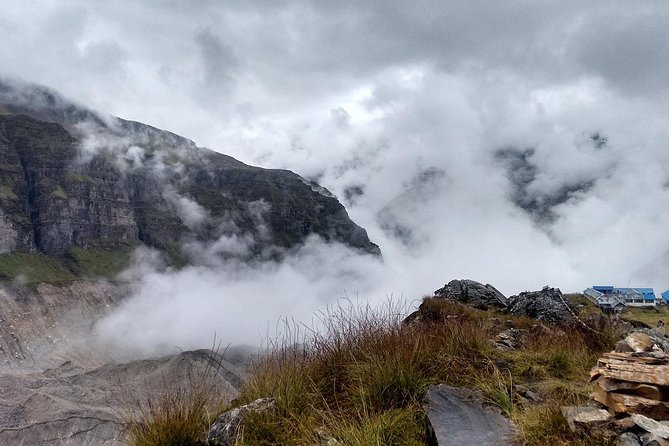
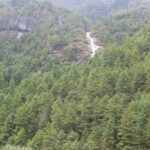
Day-to-day, you’ll notice a change in your surroundings. Between Sinuwa, Bamboo, and the Himalaya village area, you move through rhododendron and oak forests, then drop into Bamboo after lunch.
Bamboo is a small settlement and the trail gives way to lush vegetation again—then you climb through forested sections to reach a cluster of teahouses and lodges called Himalaya. The itinerary also flags that the trail becomes pretty rugged and that in some parts snow can be visible.
That’s a useful heads-up. If you’re planning layers, this is the part of the trek where conditions can turn from “pleasant walking weather” to “your legs are warm, your face is not.” Even if snow doesn’t show up, the higher, colder feel tends to creep in as you approach Base Camp.
The important thing: the program doesn’t rush you. It builds to the final approach with a “messy and rugged” last stretch, which is the kind of lead-in that makes ABC day more believable.
Annapurna Base Camp day: Hinku Cave, Machhapuchhre views, and the final walk
Today is the big highlight: you reach Annapurna Base Camp. The itinerary frames it clearly: as elevation increases, vegetation changes—trees disappear and alpine scrub and bushes replace them. That shift is one of the most eye-opening parts of ABC. The trail starts to look less like forest and more like high-altitude country.
Along the way, you explore the Hinku cave. Then you move toward Machhapuchhre Base Camp. Here you get to see Machhapuchhre (6993m), and you also see other trekkers from this vantage.
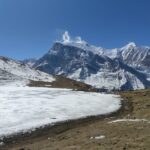
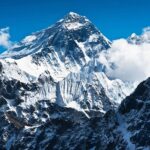
Then it’s a few hours to Annapurna Base Camp. Once you arrive, the base camp is described as a vantage point for observing Annapurna, Dhaulagiri, and Manaslu. You also get time to interact with the campers there, which adds a social texture to the day. Even if you’re not a chatty person, it’s a nice break from the steady rhythm of walking.
One more thing I like: this day isn’t treated as a quick photo sprint. You’re set up to actually take it in, then sleep close to the views. That makes the whole trek feel like a real achievement instead of a checkmark.
Descent to Bamboo, then Jhinu hot springs: the recovery plan you’ll thank yourself for
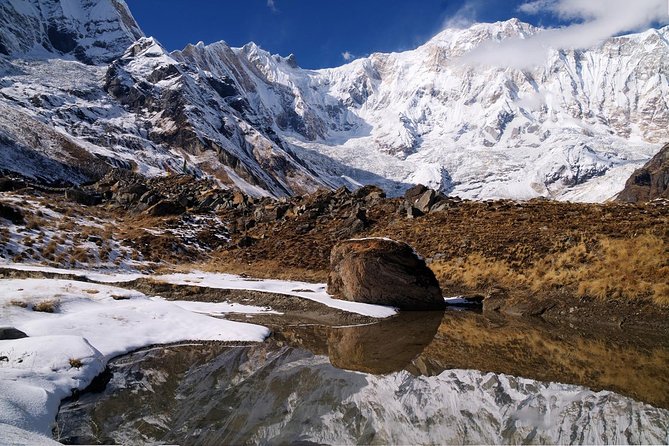
After ABC, you get morning views again—sunrays lighting the Himalayas—then you start the descent to Bamboo. This day is mostly downhill with lots of down climbing. That phrase matters. Downhill walking is harder than it looks, because it forces your knees to do braking work for hours.
Bamboo is your overnight. Then comes Jhinu Danda. The route climbs up to Khuldighar, where there’s an experimental sheep farm, then drops through rhododendron fields to Sinuwa before climbing steeply to Jhinu.
And then you get the main reward: the natural hot springs at Jhinu. The itinerary calls them super refreshing, and that’s the point. After a downhill day, warm water can do more for morale than it does for fitness. Either way, it’s a genuinely memorable way to end the trek loop.
If you’re thinking of this trek as a once-in-a-lifetime photo stop, Jhinu is the part that makes it feel like a lived experience. You earn it.
Returning to Pokhara and finishing with Kathmandu: keep it simple and savor rest
The trekking finale is structured. From Jhinu, the itinerary has you head down toward Birethanti and then walk back to Nayapul. After lunch at Birethanti, a representative meets you and drives you back to your hotel in Pokhara.
In Pokhara, you also get another chance for the easy sights: Phewa Lake and the World Peace Pagoda. Then you drive back to Kathmandu—about six hours—via the typical hilly highway route. Once you arrive, you can rest, explore more of the valley, and shop in Thamel for souvenirs.
Your last day in Kathmandu ends with a breakfast and a brief session with your representative before transfer to Tribhuvan International Airport.
My advice here is simple: don’t book a marathon of activities on the last day. The trek takes it out of you even when you feel fine. Plan for low-key time in Kathmandu. Get a massage if that’s your thing. Or just eat something warm and easy.
Price and value: what $871 gets you, and where the costs can sneak in
At $871 per person for an approximately 14-day program, the value comes from the combination of:
- private transportation for the Kathmandu and Pokhara legs
- all fees and taxes
- a first aid kit
- complimentary sleeping bags and down jackets
- an English-speaking guide and their expenses
- breakfast and lunch included on trekking and city days
That gear detail is not minor. Many trekkers end up renting or buying colder-weather equipment. Having sleeping bags and down jackets included reduces what you need to bring and what you might need to purchase.
The program also isn’t just a trek-only plan. You get Kathmandu valley heritage stops and Pokhara breaks built around the trek rhythm. For many people, that’s worth paying for, because it saves you coordination time.
Where you should watch your budget:
- travel insurance is not included
- the Nepal visa fee is not included
- tipping for guide(s), porter(s), and driver(s) is not included
Also, remember: you’re doing a real hike. Included meals are helpful, but you’ll still need to budget for snacks, drinks, and personal purchases on the trail.
One more “value” angle: this is listed as a private tour/activity for your group. That tends to reduce the awkwardness of waiting for strangers and makes timing feel more predictable.
Who should book this Annapurna Base Camp trek (and who might want to choose another)
I’d point you toward this tour if:
- you want a guided ABC trek with strong support and logistics
- it’s your first time trekking in Nepal and you want permits handled
- you like a mix of culture and hiking (Kathmandu heritage, Magar and Gurung villages, Pokhara stops)
- you want a clear recovery moment with hot springs at Jhinu
I’d think twice if:
- you need a very light itinerary. This is long, and downhill days can be rough.
- you’re allergic to early mornings. Poonhill sunrise requires it.
If you’re in good physical shape and you handle a steady pace well, you’ll likely feel like the plan fits the mountain. It’s not just “reach the point.” It’s “reach the point, then get your body back.”
Book it or skip it
Book it if you want Annapurna Base Camp with less hassle: private ground transport, permit help, supportive guide/porter staffing, and a built-in hot springs day. The biggest selling point for me is the mix—Kathmandu and Pokhara aren’t random fillers. They help you arrive ready, not just arrive.
Skip it if your knee comfort is fragile or you’re looking for a short, gentle trek. This route includes serious downhills and a long overall duration.
If you do book, plan to protect your knees, take sunrise seriously, and treat Jhinu as the emotional finish line.
FAQ
Where does the Annapurna Base Camp trek start?
The trip starts at Tribhuvan Airport in Kathmandu, Nepal, with a listed start time of 7:45 am.
How long is the trek?
The tour runs for 14 days approximately.
Does the package include transport and airport transfers?
Yes. The itinerary includes transfers from Tribhuvan International Airport to your hotel in Kathmandu, private vehicle transportation for sightseeing and driving to Pokhara, and a representative drop-off at the airport at the end.
What are the main highlights included in the program?
Key highlights include Kathmandu UNESCO World Heritage sites, the mountain ranges view from the trek, walking through the Annapurna Conservation Area, a sunrise viewpoint at Poonhill, and relaxing at the hot springs of Jhinu.
What trekking support and gear are included?
The tour includes complimentary sleeping bags and down jackets, plus a first aid kit.
Is the guide support included?
Yes. An English-speaking guide is included, along with the guide’s all expenses.
What meals are included?
Breakfast is included on 3 days and lunch is included on 11 days, according to the provided inclusions.
What is not included in the price?
Travel insurance, the Nepal visa fee, and tipping for guide(s), porter(s), and driver(s) are not included.
Is there a cancellation window?
Yes, you can cancel up to 24 hours in advance for a full refund, and free cancellation is listed for the experience.