REVIEW · KATHMANDU
14-Day Private Annapurna Base Camp Trek
Book on Viator →Operated by Nepal Hiking Team · Bookable on Viator
Annapurna Base Camp delivers big views, calmly. This 14-day private trek is built around airport pickup/drop-off and gear included (down jacket, sleeping bag, duffle bag), so you spend less time planning and more time hiking. You also get a private setup where your group stays together the whole way.
One real consideration: you go high—over 4,000m—and you’ll still be walking serious distances, including an 18 km return day. If you don’t have moderate fitness, this won’t feel fun.
In This Review
- Key things that make this Annapurna Base Camp trek work
- Why Annapurna Base Camp feels like a real trip, not a travel chore
- Kathmandu and Pokhara: the comfort buffer that matters
- The early walking days: Tikhe Dhunga to Ghorepani to Poonhill
- Chhomrong to Dovan to Deurali: the middle section that tests patience
- Reaching 4,230m: Annapurna Base Camp via Machhapuchhre Base Camp
- The long return: Bamboo, Jhinu Danda Hot Spring, and real recovery
- Lodges, rooms, and what “private” really means on the ground
- What’s included versus not included (and how to budget like a grown-up)
- Guides and porters: the real quality test
- Who should book this private Annapurna Base Camp trek
- Should you book this Annapurna Base Camp trek
- FAQ
- Is this Annapurna Base Camp trek private?
- How high do you reach on this itinerary?
- What type of accommodation is included during the trek?
- Are meals included every day?
- What trekking gear does the tour supply?
- What do I need to bring for permits?
- What happens if weather is poor or the minimum number of travelers isn’t met?
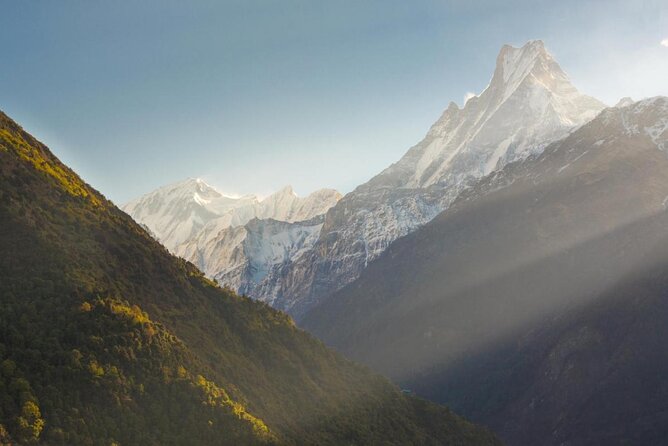
Key things that make this Annapurna Base Camp trek work
- Private by design: only your group participates, including a private activity restricted to your group.
- Big support, small hassle: an experienced guide plus a porter (one porter between 2 trekkers).
- Weather and health tools: first aid kit plus an oximeter to monitor oxygen level and heartbeat while trekking.
- Gear you don’t have to pack: down jacket, sleeping bag, duffle bag, and a trek map are included.
- You earn the hot spring: Jhinu Danda Hot Spring is on the return side, not just as an optional add-on.
Why Annapurna Base Camp feels like a real trip, not a travel chore
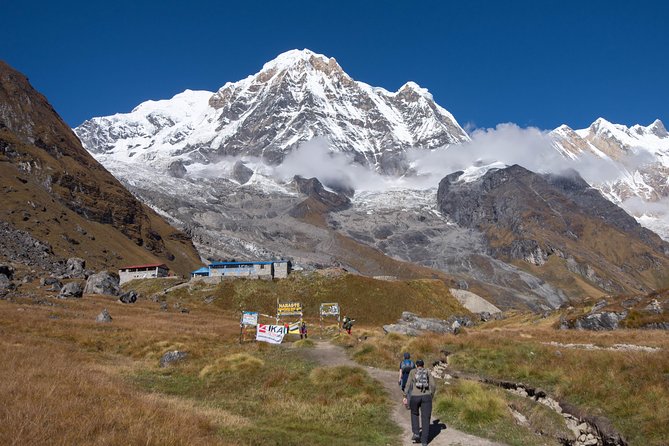
This trek is a classic Annapurna Base Camp route, but with a very practical approach: you’re not juggling transport, permits, or daily logistics on your own. You land in Kathmandu, get picked up, sleep in proper hotels in the city, then shift into lodge life once the hiking starts.
The biggest value is that the trip handles the big moving parts for you. You get airport transfers in Kathmandu, tourist bus transport between Kathmandu and Pokhara, and a full return back to Kathmandu at the end. On top of that, the company supplies trekking basics like a down jacket, sleeping bag use, and a duffle bag—so you avoid the common pain of arriving under-prepared.
And because this is private, you’re not stuck matching someone else’s pace. You can keep your rhythm, take your breaks when you need them, and keep the day focused on walking and recovering.
You can also read our reviews of more tours and experiences in Kathmandu.
Kathmandu and Pokhara: the comfort buffer that matters
You start with Day 1 in Kathmandu right after arrival. The goal is simple: land, get through the first-night chaos, and wake up ready. Instead of guessing buses or negotiating rides, the private car pickup and drop-off takes the stress out of day one.
Then comes Pokhara (about 6–7 hours). Pokhara is your launch pad, and your hotel base is part of why this trek is easier to manage. In Kathmandu and Pokhara, you stay in a twin room at a 3-star category hotel. That matters because later days move to shared lodge rooms (more on that below).
One thing I like in this setup is the pacing. You’re not doing a long trek the same day you switch cities. You transition from city life to the trail gradually, and that helps your legs and your mind.
The early walking days: Tikhe Dhunga to Ghorepani to Poonhill
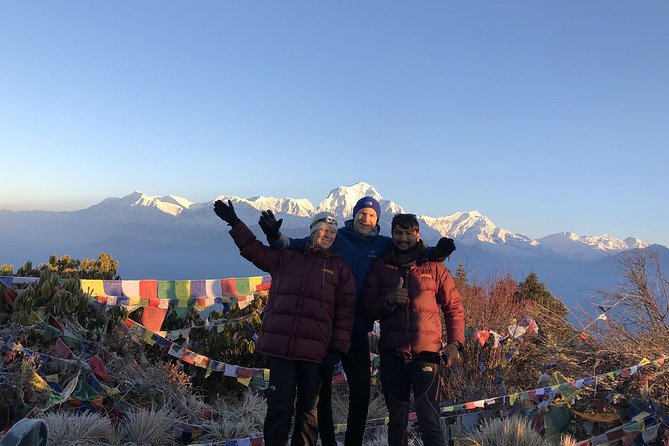
Once the trekking starts, you’ll feel how the route builds altitude without throwing you straight into the deep end.
Day 3: Pokhara to Tikhe Dhunga (1495m). It’s listed as a 9 km walk for about 4 hours. This is a good “wake up your hiking engine” day. The distance is manageable, and it gives you time to settle into the rhythm of lodge-to-lodge walking.
Day 4: Tikhe Dhunga to Ghorepani (2850m). Now it’s 13 km and about 7 hours. This is the kind of day where pace matters. If you go out too fast, you’ll feel it at higher elevations. If you keep a steady effort, it’s a solid step toward the viewpoint day.
Day 5: the hike to Poonhill, then trek onward to Tadapani (2500m). The day is 9 km total in about 6–7 hours. This is one of those days where you’ll want to carry only what you truly need, since you’ll already be transitioning from high views back into walking mode.
Here’s the practical angle: these early days set your stamina. Even though the distances aren’t extreme compared to later, you’re already climbing. Getting the first few days right makes the Base Camp approach feel more controlled.
Chhomrong to Dovan to Deurali: the middle section that tests patience
After Ghorepani and Poonhill, the trek continues through classic Annapurna Sanctuary territory. You’ll go through villages and higher ridges, and you’ll notice the trail getting more “commitment” energy.
Day 6: Tadapani to Chhomrong village (2020m). It’s 8.5 km for about 5 hours. Chhomrong is a village stop, and this part is where you’ll feel the local ethnic culture mentioned in the trip overview. It’s also a moment to reset. If you treat this like a real rest day (with a slow morning and careful food), the next climbs feel easier.
Day 7: Chhomrong to Dovan (2600m). That’s 9 km and about 5 hours. This day stretches you a bit more. Higher elevation means fewer shortcuts in your breathing, so slow and steady works best.
Day 8: Dovan to Deurali (3200m). It’s 7.8 km for about 4 hours. Shorter on paper, but higher altitude. This is where I think you should pay attention to how you feel, not just how far the day is. Deurali is part of the lead-in to the Base Camp push.
The middle days can feel like the “gray zone” between excitement and exhaustion. That’s normal. What helps here is the structure: experienced guide, porter support, and meals included on the trek days, so you’re not spending energy making decisions about food mid-ascent.
Reaching 4,230m: Annapurna Base Camp via Machhapuchhre Base Camp
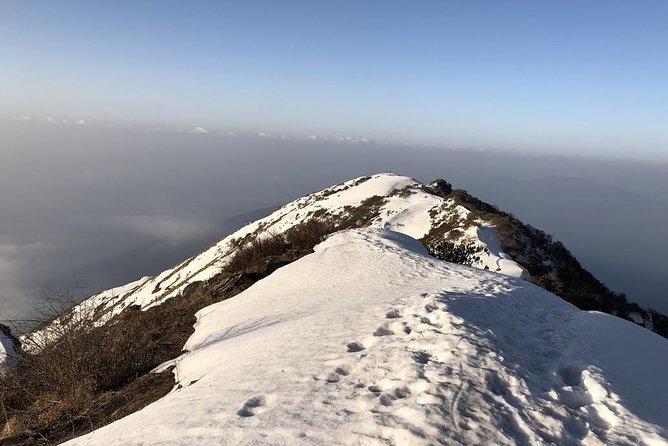
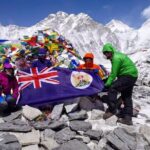
Day 9 is the day you plan for. You head to Annapurna Base Camp (4230m) via Machhapuchhre Base Camp. Distance is 8 km and walking time is 5–6 hours.
This is a shorter distance than some earlier days, but it’s higher. That changes everything. You’ll likely move more slowly—not because you’re weak, but because thin air slows the body down. This is also where having a health check tool is meaningful. The trip includes a first aid kit with an oximeter to monitor oxygen level and heartbeat while trekking.
I also like that the trip doesn’t treat the Base Camp day as a sprint. The structure around it—days spent gaining altitude gradually before this point—sets you up to enjoy the moment when you arrive.
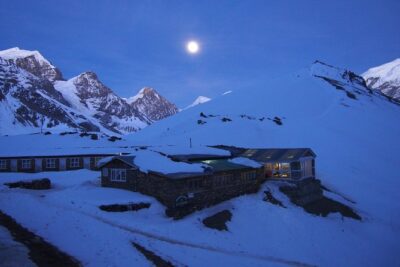
A small note that helps you manage expectations: lodge life at high elevation often means limited comfort. You’re there for the goal and the experience, not a spa.
The long return: Bamboo, Jhinu Danda Hot Spring, and real recovery
Base Camp is thrilling, then you have to come down. And coming down is its own kind of workout.
Day 10: Return from Annapurna Base Camp to Bamboo (2310m). This is the big one: 18 km and about 7 hours. Even though the altitude is dropping, your knees and ankles will feel the distance. This is why careful pacing matters even when it’s a “return” day.
Day 11: Bamboo to Jhinu Danda Hot Spring (1780m). Distance is 12 km and about 6 hours. This is a strong payoff day because Jhinu Danda Hot Spring is one of the highlights. After days of walking, a soak becomes more than a fun stop—it’s a legit recovery tool.
Then the trip wraps the trekking side with transport back out:
Day 12 takes you from Jhinu Danda to Pokhara.
Day 13 is Pokhara back to Kathmandu.
Day 14 ends with a farewell.
If you’ve been wondering what “the point” is after the hardest walking days, this return sequence is it. You don’t just finish and move on. You finish, then you recover.
Lodges, rooms, and what “private” really means on the ground
This is a private tour in terms of group participation—only your group is trekking together. But lodging during the trek is not always private in-room.
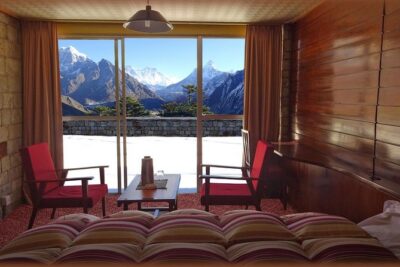
During the trek, accommodation is in lodge/teahouses where 4/5 people share a room. That’s common on popular routes, and it’s worth factoring into your comfort expectations. If you’re the type who needs quiet or sleep without any noise, you’ll want to bring habits that help you rest in shared spaces.
On the other hand, you do get real structure:
- meals are provided during the trek (breakfast, lunch, dinner)
- you don’t have to line up staff or manage permits day by day
- guide and porter support is included
Also, you get a trip achievement certificate upon request, which is a nice touch if you like tangible proof that you followed through.
What’s included versus not included (and how to budget like a grown-up)
Let’s talk value, not just cost.
The price is $1,090 per person for a 14-day private trek. For that, you get a lot of “hidden work” handled: airport pickup/drop-off, tourist bus transport between Kathmandu and Pokhara, hotels in the cities (twin room, 3-star category), and full meals during the trek.
Included highlights for budgeting:
- Guide: 1 experienced guide for the group
- Porter: 1 porter between 2 trekkers
- Trek essentials: duffle bag, trek map, down jacket, sleeping bag use
- Medical support: first aid kit with oximeter
- Permits: trekking permits included (and you bring 3 passport size photographs)
- Insurance for staff and accidental insurance for trekking team
What’s not included, so you don’t get surprised:
- lunches and dinners in Kathmandu and Pokhara (only trek meals are included)
- Nepal visa fee
- travel insurance (the trip notes it’s compulsory for outdoor activities)
- personal trekking equipment
- drinking water and other drinks
- tips for trekking staff and driver
- private vehicle and airfare to/from Pokhara
My take on value: you’re paying for logistics + leadership + core gear + meals during the trekking days. If you would otherwise have to arrange guides, permits, and basic gear yourself, this private package starts to look less expensive than it sounds.
Guides and porters: the real quality test
This kind of trek is won and lost by daily decisions: pacing, safety, who carries what, and how the team handles altitude days.
In the feedback, I’ve seen multiple guides credited for organization and calm care, including people like Arjun, Yubraj, Pabin, Deepak Dhakal, Bibek, Krishnan, Netra, Suraj, Manu, and Bhim. Different names, same pattern: the trek feels smoother when the lead guide watches details like timing, breaks, and group comfort.
The porter role is also baked in. You’re not just hiring a body to carry stuff. You’re getting support shared between two trekkers, which usually means your load plan is more balanced than if you were going solo with everything.
Who should book this private Annapurna Base Camp trek
This is a good fit if you want:
- a private group and less uncertainty
- structured days with lodging and meals handled
- support through higher elevation with oxygen monitoring tools
- a trek that includes both Base Camp and Jhinu Danda Hot Spring
You should think twice if:
- you hate shared rooms during the trek
- you don’t have moderate fitness, because the route includes long walking days and high altitude
If you’re traveling with a friend or partner, the porter sharing can be a nice way to keep costs sensible while still getting real support.
Should you book this Annapurna Base Camp trek
I’d book it if you want the Annapurna Base Camp experience but with your time protected. The mix of airport transfers, hotel nights in Kathmandu and Pokhara, meals on trekking days, and included gear means you spend less time figuring out logistics and more time handling the trail.
I’d also book it if you care about safety structure—especially with the oximeter and first aid kit in the trekking toolkit.
But don’t ignore the main reality check: you’re heading above 4,000m and you’ll walk long days. If you’re honest about your fitness and you plan for shared lodge rooms, this private trek version is a smart, value-packed way to get there.
FAQ
Is this Annapurna Base Camp trek private?
Yes. It’s a private tour/activity, so only your group participates.
How high do you reach on this itinerary?
You reach Annapurna Base Camp at 4230m (and the route goes via Machhapuchhre Base Camp).
What type of accommodation is included during the trek?
During the trek you stay in lodge/teahouses, and rooms are shared (4/5 people per room). Kathmandu and Pokhara include a twin room at a 3-star category hotel.
Are meals included every day?
Breakfast, lunch, and dinner are included during the trek, with menu choice available. Lunches and dinners in Kathmandu and Pokhara are not included.
What trekking gear does the tour supply?
The tour includes use of a duffle bag, trek map, down jacket, and sleeping bag during the trek. Personal trekking equipment is not included.
What do I need to bring for permits?
You need 3 passport size photographs for the trekking permits.
What happens if weather is poor or the minimum number of travelers isn’t met?
This experience requires good weather. If it’s canceled due to poor weather, you’ll be offered a different date or a full refund. If it’s canceled because the minimum isn’t met, you’ll be offered a different date/experience or a full refund.