REVIEW · DA NANG
From Da Nang or Hoi An: Bach Ma National Park Trek & Lunch
Book on GetYourGuide →Operated by CONNECTTRAVEL · Bookable on GetYourGuide
Bach Ma feels like you stepped into a jungle postcard. This guided day trek from Hoi An or Da Nang combines Five Lakes of Ngu Ho (a highlight where swimming is a big draw) with the dramatic Do Quyen Waterfall and big mountain-air views. It is the kind of day where the scenery keeps changing: forest paths, cool water spots, then a high viewpoint once you’ve earned it.
Two things I really like: you get a real break in the middle for a picnic lunch in the park, and the walking plan is supported by a small-group guide who helps you handle the rougher, slick parts. The main drawback to consider is that this is not a casual stroll—some sections can be steep, rocky, and wet, and on foggy or rainy days the highest viewpoints may look a bit muted.
In This Review
- Key points to notice before you go
- Getting to Bach Ma: early pickup and the long ride factor
- Ngu Ho Five Lakes: the part where you’ll want to slow down
- Do Quyen Waterfall: steep, rugged, and worth the climb (even if it’s foggy)
- Vong Hai Dai and Hai Vong Dai (Bach Ma Peak): your payoff at 1,448m
- Lunch, tea, and those small extras that make trekking easier
- Nature walk plus the wartime echoes you might spot along the way
- Fitness and safety: what makes this trek tough, and what helps
- Price and value: $71 for transport, guide, lunch, and entrance
- Should you book this Bach Ma trek with lunch?
- FAQ
- What time does pickup usually happen?
- How long is the Bach Ma trek day?
- What are the main stops during the day?
- Is lunch included and what type is it?
- Can I swim in the lakes?
- What’s the difficulty level?
- What should I pack for rain and wet conditions?
- What language is the guide?
- Who isn’t this tour suitable for?
Key points to notice before you go
- Five Lakes of Ngu Ho: about 2 kilometers of forest walking, with a serious reward if you want to swim
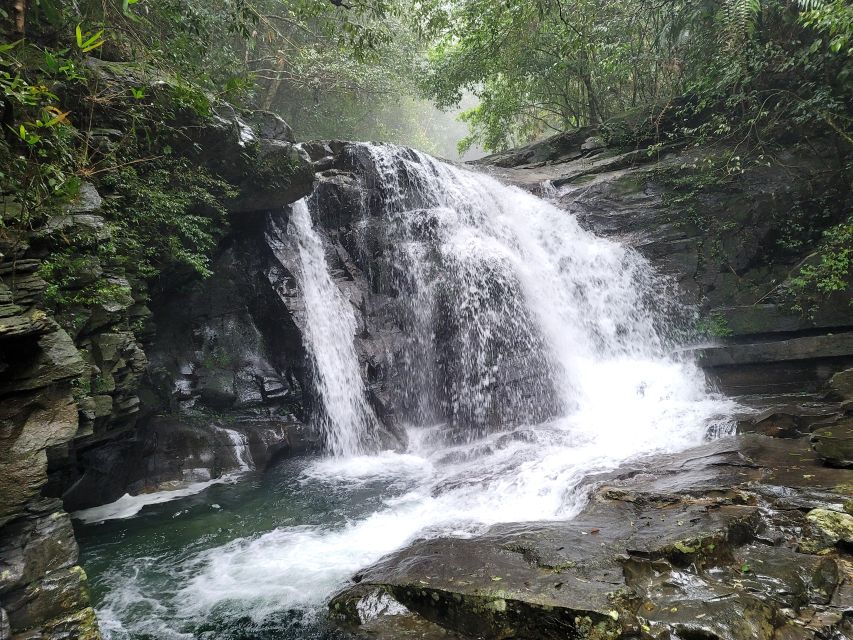
- Do Quyen Waterfall: around a 300m drop, reached via steep, rugged trails and creek crossings
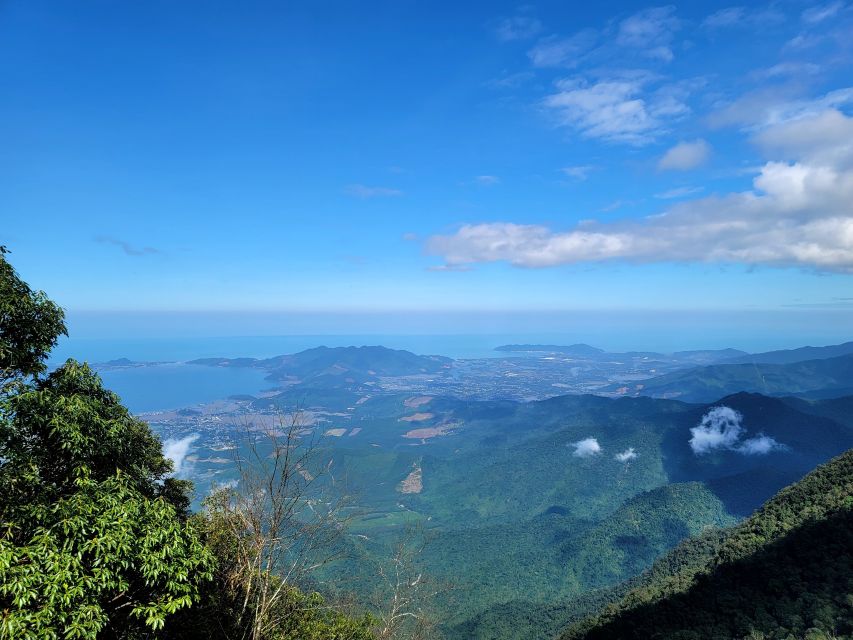
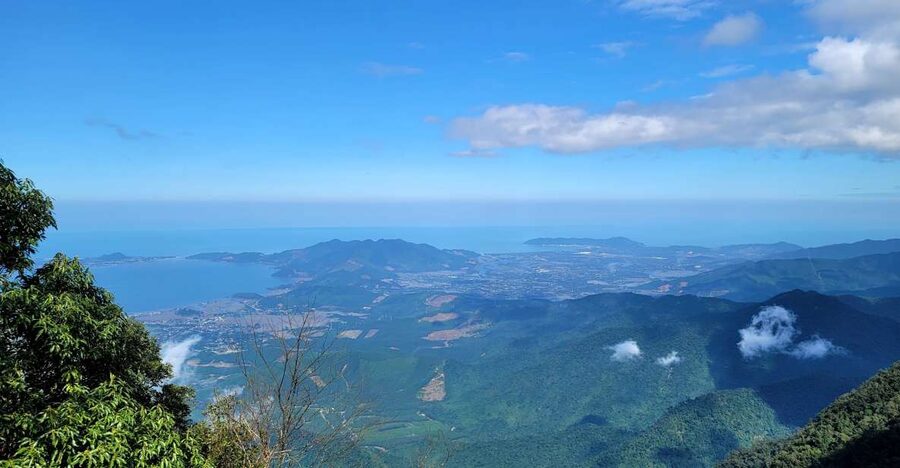
- Bach Ma Peak / Hai Vong Dai: up at 1,448m for wide panorama views (best on clear weather)
- Small-group feel: limited to 10 people, so your guide can help with footing
- Guides who work the terrain: you may get practical gear like hiking sticks, waterproof bags, and ponchos
- Long day, mostly outdoors: even with breaks, plan for 10–12 hours and weather that can change fast
Getting to Bach Ma: early pickup and the long ride factor
If you’re coming from Hoi An or Da Nang, you’ll start early. Pickup is either around 06:30–07:00 from Hoi An or 07:30–08:00 from Da Nang, then the park visit begins after the drive. The total day runs about 10–12 hours, and you usually end up back at your starting area in the late afternoon (around 17:00–17:30).
That drive time matters because it affects how you manage your energy. Bring a calm mindset for a sit-and-watch-the-landscape kind of morning. One more thing: the route can be scenic, but curvy roads mean you should be prepared for motion if you get car sick easily.
Also, this trip goes rain or shine. So instead of thinking about whether it’s going to rain, think about what you’ll do if it does: dry socks if you have them, waterproof shoes if possible, and a jacket that doesn’t soak through.
You can also read our reviews of more tours and experiences in Da Nang.
Ngu Ho Five Lakes: the part where you’ll want to slow down
At around 09:30, you check in at the Bach Ma National Park gate, then you start the walk toward the Ngu Ho area—the path that leads to the five lakes at different levels. The hike to this point is not long in distance (about 2 kilometers of trekking and walking through forest), but it’s not flat the whole way. You’re in the greenery, moving along the route where the lakes are connected by trails and natural steps.
Why this stop is so loved: it’s where the trip changes from hiking to cooling down. This is the best place to go swimming, and in warm weather it can feel like you’re turning a long trek into a nature day plus a beach-like break.
What you’ll actually experience here is a gentle rhythm: walk, pause, look, then step toward the water. If you want to swim, give yourself time. The forest air feels different than the coast, and even a short dip can be a reset before you climb deeper into the day.
One practical note: the terrain can be uneven and slick if it’s rained. In that case, focus on stable footing over speed. Your guide will set the pace and help with the trickier bits, especially if the trail is wet.
Do Quyen Waterfall: steep, rugged, and worth the climb (even if it’s foggy)
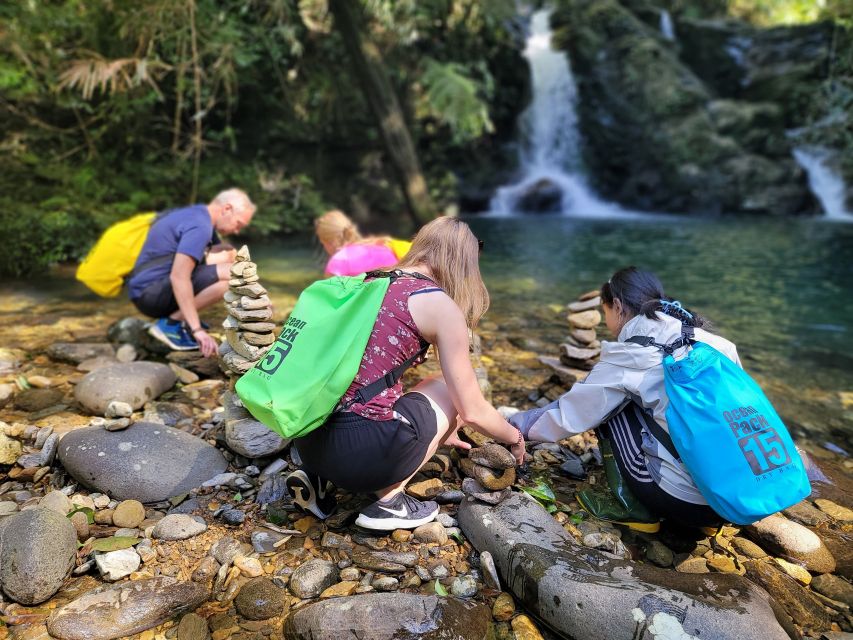
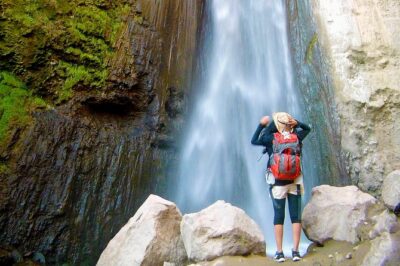
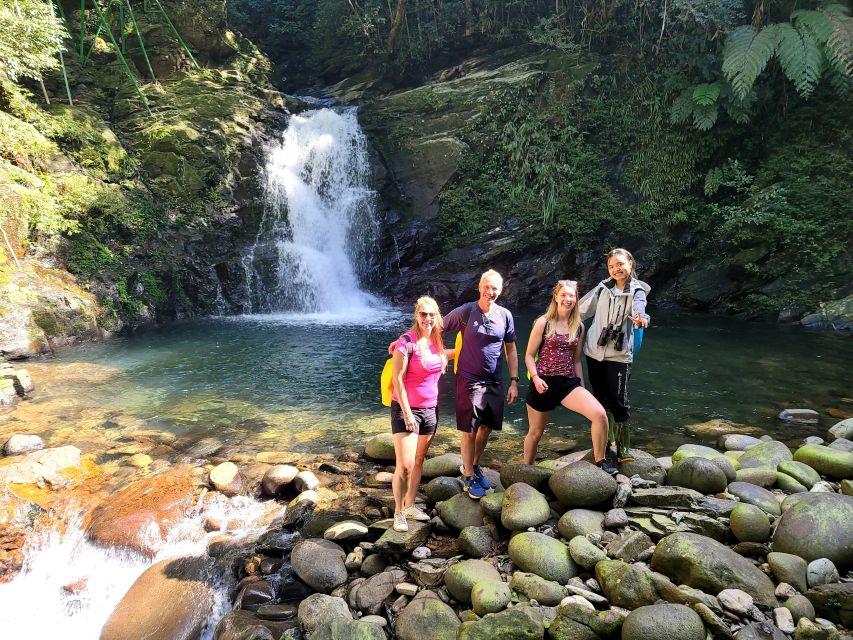
After you’ve had your picnic lunch, you continue to Do Quyen Waterfall. This is where the hike gets more dramatic. The trail involves steep slopes and brook crossings, with sections that can feel challenging when rocks are wet.
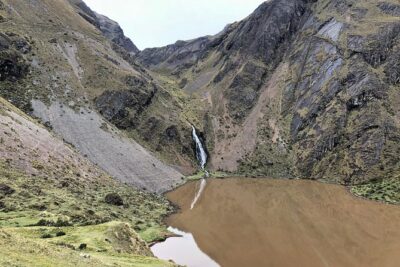
Do Quyen is described as a waterfall flowing down a steep cliff about 300m high. That number matters because you can feel the vertical scale. Even when you don’t get a perfect view from every angle, you get that “the jungle is doing its thing” feeling—bird sounds, cooler air, and a trail that funnels you toward the sound of water.
There’s also a good story element here. Do Quyen shares its name with a flower associated with Bach Ma, and the area’s reputation comes from more than just water. You’re walking in a place that has long been a refuge for people—then later a contested landscape.
In the real world, conditions can change quickly. On foggy or rainy days, the waterfall might be harder to frame into “postcard views.” On those days I’d still go for the experience rather than the photo angle, because the sound and the cool air still deliver.
Some departures may have parts of the waterfall access limited due to safety (for example, closures at certain trail points). If you can’t reach the exact spot you imagined, you can still enjoy the route and the climb-to-view rhythm that makes this day work.
Vong Hai Dai and Hai Vong Dai (Bach Ma Peak): your payoff at 1,448m
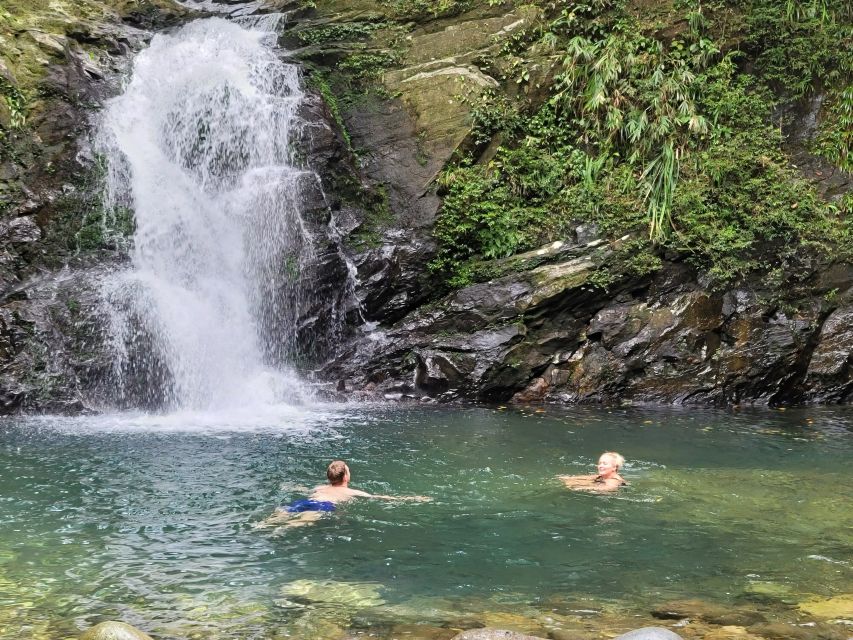
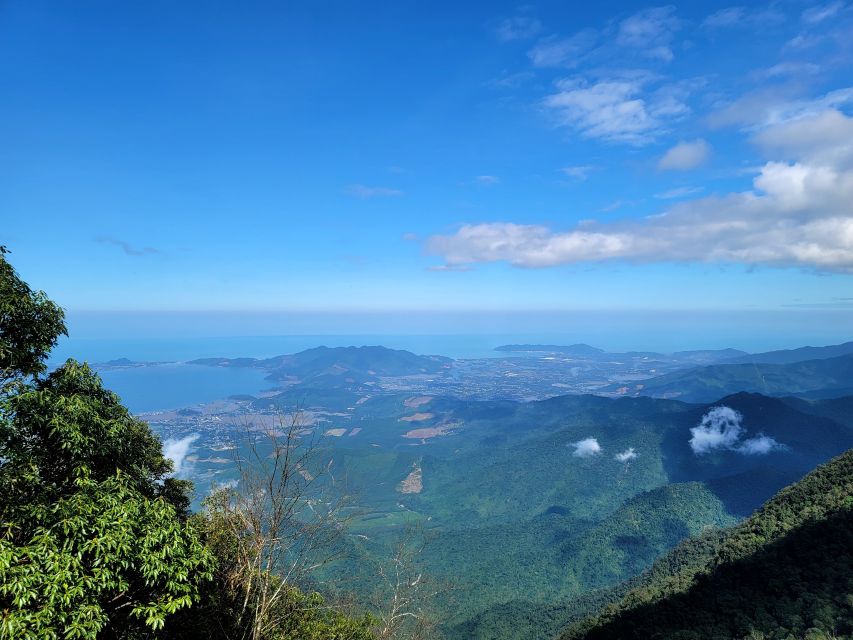
Later in the trek, you reach the viewpoint circuit: Vong Hai Dai, then Bach Ma Peak, also known as Hai Vong Dai. Bach Ma Peak sits at 1,448 meters above sea level, the highest point in the park. This is the moment the day stops being about progress and becomes about panorama.
The views can be wide: mountains, lagoons, and coastal features including Lang Co beach, Hai Van pass, Truoi lake, Cau Hai lagoon, and Chan May port. On a clear day, people often talk about how far you can see in both directions—Hue to Da Nang is the kind of mention that comes up when visibility is good.
But here’s the honest consideration: weather controls this stop more than any other. Fog and rain can swallow the horizon. If that happens, you can still enjoy the high-altitude atmosphere—cooler air, shifting clouds, and the sense of being above everything—just don’t expect the same crisp coastline panorama every time.
Your guide’s job here is to pace you so you don’t sprint yourself into exhaustion before the viewpoint. This is also where the small-group size helps. With fewer people, you’re less likely to get stretched into a line that forces you to rush.
Lunch, tea, and those small extras that make trekking easier
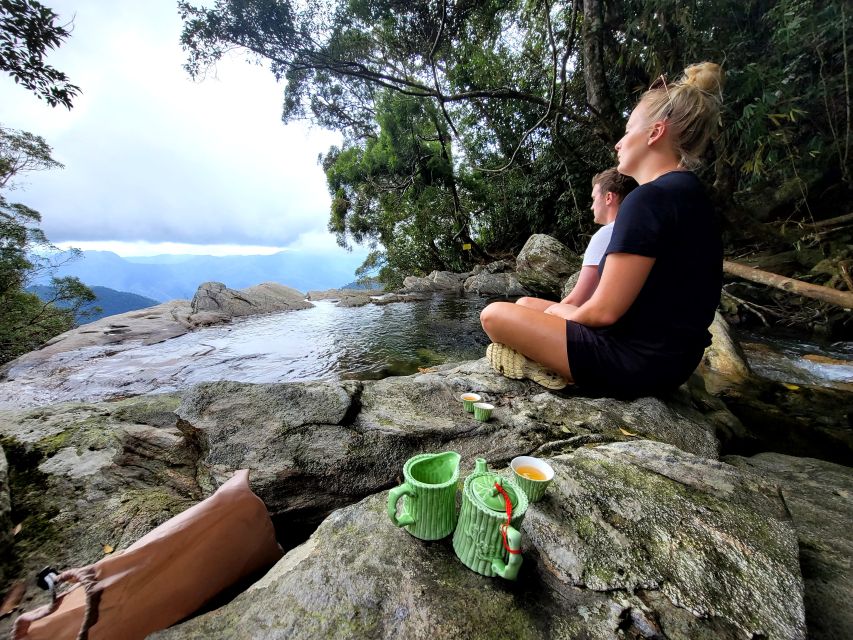
The heart of a good day hike is not just the views—it’s how your body feels mid-trek. This tour includes a picnic lunch, plus tea and coffee at some point during the day. You also get bottle water.
Lunch is served as a picnic-style break during the park portion, so you’re not waiting around for a restaurant meal. Some groups have reported that the food is flexible—there’s been vegan and vegetarian accommodation in the form of prepared lunch boxes. If you have dietary needs, I’d ask in advance so your meal matches what you can eat.
You’ll also likely get small trekking supports depending on your guide and conditions. Some guides have been praised for handing out things like hiking sticks for footing, waterproof bags to protect belongings, helmets, and ponchos if rain arrives. If you see those items mentioned during your day, take them—your future self will thank you.
One more practical detail: plan your bathroom strategy. There can be limited toilet access during long treks, so use the available chance early rather than counting on frequent breaks later.
Nature walk plus the wartime echoes you might spot along the way
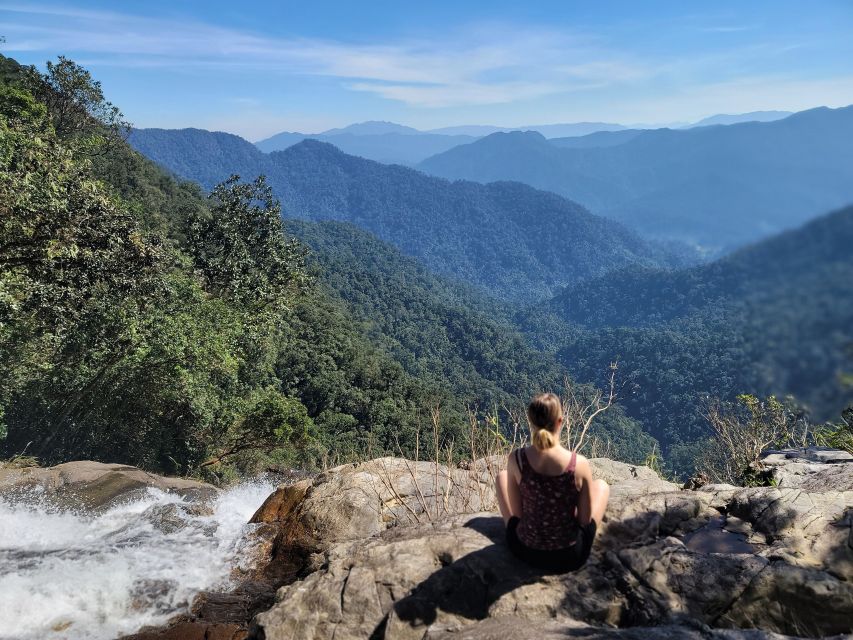
Bach Ma is not only scenic. It also carries visible reminders of 20th-century conflict. On some routes you may notice remnants connected to the war era, including underground tunnels, camouflaged storage sites, and a sense that parts of the area were used strategically. You might also hear about chemical impact tied to the period, and in the wider park area there are accounts of older structures such as villas from French and wealthy Vietnamese days.
You don’t need to be a history buff to enjoy this layer, though. The practical value is that it gives context to what you see. When the guide points out a structure or explains why a section feels positioned a certain way, the walk becomes more than exercise—it turns into understanding.
Guides like Thuan, Linh, Tram, Thui, Lanh, Thuy, and Nguyen have been praised for explaining both flora and fauna and the broader story of the park. If English is your comfort language, it’s good to know the tour runs with English-speaking guides.
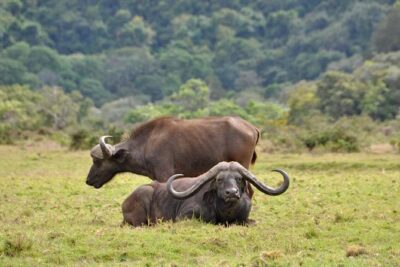
Wildlife is another reason this can feel special. You may be lucky enough to spot endangered Red-shanked douc monkeys near the trail area, especially when the group slows down and stops checking screens.
Fitness and safety: what makes this trek tough, and what helps
This is a hike, not a light nature walk. The route can include slippery rocks, uneven ground, steep sections, and brook crossings. Reviews have also highlighted that the first half can feel more technical than people expect, so if you’re starting from low fitness, plan to move carefully.
Shoes matter. Expect wet conditions. Even on days that aren’t monsoon-level rain, you might end up with soaked shoes if you’re crossing streams or stepping through damp areas. If you want to stay comfortable late in the day, bring:
- Trail shoes with grip (trainers can work, but wet rock is where you’ll notice the difference)
- A dry pair of socks for the ride back
- Long pants if you’re hiking in wet season (leeches can be part of the issue in jungle zones)
- Insect repellent and a plan for biting bugs
- A light rain layer that you’ll actually wear
Safety also means matching the activity to the right person. This trek is not suitable for children under 10, for pregnant women, wheelchair users, people afraid of heights, people with high blood pressure, people over 70, or anyone over 150 kg (331 lbs).
If any of those apply to you or someone in your group, skip the trek. Bach Ma is beautiful, but the terrain is real.
The good news: when conditions get tricky, your guide is there. Some guides were specifically described as actively helping people over risky spots, using ropes on support points and maintaining an eye on group pacing.
Price and value: $71 for transport, guide, lunch, and entrance
At $71 per person, this day trip costs less than many private guided experiences, but still includes a lot: hotel pickup and drop-off, entrance tickets, a tour guide, transportation, picnic lunch, bottle of water, and travel insurance.
That bundled value matters because the “hidden costs” of a day like this are transportation + guide support. If you tried to do this on your own, you’d likely spend time figuring out routes, park access, and a safe way to handle the trail. With this tour, you outsource that planning to someone who knows the terrain and speaks English.
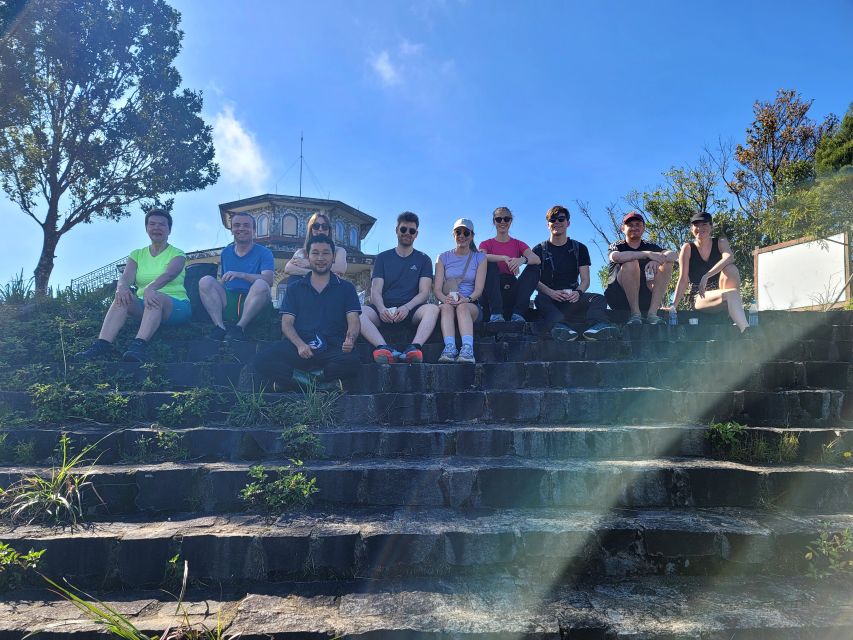
Where you’re paying for quality is partly in the group size. This is limited to 10 participants, so you get a more personal experience than big bus tours. That’s the difference between watching the group scramble and actually enjoying the walk at a workable pace.
The price also makes sense if you care about the key moments: Ngu Ho swimming, Do Quyen, and the peak viewpoints. Those aren’t just random stops—they’re the main reasons most people choose Bach Ma in the first place.
Should you book this Bach Ma trek with lunch?
Book it if you want a full-day plan that hits three big goals: time in the forest lakes, a real waterfall trek, and high viewpoint panoramas. It’s also a good pick if you like the idea of a small group with an English guide who can help you stay steady on slick terrain. Guides such as Thuan, Linh, Tram, and Thuy have been noted for strong English and for caring about safe footing.
Skip it (or choose a gentler option) if you’re sensitive to steep walking, heights, or wet rocky trails. This is also not ideal if you have medical concerns like high blood pressure, or if your comfort level with jungle terrain is low.
If your top priority is the clearest possible summit view, keep in mind that fog and rain can happen. Still, the park can be rewarding even when the horizon is swallowed by weather—you’ll be out there for the sound of waterfalls, the cool air around the lakes, and the guided walk through a place with both nature and wartime echoes.
FAQ
What time does pickup usually happen?
Pickup is either around 06:30–07:00am from Hoi An or 07:30–08:00am from Da Nang, depending on where you’re staying.
How long is the Bach Ma trek day?
The tour runs about 10–12 hours, with starting times depending on availability.
What are the main stops during the day?
You check in at the park around 09:30, trek to the Ngu Ho (Five Lakes) area for swimming, continue to Do Quyen Waterfall, then head to Vong Hai Dai and Bach Ma Peak (Hai Vong Dai) for panoramic views.
Is lunch included and what type is it?
Yes. The tour includes picnic lunch, and you’re also provided tea and coffee during the day.
Can I swim in the lakes?
Yes. Ngu Ho (the Five Lakes) is described as the best place to swim.
What’s the difficulty level?
Plan for a day that can include steep, rocky, and slippery sections, plus brook crossings. The first half can feel tougher than expected, so come prepared with proper footwear.
What should I pack for rain and wet conditions?
The tour runs rain or shine, and conditions can be wet. Bring suitable shoes, and consider bringing extra socks. Some guides provide items like ponchos or waterproof bags depending on conditions.
What language is the guide?
The live tour guide speaks English.
Who isn’t this tour suitable for?
It is not suitable for children under 10, pregnant women, wheelchair users, people afraid of heights, people with high blood pressure, people over 70, or those over 150 kg.