REVIEW · TOKYO
Mt.Fuji Trekking 1 Day Tour up to the summit
Book on Viator →Operated by アウテック · Bookable on Viator
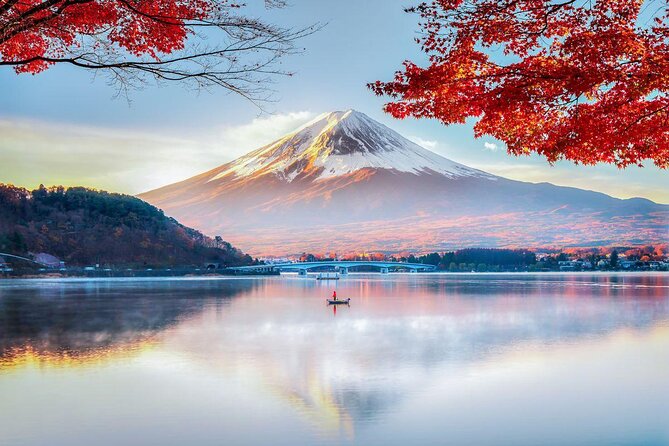
Summit views start before sunrise, literally. This Mt. Fuji 1-day trekking tour focuses on the Yoshida trail climb with a guide, plus pickup/drop-off, snacks, and gear so you spend less time fussing and more time moving. I especially like that you start at the 5th Station, the main entrance most people picture when they imagine climbing Fuji.
My second favorite piece: the tour builds in small safety-and-comfort boosts like trekking poles, bottled water, and oxygen cans, which matter on a long day at altitude. The one drawback to plan around is simple—this isn’t a casual hike. Even with an easy-level route description, the climb can feel brutally steep, especially early on, so you should be ready for sustained effort.
In This Review
- Key things to know before you go
- Early-Morning Mt. Fuji Start From the 5th Station
- A practical note on expectations
- The Yoshida Trail Climb to 7th Station (2700m)
- What you’ll likely feel as you climb
- Optional Summit Push: Continuing Past 7th Station
- Why this option is worth paying attention to
- Price and Logistics: What You’re Really Paying For
- Who gets the best value
- Pace, Private Guide, and the Group Dynamic
- The one thing you should control
- Included Comfort Gear: Poles, Oxygen Cans, Snacks, Water
- What to think about before you go
- Stop-by-Stop: What Happens at Each Stage
- Stop 1: Mt. Fuji 5th Station
- Stop 2: Yoshida Trail to 7th Station (2700m)
- The view payoff
- Who Should Book This Mt. Fuji Summit-Oriented Day
- Should You Book This Tour?
- FAQ
- FAQ
- How long is the Mt. Fuji 1-day trekking tour?
- Where do we start the climb?
- What does the main walking section include?
- Is hotel pickup and drop-off included?
- What’s included in the price?
- What isn’t included?
- Can we hike all the way to the summit?
- When does the tour operate?
- What is the cancellation policy?
Key things to know before you go
- 5th Station is the real gateway: it’s the climb start point where your day ramps up fast.
- Yoshida trail to 7th Station (2700m): the core plan is a steady trek with big altitude gains.
- Optional summit continuation: you’re not automatically stopping at 7th; continuing depends on your choice/fitness and conditions.
- Gear is included: trekking poles and oxygen cans are part of the package, not an extra add-on.
- It’s private: only your group goes with the guide, so pace and needs can be handled more directly.
- Very early start window: the tour runs in a tight early-morning timeframe (Mon–Fri in-season), so you’ll need to commit to the schedule.
Early-Morning Mt. Fuji Start From the 5th Station
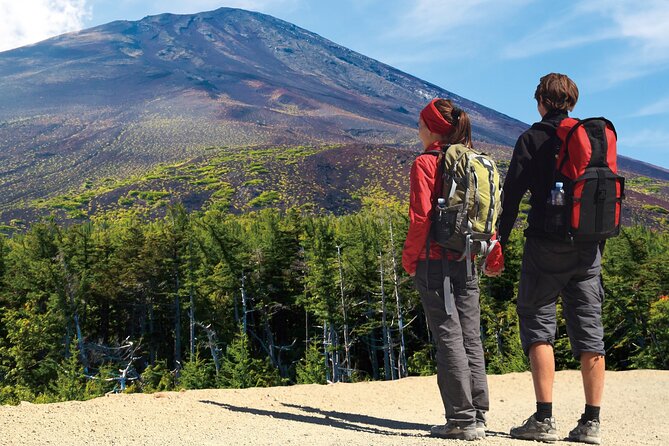
If you’re curious how the day feels in real life, start here: your Mt. Fuji climb begins at the 5th Station, not at a roadside parking lot and not halfway up somewhere confusing. That choice changes the whole vibe. You step into the climb itself quickly, and your guide can get you moving before the day gets chaotic.
The tour is scheduled for a seasonal window—July 1 to September 10, Monday through Friday—with an early meeting time (the operating window is 3:30 AM to 5:30 AM). Translation: you’ll be up early, dressed, and ready to go. The payoff is that you’re not spending the day wandering. You’re climbing.
Because this is a long day—about 12 to 16 hours—hotel pickup and drop-off make a real difference. You’re in an air-conditioned vehicle for the transfers, and you don’t have to coordinate buses or taxis on a tight schedule. Also, the tour uses a mobile ticket, which is convenient when you’re juggling an early departure and a packed day.
A practical note on expectations
The 5th Station stop is brief (around 20 minutes). Think of it as the launch pad: getting situated, taking in where you are, and letting the guide set your plan. This is not where you do a long sightseeing stroll.
The Yoshida Trail Climb to 7th Station (2700m)
The heart of the tour is the trek up the Yoshida trail. Your guide leads you from the 5th Station up to 7th Station at about 2700 meters. The route is described as easy-level trekking, but here’s the important reality: easy on paper doesn’t mean easy in your legs.
In the reviews and in the general rhythm of Fuji climbs, the early part is often where people get surprised. One specific review detail stands out: even if you’ve hiked before, the first kilometer can feel like it’s fighting you, with very steep sections that can feel extreme. That doesn’t mean you’re doomed—it means you should follow your guide’s pacing, take short breaks when needed, and avoid treating the first stretch like a warm-up.
What I like about making 7th Station the target is that it gives your day a clear goal and a natural turning point. At higher elevations, you’ll spend less time debating and more time managing effort. The climb is long enough to feel like an accomplishment, but structured enough that you aren’t wondering how long you’ll be out there.
What you’ll likely feel as you climb
- Burn in the early steep sections: go slow right away.
- Rhythm over speed: this kind of trail rewards steady footwork.
- Breathing becomes part of the work: you’ll notice altitude even without anything “dramatic.”
- The air changes: cooler temperatures and thinner air can make you feel different even when your legs are the main story.
The tour includes snacks and bottled water, which helps you keep energy up instead of rationing. That’s not just convenience—on a climb like this, small fuel-ups can stop the “I’m fading” spiral from happening.
Optional Summit Push: Continuing Past 7th Station

One of the most important details in the tour description is that there’s an option to continue. After you reach 7th Station, you can choose to hike further toward the very peak, and the tour can arrange it if you want.
This is where the tour earns its value for experienced trekkers and first-timers alike—but with one caveat. The summit is not a checkbox you can treat casually. You need strong physical fitness (the tour specifically calls for it), and you should be prepared for the climb to become more demanding the longer you keep going.
Here’s how I’d frame the decision for you:
- If you want the summit but you’re not sure how your body handles altitude, use the 7th Station point as a moment to reassess—how are your legs, breathing, and stamina?
- If you’re feeling strong and conditions look good, continuing can feel like the payoff you came for.
- If you’re struggling early, forcing the summit can turn the day into a long scramble. Better to finish with a big win at 7th than blow up trying to prove something.
The good news: the tour is guided, and guidance matters when you’re deciding whether to continue. Your guide can help you think through energy level and pace rather than guessing.
Why this option is worth paying attention to
A summit climb is mostly effort plus judgment. The ability to choose based on how you’re doing—rather than being locked into one fixed outcome—can make the experience safer and more satisfying.
Price and Logistics: What You’re Really Paying For
The price listed is $2,939.43 per group (up to 8). That’s a group rate, not a solo price. On the surface it can look steep, but when you break it down, the package includes several things people usually pay separately in Japan.
Here’s what’s built in:
- Private transportation in an air-conditioned vehicle
- Hotel pickup and drop-off
- Snacks and bottled water
- Trekking poles
- Oxygen cans
- A guide for the climb and decision-making along the way
What’s not included:
- Mt. Fuji entrance fee: ¥4,000 per person
So the “value math” depends on who you’re traveling with. If you’re splitting the group cost, you can end up with a more reasonable per-person total than a single-person guided climb. And if you hate logistical headaches—meeting buses, finding meeting points at ridiculous early hours, dealing with gear rentals—this tour’s structure helps you avoid that stress.
Who gets the best value
- Families and small friend groups that can share the group rate
- People who want a clear plan and a guide at altitude
- Travelers who don’t want to rent poles or scramble for supplies at the last minute
Also, the booking pattern is a clue: the experience is often booked around 98 days in advance on average. That suggests many people want this exact format—private, guided, early, and organized.
Pace, Private Guide, and the Group Dynamic
This is a private tour/activity, meaning only your group participates. That sounds like a marketing line, but in practice it matters a lot on a mountain climb.
On steep terrain, one fast walker can stretch the group too thin; one slow walker can make everyone uncomfortable. A private format lets the guide keep the group moving in a manageable way. You’re also more likely to get real adjustments to pace—short breaks, better placement on the trail, and help deciding how hard to push.
The reviews reinforce this support idea. One comment summed up the climb as not for the faint of heart, yet another focused on the experience being possible even for people who were unfit or new to hiking—thanks to the guides and good weather.
That combination is important: Fuji can be intimidating, but it’s not always about being an elite athlete. It’s about showing up prepared and trusting the guide’s pacing.
The one thing you should control
Even with a guide, you control how hard you start. If the first steep section wrecks you, don’t panic—just slow down and let your breathing catch up. The mountain doesn’t care how confident you felt at the trailhead.
Included Comfort Gear: Poles, Oxygen Cans, Snacks, Water
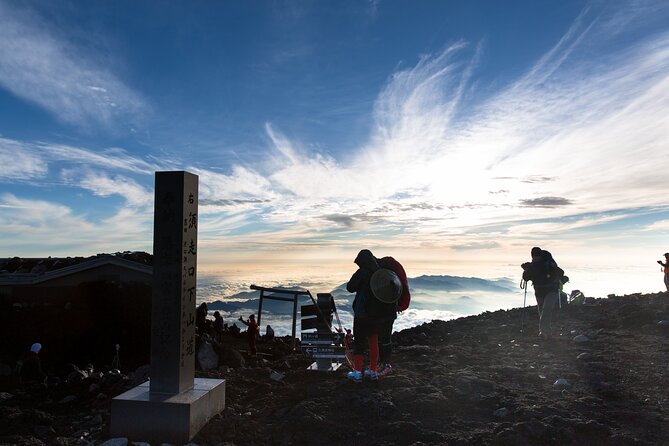
This tour includes a smart set of climbing supports, and I like that they’re practical rather than fancy.
Trekking poles are a big deal on Fuji. Even if you’re strong, poles reduce strain on knees and help you manage footing on steep sections. They’re also useful if the trail is crowded and you’re stepping around people.
Then there are the oxygen cans. The tour includes them, so you don’t have to figure out where to buy them right before your climb. I’d still treat them as a comfort tool, not a miracle cure. Your guide’s pacing and your own effort matter most.
And you get snacks and bottled water. That’s not optional on a long early-morning trek. When you’re climbing at altitude, you can feel more tired than you expect, and “I’ll eat later” usually turns into “I regret not eating sooner.”
What to think about before you go
Because the tour can run 12 to 16 hours, your comfort matters beyond the climb itself. Bring layers, and assume the temperature near the higher trail can feel different than at the base. The tour helps with what’s listed, but you’ll still want to dress for changing conditions.
Stop-by-Stop: What Happens at Each Stage
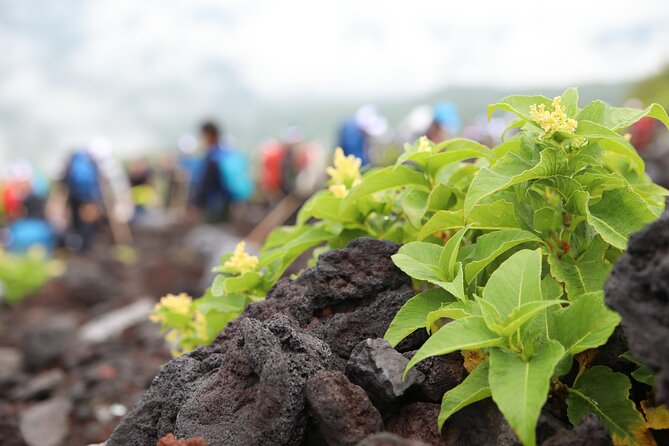
Stop 1: Mt. Fuji 5th Station
You start here, and it’s the main entrance to climbing. Expect around 20 minutes at this stage, plus free admission noted for this stop. This is where you get oriented and start the trek in the correct direction with your guide.
Why it matters: starting at the right place keeps your day from becoming a puzzle. The guide has the route, timing, and pacing plan already in place, so you can focus on the climb.
Stop 2: Yoshida Trail to 7th Station (2700m)
This is the big section: roughly 5 hours on the trail to 7th Station. The experience is described as easy-level trekking, which usually means you’re not scrambling or technical. But don’t let the word easy trick you. Steep endurance is still endurance.
Also, depending on how you’re doing and what you choose, you can continue past 7th Station toward the summit. Your guide helps you make that decision on the day.
The view payoff
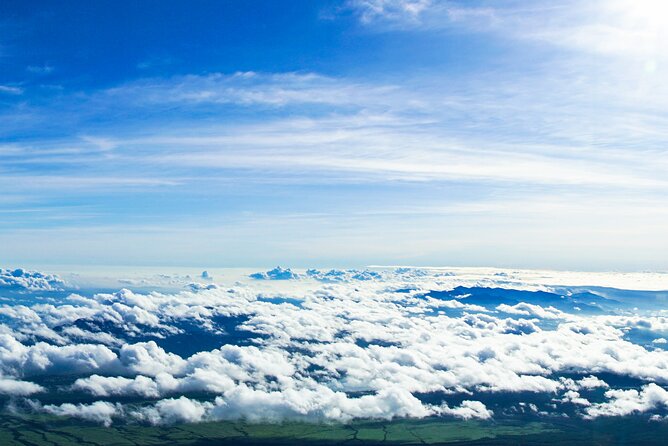
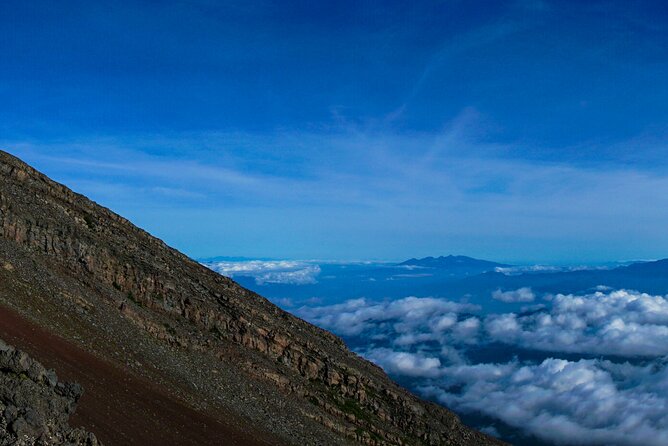
The climb is rewarded with panoramic views across the area, especially as you get higher. That’s part of why Fuji is so famous—there’s a moment when the effort turns into perspective.
Who Should Book This Mt. Fuji Summit-Oriented Day
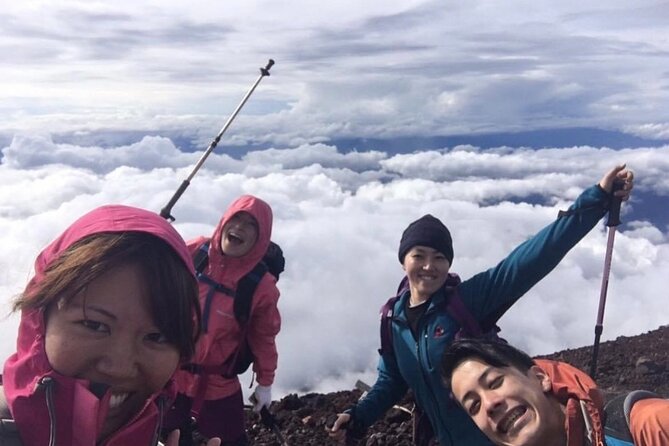
This tour is a strong fit if you want:
- A guided, private Fuji climb with a clear start at the 5th Station
- Included support items like poles, oxygen cans, snacks, and water
- A day plan that can include an optional summit continuation
It may be less ideal if:
- You don’t have strong physical fitness. The tour explicitly asks for strong fitness.
- You expect the climb to feel like a casual walk. Even with an easy route description, the steepness can be intense.
Based on the review themes, this tour can work for people who are motivated even if they’re not hardcore hikers—as long as you respect the difficulty and let the guide set the pace. The key is showing up ready for a serious effort.
Should You Book This Tour?
Book it if you want Fuji but you also want structure. The private guide, hotel pickup/drop-off, and included gear make the day smoother than doing it independently—especially with the very early start schedule and the long total day length.
Think twice if you’re hoping for a light, flexible stroll. This is a long climb with steep early sections, and the decision to continue toward the summit should only happen if you can handle the effort.
My practical recommendation: if you have decent fitness and you’re traveling with a group that can split the group rate, this tour offers solid value for the planning and support you get. If you’re unsure you can handle steep altitude trekking, start with the plan to reach 7th Station and keep your summit goal flexible.
FAQ
FAQ
How long is the Mt. Fuji 1-day trekking tour?
It runs about 12 to 16 hours total, depending on your pace and whether you choose to continue beyond the core trek.
Where do we start the climb?
You begin at Mt. Fuji 5th Station, which is the main entrance for climbing Fuji.
What does the main walking section include?
The guide takes you along the Yoshida trail from 5th Station to 7th Station (about 2700m).
Is hotel pickup and drop-off included?
Yes. Hotel pickup and drop-off are included, using an air-conditioned vehicle.
What’s included in the price?
Included are snacks, bottled water, private transportation, trekking poles, and oxygen cans, plus the guided trek.
What isn’t included?
The Mt. Fuji entrance fee is not included and is listed as ¥4,000 per person.
Can we hike all the way to the summit?
The tour notes that if you wish to hike to the summit, it can be arranged. Your choice and on-the-day factors will matter.
When does the tour operate?
It operates July 1 to September 10 and is listed for Monday to Friday with an early meeting window of 3:30 AM to 5:30 AM.
What is the cancellation policy?
You can cancel for a full refund up to 24 hours before the experience start time. If you cancel less than 24 hours before, the amount isn’t refunded.