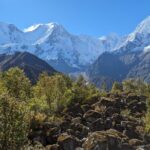
One step into the Annapurna Sanctuary feels huge. This trek blends Gurung culture, dense forest trails, and big Himalayan panoramas as you work your way toward Annapurna Base Camp. You’ll hike day after day, but the payoff is the kind you remember for a long time.
I especially like the plan’s focus on both scenery and human scale. You’re supported by an English-speaking guide and strong porters, so the trail details and lodge routines don’t become your full-time job. I also like the small-group feel, with a maximum of 15 travelers, which usually keeps things smoother and more personal on narrow paths.
One consideration: the package does not include mountain high-altitude sickness insurance, so you’ll want your own coverage before you go.
In This Review
- Key things I’d circle before you book
- Annapurna Base Camp: A classic route that rewards patience
- Day 1 in Kathmandu: Arrival day done the easy way
- Day 2: Flight to Pokhara, then Ghandruk and Gurung village views
- Day 3: Ghandruk to Koth Danda to Gurjung Khola, then up to Chhomrong
- Day 4: Steep steps to Chhomrong Khola, then Sinuwa and forest trails
- Day 5: Long day, higher-altitude feel, and views of the Fishtail area
- Day 6: Annapurna range walking and a lodge sunset if weather cooperates
- Day 7: Sunrise over the Annapurna range, then back toward Dovan or Bamboo
- Day 8: Forest trail back up and a hot spring option
- Day 9: Suspension bridge, then drive to Pokhara
- Day 10: Flight back to Kathmandu and a smooth farewell
- The lodge rhythm: What your days actually feel like
- Price and value: What you’re paying for (and what you’re not)
- Gear and packing: The stuff that keeps the trip enjoyable
- Safety and pacing: How to stay comfortable when conditions change
- Should you book this Annapurna Base Camp trek with Alliance Adventure?
- FAQ
- How long is the Annapurna Base Camp trek?
- What’s the starting point and meeting time?
- What’s included in the trek cost?
- Are Kathmandu and Pokhara meals included?
- Do I get a guide and porters?
- What permits do you handle?
- What gear is provided for trekking?
- What’s not included during the trek?
- Is altitude sickness insurance included?
- Is the booking refundable if I cancel?
Key things I’d circle before you book
- Gurung village first impressions: Ghandruk’s slate-roof homes and mountain views set the tone fast.
- Forest + river trail variety: bamboo and oak-like forest sections, plus river crossings and bridges that break up the hike.
- Sunrise timing built in: early morning views are part of the rhythm, not an optional detour.
- Base Camp is overnight, not a drive-by: the single night at the base area is a major highlight.
- Gear support included: sleeping bag, warm down jacket, trekking pole, duffel bag, plus a medical kit bag on trek.
- Real logistics handled: transport, permits (TIMS + trekking permits), and meals during the trek are covered.
Annapurna Base Camp: A classic route that rewards patience
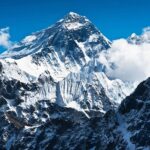
Annapurna Base Camp (ABC) sits in the “greatest hits” category for Nepal treks, and for good reason. The Annapurna Sanctuary area tends to deliver repeated views—often of multiple peaks at once—while also giving you cultural stops that feel lived-in, not staged.
What I like about this version is the balance. You’re not sprinting. You’re climbing, descending, and re-climbing with enough structure that the scenery can do its job: rhododendron forests, deep sub-tropical valleys, and those frequent wide-angle Himalayan looks.
Also, this trek is clearly designed for people who enjoy nature on the way up. If your idea of a good day is watching birds, noticing the feel of forest shade, and learning how local life works along the trail, you’ll click with this route.
You can also read our reviews of more tours and experiences in Kathmandu.
Day 1 in Kathmandu: Arrival day done the easy way
On arrival at Kathmandu Tribhuvan International Airport, you get a warm welcome, then it’s straightforward: you’re checked into a Kathmandu hotel and briefed about your Annapurna Base Camp trek. After that, you have free and easy time.
That matters more than people think. Kathmandu can be a little chaotic. A low-stress first day helps you settle your gear, hydrate, and get your head right for an 11-day hiking rhythm.
Dinner options are included in the form of a welcome Nepali culture dinner, plus later you’ll have a farewell dinner. These are useful for two reasons: you get a local meal setting that fits a trekking schedule, and it’s a calm moment to ask your guide questions while everyone is fresh.
Day 2: Flight to Pokhara, then Ghandruk and Gurung village views
You fly from Kathmandu to Pokhara (about 25 minutes), then drive to Ghandruk Village. From there, you explore the Gurung culture and enjoy what’s often the first big “look” of the trek.
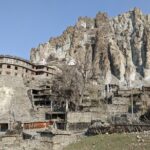
This is a smart start. Ghandruk is known for impressive mountain sightlines—think Mt. Fishtail (Machhapuchhre), Annapurna South, and Himchuli—and for that classic village feel: slate-roof houses and settlement patterns shaped by steep terrain.
You also get a cultural introduction without turning the first trekking day into a museum visit. It’s practical, too. Seeing how people live in these communities helps you understand why the trail matters: it’s not just scenery; it’s part of daily geography.
Day 3: Ghandruk to Koth Danda to Gurjung Khola, then up to Chhomrong
Today’s hike moves through a gradual climb, then down to Gurjung Khola, and later up again to Chhomrong Village. Expect a mix of ups and downs, with a steady trail pace that asks for patience.
Chhomrong is one of those places where you can feel the trek shift. The village sits at a point where the mountains begin to feel more direct—less like background, more like something you’re approaching. You’ll also start noticing how lodge life works on trekking routes: shared dining spaces, early dinner rhythms, and the calm “everyone’s tired in a similar way” atmosphere.
This is a good day to focus on pacing. The route is designed so you can keep moving without needing heroic bursts of speed.
Day 4: Steep steps to Chhomrong Khola, then Sinuwa and forest trails
Day 4 includes a noticeable stair-and-descend section: walking down with more than 3 thousand steps to Chhomrong Khola. Then the trek climbs again toward Sinuwa, with time through oat and bamboo forest sections and some river crossing.
That step count is worth respecting. You don’t need to fear it, but you do need to treat it like a “downhill workout” for your knees. Trekking poles help here, and the included pole option (walking pole after trek return to the company) is timed well for trail realities.
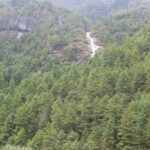
You’ll also feel the change in vegetation. Bamboo stretches are more than pretty—they create a shifting microclimate. Shade means cooler walking, which helps on days when the sun gets sharp.
Day 5: Long day, higher-altitude feel, and views of the Fishtail area
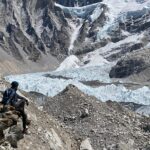
Today is described as a bit longer with higher-altitude effort. The route goes through forests and alongside river views, and you’ll walk with glimpses toward Mount Fishtail and other peaks.
This is where your trekking style matters. Slow steps and warm drinks are not “nice extras.” They’re how you keep your breathing calm while your body adjusts. The guidance in the included gear and prep notes is practical: drink warm water, stay body-warm, and keep a steady pace.
The best-case scenario is clear weather and good visibility. But even when conditions aren’t perfect, the day still earns its place because it moves you deeper into the Sanctuary zone, where the mountains feel closer.
Day 6: Annapurna range walking and a lodge sunset if weather cooperates
Day 6 is shorter (about 3 hours on paper), but it’s also about the quality of the day. You’re walking in the Annapurna range surroundings, with blue sky potential and slow-paced nature time. If the weather is clear, you get an amazing sunset from your lodge.
I like this kind of day because it gives you recovery without breaking the overall momentum. You’ll still be in trekking shape, but you won’t feel like every day is a full grind.
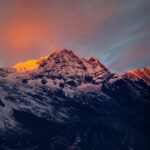
This is also a day to watch light. In the Himalaya, clouds can switch the mood fast. Even if the peak doesn’t show perfectly, the valley and ridges still give texture.
Day 7: Sunrise over the Annapurna range, then back toward Dovan or Bamboo
Today starts early. You’ll catch sunrise over the Annapurna range, enjoy breakfast, and then trek back toward Dovan or Bamboo.
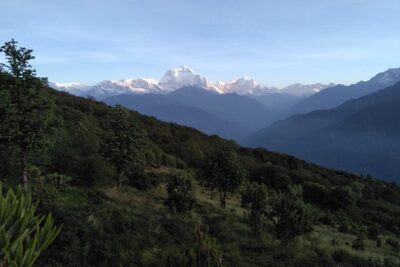
Sunrise is where the Sanctuary gets dramatic. Even if you’re cold at first, it’s a trade: early effort for those sharp-hour views. The hike afterward is also helpful. It keeps you grounded—moving steadily rather than turning the morning into one giant photo session.
If your plan includes a side stop such as Phoon Hill (some groups mention it as part of their experience), sunrise timing is exactly why. Viewpoint hikes often pair well with pre-dawn departures and breakfast at the right moment.
Day 8: Forest trail back up and a hot spring option
Day 8 heads into forest trails and local life, with another “climb again, then descend” cycle that fits the trail’s overall rhythm. There’s also an option to do a hot spring: hot spring water in the river side with about a 20-minute walk down from your lodge.
That hot spring option is a genuine quality-of-life feature. It’s not a gimmick when you’ve spent days on steps and slopes. If your muscles feel stiff, this is the kind of relief that can help you keep enjoying the next stretch rather than just surviving it.
Day 9: Suspension bridge, then drive to Pokhara
After breakfast, you cross a long suspension bridge, then enjoy a drive (about 3 hours) to Pokhara. You check into a hotel, have lunch, and then get time to explore the Pokhara valley.
This day feels like a reset button. The suspension bridge gives you a final “trail moment” before the paved-world comfort of a city night.
In Pokhara, you’ll also appreciate how quickly you can switch gears: one meal, one shower opportunity (note: hot shower is not included during the trek), and then walking around without altitude pressure.
Day 10: Flight back to Kathmandu and a smooth farewell
You fly from Pokhara to Kathmandu (about 25 minutes), then transfer to your hotel. You also have a farewell dinner.
This is the end-of-trek transition. You don’t want a complicated last day, and this setup keeps it calm. Time for last-minute shopping for family and friends comes on Day 11 as well.
The lodge rhythm: What your days actually feel like
This trek is built around comfortable lodges during the walking days, with breakfast, lunch, dinner, and tea/coffee included while you’re on trek. That matters because lodge food is not just “included”—it shapes your pace.
When meals are handled, you can focus on walking, hydration, and rest. Also, you won’t be constantly bargaining over what’s next. The pace tends to feel like: wake up, breakfast, hike, lodge, meal, sleep. Repeat.
One more plus: guides in past trips have been praised for being encouraging and accommodating with meals requests. That’s not a minor detail if you have preferences or dietary needs. It also helps when the weather swings and you need mental steadiness.
Price and value: What you’re paying for (and what you’re not)
At $1,250 per person for an approx. 11-day experience, the price is less about “transport to a trail” and more about trail infrastructure.
Here’s the value that stands out in the included items:
- 2 nights in Kathmandu + 1 night in Pokhara with breakfast
- Welcome and farewell Nepali culture dinners
- All lodging and most meals on trek (breakfast/lunch/dinner plus tea/coffee)
- Permits and cards (including TIMS and trekking permits)
- Support team: an English-speaking guide plus porters
- Gear provided for you to use on trek: warm down jacket, sleeping bag, trekking pole, waterproof duffel bag, and a T-shirt (and the gear is returned to the company after)
- Medical kit bag during the trek
- Private transport segments (Pokhara to Ghandruk and Jinu Bridge to Pokhara)
What’s not included, and you’ll want to plan for:
- cold drinks and mineral water
- hot showers during the trek (not included)
- battery charging and phone calls
- tips for guide and porters
- your own altitude sickness insurance
- Kathmandu and Pokhara lunch/dinner
- international flight and Nepal entry visa fee
For many people, this pricing structure feels fair because it reduces the number of “surprise bills” during the trek. You’ll still spend on personal items, but the mountain logistics are covered.
Gear and packing: The stuff that keeps the trip enjoyable
The included gear helps a lot: sleeping bag and a warm down jacket (plus a trekking pole). You still need your own basics.
Use the provided packing hints as your baseline:
- windproof outer layer and warm down options if you run cold
- gloves, hat or cap, sunglasses, sunscreen, lip balm (high-altitude sun can hit hard)
- comfortable trousers and breathable layers
- lightweight trekking shoes and warm wool or thermal socks
- thermal undergarments for night if you’re sensitive to cold
- flashlight with spare batteries
A simple rule: bring less than you think, but don’t skip the warm bits. Your feet and your hands will tell you fast if you guessed wrong.
Safety and pacing: How to stay comfortable when conditions change
Your success on ABC is usually not a “hero story.” It’s a slow, smart rhythm. This trek expects moderate fitness, and it includes several days with long walking hours (including high steps and repeated up-down sections).
The plan also uses sensible recovery and timing—some shorter days, plus early mornings when conditions tend to be clearer.
Also, be realistic about weather. One account of the experience described early days with rain and challenging conditions. When it’s wet, you’ll want good footwear traction, dry layers, and a calm pace.
Finally, make a decision about insurance before you leave. Since altitude sickness coverage for you is not included, get a plan that covers trekking at these elevations.
Should you book this Annapurna Base Camp trek with Alliance Adventure?
If you want a classic Annapurna trek with strong support, included permits, and lodge-based comfort, this is a solid fit. I’d especially recommend it if you value:
- clear guidance and an English-speaking leader (people have praised Mr. Urja and his team, including support staff like Assish)
- a route that mixes culture (Gurung villages) with forest hiking and real mountain viewing
- an ABC experience that includes an overnight moment at base camp, not just a quick stop
You might pause or choose carefully if you rely on altitude sickness insurance as part of a package deal, because that piece is not included. Also, if you’re very sensitive to cold or you hate stair-heavy days, plan your gear and pacing seriously.
If you’re ready to walk, slow down on the climbs, and treat the mountains as the main event, booking this trek makes sense. Just take the sun, cold, and insurance question seriously—and you’ll likely come home with the kind of memory that feels bigger than a checklist.
FAQ
How long is the Annapurna Base Camp trek?
The duration is listed as 11 days (approx.).
What’s the starting point and meeting time?
You start in Kathmandu, Nepal, with a meeting start time of 7:00 am.
What’s included in the trek cost?
The price includes transportation from arrival to departure, hotel stays (2 nights in Kathmandu and 1 night in Pokhara with breakfast), welcome and farewell Nepali culture dinners, trekking lodging and meals (breakfast, lunch, dinner, tea/coffee) during the trek, permits (TIMS and trekking permits), guide and porter support, and specific trekking gear like a sleeping bag, warm down jacket, trekking pole, waterproof duffel bag, and a T-shirt.
Are Kathmandu and Pokhara meals included?
Kathmandu and Pokhara lunch and dinner are not included.
Do I get a guide and porters?
Yes. The package includes a friendly English-speaking guide and strong helpful porters, along with guide and porter lodging and fooding during the trek.
What permits do you handle?
The trek includes a TIMS card and trekking permit.
What gear is provided for trekking?
You’re provided a warm down jacket and sleeping bag, plus a walking pole after the trek return to the company, and a waterproof trekking duffel bag and T-shirt.
What’s not included during the trek?
Not included items include cold drinks and mineral water, hot showers, battery charging, phone calls, laundry, and bar bills. Tips for guide and potters are also not included.
Is altitude sickness insurance included?
No. Mountain high altitude sickness insurance is not included.
Is the booking refundable if I cancel?
No. This experience is non-refundable and cannot be changed for any reason; the amount paid will not be refunded if you cancel or request an amendment.