REVIEW · KATHMANDU
Everest Short Trek -5 Days
Book on Viator →Operated by Himalayan Adventure Treks and Tours Pvt Ltd · Bookable on Viator
That first glimpse of Everest is quick.
This Everest View Trek is built for tight schedules, mixing Lukla flights with a gentle-enough climb through the Khumbu Valley and Sagarmatha National Park. I especially like the way the itinerary saves your time without skipping altitude awareness, and how the package leans into comfort once you’re off the plane. A big plus: the guides and Sherpa team I’ve seen praised—like Badri and Sherpa Pemba—show up as patient, caring people, not just check-the-box leaders.
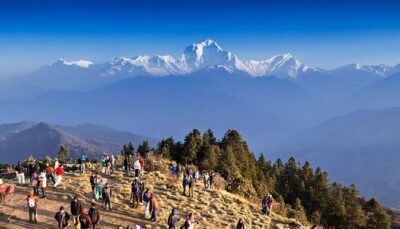
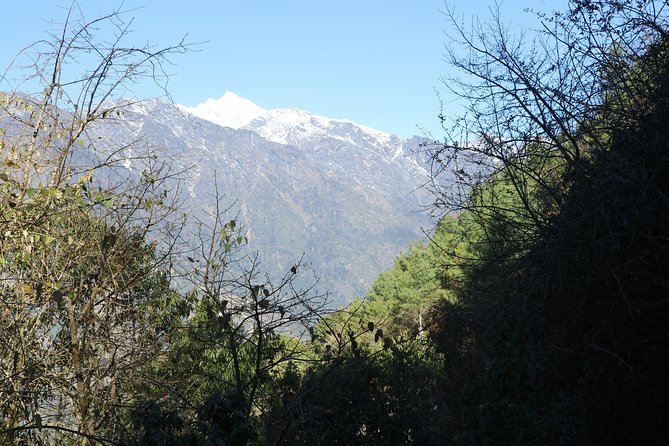
What really makes this trek worth your money is the scenery payoff. You go past river trails to Namche Bazaar, then reach the Hotel Everest View area for famous big-mountain angles, with the day also built around a sightseeing stop at Khumjung around the 3,880m mark. From there, you’ll be positioned to look toward Everest, plus Lhotse and Cho Oyu on clear days.
The main drawback is simple: short trips can mean short breathing room if weather messes with flights. Lukla is famous for delays, so you’ll want a flexible mindset for timing, and you may want to budget for changes if days get rearranged.
In This Review
- Key things I’d zero in on
- A 5-day Everest itinerary that actually fits a calendar
- Kathmandu to Lukla: where the whole trip starts
- What the package covers (and what it doesn’t)
- Day 1: Lukla to Phakding, ease into the Khumbu pace
- Day 2: Phakding to Namche Bazaar via the Dudh Koshi corridor
- Day 3: Khumjung + Hotel Everest View at 3,880m
- Day 4: Namche back to Lukla via Phakding
- Day 5: Lukla to Kathmandu, finish strong
- Lodges, meals, and the comfort level you can expect
- Guides and porters: the human detail that makes the trek feel easy
- Price and value: where the $1,300 makes sense
- Who this trek fits best (and who might want a different route)
- What to pack and how to pace on a short climb
- Should you book the Everest Short Trek?
- FAQ
- What time does the trek start?
- How long is the Everest short trek?
- What meals are included during the trek?
- Are permits and park fees included?
- Is a vegetarian meal option available?
- Do I need travel and rescue insurance?
Key things I’d zero in on
- Lukla round-trip flights keep the whole trek compact and time-efficient
- Acclimatization day at ~3,880m with Khumjung and Hotel Everest View
- Sagarmatha National Park time along the Dudh Koshi corridor
- Private tour format means your group only (less waiting, more control)
- Guide-and-porter support (1 porter for 2 clients) gets you moving comfortably
- Big-view hotel stop that’s easier than pushing farther up the Khumbu trails
A 5-day Everest itinerary that actually fits a calendar
An Everest region trek sounds like a big, vague ordeal. This one feels more like a focused assignment: get you from Kathmandu to Lukla, walk key sections of the Khumbu Valley, then turn around while you still have energy.
The route stays within the mid-altitude zone and includes a dedicated acclimatization day. That’s important when you’re doing something short, because altitude doesn’t care that you’re on vacation. The schedule gives you time to adjust before the second half of the trek, rather than treating acclimatization as an afterthought.
You can also read our reviews of more tours and experiences in Kathmandu.
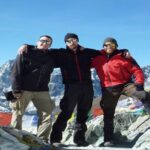
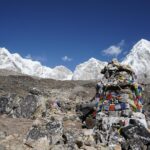
Kathmandu to Lukla: where the whole trip starts
Your day begins early, with a 6:00 am start time and airport pickup/drop by private vehicle. From Kathmandu, you fly to Lukla via the Tenzing Hillary Airport, then you begin walking the same day.
For the trek to work, Lukla matters. Flights there are weather-dependent, so treat your first and last flight like the clockwork heart of the trip. If bad weather delays you, your hiking time may shift, and the trek provider notes that extra mountain expenses can happen if you get stuck due to flight delays or other reasons.
Still, the value of this approach is clear: you’re not losing days to long road transfers. You also get to start the trekking experience quickly, rather than spending your limited Nepal time in transit.
What the package covers (and what it doesn’t)
This is priced at $1,300 per person for a 5-day trek, and the included items do real work for you on the ground:
Included highlights:
- Private pickup and drop to the airport
- Meals during the trek (breakfast, lunch, dinner as scheduled)
- TIMS permit and Khumbu Valley fees, plus paper work handled for you
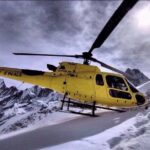
- Kathmandu to Lukla flights and return (the description also references Ramachap to Lukla as part of the routing)
- Lodges/tea houses for accommodations during trekking
- Experienced guide + porter support (1 porter for 2 clients)
- Travel and rescue arrangements and a first aid kit on hand
- Duffle bag for your gear return after the trek
- T-shirts from the company
- Farewell dinner with cultural performance at an authentic Nepalese restaurant
What’s not included (and you should plan ahead):
- Nepal visa fee (you can get it at Kathmandu airport)
- International airfare to/from Kathmandu
- Insurance for travel and rescue coverage
- Personal expenses: calls, laundry, bar bills, battery recharge, bottle/boiled water, hot shower costs, and similar
- Tips for guide and porter
- Any extra costs if you’re delayed in the mountains
If you’re trying to compare value, this package is strong on the stuff that usually gets messy: permits, logistics, and getting you through the trek days without you having to coordinate every single handoff. You still need to handle visa and insurance, but the trekking core is wrapped up.
Day 1: Lukla to Phakding, ease into the Khumbu pace
On Day 01, you fly from Kathmandu to Lukla, then trek to Phakding (2,610m) for about 3–4 hours. Meals are lunch and dinner.
This first day is designed to get your legs ready without turning it into a test. Phakding is the kind of place that helps you settle in: you’re still in the lower part of the Khumbu Valley, so the effort feels more normal even though you’re already up high.
Practical note: walking time here is short. That’s a gift on Day 1 because it leaves room for acclimatization habits like slow starts, steady breathing, and early bedtimes.
Day 2: Phakding to Namche Bazaar via the Dudh Koshi corridor
Day 02 is the longer hiking day: Phakding to Namche Bazaar (3,446m), around 6–7 hours, with breakfast, lunch, and dinner included.
This is where the trek becomes the real Khumbu experience. You follow the Dudh Koshi River, and you enter Sagarmatha National Park. That matters because it’s not just a route; it’s a conservation zone with biodiversity you’ll notice in the way the area feels—natural, protected, and not just tourism corridors.
Namche Bazaar is also your height jump. You’ll be higher by the end of the day, and your job is to move smart: don’t sprint, keep stops frequent, and keep your water intake steady.
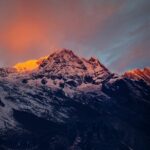
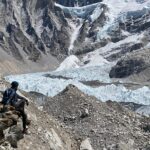
Day 3: Khumjung + Hotel Everest View at 3,880m
Day 03 is your acclimatization and sightseeing day, with breakfast and lunch/dinner. You’ll visit Khumjung village and the Hotel Everest View area at about 3,880m.
This is the signature move of the Everest View Trek. Unlike many routes that push farther, this trek stops at the hotel level, so it’s relatively easier than treks that keep climbing beyond it. For views, that’s a trade worth making.
Why this day is such a big deal:
- Hotel Everest View is known for a 360-degree view of the Everest region
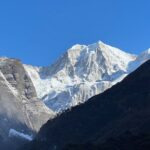
- You get focused sightlines toward Lhotse (8,516m), Cho Oyu (8,201m), and Mount Everest (8,848m) (on clear weather days)
- Khumjung village is described as the highest point on the trek, which makes it a satisfying check-in as you acclimatize
If you like photos, this is where you’ll get them—without needing a punishing summit-style push. You’re also getting the mental benefit of a day that’s not only about walking.
Day 4: Namche back to Lukla via Phakding
On Day 04, you hike Namche Bazaar to Lukla, passing back through Phakding, about 6–7 hours, with breakfast, lunch, dinner again.
This is mostly a reverse of Day 2, but reverse hiking still changes your body. Going down can be rough on knees and calves, even when the altitude is lower than Day 3. Keep your pace gentle and don’t overstride on descents.
The good part: you’ve already done your acclimatization. So this day is about maintaining steady effort rather than improvising your way through altitude uncertainty.
Day 5: Lukla to Kathmandu, finish strong
Day 05 is a flight day. You return from Lukla to Kathmandu, with breakfast and dinner included (per the schedule).
The best mindset here is calm acceptance. You’re leaving from one of the places where weather can interfere, so plan for the possibility of a delay. When the flight does happen, it feels like someone turned your travel volume down: you’re back in normal life after a few intense days.
Lodges, meals, and the comfort level you can expect
This trek uses lodges/tea houses for accommodations. In this region, those places are typically simple, warm, and practical. They’re not luxury resorts, but they’re functional—and with short trek timing, you spend less time dealing with discomfort.
Meals are included during the trekking days (with the schedule: lunch/dinner on Day 1, full meals Day 2–4, and breakfast/dinner on Day 5). I like when food is handled because it removes one more planning headache. You can focus on drinking water, eating enough calories, and sleeping.
One tip: if you have dietary requirements, you should notify the operator at booking. A vegetarian option is available, but you still want the plan in place early so it doesn’t become a late-stage scramble.
Guides and porters: the human detail that makes the trek feel easy
The Everest View Trek isn’t just about the trail. It’s about who’s guiding you through it.
In the feedback for this operator, the guide role comes up again and again. Badri is described as caring, patient, and fun, with porters portrayed as supportive and strong—powerhouses who keep things moving. Another Sherpa named Pemba is described as indispensable, which tells you something important: on a short trek, your team’s competence matters because you have less time to recover from rough starts.
Also, the main contact behind the operation—Bhagwat—is praised for communication and for running the logistics from start to finish. That’s valuable on a trip that hinges on flights and permits. If your plan changes because of weather, strong coordination helps you adapt instead of panic.
Price and value: where the $1,300 makes sense
At $1,300 per person, the obvious question is whether you’re paying for views or for organization. In this case, you’re paying for both.
You get:
- round-trip flight legs for the trek itself
- permits and park fees handled
- lodging during trekking
- meals during trekking days
- a guide and a porter ratio designed to keep you comfortable
- safety logistics and a first aid kit
- a farewell dinner with cultural performance
When you compare this to booking everything separately, the savings often show up in time and stress. The trek is short, which makes it easier to manage as long as flights cooperate. That’s also why strong communication from the operator matters.
Who this trek fits best (and who might want a different route)
This tour is described as suitable for most travelers and a private group format. In practical terms, it fits people who:
- want Everest-region scenery fast
- prefer a short trek with an acclimatization day built in
- don’t want the steep grind of higher Everest trail sections
- value good organization and support staff
It may not be the best match if you:
- need guaranteed flight timing with zero risk (Lukla can be unpredictable)
- expect a fully luxury experience in the lodges (tea houses are simple by nature)
- aren’t willing to manage altitude responsibly even on a short schedule
What to pack and how to pace on a short climb
You’re walking several long days for only five total days. That means your “small” mistakes add up.
Bring layers for cold mornings and evenings, and plan to dress for wind. Start slow on hiking days and keep your pace steady. Your acclimatization day is there for a reason—use it to rest your body, not to chase every possible extra view point.
Also, pack light enough that your porter can help with what you’d rather not carry. You’ll have 1 porter for 2 clients, so share the load in a practical way.
Should you book the Everest Short Trek?
I’d book this if your goal is the Everest region without turning your vacation into a month-long project. The schedule is short, but it’s not careless: you get Namche, Sagarmatha National Park time, an acclimatization day at about 3,880m, and the major payoff at Hotel Everest View for big views toward Everest, Lhotse, and Cho Oyu.
I’d think twice if your plans can’t handle flight delays at all. If you’re risk-averse about timing, talk with the operator about what happens if Lukla schedules shift, and make sure you’re ready for possible extra costs if you’re stuck.
If you want an Everest experience with solid logistics, good people, and a view-focused itinerary, this one is a sensible pick.
FAQ
What time does the trek start?
The start time is 6:00 am.
How long is the Everest short trek?
It’s listed as 5 days (approx.).
What meals are included during the trek?
Breakfast is included on Day 2–4 and Day 5. Lunch and dinner are included during trekking days as scheduled (Day 1 lunch and dinner; Day 2 breakfast/lunch/dinner; Day 3 breakfast/lunch/dinner; Day 4 breakfast/lunch/dinner; Day 5 breakfast/dinner).
Are permits and park fees included?
Yes. The package includes TIMS permit and Khumbu valley fees, plus all necessary paper work.
Is a vegetarian meal option available?
Yes. Vegetarian options are available if you request them at the time of booking.
Do I need travel and rescue insurance?
Travel and rescue arrangements are included, but travel and rescue insurance is not included, so you’ll want to arrange your own insurance separately.