REVIEW · KATHMANDU
12 Days Annapurna Base Camp Trek
Book on Viator →Operated by Everest High Pass Adventures · Bookable on Viator
The Annapurna Base Camp trek turns a trail into a front-row seat for huge Himalayan moments, starting with Poon Hill sunrise and ending at Annapurna Base Camp. I especially like the way the route mixes working villages—Gurung and Magar communities—with forest walking through rhododendron and oak. I also like that the walking feels approachable because the itinerary breaks up the effort with classic stops like Ghorepani and Chhomrong, where you can reset in teahouses. One real consideration: you’ll hit real altitude (up to 4,130 meters) and there are punishing sections, including more than 3,000 stone steps early on.
You’ll go from Kathmandu to Pokhara and then onto the trail, with a private setup and a trekking guide who helps with permits and keeps the logistics moving. If you like a trip that feels practical and human—good planning, simple meals, and time to enjoy the views—this is a strong fit.
In This Review
- Key points to know before you go
- Kathmandu and Pokhara: Getting the trip set up right
- Ulleri to Ghorepani: Stone steps and rhododendron trail time
- Poon Hill sunrise: The early alarm that’s actually worth it
- Chhomrong and the Bamboo Valley: Village life plus big viewpoints
- Reaching Annapurna Base Camp: The altitude moment
- The long descent to Jhinu Danda and the hot springs payoff
- Finish days: Pokhara food, massages, and Kathmandu time
- Price and logistics: What $1,200 covers (and what it doesn’t)
- Who this trek suits best (and who should think twice)
- A note on guides: calm expertise matters on Annapurna
- Should you book this Annapurna Base Camp trek?
- FAQ
- What is the highest altitude on this Annapurna Base Camp trek?
- How long is the trek?
- Does the tour include pickup in Kathmandu?
- Where does the trek start and end?
- What’s included in the price?
- What isn’t included?
- What happens if weather is poor?
Key points to know before you go
- Private-group trek with Everest High Pass Adventures, plus a guide who handles permits and briefing
- Poon Hill at sunrise for big views of Dhaulagiri, Annapurna, and Machapuchare
- Teahouse days built around warm hospitality while you move between village waypoints
- Hard hike sections like the Ulleri climb with over 3,000 stone steps
- Hot springs reward at Jhinu Danda after a long descent
- Weather matters because the experience requires good conditions for trekking days
Kathmandu and Pokhara: Getting the trip set up right
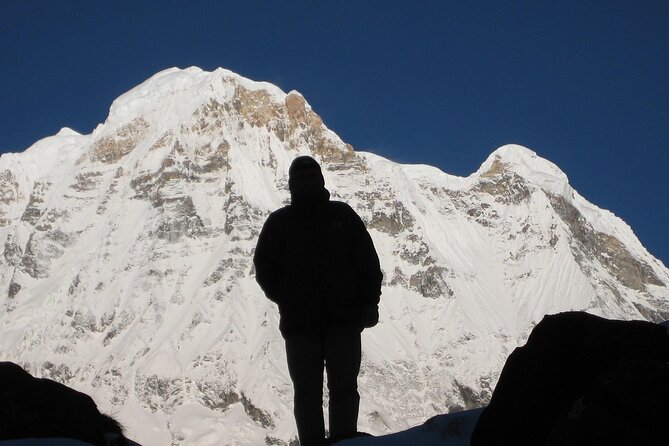
Day 1 is all about landing cleanly. You arrive at Tribhuvan International Airport in Kathmandu, then get transferred to a hotel in Thamel. After that, you meet your guide for a trek briefing and permit preparation. This matters more than it sounds. Annapurna trekking works best when paperwork is handled early, so you can spend your mental energy on the trail instead of chasing details.
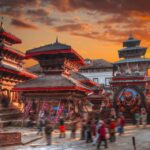
Day 2 is your transfer day toward the mountains: you choose a longer overland drive (about 6–8 hours) or a quick flight (around 25 minutes) to Pokhara. Pokhara is a comfortable “gateway” city, with Phewa Lake and views of the Annapurna range. I like that you’re not thrown straight into hard hiking; you get a buffer day to adjust your expectations and settle in.
Also note the tour offers pickup. If you’re new to Nepal logistics, that small convenience can save you stress before you start climbing.
You can also read our reviews of more tours and experiences in Kathmandu.

Ulleri to Ghorepani: Stone steps and rhododendron trail time
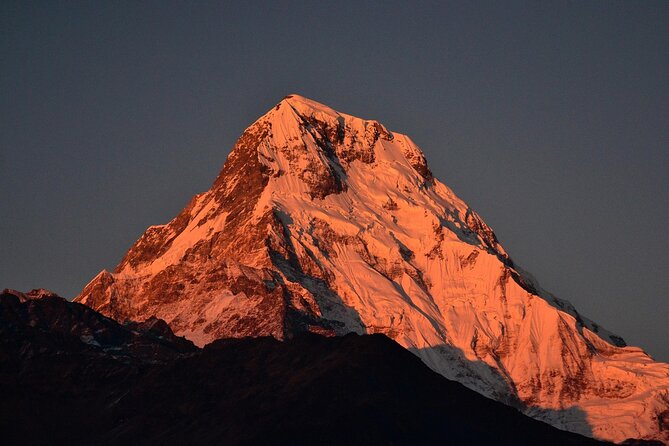
On Day 3, the trek officially begins with a short drive to the starting area near Nayapul. From there you walk toward Birethanti and Tikhedhunga first, then you earn Ulleri the hard way. The itinerary calls out a steep ascent of over 3,000 stone steps to reach Ulleri village.
That’s the kind of detail that changes how you plan your energy. You’ll want your pace slow and steady here, because stairs can fry your legs even when the distance isn’t huge. Expect the trail to feel “up, up, up” for a while before you get a place to rest.
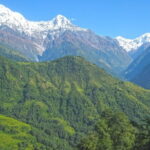
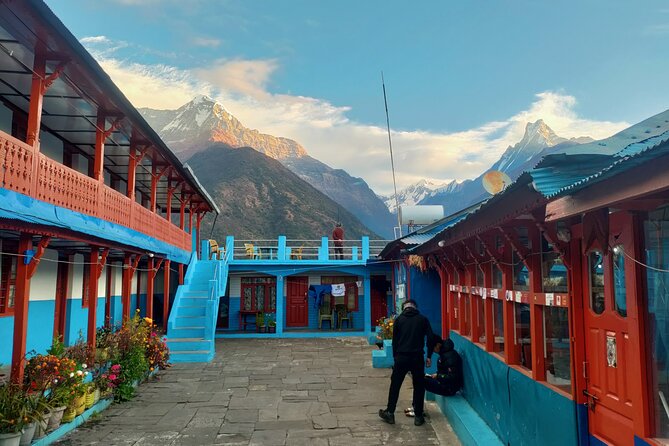
Day 4 is the scenic payoff: you climb through dense rhododendron and oak forests, with waterfalls along the way and passes through Magar villages. You end in Ghorepani, a popular village with panoramic views and a cool alpine atmosphere. Ghorepani is also a key staging point for the next morning’s sunrise hike, so this is where you set yourself up for a big early start.
Poon Hill sunrise: The early alarm that’s actually worth it
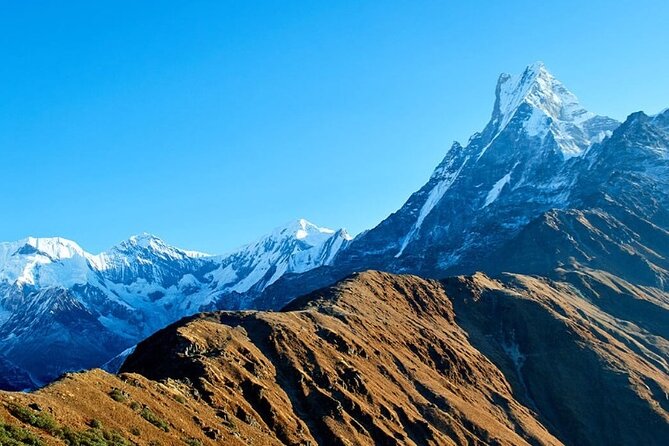
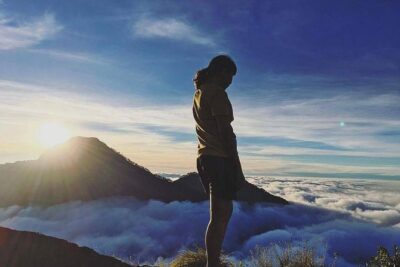
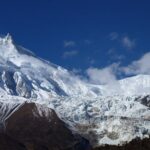
Day 5 is your classic sunrise day. You wake up early and hike to Poon Hill to catch the sunrise. The payoff is a view across Dhaulagiri, Annapurna, and Machapuchare—exactly the kind of scene people come to Nepal for.
Then you descend back to Ghorepani for breakfast, and the day doesn’t stop at “sunrise and done.” You continue trekking through forests, with the itinerary describing a winding route that feels like enchanted woodlands. Even if you’re tired from the early start, walking again after breakfast helps you “turn the page” and keep momentum.
Practical angle: sunrise hikes are where timing really matters. If clouds roll in, the views may be less dramatic, so it helps to keep an open mind and focus on the morning experience, not just the perfect postcard.
Chhomrong and the Bamboo Valley: Village life plus big viewpoints
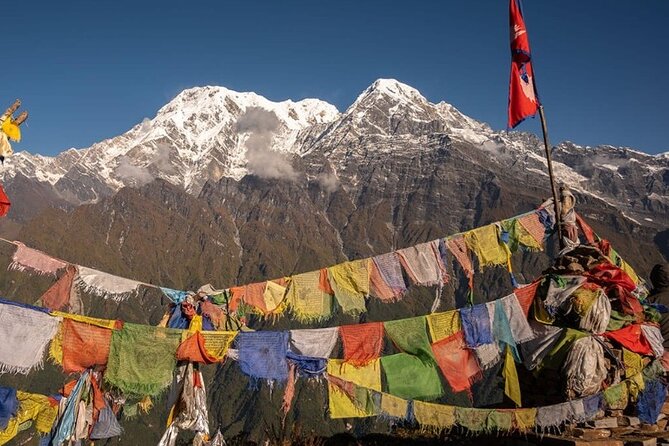
Day 6 takes you from the forest trail into the more village-based scenery. The itinerary describes a steep descent toward a stream, then another climb through terraced farmland and forests to reach Chhomrong. Chhomrong is a large Gurung village with standout views of Annapurna South and the sacred Machapuchare region.
This is the day where the cultural feel becomes more obvious. You’re not just passing through scenery—you’re moving between homey village waypoints where teahouse trekking is the norm. If you like conversations, simple rhythms, and a slower pace than cities, these stops are where the trip becomes memorable.
Day 7 continues onward to the Annapurna region toward Himalaya village (as listed in the itinerary). You descend toward the river and climb again to Sinuwa, then move through bamboo forests toward Bamboo and Dovan before arriving at Himalaya, in a quieter gorge area. Bamboo and Dovan are the kind of places where the trail can feel calmer, and the route shifts from “wide valley views” to a more enclosed walking experience.
Reaching Annapurna Base Camp: The altitude moment
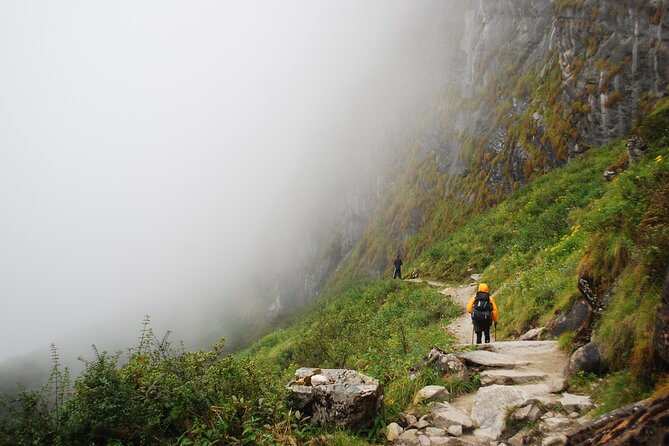
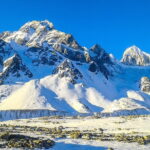
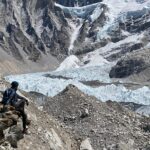
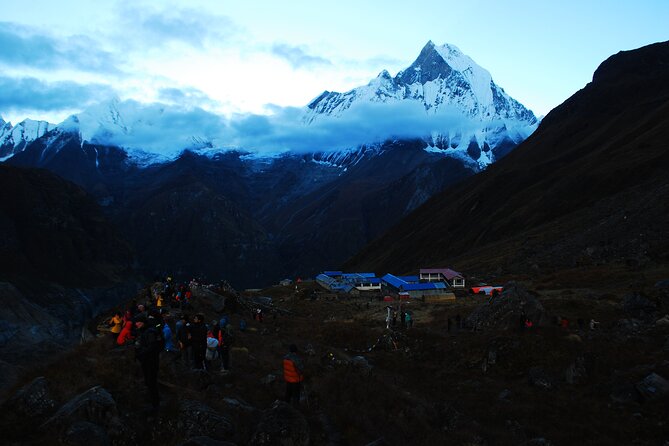
Day 8 is your big achievement day. The trail ascends past Deurali and MBC with breathtaking views, and the forest gives way to more open alpine meadows. You continue with a gradual climb until you arrive at Annapurna Base Camp, surrounded by towering peaks. Sunset at Base Camp is part of the day’s highlight, which makes sense: you get a longer window to absorb the scenery in changing light.
Here’s the “real trek” meaning of this segment. You’re not just hiking through pretty areas anymore. You’re reaching the emotional center of the route. Expect that arrival to feel like a finish line and a beginning at the same time, especially when you watch the peaks shift after sunset.
Since the overall trek sits at about 4,130 meters, treat this day as a moment to respect your body. Moderate fitness is the target for the overall experience, but altitude still has a way of making you slow down. If you feel off, pacing matters more than willpower.
The long descent to Jhinu Danda and the hot springs payoff

Day 9 starts early with sunrise over the Annapurna range again, then you begin descending the route you came up: MBC, Deurali, and Dovan back toward Bamboo. The itinerary notes that the descent is easier but long, so you’ll want to manage your energy across time, not just distance.
That’s a key difference between “hard” and “long.” Some days feel tough because they’re steep. This one can feel tough because you keep walking longer than your legs want to.
Day 10 is a more satisfying turn. You trek uphill to Chhomrong again, then descend steeply to Jhinu Danda. The afternoon reward is a dip in the natural hot springs by the riverside—one of those simple, deeply-earned comforts that makes the last descent feel fair. If you’ve ever finished a trek and wondered if your legs will survive tomorrow, this is the moment that usually answers the question.
Finish days: Pokhara food, massages, and Kathmandu time
Day 11 brings you back toward lower elevations. The itinerary keeps it light with a short trek to Siwai or Nayapul, then a drive back to Pokhara. After that, you celebrate your journey with a lakeside dinner, a massage, or just time to relax and reflect.
I like this structure. It gives you a “decompression plan” instead of forcing you to be a tourist the minute you get off the trail.
Day 12 is the home stretch. You fly or drive back to Kathmandu based on your schedule, and you can either head straight to the international airport or stay an extra night in the city. Your trek ends back at the meeting point in Kathmandu.
Price and logistics: What $1,200 covers (and what it doesn’t)
This trip is priced at $1,200 per person for about 12 days. For Annapurna Base Camp, that’s a solid figure when you look at what’s included.
Here’s what you get in the package:
- Meals included
- Excess baggage covered (a real value if you’re packing more than you planned)
- WiFi on board
- Government and entrance fees handled
- Pickup offered
What’s not included:
- Public transportation
- Airport/departure tax
Also, this is a private tour/activity—only your group participates. For many trekkers, that’s worth something because it reduces waiting around and makes the pacing feel more tailored. You’re also near public transportation and service animals are allowed, though the big factor for most people will be the trek itself and the altitude.
If you’re trying to measure value, I’d focus on this: you’re paying for the whole framework (permits/fees/logistics plus meal support), so you can spend less time micromanaging and more time moving safely and enjoying the hike.
Who this trek suits best (and who should think twice)
The experience is described as moderate, and it’s aimed at both novice and experienced trekkers. That’s believable based on the itinerary design: you have staged village days, a classic sunrise hike for motivation, and a clear trail route with teahouses along the way.
But don’t ignore the hard parts. The Ulleri section with over 3,000 stone steps is early and steep. And the trip reaches 4,130 meters, so you need to be comfortable with sustained walking at altitude, even if the schedule includes plenty of stops.
If you want a trek that’s culturally grounded (Gurung and Magar villages), scenic every day (forests, terraces, alpine meadows), and emotionally satisfying (Base Camp plus sunset), this is the kind of route you’ll remember.
A note on guides: calm expertise matters on Annapurna
Everest High Pass Adventures is the provider, and the quality of a trek guide can make or break the feeling of the trip. In the feedback for this company, one name comes up: Mandip Ji. The standout traits mentioned are his deep mountain knowledge, calm presence, and a consistently caring, polite approach.
That kind of guiding shows up most on days that aren’t just scenery. It’s there during the briefing, permit prep, and the quiet reassurance you want when altitude or weather makes you second-guess your pace.
Should you book this Annapurna Base Camp trek?
Book it if you want a well-structured Annapurna Base Camp experience that mixes big views with village life, includes teahouse-style days with meals, and ends with an actual comfort payoff at Jhinu Danda hot springs. The private-group setup and guide-led permit prep are the kind of details that keep the trek from turning into a logistics project.
Skip it or ask more questions first if you know you struggle with steep climbs (that early Ulleri stair section is no joke) or if you’re unsure about altitude comfort. This itinerary also depends on good weather, so if your schedule is tight and you can’t be flexible, plan accordingly.
If you’re mentally ready for mountains, the $1,200 price feels reasonable because it covers the backbone of the trip: meals, fees, and the people-and-process support that lets you focus on the trail.
FAQ
What is the highest altitude on this Annapurna Base Camp trek?
The trek reaches about 4,130 meters at Annapurna Base Camp.
How long is the trek?
The itinerary runs for about 12 days.
Does the tour include pickup in Kathmandu?
Yes, pickup is offered.
Where does the trek start and end?
It starts in Kathmandu at the meeting point listed as P924+79 Kathmandu and ends back at the same meeting point.
What’s included in the price?
Meals are included, along with WiFi on board, excess baggage, and government and entrance fees.
What isn’t included?
Public transportation and airport/departure tax are not included.
What happens if weather is poor?
The experience requires good weather. If it’s canceled due to poor weather, you’ll be offered a different date or a full refund.