REVIEW · LOMBOK
Rinjani trekking 2 days 1 night
Book on Viator →Operated by Rinjani Trek Adventure · Bookable on Viator
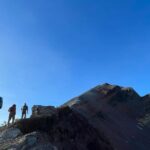
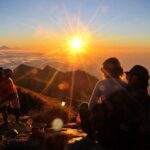
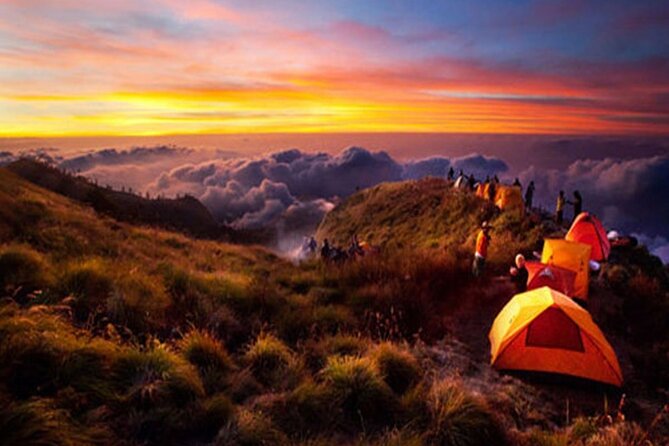
Sleep on a volcano rim in Lombok. This 2-day trek targets Senaru Crater Rim at 2,641m, with sunset and sunrise over Segara Anak, Bali’s Mount Agung, and the Gili Islands.
What makes it feel special is the mix of changing terrain and the fact you’re camping high enough for big views.
I especially like the small-group setup (max six people) and the way the tour handles the heavy lifting. With professional porters and full meals (breakfast, lunch, dinner), you can focus on hiking and pacing instead of logistics.
One thing to consider: it’s a tough, steep climb and you’ll need moderate physical fitness. Also, the Mt Rinjani entrance fee is not included (IDR 400,000 per person), so your real cost is a bit higher than the $190 rate.
In This Review
- Key things I’d plan around
- Senaru Crater Rim Overnight: the big payoff in two days
- Day 1: Senaru registration, Pos stops, and the climb out of the forest
- Night at the rim: camping comfort you can actually count on
- Day 2: sunrise, a slower start, and the return trek to Senaru
- Guides, porters, and small-group pacing
- Food, water, and gear: what’s included and what to bring
- Price and logistics: where $190 is a good deal and where it isn’t
- Who should book this Rinjani 2D1N, and who should wait
- Should you book this 2-day Rinjani trek?
- FAQ
- How long is the Rinjani trekking tour?
- Where does the tour start and what time?
- Where do you camp overnight?
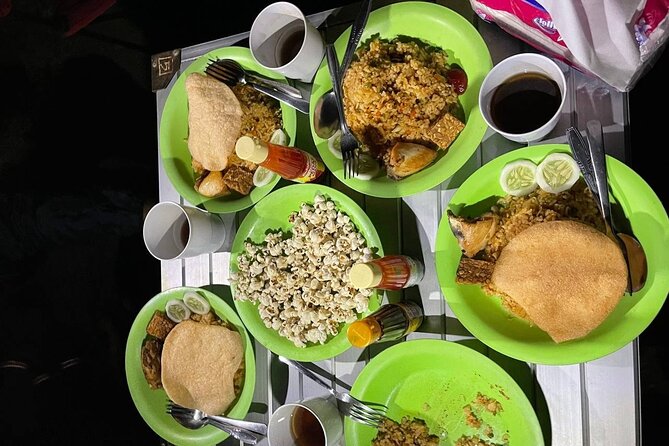
- What is included in the trek meals?
- Are porters included?
- What trekking equipment is provided?
- Is the Mt Rinjani entrance fee included in the price?
- Is transportation before and after the trek included?
- Do I need a head lamp or walking stick?
- What happens if weather is poor?
Key things I’d plan around
- Small group size (up to six) keeps the pace more personal and the hike less chaotic.
- Forest to grassland transition means you’ll feel the hike get steeper as elevation climbs.
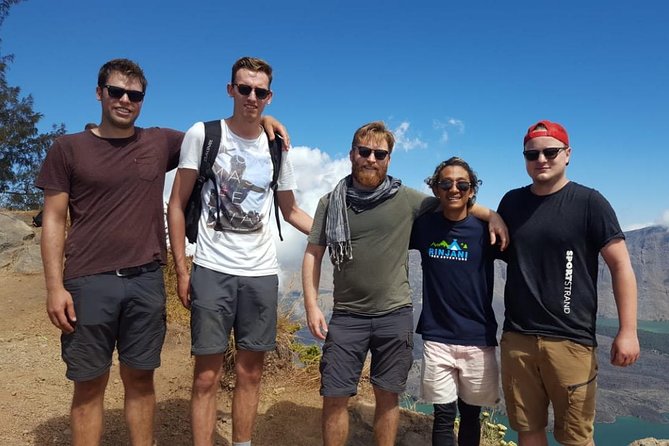
- Camp on Senaru Crater Rim (2,641m) is the heart of the trip for sunset and sunrise views.
- Porters + included camping gear reduce strain, since you’re not carrying the tent and food.
- Stops at Pos 1, Pos 2, and Pos 3 build in rest breaks, with a longer lunch at Pos 3 and again on day 2.
Senaru Crater Rim Overnight: the big payoff in two days
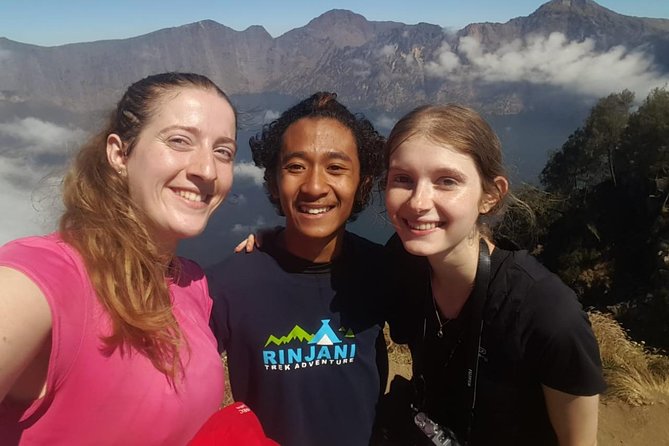
This is a straight-up volcano trek with one clear goal: get you to the Senaru Crater Rim for night views and an early look at sunrise. The route starts low in Senaru (around 601m) and climbs up to camp at 2,641m, with multiple rest points along the way. You don’t just “see” Rinjani—you spend time near the crater rim where the scenery turns dramatic and the air feels thinner.
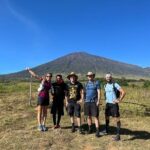
The other reason this works well is pacing. You’re not doing it alone or in a huge crowd. The tour caps the group at six people, and the structure is built around guided stops and meal breaks. That matters because Rinjani trekking is as much about managing effort as it is about having good views.
That said, don’t treat this like a scenic walk. You’re climbing steadily through dense forest first, then transitioning into grassland that gets steeper. If you’re comfortable with uphill hiking for a couple of days, you’ll be happier here. If not, you’ll feel it.
You can also read our reviews of more tours and experiences in Lombok.
Day 1: Senaru registration, Pos stops, and the climb out of the forest
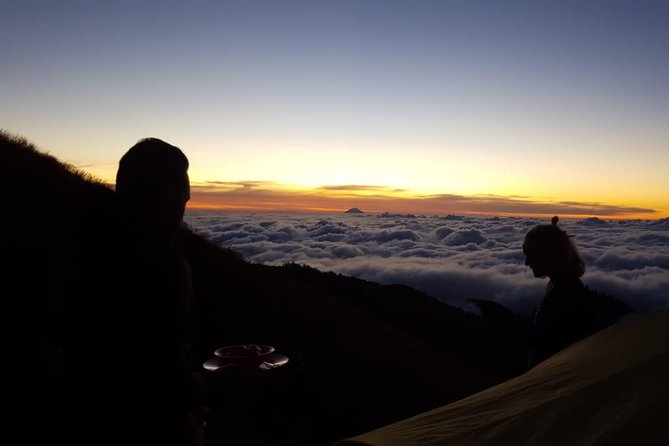
Day 1 starts with meeting your group and briefing, then an early breakfast at your hotel before you register at the Rinjani National Park office in Senaru (601m). This is one of those “boring but useful” steps. It helps you start legally and smoothly, and it sets the tone that this hike is run like a real trek, not a casual excursion.
Once you begin, the trail moves through dense tropical forest. This is nice in one way: the early shade can make the first part feel more manageable. It’s also where you’ll likely feel how narrow and uneven the ground can be. Expect the forest section to be steady and atmospheric, then notice how the hike gradually asks more from your legs as you gain elevation.
Along the way, you stop at Pos 1 and Pos 2 for rest breaks and snacks. These pauses aren’t just filler time. They help you regroup, drink, and reset your breathing so you don’t burn out too early.
Then you reach Pos 3 (2,000m), where you get a longer break for lunch. This is a key moment. After 2,000m, the climb becomes steeper and the vegetation changes—forest gives way to grassland. In practical terms, grassland can feel more exposed and more demanding on your pace because there’s less shade and the slope often feels harsher.
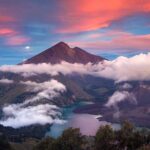
From lunch, you continue up to the crater rim and camp at Senaru Crater Rim (2,641m). This is where the day’s effort pays you back. The plan includes time to enjoy a sunset from camp, with views that can include:
- Mount Agung in Bali
- The Gili Islands
- The Rinjani summit area
- Segara Anak lake
- Gunung Baru Jari, a smaller volcanic cone inside the crater
That combination—lake, islands, and volcano landmarks—is exactly why people choose an overnight rather than a shorter day hike.
Night at the rim: camping comfort you can actually count on
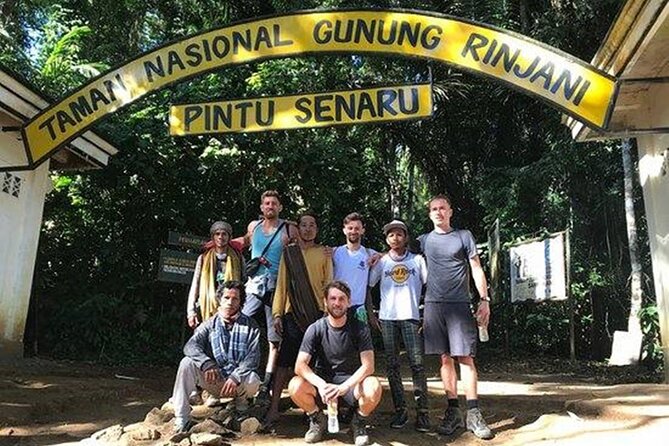
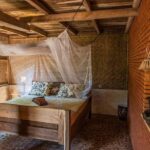
Camping at elevation isn’t a luxury experience, but this tour handles the basics well. You’ll sleep at the crater rim with tent, sleeping bag, and a 4 cm mattress, plus a toilet tent. That last detail matters more than most people expect. When you’re tired and cold, having a proper toilet setup reduces stress.
You’ll also have a proper “why am I doing this” moment. The sunrise setup on day 2 is the headline, but night at the rim is the quiet bridge between work and reward. The air can feel crisp, and the big views are still there even when you’re just settling in.
Two practical notes. First, the tour includes camping gear, but it does not list a head lamp or a walking stick as included. If you have them, bring them. If you don’t, plan to rent or buy locally. Second, don’t assume every part of the camp setup will feel plush. The mattress is thin by any normal standard, but it’s better than sleeping directly on the ground.
Day 2: sunrise, a slower start, and the return trek to Senaru
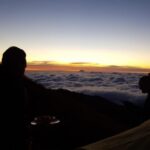
Day 2 begins with sunrise from camp, followed by a leisurely breakfast. That matters because the most dangerous mistake on a trek like this is treating sunrise as the finish line. Here, you have food first, then you hike down.
The return trek takes you back toward Senaru, with rest and snack breaks along the way. You’ll stop at Pos 2 for a longer lunch break. This structure helps because it prevents day 2 from turning into one long slog with no rhythm.
Expect the downhill to still feel like work. The legs may feel different than day 1, but your knees and footing need attention, especially when you’re tired. A guided group and scheduled stops make it easier to keep your pace sensible.
You arrive back in Senaru by around 1:00 pm, and then you’re transported to your next destination. One good sign from real-world experience: the operator has helped arrange onward transport for people who wanted to continue to areas like Senggigi on the same schedule. If you have a hotel or flight plan, it’s smart to align your pickup details early so the timing matches.
Guides, porters, and small-group pacing
The tour is built on local guide experience and professional porters. In a trekking context, that doesn’t just mean someone points the way. It means the pace, breaks, and meal timing tend to be managed so you don’t wander into trouble or fall behind because of simple fatigue.
Porters carry your food and trekking equipment, so you’re not shouldering the tent and supplies. That’s a real value point. You’ll still climb, still sweat, still work uphill, but you’ll feel the difference between carrying everything versus carrying only yourself.
The small group size (max six people) adds another layer. You’re less likely to get stuck behind a slow line of hikers, and you’re more likely to receive personal help if you have questions about footing or timing. It also tends to make camp feel calmer—especially when you’re sharing a night at the rim.
The operator also includes an on-site language support option at their office, which can help if you want smoother communication with the guide team.
Food, water, and gear: what’s included and what to bring
This trek is set up as a fully supported overnight, at least for what matters most during the hike.
Included during the trek:
- Food and water: breakfast, lunch, dinner
- Camping gear: tent, sleeping bag, 4 cm mattress, toilet tent
- Porters for food and trekking equipment
- Local guide
Not included:
- Entrance fee to Mt Rinjani: IDR 400,000 per person
- Head lamp and walking stick
- Transportation details (your start/end logistics need confirming)
- Accommodation before trekking if you need it: IDR 250,000 per person
That entrance fee is the big “surprise add-on” for many people. It’s not included in the $190 rate, so budget for it up front. The head lamp and walking stick part is also simple: if you go without, you may end up borrowing or improvising, and hiking at dawn or in low light is much easier with the right gear.
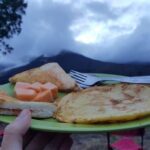
Food is included, and that’s a comfort. You don’t have to figure out where to eat during the climb, and you can treat the lunch stops as real breaks instead of guesswork. The stops are built into the day’s rhythm: snacks at Pos 1 and Pos 2, lunch at Pos 3 on day 1, and again a longer lunch on day 2.
Price and logistics: where $190 is a good deal and where it isn’t
At $190 per person, this 2-day/1-night trek is priced fairly for what’s included: guidance, porters, meals, and camping gear. The big cost drivers on a trek like this are usually manpower and equipment—both of which are handled for you here.
That said, you should look at the price as a base rate, not the final number.
Here’s what you should expect to add:
- Mt Rinjani entrance fee: IDR 400,000 per person
- Head lamp / walking stick if you don’t already have them
- Your transport situation before and after trekking needs confirming, because the overview talks about pickup/drop-off, while the price notes list transportation as not included
- Pre-trek accommodation if needed: IDR 250,000 per person
So the value math is usually: base tour covers hike support and overnight basics; you cover any park fee and any missing gear and transport. If that fits your plan, $190 becomes a bargain compared to trying to piece everything together yourself.
One more detail: the booking uses a mobile ticket, and the operator notes you’ll receive confirmation when you book. That tends to make the start of the trek easier and reduces last-minute confusion.
Who should book this Rinjani 2D1N, and who should wait
I think this trek is best for you if:
- You have moderate physical fitness and you’re comfortable with uphill hiking for extended periods.
- You want the overnight experience and the payoff of sunset and sunrise at the rim.
- You prefer small-group hiking with guides and porters handling the “heavy” side.
You might want to choose a different style of trip if:
- You’re not comfortable with steep sections and changing terrain (forest to grassland).
- You don’t have the right walking gear (head lamp, walking stick), or you hate the idea of sleeping on a basic camp setup.
- Your schedule doesn’t allow time for the day 2 return by around 1 pm and onward transport.
Should you book this 2-day Rinjani trek?
Book it if you want an overnight that’s run like a real trek: guided steps, built-in rest breaks, porters for the gear, and camping at the crater rim for the big views. The small group cap is a practical win, not just a marketing line.
Hold off or ask extra questions before booking if you’re unsure about your total cost because of the entrance fee, or if your pickup/drop-off details aren’t clear. Also be honest with yourself about fitness. This isn’t a casual hike, and being prepared pays off in how much you enjoy sunrise and the crater views.
If your goal is that two-day story of forest climbing, crater-rim camp, and a sunrise that feels earned, this is the kind of plan that usually delivers.
FAQ
How long is the Rinjani trekking tour?
The tour runs for 2 days (about 2 days total), with an overnight camp.
Where does the tour start and what time?
It starts at the meeting point at Rinjani Trek Adventure | Mt Rinjani Tour Company in Senaru, with a start time of 7:00 am.
Where do you camp overnight?
You camp overnight at the Senaru Crater Rim at about 2,641 meters.
What is included in the trek meals?
Food and water are included, including breakfast, lunch, and dinner during the trek.
Are porters included?
Yes. A professional porter is included to carry your food and trekking equipment.
What trekking equipment is provided?
The tour includes a tent, sleeping bag, a 4 cm mattress, and a toilet tent.
Is the Mt Rinjani entrance fee included in the price?
No. The entrance fee is listed as IDR 400,000 per person.
Is transportation before and after the trek included?
Transportation is listed as not included, even though the overview mentions pickup and drop-off. You should confirm what’s covered when you book.
Do I need a head lamp or walking stick?
Yes, those are listed as not included, so plan to bring or arrange them.
What happens if weather is poor?
The experience requires good weather, and if it’s canceled due to poor weather, you’ll be offered a different date or a full refund.