REVIEW · HANOI
2 days AMAZING trekking Sapa from Hanoi with various options
Book on Viator →Operated by Trekking Like A Boss · Bookable on Viator
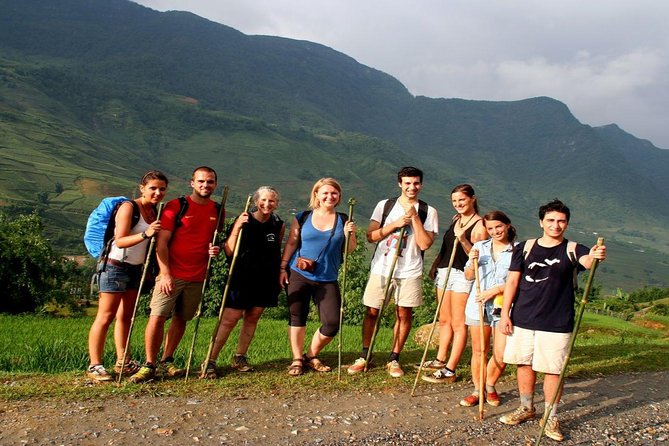
A mountain morning in Sapa can change fast. This two-day trekking tour from Hanoi takes you through Muong Hoa Valley and down into village life, then brings you back with a Sapa hotel night and meals handled. You hike scenic routes around rice terraces, with photo stops aimed at Fansipan when the weather cooperates.
I especially love the small group size (max 15), because it feels personal on the trail without turning into a crowded bus hike. I also like that you get an English-speaking guide and local village visits across several communities like Shin Chai, Ta Van, and Cat Cat, so the trip feels more like moving through real Sapa than checking boxes. A potential drawback: the day’s best viewpoints depend on clear weather, and the logistics around pickup timing can feel stressful if you don’t confirm details early.
In This Review
- Key things to know before you go
- Sapa trekking from Hanoi: what makes this route special
- The Hanoi-to-Sapa plan: night train options vs easier starts
- Day 1: Muong Hoa Valley, Shin Chai terraces, Ta Van, and Fansipan photo stops
- Day 2: Cat Cat Village and your final look at Fansipan
- Hotel night, meals, and what “included” really buys you
- Price and value: is $89 a good deal?
- The pace, guide attention, and what “small group” feels like
- Weather and viewpoint stops: how to set expectations
- Who this tour suits best
- Should you book this two-day Sapa trek from Hanoi?
- FAQ
- How long is the Sapa trekking experience?
- What is the group size?
- Is pickup from Hanoi included?
- Does the tour include hotel accommodation in Sapa?
- Are meals included?
- Can I request vegetarian food?
- Are Fansipan tickets included?
- Is the tour affected by weather?
- How does the timing work in Hanoi?
Key things to know before you go
- Small-group trekking (max 15): Easier pace, more attention, less chaos on narrow paths.
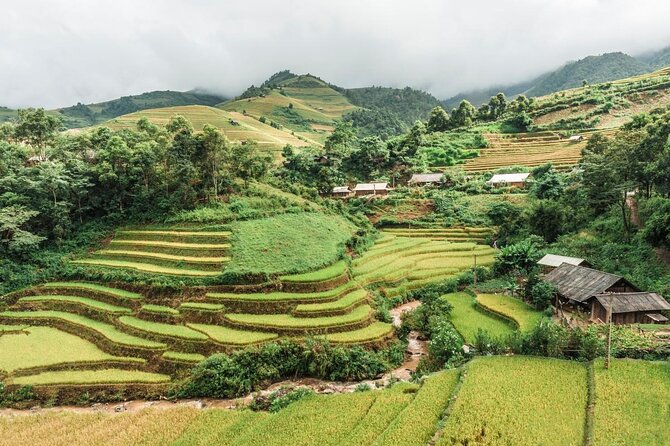
- Muong Hoa Valley + rice terraces: A full day of classic Sapa scenery instead of a quick drive-by.
- Village hopping across communities: Shin Chai, Ta Van, and Cat Cat give you variety in one tight schedule.
- Weather-based photo stops: Waterfalls, Tram Ton pass views, and Fansipan looks can hinge on visibility.
- Meals + one hotel night included: You’re not constantly hunting for food after hiking hard.
Sapa trekking from Hanoi: what makes this route special
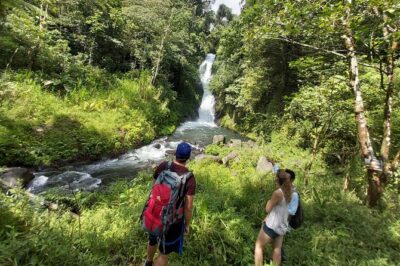
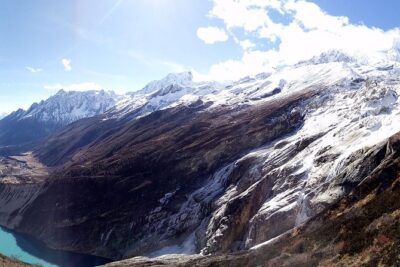
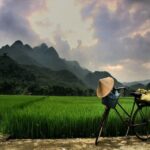
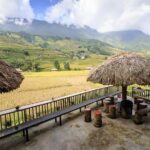
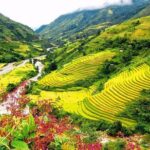
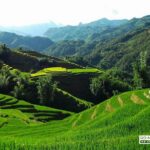
Sapa can feel dramatic even before you start walking. You’re surrounded by hills, valleys, and terraced fields that look different at every turn—sometimes bright and crisp, sometimes muted and misty. On a good day, this tour lines up several “watch the view change” moments while still keeping you moving through villages.
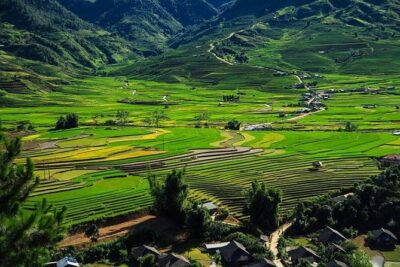
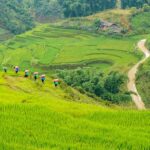
I like that the itinerary is built around valleys and terraces, not just one single highlight. Muong Hoa Valley is the backbone of the scenery, and then you connect through Shin Chai and Ta Van, where you’re seeing how people live alongside the fields. It’s the kind of trekking where you feel like you’re traveling through Sapa, not only up and down it.
Also, you’re not alone in the experience. With a group capped at 15 and an English-speaking guide, you get help with timing, route flow, and questions. And when you do hit the cable car area or Fansipan viewing spots, you’re not scrambling to figure out where to stand or when to go.
You can also read our reviews of more tours and experiences in Hanoi.
The Hanoi-to-Sapa plan: night train options vs easier starts
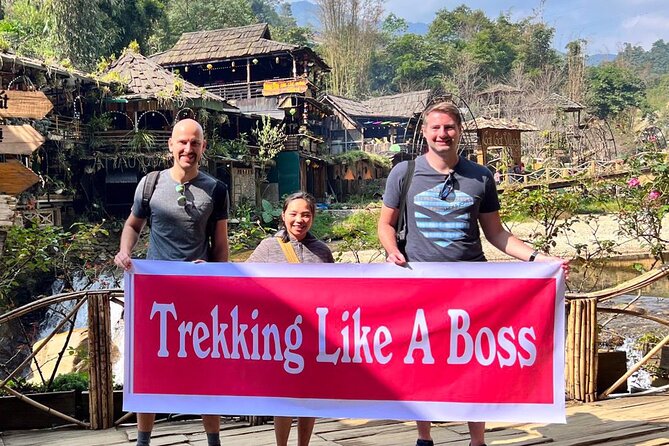
This tour comes with multiple ways to get from Hanoi to Sapa. If you pick the option that includes door-to-door round-trip transfers from Hanoi Old Quarter by overnight train, you’re set up for the long-distance portion with less planning on your end.
Here’s what that usually means in practice:
- You start in Hanoi at 8:00 pm (for the train-based option).
- You get pickup from your place in Hanoi to the station by private transfer.
- Once in Sapa, the pickup from the train station to your hotel is by bus (not a private car).
- After your trekking, you go back toward Hanoi using the included return transport plan.
If you don’t choose the train option, you’ll still be trekking in Sapa for two days, but your Hanoi return train tickets are not included. The tour data clearly separates what’s included depending on the option you pick, so it’s worth checking before you book so you’re not surprised by what you still need to purchase.
One practical tip: because this is a night-train style schedule, confirm the exact pickup points and timing well ahead of departure. There are real-world cases where late communication can turn a simple transfer into a scramble, and I’d rather you avoid that stress.
Day 1: Muong Hoa Valley, Shin Chai terraces, Ta Van, and Fansipan photo stops
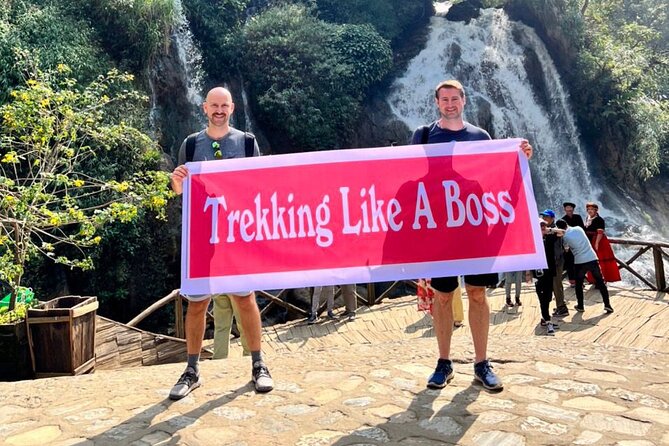
Day 1 is where the scenery stacks up. You’ll spend time in Muong Hoa Valley first, with time to take it in and understand the scale of the hills around Sapa. The valley stop includes an admission ticket, so it’s not just a quick look—it’s part of the planned experience.
Then you move into Shin Chai Village, where the tour focuses on terraced rice fields. These terraces are one of the reasons people come to Sapa in the first place. In the right light, you see the geometry of the steps and how the farmland wraps around the slopes. In mistier conditions, the same hills can look softer and more mysterious—still beautiful, just less crisp.
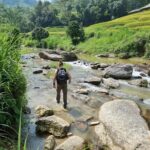
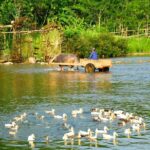
Next comes Ta Van Village, another chance to experience village life and the way trails connect homes, fields, and small paths. This village stop is designed to be more than a “pass through” moment. You have time to look around, ask questions, and absorb the tempo of the area.
After that, the itinerary builds in viewpoint breaks tied to Fansipan. You’ll stop at a good spot for photos of Fansipan mountain, and on clear days you may get views of places like Tram Ton pass and waterfalls. There are also notes about seeing the cable car station from viewpoints in the valley area.
Two useful considerations for Day 1:
- Some stops are explicitly dependent on weather. If skies are clear, you’ll likely get more dramatic vistas. If not, you’ll still be trekking and visiting villages, but the “big view” moments may be less obvious.
- The route includes a pass-by of Ta Phin Village with no visit, so don’t expect a full stop there even though you might see it from the trail/road. That’s normal for a 2-day, packed schedule.
If it rains, don’t panic. The tour keeps moving because it’s structured around guided route flow and village connections. Just remember: weather affects what you can see from certain points, not whether the walking and community visits happen.
Day 2: Cat Cat Village and your final look at Fansipan
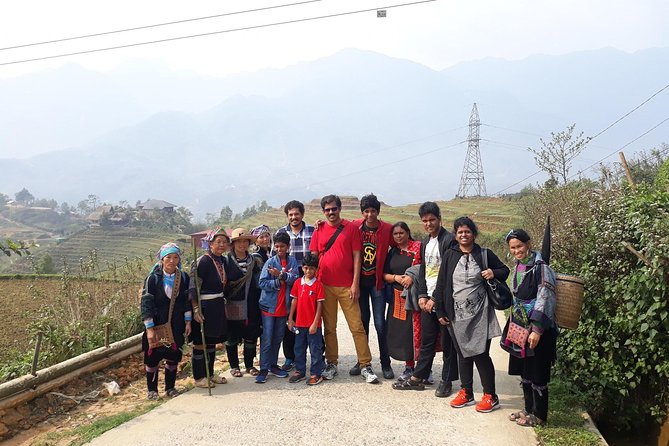
Day 2 keeps a simpler shape: a village visit plus more scenic finishing moments. You’ll head to Cat Cat village first, with about one hour allocated for the visit. Cat Cat is a good way to contrast the rice terrace villages you saw earlier, with a different feel and a familiar Sapa reputation.
From there, the tour focuses on great views of Fansipan. Again, this is where “clear and sunny day” notes matter. If visibility is good, you’ll likely get more satisfying mountain views. If visibility is low, you may feel the trip shift into a more atmospheric trekking day, with the hills fading in and out through mist.
The key thing I like about ending this way is that your last day doesn’t drag. You’ve already hiked through the valley and village network on Day 1, so Day 2 feels like closure—more viewpoints, less constant switching between stop-and-go transport moments.
Hotel night, meals, and what “included” really buys you
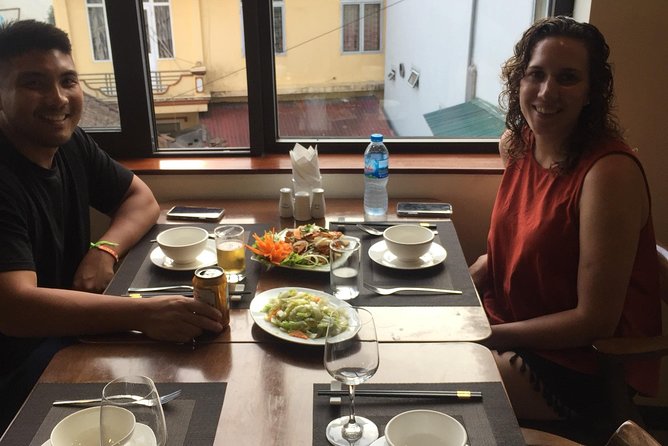
You’ll stay overnight in Sapa Town in a 3-star or 4-star hotel (your exact category depends on what’s arranged). This matters because Sapa is a practical place to base yourself for short trekking. You’re not spending your energy moving hotels or re-locating mid-trip.
Meals are included for the full schedule: two breakfasts, two lunches, and two dinners. That’s a big deal on a trekking itinerary, because it removes one of the hardest parts of travel planning—figuring out food timing while you’re tired and cold and your hiking day already has set rhythms.
Vegetarian meals are available on request. If you eat vegetarian, I’d treat this as a must-confirm item at booking, not something to assume will happen without a heads-up.
Transport is also covered while you’re moving between key points, with air-conditioned vehicles and logistics aligned to the trekking schedule. Even if you love public transport at home, in northern Vietnam you’ll feel the value of AC when you’re back from the hills.


Price and value: is $89 a good deal?
At $89 per person for a 2-day, guided trekking package with an overnight hotel night and three-meals-a-day coverage, this price can be a solid value—especially if you’re booking for small-group attention. You’re paying for more than “a walk.” You’re paying for a structured route through multiple villages, guide time, vehicle transfers, and meals that keep you from losing half your day hunting food.
The biggest cost-saving benefit is removing the guesswork. With transport handled and meals included, you’re not building the itinerary piece by piece. For many people, that convenience is worth real money.
That said, value depends on your priorities:
- If you care most about Fansipan and clear views, your actual experience might rise or fall with weather. You can still have a great trekking day, but you’re not buying a guaranteed panoramic mountain shot.
- If you’re picky about free time vs guide-led time, note that your trail day can include breaks and photo pauses. One good sign is that the group is capped at 15, which usually helps the day stay under control.
Also consider timing. The tour is commonly booked about 43 days in advance on average, which is a good hint that planning ahead helps you secure your preferred schedule.
The pace, guide attention, and what “small group” feels like
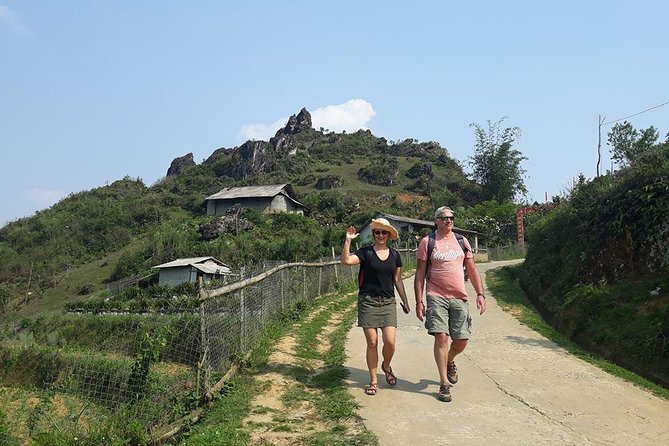
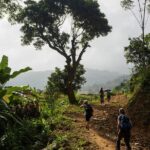
A group of 15 sounds small until you hit narrow paths. Here, it’s still manageable. You can move without constant bumping, and you’re more likely to be guided when you need help rather than simply following a trail of strangers.
I also appreciate that the experience has a guide presence, plus local coordination once you’re in Sapa. In real-world terms, you’ll want that support when you’re moving between valley stops, viewpoints, and village areas, especially if you’re not fluent in the local language.
One note to keep your expectations realistic: with an itinerary full of stops, you will likely have moments that feel more like guided set-up than continuous narration. That’s not automatically bad. It can mean you get time to focus on the views and photos instead of being talked at for hours. Still, it’s worth choosing this tour if you like guided structure but also like your own space to look around.
A practical takeaway from past operational hiccups: don’t assume pickup details will be perfect on the first notification. Confirm your pickup time and meeting point before you travel, especially if you’re using the night train option and you’re checking into a new hotel in Sapa.
Weather and viewpoint stops: how to set expectations
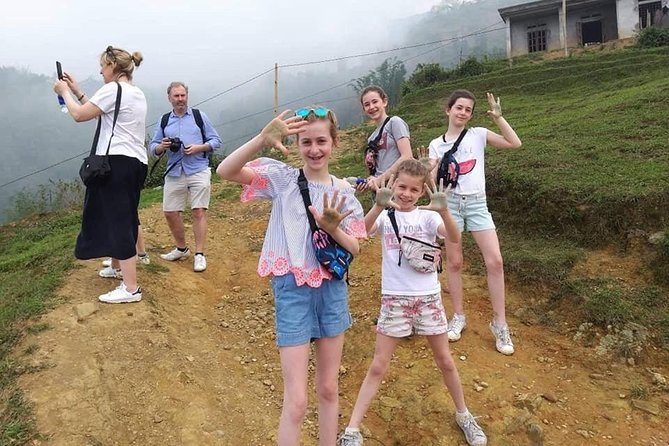
This tour explicitly includes several “clear day” moments. That includes the ability to see things like Tram Ton pass, certain waterfall views, and Fansipan-related viewpoints depending on visibility.
So here’s the honest way to think about it:
- You’re buying a trekking day through Muong Hoa Valley, rice terraces, and villages.
- You’re also buying a chance at bigger mountain and waterfall views.
- Weather determines how dramatic those view-based stops become.
If it’s foggy, don’t treat it as a lost day. Trekking routes in Sapa still work in low visibility because you’re surrounded by hills and fields that don’t disappear completely. But if you’re traveling with the single goal of seeing Fansipan clearly, you should mentally prepare for partial views.
Who this tour suits best
This is a strong match if you want:
- A 2-day Sapa plan without doing route planning yourself
- A guided experience with English-speaking support
- Village and valley trekking that goes beyond one short photo stop
- Meals and an overnight hotel handled for you
It’s also a good option if you’re traveling with others and want a small-group setup rather than a private tour price.
If you hate being in groups, or you need an ultra-flexible schedule, then this kind of set itinerary may feel tight. Likewise, if you’re very sensitive to pickup timing, you’ll want to confirm details early and stay on top of your transport plan.
Should you book this two-day Sapa trek from Hanoi?
I’d book it if you want a high-reward Sapa introduction: rice terraces, Muong Hoa Valley, multiple villages, and a hotel night, all with transport and meals included. For the price, the value is strongest when you use the included planning to reduce stress.
I’d hesitate only if:
- You’re relying on guaranteed clear mountain views (the itinerary is weather-dependent).
- You can’t handle any transfer uncertainty. If you book, confirm pickup timing and hotel details, and keep your expectations realistic for a night-train style schedule.
If you’re flexible and you like walking through real places, this tour can be a memorable Sapa taste test that still leaves you energy to explore after.
FAQ
How long is the Sapa trekking experience?
It runs for about 2 days.
What is the group size?
The maximum group size is 15 travelers.
Is pickup from Hanoi included?
Pickup is offered. If you book the train-based option, you get private transfer from Hanoi to the station, and in Sapa you get transfers between the station and your hotel.
Does the tour include hotel accommodation in Sapa?
Yes. It includes one night at a 3-star or 4-star hotel in Sapa Town.
Are meals included?
Yes. You get two breakfasts, two lunches, and two dinners.
Can I request vegetarian food?
Yes, vegetarian food is available on request.
Are Fansipan tickets included?
Fansipan tickets are not included. The tour shows you the station to buy tickets.
Is the tour affected by weather?
Yes. The experience requires good weather. If it’s canceled due to poor weather, you’ll be offered a different date or a full refund.
How does the timing work in Hanoi?
The activity start time is 8:00 pm, which matches the night-train style transfer option.
If you want, tell me which option you’re considering (with overnight train vs without), and your rough travel date. I can help you think through how weather timing might affect your view expectations.