REVIEW · HAVELOCK ISLAND
Ancient Lava Stream Trek through dense Tropical forest.
Book on Viator →Operated by Seashell Habitat Institute Activity Centre · Bookable on Viator
Walking an ancient lava stream through jungle.
On Havelock Island, this ancient lava stream trek mixes dense tropical forest, an areca nut plantation visit, and on-trail explanations that connect plants, animals, and geology into one easy-to-follow story. I love how the guide turns what you see into clear lessons, especially the plant-and-tree explanations and the way the route shows the island’s formation and wildlife history.
One big consideration: the trail gets rope-assisted and can be slippery, with climbing and rappelling involved. If you have issues with your back, knees, or cardio, you should skip this and choose a gentler walk instead.
In This Review
- Key Things You’ll Remember
- Price and Logistics: What This Costs for a Small-Group Trek
- Where You’ll Start on Havelock Island (and How the Trek Ends)
- The Full Route: Coastal Forest to Areca Nuts to a Freshwater Finish
- Rope-Assisted Climbing and Rappelling: The Part to Respect
- What You’ll Learn in the Tropical Forest: Plants, Trees, and Geology
- Areca Nut Plantation Time: More Than a Quick Photo Stop
- Wildlife and Endemism: What to Look For (Without Guessing Species Names)
- Why This Trek Feels Worth It: Small Group, Guided Pace, Real Explanations
- Who Should Book This (and Who Should Skip It)
- Timing, Weather, and the Day’s Reality
- Quick Practical Prep (So You Don’t Feel Rushed)
- Should You Book the Ancient Lava Stream Trek Through Tropical Forest?
- FAQ
- How long is the Ancient Lava Stream Trek?
- What time does it start, and where does it end?
- What fitness level do I need?
- Is this trek safe if I have back, knee, or cardiovascular issues?
- What’s included in the price, and what isn’t?
- What if the experience is canceled due to bad weather?
- Is there a group size limit, and how do I use my ticket?
Key Things You’ll Remember
- A guided plant-and-geology lesson in real time while you walk, not at a lectern
- Ancient lava stream terrain that the guide uses to explain how the islands formed
- Areca nut plantation glimpses—how people work in harvesting and cultivation
- Dense tropical forest with endemic flora and fauna adapted to the island conditions
- Slippery rope sections with climbing and rappelling as the trail gets harder
Price and Logistics: What This Costs for a Small-Group Trek
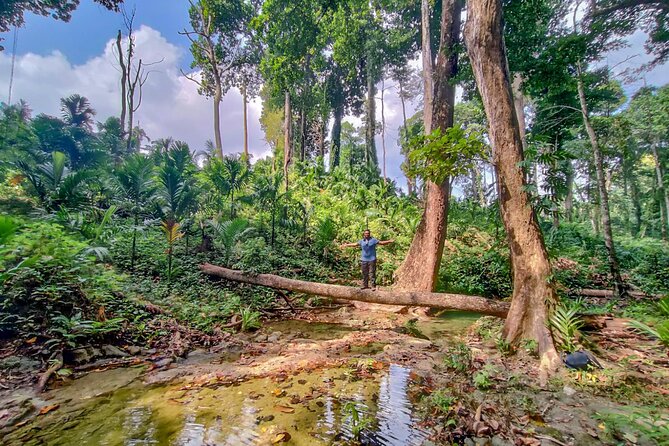
This trek runs about 2 hours 30 minutes and costs $33.56 per person. For a guided, active walk that includes all fees and taxes, it’s a fairly strong value—especially because the focus is not just exercise. The point is understanding what you’re walking through, from plants to geology.
You’ll likely book it ahead (on average, about 6 days in advance), and you’ll use a mobile ticket. The group size caps at 15 travelers, which matters here, because a smaller group keeps the rope and slippery parts safer and less chaotic.
One practical note: an air-conditioned vehicle isn’t included. That doesn’t ruin the day, but it does mean you should plan for warm, humid conditions while you’re getting to and from the start.
Where You’ll Start on Havelock Island (and How the Trek Ends)
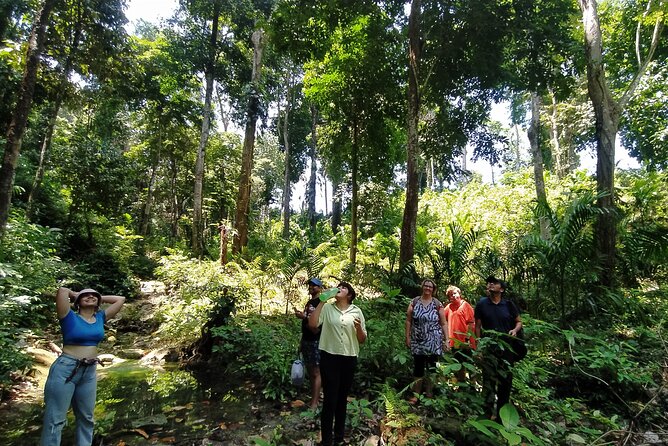
The tour starts at 1:00 pm at the Govind Nagar area (GPS pin: 7M3JXXM5+63HXXM5+63H). It ends back at the same meeting point, so you’re not left scrambling to figure out transport after you’re done walking.
That “return to start” format is more than convenience. It lets you treat the trek like a clean half-day slot in your Havelock plans, without worrying about buses, timing, or getting separated.
Expect this to feel like a proper guided field outing: you’ll follow the guide’s pace, stop when explanation makes sense, and then move on when the trail calls for it.
The Full Route: Coastal Forest to Areca Nuts to a Freshwater Finish
The walk starts in coastal forest, where the air and vegetation can feel a little different from deeper jungle. This is a good warm-up zone, and it sets the tone for what the guide will keep doing throughout: pointing out how island life has adapted.
Next comes the areca nut plantation section. Here, you’re not just passing scenery. You get a peek into the people involved in beetle nut plantation and harvesting, which is tied to daily island life and local agriculture.
From there, the trek pushes into dense tropical forest. This is where you’ll have the best chance of spotting plants and animals adapted to these island conditions, including endemic flora and fauna. The guide also uses this stretch to show evidence connected to the islands’ formation and the story of wildlife history.
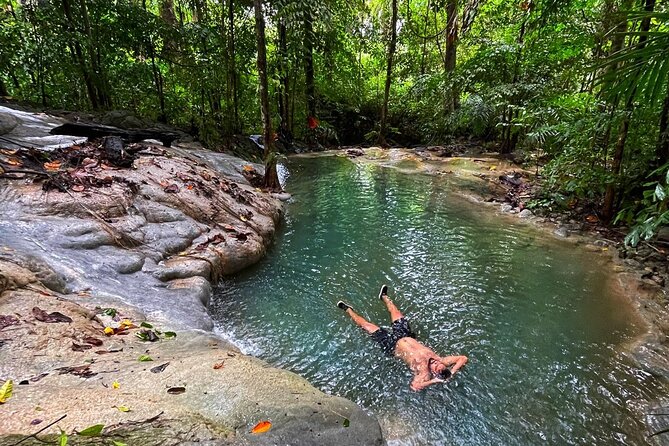
Then the trail leads toward a freshwater stream. The end stretch is a chance to slow down a bit and take in the cooler, more water-influenced environment—useful if you’re starting to feel the trek’s “strenuous” side.
Rope-Assisted Climbing and Rappelling: The Part to Respect
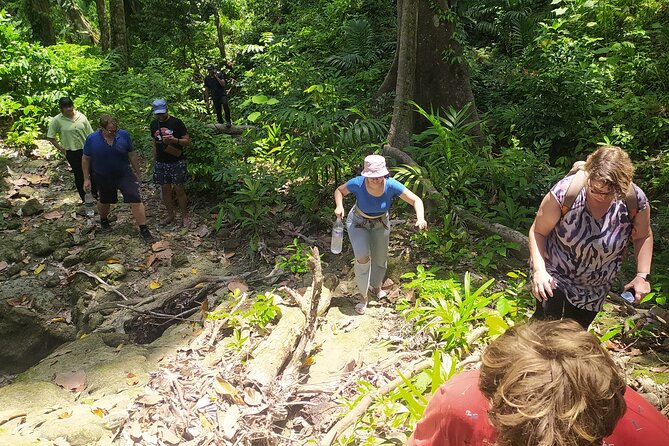
This isn’t a stroll. The route includes rope-assisted climbing and rappelling, and the provider specifically notes the trail can get slippery at times.
That means you should treat this as a technical hike, even though it’s only about 2.5 hours. You’ll likely spend more energy on careful footing and controlled movement than on long-distance stamina alone. If you’re the kind of traveler who charges ahead and assumes it’ll be fine, slow down early.
The guidance is clear: it’s not recommended for anyone with physical issues, especially back, knee, or cardio vascular issues or weakness. If you fall into that category, I’d take it seriously. Rope sections don’t care if you’re “mostly okay.”
What You’ll Learn in the Tropical Forest: Plants, Trees, and Geology
One of the most praised parts of this experience is the way the guide explains what’s around you. I love tours where the information is practical—stuff that helps you look better, not just listen longer. Here, the focus is on unique plants, including endemic flora, and how they survive in island conditions.
The other standout learning theme is geology—especially the idea of an ancient lava stream route. Instead of vague “volcano stories,” you get a walk that points to evidence of how the islands formed. That gives you a framework for understanding why the vegetation and wildlife look the way they do.
In other words: you don’t just see jungle. You learn what the jungle is doing there, and how the island’s physical history shaped what lives on it now.
Areca Nut Plantation Time: More Than a Quick Photo Stop
The plantation portion is short enough to stay practical, but it’s meaningful. You’ll get a peek into the work behind areca/beetle nut plantation and harvesting.
This matters because it adds context. Island environments aren’t only shaped by storms and geology; they’re shaped by people too. Even a simple “we grow this crop here” moment helps you stop treating the landscape like a postcard and start seeing it as a working place.
Also, this section breaks up the trek nicely. Dense forest can blur together if you’re rushing, and the plantation view gives your brain a different kind of pattern to read.
Wildlife and Endemism: What to Look For (Without Guessing Species Names)
You’re guided through an area where endemic flora and fauna are adapted to local conditions. That’s the key takeaway: you’re not chasing a checklist of specific animals.
Instead, you’ll be looking at how life fits into this island system—plants that thrive where conditions demand it, and wildlife that has learned to live with the same constraints. The guide’s job is to point out what to notice, and the best part is you’ll do it while you’re walking, not in a lecture.
If you’re the type who enjoys paying attention to leaves, textures, roots, and small movement, you’ll get a lot out of this. If you’re expecting big safari-style sightings, you might find yourself enjoying the subtle details more than the dramatic ones.
Why This Trek Feels Worth It: Small Group, Guided Pace, Real Explanations
The combination of small group size (max 15) and a guided approach is a big part of the value. On tougher trails, a smaller group helps the guide manage timing and safety around tricky parts.
Add in the learning focus—plants, geology, and island formation—and the price starts to make sense. You’re paying for a guided, interpretive experience that turns a physical walk into something you’ll remember when you’re back at your hotel.
It’s also a good length. At 2 hours 30 minutes, you get enough time to feel like you did a “real” outing without losing your whole afternoon to logistics. For an island trip where schedules get tight, that matters.
Who Should Book This (and Who Should Skip It)
Book this if you:
- Want a guided trek focused on plants, trees, and geology
- Enjoy technical terrain and don’t mind careful steps
- Have solid mobility and can handle rope-assisted climbing and rappelling
- Like learning while walking, especially on island formation and how ecosystems developed
Skip it if you:
- Have back, knee, or cardio vascular issues
- Feel unsure about slippery footing or controlled descents
- Prefer flat, easy trails where you won’t need ropes
This one is for travelers who see effort as part of the fun.
Timing, Weather, and the Day’s Reality
This experience needs good weather. If weather is poor and the trek can’t run, you’ll be offered a different date or a full refund.
If you’re choosing a day on Havelock, don’t treat weather like a background detail. Tropical rain can turn slippery trail sections into a bigger safety issue. Aim for a day with stable conditions, and be ready for the fact that the trek may be weather-sensitive.
Quick Practical Prep (So You Don’t Feel Rushed)
You can’t control the jungle, but you can control your readiness. Since the route includes slippery moments and rope work, I’d prioritize solid footwear and careful pacing.
Also, keep your afternoon plan flexible. You’ll be walking for about 2.5 hours, and the guide’s explanations are part of the experience, not a detour.
If you’re bringing a camera, do it—just don’t let it steal your attention during the rope sections. Save shots for safe, stable spots.
Should You Book the Ancient Lava Stream Trek Through Tropical Forest?
I think you should book it if you want more than scenery. The best reason to go is the guided nature of it: plants, geology, and island formation lessons tied directly to what you’re walking past. Add in the areca nut plantation glimpse, and you get both environment and human context in one morning/afternoon slot.
But if you’re dealing with back, knee, or cardio issues—or if slippery rope sections would stress you out—don’t force it. This is not the right time to test your limits. Choose something easier and keep your energy for the rest of Havelock.
FAQ
How long is the Ancient Lava Stream Trek?
It lasts about 2 hours 30 minutes (approx.).
What time does it start, and where does it end?
It starts at 1:00 pm and ends back at the same meeting point.
What fitness level do I need?
You should have a moderate physical fitness level.
Is this trek safe if I have back, knee, or cardiovascular issues?
No. It’s not recommended for anyone with any physical issues, especially back, knee, or cardio vascular issues or weakness.
What’s included in the price, and what isn’t?
The price includes all fees and taxes. An air-conditioned vehicle is not included.
What if the experience is canceled due to bad weather?
If it’s canceled for poor weather, you’ll be offered a different date or a full refund.
Is there a group size limit, and how do I use my ticket?
Yes. It has a maximum of 15 travelers, and you’ll use a mobile ticket.