REVIEW · SAPA
Full Day Trekking in Sapa
Book on Viator →Operated by Trekking local villages and rice fields in Sapa · Bookable on Viator
Six hours in Sapa can feel like a small world visit. This flexible private trek lets your guide shape the route for your group, then leads you from Sapa town into rural villages where you can walk the famous rice fields.
I like two things most: the way your guide plans the trail to match your pace, and the lunch stop at a local home that makes the day feel personal instead of scripted.
One thing to consider is that the trek depends on good weather. If the hills are socked in with cloud, the views may be different than you imagined, and the path can still be uneven depending on the difficulty you choose.
In This Review
- Key things to know before you go
- Why this Sapa trek feels adjustable and real
- 8:00 am pickup and how the day is paced
- Loa Chai Village: where culture shows up in small details
- Rice fields, plus the wildlife farmers deal with
- The lunch stop at a local home that changes the mood
- Guides like Khu and Thào Thikhu can make or break the day
- Price and value: $24 for six hours of local time
- What could be tricky (and how to plan around it)
- Who should book this trek in Sapa
- Should you book full-day trekking in Sapa?
- FAQ
- What time does the Full Day Trekking in Sapa tour start?
- How long is the trekking experience?
- Is pickup from my hotel included?
- Is this tour private?
- Can you adjust the trek difficulty for different fitness levels?
- How does the guide plan the route for my group?
- Where does the trek go?
- What sights or animals might I see?
- Is there a lunch stop?
- What happens if the weather is poor?
- How does cancellation work?
Key things to know before you go
- Private group with pickup from your hotel or meeting point, starting at 8:00 am
- WhatsApp planning before the trek so your guide can tailor the route to your level
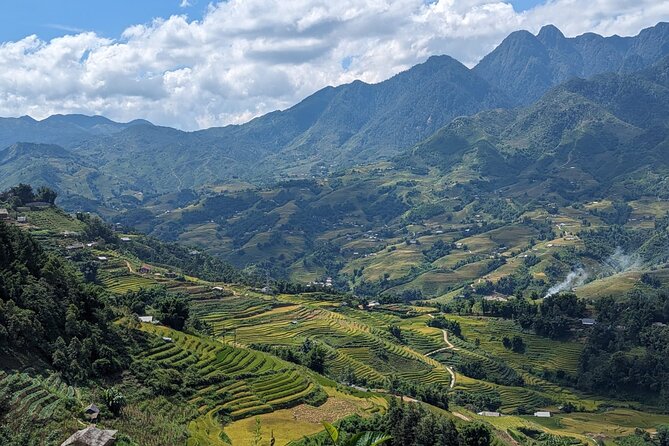
- Loa Chai Village and Sapa rice fields with a real look at everyday farming life
- Wildlife you might see such as buffalo, chickens, ducks, and pigs along the way
- A halfway lunch stop at a local home plus chances to buy handmade goods and souvenirs
Why this Sapa trek feels adjustable and real
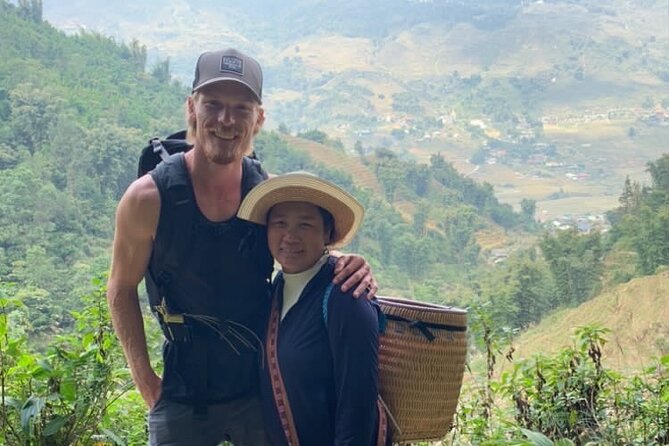
Sapa can be touristy around town, but this trek is built to move away from the crowds. The big advantage is that it’s infinitely customizable. You tell your guide what you want, and then they plan the trail to fit your group’s ability, whether you prefer very easy walking, something more challenging, or a middle ground.
That customization matters more than it sounds. If you pick an easier route, you’ll spend more time watching village life. If you choose harder sections, you’ll likely spend more time earning your views, with more rough footing and steeper segments. Either way, your day stays focused on living Sapa: villages, small farms, and the rhythms of daily work.
Another reason I like this format is that it’s not just “walk and snap photos.” Your guide is local, and the tour is framed as a cultural exchange. Since guides have learned English from talking with tourists, you can swap stories as you walk, not just listen to a monologue.
You can also read our reviews of more tours and experiences in Sapa.
8:00 am pickup and how the day is paced
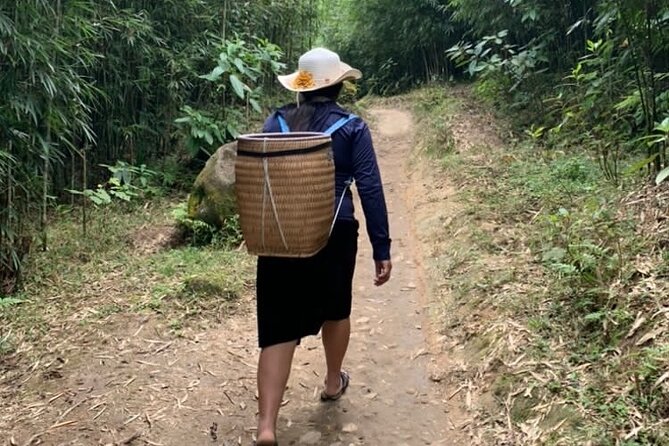
The trek starts at 8:00 am, and pickup is offered from your hotel or meeting point. That early start is practical here: you’re leaving Sapa town before the day gets hot, and before the popular trails feel extra packed.
The tour runs for about six hours. You’ll move from the main area into surrounding villages, then come back on a loop that returns you to your hotel afterward. The pacing is designed so you’re not just trudging for miles. There’s a lunch break built into the middle, and the itinerary is arranged so the long stretches don’t feel like a punishment.
This is also a private tour, meaning your group goes as one unit rather than mixing with strangers on your trail. In plain terms, that usually makes it easier for your guide to manage the pace, take route changes smoothly, and answer questions without rushing.
Loa Chai Village: where culture shows up in small details
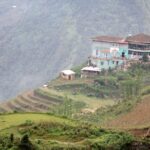
One highlight is Loa Chai Village, the kind of place you visit to understand what “village life” actually means. You’re not just passing by houses. The tour is set up to show you how people work and make things, including handicrafts and local food.
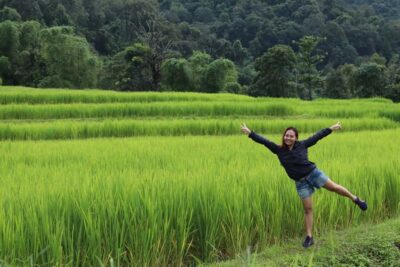
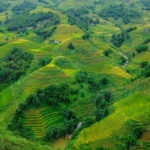
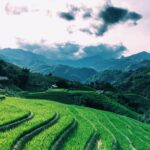
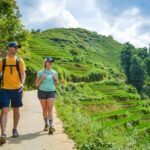
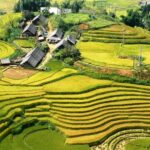
You’ll also see the famous Sapa rice fields and trek through them. During certain seasons, the fields are especially active. Even if the exact farming moment isn’t the same each day, rice cultivation is a constant here, and your guide can point out what’s happening on the ground level rather than treating it like a backdrop for photos.
This is also where you get the best chances to watch daily routines: people moving through paths, animals on the farm, and small-scale work tied to weather and seasons. That’s the difference between seeing rice fields and understanding why they matter to the people who live with them year after year.
Rice fields, plus the wildlife farmers deal with
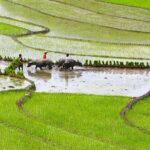
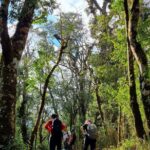
A big part of why this trek feels authentic is that it doesn’t keep you safely behind fences. As you walk through rural paths, you may encounter wildlife and farm animals, including buffalo, chickens, ducks, and pigs.
I like this because it turns the day into observation, not just hiking. You start noticing how farms are organized: how animals share space with daily chores, how people route paths, and how the land supports both crops and animals.
Depending on the trek difficulty you choose, the tour may also bring you past places where you can see handicraft stores or local selling points. In other words, you might see more commerce if you pick a route that connects to it. You might see more farm-focused scenes if you pick a more trail-heavy variation.
Either way, the guide’s job is to match what you’re likely to enjoy, so the best move is to be honest about what you want your day to look like.
The lunch stop at a local home that changes the mood
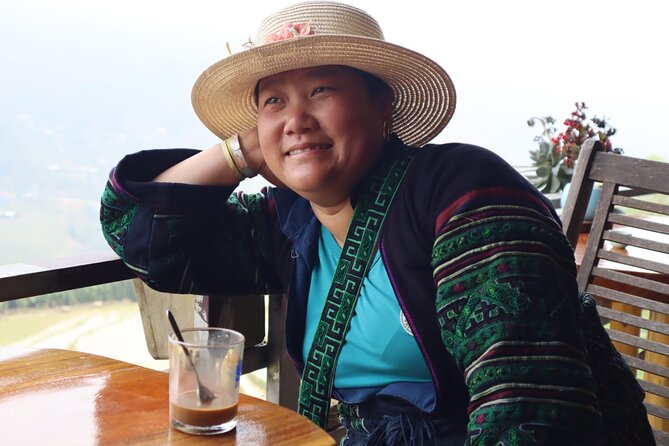
Halfway through the day, you’ll stop for lunch at the guide’s friend’s house. The meal is described as delicious, and the main value isn’t just the food. It’s the shift in the day’s energy: you sit down, reset your legs, and experience a home-style meal that feels tied to the area rather than like a restaurant detour.
In guides’ stories, this kind of meal often becomes the emotional “turn” of the trek. You hear more village details. You ask questions without trying to do it while you’re balancing on a slope. It’s also when the day stops being purely about getting from point A to point B.
If you have dietary restrictions, ask in advance when you message your guide on WhatsApp. The tour is flexible, but you’ll want clarity early so the lunch stop fits your needs.
Guides like Khu and Thào Thikhu can make or break the day

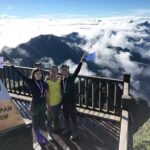
In Sapa, the trail is the trail, but the experience is the guide. This tour is led by local guides, and two names come up strongly in past trips: Khu and Thào Thikhu.
Khu is described as caring and helpful, especially on rougher path sections. That matters if your legs aren’t used to uneven mountain footing. She also brings information with energy, making it easy to pay attention even when the day gets misty or the views change fast.
Thào Thikhu also comes through as a standout. Trips with her highlight how smooth pickup and route flow can be, plus how the day becomes story-driven. The English is a real asset. You can exchange culture as you walk, instead of relying on a phrasebook and hoping for the best.
One more detail that I think is underrated: some guides manage the route so you get less of the standard crowd flow. When the trail direction changes early, you often feel the difference right away. You get more quiet moments, more farm scenes, and fewer “same photo, different group” stops.
Price and value: $24 for six hours of local time
At $24, this is one of those Sapa experiences that can be great value if you understand what you’re buying. You’re paying for a private, guided day (about six hours), with pickup, trail direction, and a lunch stop at a local home. You’re also paying for local route knowledge, including the ability to shift the trek to fit your group.
What makes that good value is the combination:
- Local guide time in rural villages, not just around town
- A custom route based on your group’s difficulty
- Cultural context during the walk, plus a lunch break that keeps the day from feeling rushed
You’re also likely to have opportunities to buy small handmade goods and souvenirs. Even if you don’t shop much, those options support the local economy, and they give you a chance to bring home something tied to the region.
As always, check expectations: $24 is not a luxury trekking package. It’s a local experience designed to be affordable and real.
What could be tricky (and how to plan around it)
First, remember the trek requires good weather. If conditions are poor, the experience may be canceled, and you’ll be offered a different date or a full refund. That’s not a small detail here. Sapa can change quickly, and cloud can affect what you see on the slopes.
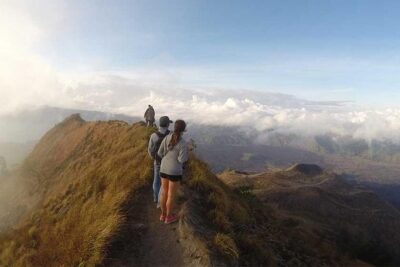
Second, the path isn’t necessarily a flat stroll. The tour can be tailored, but even easier levels may include uneven ground. If you’re choosing a harder difficulty, expect that your guide may guide you through rougher sections and adjust pace as needed.
Third, communication affects quality. The tour is designed around messaging your guide on WhatsApp to plan the route. If you keep that message short or vague, you may get a route that doesn’t match your idea of a perfect day.
Finally, start time matters. 8:00 am means you’ll want to be ready early at your pickup location so the day doesn’t get squeezed.
Who should book this trek in Sapa
This experience is a strong fit if you want:
- A private day with a guide who adapts to your pace
- Rural village scenes and rice-field trekking instead of just town sightseeing
- A chance to talk with a local guide in English and learn how farming life works
- Wildlife and farm animals as part of the walk, not a distant concept
It’s also a good choice for couples, friends, or small groups who want more personal attention. Because the tour is custom, it’s easier to satisfy different energy levels within the same group.
If you prefer big-city comforts all day, this won’t feel like that. But if you want a real day outside town, with a guide who knows paths and village rhythms, it’s a smart pick.
Should you book full-day trekking in Sapa?
I’d book it if you care about villages, rice fields, and the small stuff that shows how people live. The customization is the real advantage. If you’re unsure about difficulty, message your guide on WhatsApp with details about your comfort level and what you want to see. That’s where the day gets shaped into your version of Sapa.
Skip it only if you’re traveling when weather is consistently bad and you don’t have flexibility to change dates. Otherwise, for $24 and a full half day plus, it’s the kind of experience that can turn Sapa from a view into a place you understand.
FAQ
What time does the Full Day Trekking in Sapa tour start?
The start time is 8:00 am.
How long is the trekking experience?
It lasts about 6 hours.
Is pickup from my hotel included?
Yes, pickup is offered from your hotel or meeting point.
Is this tour private?
Yes. It’s listed as a private tour/activity, meaning only your group participates.
Can you adjust the trek difficulty for different fitness levels?
Yes. The tour is described as infinitely customizable, and the guide can plan routes for very easy, very hard, or in-between levels.
How does the guide plan the route for my group?
You message on WhatsApp before the trek so the guide can plan the best route for your group.
Where does the trek go?
It goes from Sapa town into surrounding rural villages, including Loa Chai Village, with trekking through the Sapa rice fields.
What sights or animals might I see?
Along the way you may see buffalo, chickens, ducks, and pigs, plus rice fields, handicrafts, and local food.
Is there a lunch stop?
Yes. There is a lunch stop halfway through the day at the guide’s friend’s house for a local meal.
What happens if the weather is poor?
The experience requires good weather. If it’s canceled due to poor weather, you’ll be offered a different date or a full refund.
How does cancellation work?
You can cancel for a full refund up to 24 hours in advance. If you cancel less than 24 hours before the start time, the amount paid is not refunded.