REVIEW · CHIANG MAI
Eco-Friendly: Doi Inthanon & Pha Dok Siew Trekking Day Trip
Book on GetYourGuide →Operated by Lotus Odyssey · Bookable on GetYourGuide
Cool mountain air and big views await. This day trip in Chiang Mai Province is a smart way to see Doi Inthanon National Park without turning your whole schedule into a logistics puzzle. I especially love the Wachirathan Waterfall swim and the royal-scale viewpoints at the King and Queen’s Pagodas, but the trek segment can feel like a steady hike if you want constant wow moments.
What makes it work is the pacing: van transfer into the park, a guided nature trail, a village visit with market energy, then back out with a classic waterfall payoff. The group stays small (up to 10) and you get an English-speaking guide, so it’s easier to ask questions and keep moving.
One consideration: the day is long, and the higher elevation weather can shift fast. If you have low fitness or back issues, the walking on the nature trail and around the waterfall may not feel comfortable.
In This Review
- Key points to know
- Doi Inthanon: why this day trip feels worth the drive
- The morning van ride from Chiang Mai sets the tone
- Entering Doi Inthanon National Park and starting with the big scenery
- King and Queen’s Pagodas: the viewpoint stop that makes the climb feel worth it
- Pha Dok Siew nature trail: a 2-hour trek with calm, forest-focused payoff
- Mae Klang Luang Village and the hill-tribe + market rhythm
- Lunch + how the day stays manageable
- Wachirathan Waterfall: the cooling finale that deserves your attention
- Price and value: what you pay vs. what you still need to budget
- Eco-friendly behavior you’ll be expected to follow
- What to bring for cooler peaks, rain, and wet ground
- Who this tour suits best (and who should skip it)
- Should you book this Doi Inthanon and Pha Dok Siew trekking day trip?
- FAQ
- What is the duration of the Doi Inthanon & Pha Dok Siew trekking day trip?
- How large is the group?
- What’s included in the tour price?
- What entrance fees are not included?
- Is there a trek on this tour?
- Does the tour include time at a waterfall?
- What language is the guide?
- What should I bring for this trip?
- Is this tour suitable for people with low fitness or back problems?
Key points to know
- Wachirathan Waterfall is the highlight: time to swim and cool off after the hike
- Royal pagodas at the top: a strong viewpoint stop with classic Thailand-imperial scenery
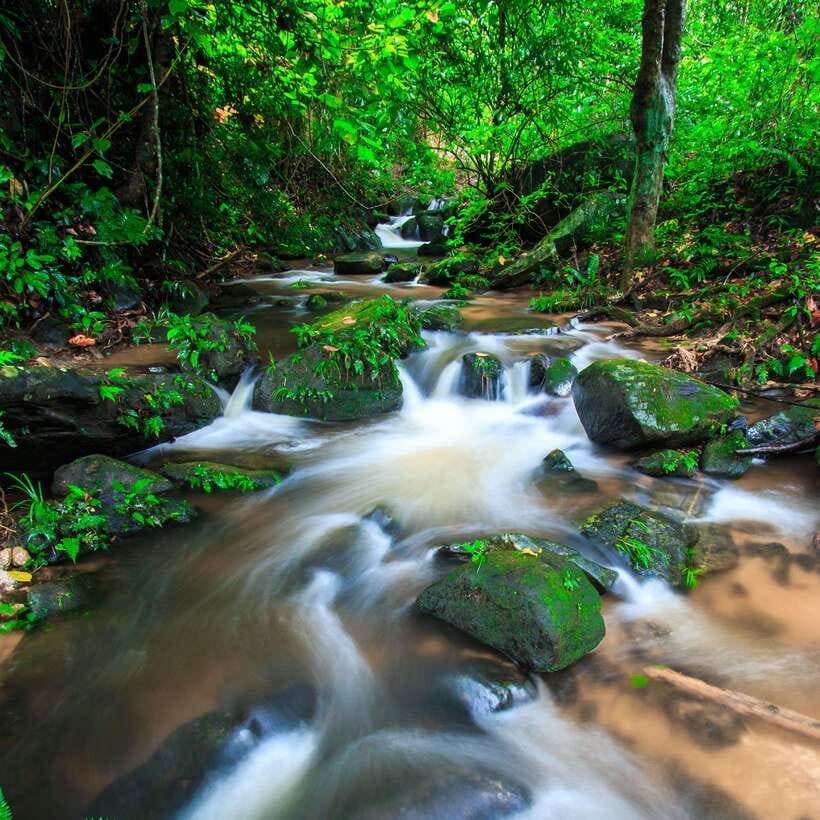
- Pha Dok Siew nature trail is a true trek: about 2 hours outdoors with a guided pace
- Mae Klang Luang brings village color: see a hill-tribe community and a local coffee roasting plant
- Lunch is included: you can plan the day without hunting for food in between stops
- Entrance fees are extra: budget for the national park and pagoda admissions
Doi Inthanon: why this day trip feels worth the drive
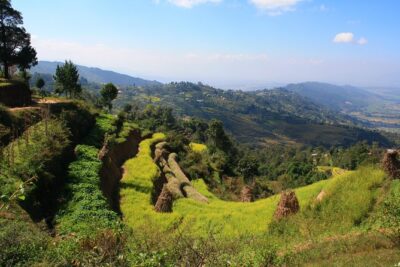
Chiang Mai can feel busy. Doi Inthanon is the reset button. You’re going up into the cooler highlands of Thailand, where the air changes, the views open, and the pace shifts from city errands to forest and waterfall time.
This tour is designed as a full circuit: you start with major landmarks, then move into nature trekking, then finish with a signature waterfall. That matters because it prevents the classic Thailand problem of doing one pretty thing and calling it a day. Here, you get a sequence: pagodas, trek, community, then a waterfall you can actually swim in.
Also, it’s small-group. With a maximum of 10 people, you spend less time waiting and more time experiencing. You still need to be ready for a long day, but you’re not stuck in a big bus crowd.
You can also read our reviews of more tours and experiences in Chiang Mai.


The morning van ride from Chiang Mai sets the tone
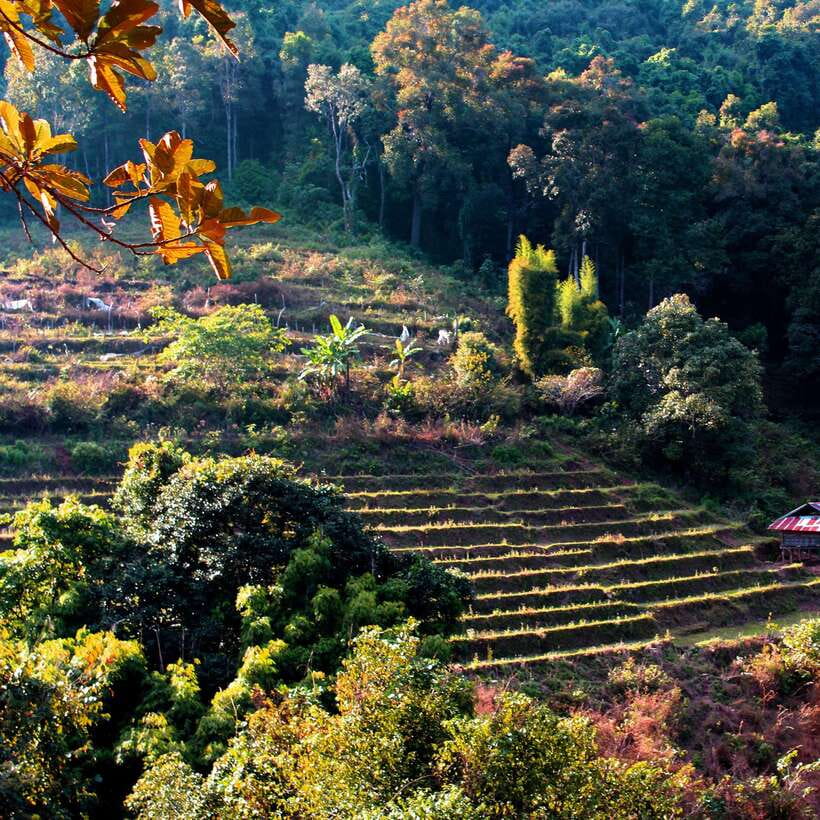
Your day begins with pickup in Chiang Mai, followed by about 1.5 hours by van. This matters more than people think. You don’t just transport yourself; you gradually shift your brain from city mode to mountain mode.
Once you arrive, you’ll have the first guided stop in Doi Inthanon National Park. The park is the whole reason this trip exists, so starting there helps you make sense of everything else you’ll see later. It’s not random sightseeing stitched together. It’s one area, organized in a logical flow.
Tip for the road: the day includes both outdoor trekking and waterfall time, so think about how you’ll carry what you need. Comfortable shoes are non-negotiable on this kind of route.
Entering Doi Inthanon National Park and starting with the big scenery
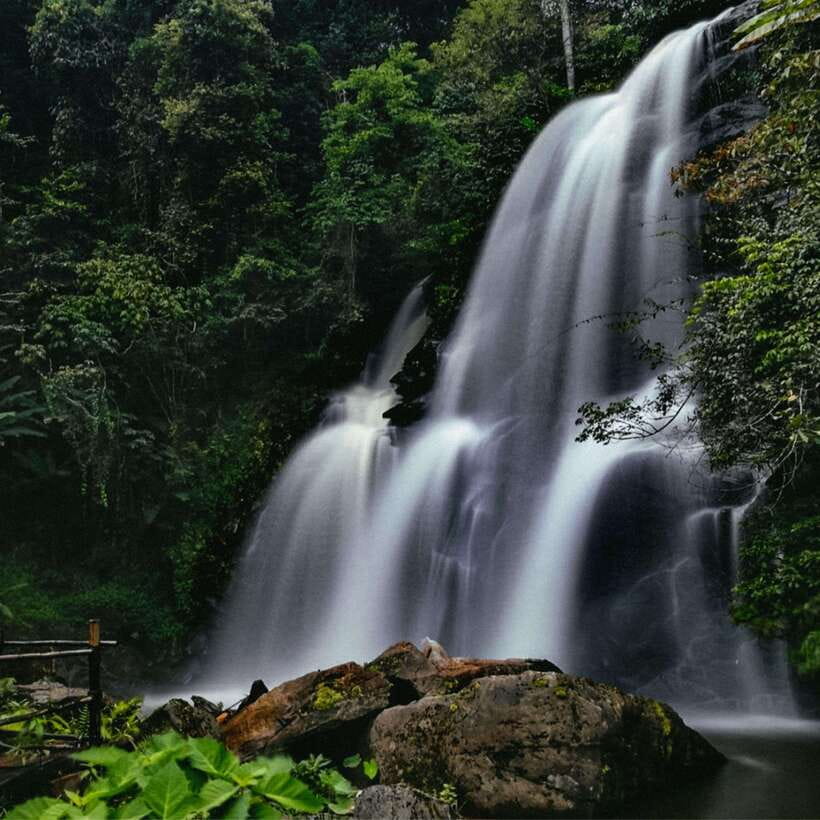
Inside the park, you’ll do a guided tour portion that sets up your orientation. You’re in the highlands, and it tends to feel cooler as you head upward. Even if Chiang Mai feels warm in the morning, you’ll want to plan for jacket weather once you reach the elevation.
This is also where you start getting into the national park rhythm: guided walking, looking around for viewpoints, and taking breaks when the schedule calls for them. You’re given clear expectations about respecting the protected environment, including rules like not touching plants and not littering.
This is one of the more “responsible tourism” parts of the day. It’s not about a lecture; it’s about small actions that help the forest stay intact and keep the experience pleasant for everyone.
King and Queen’s Pagodas: the viewpoint stop that makes the climb feel worth it

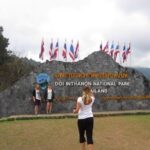
One of the strongest landmark moments is the visit to the Grand Pagoda Nabhapolbhumisiri (the King’s and Queen’s Pagoda area is part of this sequence). Even if temples aren’t usually your thing, this stop earns its place.
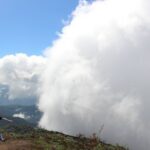
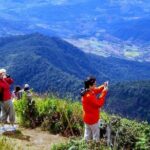
Why? The pagodas are placed for views and sightlines. You’re not just looking at buildings; you’re getting a high-up perspective of the hills and cloud layers that make Doi Inthanon feel special. The architecture also gives your eyes a break from forest-only scenery.
This stop is a great photo moment too, and you’ll likely appreciate it more if you’re the type who likes stopping briefly, taking in the space, and actually watching the landscape change as clouds drift.
Budget note: the pagoda entrance fee is extra. Plan for that up front so it doesn’t surprise you later in the day.
Pha Dok Siew nature trail: a 2-hour trek with calm, forest-focused payoff
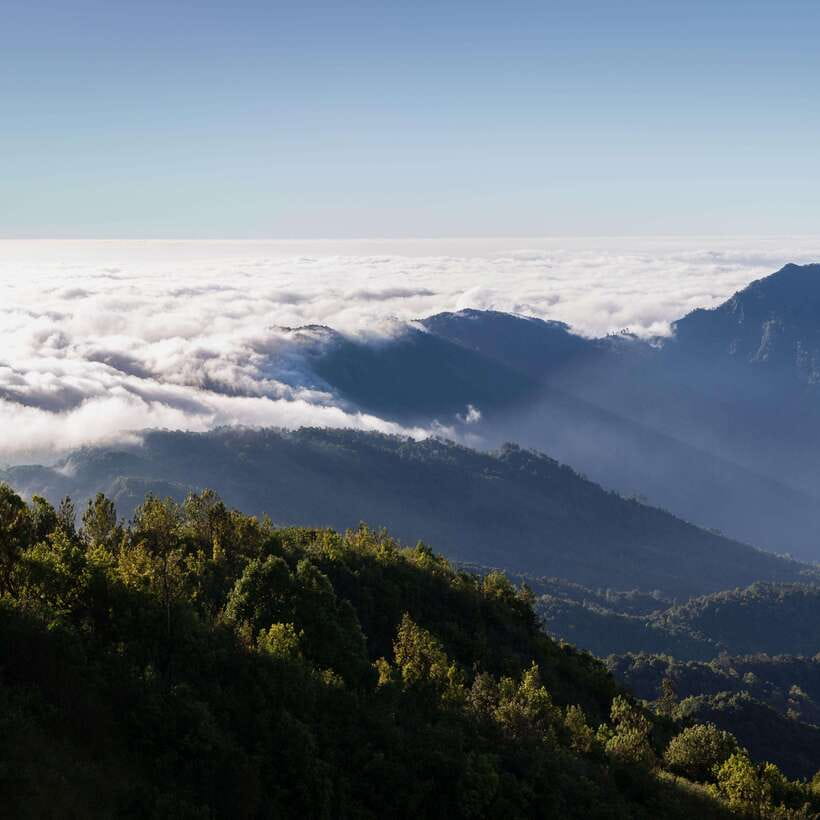
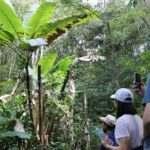
After the pagoda portion, you’ll head to the Pha Dok Sieo Nature Trail (often called Pha Dok Siew). The trek segment is about 2 hours, guided.
Here’s the honest way to think about it: this part is for people who enjoy forest walking. You’re not guaranteed a parade of major attractions every few minutes. Instead, you’re moving through lush park terrain and letting the environment do the work. If that’s your style, it’s a satisfying stretch that feels like you’re earning the rest of the day.
If you need a constant stream of explanations and big visual surprises, keep in mind that forest trekking can limit how much you’ll hear at any given moment. The terrain, the movement, and the outdoor acoustics can make guidance feel more like high-level direction than an in-depth lecture.
The workaround is simple: keep your ears open for the key points, ask questions when you get a moment, and focus on what you can control—good footing, steady pace, and staying hydrated.

Mae Klang Luang Village and the hill-tribe + market rhythm
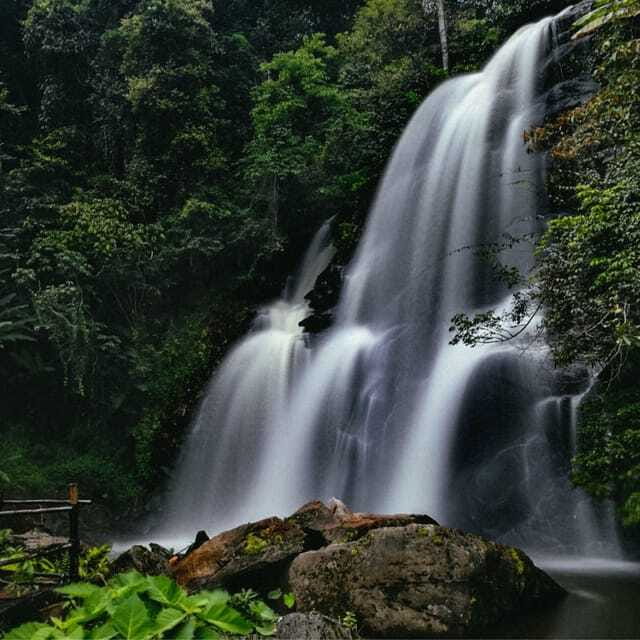
Next up, you’ll visit Mae Klang Luang Village and see the White Karen Hill tribe area. This is one of the more culturally varied parts of the day, because it mixes community life with guided interpretation and market energy.
You’ll also stop by the Hmong Market. These market moments tend to be short, but they’re useful. You see everyday trade and local crafts without turning it into a full shopping spree. I like these stops because they’re quick ways to understand what locals value, even if you’re not buying much.
One of the best practical adds here is the coffee roasting plant in the village. Instead of only watching scenery, you get a glimpse into a local product and how it’s processed. It makes the village stop feel less like a photo-op and more like a place with real work and local knowledge.
This is also a good time to slow down. The day is already physically active, so treat the village segment as your reset. You’ll still be walking around, but you’ll have more opportunities to stand, look, and browse.
Lunch + how the day stays manageable

Lunch is included, which I appreciate on a day like this. Once you’re in the park, hopping in and out for food whenever you feel hungry becomes unrealistic. Having the meal handled keeps the schedule tight and reduces stress.
Also, this tour is set up so you’re not just trekking and then immediately rushing out. You eat, you explore the community, then you end with the waterfall. That order matters because it helps you avoid the classic bad combo: arriving tired and hungry at the one place you really want to enjoy.
If you’re particular about food, bring your typical travel instincts. Ask any basic questions you might have before you sit down, especially if you’re sensitive to spice or specific ingredients.
Wachirathan Waterfall: the cooling finale that deserves your attention
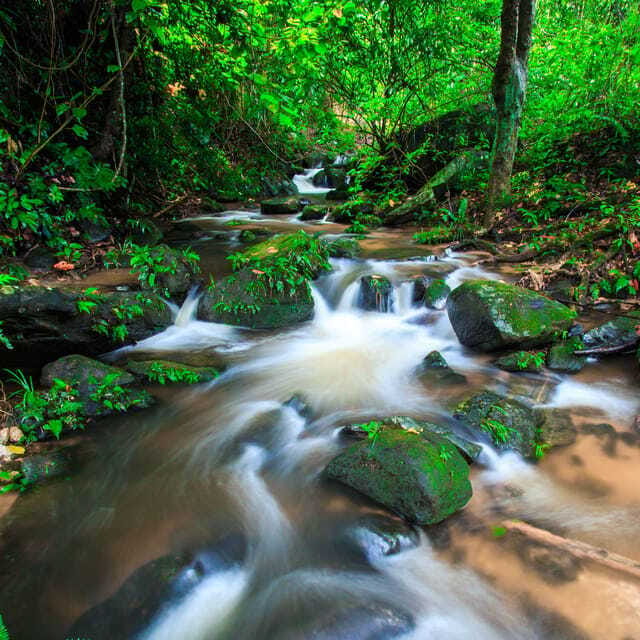
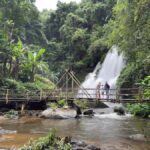
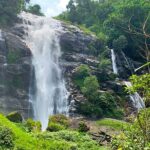
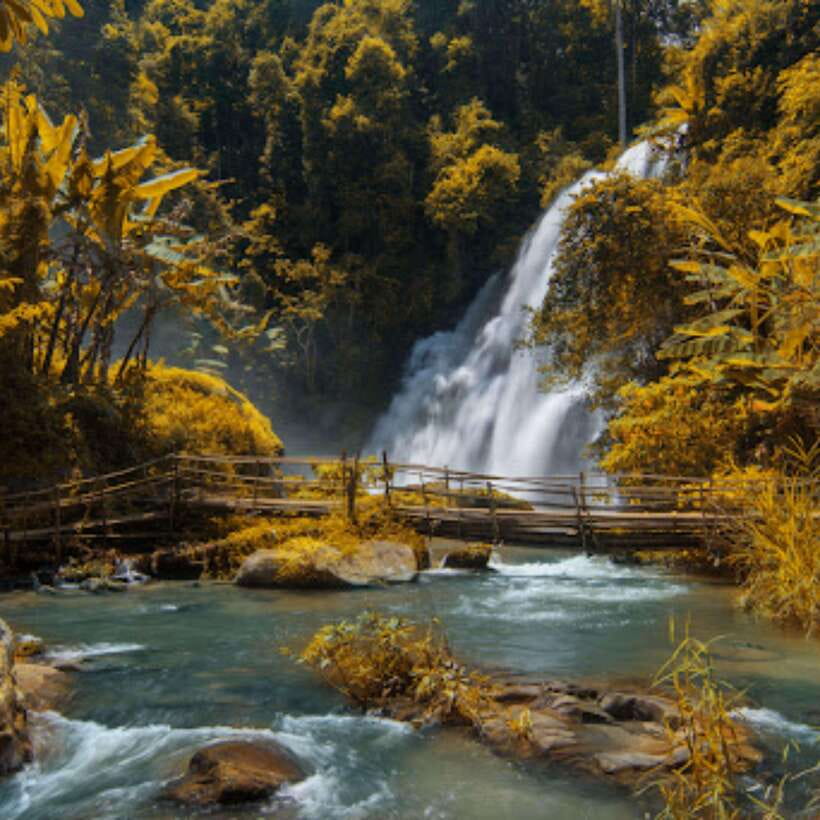
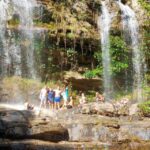
Then comes the main event: Wachirathan Waterfall. This is where the day typically clicks for most people.
You’ll get guided time at the waterfall, and the experience includes time for a refreshing swim. That’s a big deal in practical terms. You’re not just looking at water. You’re cooling down, relaxing, and letting the last stretch of travel feel like a reward rather than a chore.
This is also where the earlier walking makes sense. After the pagodas and the forest trek, the waterfall offers a clear visual payoff and a sensory one too: sound, mist, and that real change of pace.
Bring your swim mindset: wear shoes you can handle around wet ground, and don’t forget you’re in a natural area. The tour also has clear rules like no touching plants and no littering, so keep your habits tidy and respectful.
Price and value: what you pay vs. what you still need to budget
The listed price is $54 per person for a 10-hour day trip that includes transportation, insurance, a tour guide, and lunch.
For Thailand day tours, that’s a fairly solid structure, especially because transportation is doing a lot of heavy lifting here. The park is far enough that you need the van time anyway, and you’re getting a guided day rather than independent travel.
What’s not included matters:
- Doi Inthanon National Park entrance fee: 300 Baht
- Pagodas entrance fee: 100 Baht
So the true cost is your tour price plus those admissions. Even with that, the value can still be good because you’re getting multiple anchor stops: highland landmarks, a guided 2-hour nature trail, a village/market segment, lunch, and the waterfall swim.
When might it feel less like a bargain? If you’re not excited about trekking or you mainly want one highlight. In that case, you might compare this with shorter options that focus just on waterfalls or just on viewpoints. The day is packed, so you’ll get the best value if you genuinely enjoy nature walking and cultural stops.
Eco-friendly behavior you’ll be expected to follow
The tour is nature-based, so it’s practical that you’ll follow basic rules in a protected area. You’ll be asked not to smoke, not to litter, and not to touch plants.
That’s eco-friendly in the real world. It’s not about branding; it’s about leaving the forest as you found it, and keeping the trail respectful for wildlife and future visitors. If you’re the type who likes to travel in a way that doesn’t create extra cleanup later, this kind of guided park itinerary will feel natural.
Also, you’ll be walking and spending time outdoors, which is a quieter form of travel than constant car rides between unrelated attractions. You’re not just passing through; you’re actually in the landscape for meaningful chunks of time.
What to bring for cooler peaks, rain, and wet ground
The pack list is simple, and you should follow it. This isn’t a city walk.
Bring:
- Comfortable shoes (and think grip for damp areas)
- Warm clothing (the peak can be significantly cooler)
- Camera
- Sunscreen
- Water
- Rain gear
- Insect repellent
Wear a multitask outfit. You might start the day in warmer Chiang Mai weather and end it in cooler highland air, especially around waterfall time when humidity can rise.
Small practical tip: keep rain gear easy to access. When weather shifts in the mountains, you don’t want to be fumbling in a bag while the group is moving.
Who this tour suits best (and who should skip it)
This day trip is not suitable for:
- Pregnant women
- People with back problems
- People with low level of fitness
That’s because you’re doing a guided trek segment plus extended walking in a natural area. Even if the group stays small, the route still has real physical demands.
It’s a great fit for:
- Nature lovers who enjoy forest walking more than only shopping stops
- People who want a single-day highland sampler: pagodas, trek, village, and waterfall
- Travelers who like guided structure, since the route is scheduled and you’re not piecing everything together alone
- Folks who want a chance to swim at a waterfall rather than just look
If you’re sensitive to long days, remember it’s about 10 hours, with van time both ways. Plan your energy and don’t schedule another intense activity the same day.
Should you book this Doi Inthanon and Pha Dok Siew trekking day trip?
Book it if you want one organized day that covers the best-known Doi Inthanon experiences: King and Queen’s Pagodas, a guided 2-hour nature trail, a village stop with a market vibe and a coffee roasting plant, and a waterfall that includes time to swim.
Skip or look for an alternative if:
- You mainly want a waterfall and nothing else
- You don’t enjoy trekking through forest terrain
- You need something shorter or more low-impact due to fitness limits
My rule of thumb: this works best for travelers who like variety and can handle cooler mountain weather. If that sounds like you, it’s a strong use of a Chiang Mai day.
FAQ
What is the duration of the Doi Inthanon & Pha Dok Siew trekking day trip?
The trip lasts about 10 hours.
How large is the group?
The group is limited to 10 participants.
What’s included in the tour price?
Transportation, insurance, a tour guide, and lunch are included.
What entrance fees are not included?
You’ll need to pay 300 Baht for Doi Inthanon National Park and 100 Baht for the pagodas.
Is there a trek on this tour?
Yes. You’ll do a guided hike on the Pha Dok Sieo Nature Trail for about 2 hours.
Does the tour include time at a waterfall?
Yes. You’ll visit Wachirathan Waterfall, and the plan includes a refreshing swim.
What language is the guide?
The live tour guide is available in English.
What should I bring for this trip?
Bring comfortable shoes, warm clothing, a camera, sunscreen, water, rain gear, and insect repellent.
Is this tour suitable for people with low fitness or back problems?
No. It is not suitable for people with low fitness, back problems, or for pregnant women.