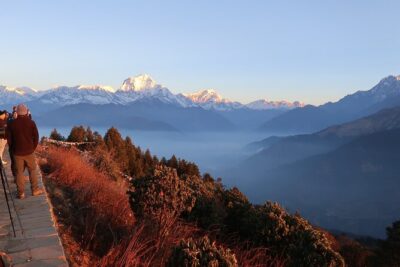
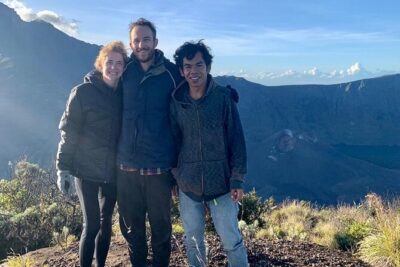
One big early morning. One big crater view. This 3D/2N Mount Rinjani trek through Sembalun and Senaru hits the highlights: grasslands, sunrise summit time, then Segara Anak and hot springs inside the caldera. I like the structure of the days, because you get big moments on a clear schedule—transfer, lunch stops, then a gradual shift from rim views to lake-level walking. I also like that the camp setup is handled for you, with tent, sleeping gear, and a toilet tent included, plus unlimited drinking water.
One consideration: day 2 is brutal by design. The light breakfast at 2:00 am and the 3:00 am summit push mean you’re hiking while most of Lombok is still dark, and if you’re not ready for that early grind, the whole trip can feel longer than it is.
Key points to know before you go
- Sunrise-at-the-summit timing: you start in the dark and aim to reach the top by morning light.
- Crater-rim camping in two different areas: Sembalun rim first, then Senaru side on the return.
- Segara Anak lake day + hot springs area: a major payoff day after the summit effort.
- Porters carry the camp work: they handle cooking gear and camping equipment, so you travel lighter.
- You still need strong fitness: this is a real 3-day climb, not a casual hike.
- Good organization is part of the value: guides like Anton and Rahmat, and porter teams such as Su and Soma, show up in successful treks.
In This Review
- The Rinjani Route: Why This 3D 2N Trek From Senaru to Sembalun Is So Popular
- Day 1: Senaru Village to Sembalun Crater Rim (Grasslands and First Big Views)
- Day 2: The 2:00 am Breakfast, 3:00 am Summit, and Then Segara Anak
- Day 3: Senaru Crater Rim Down to Senaru Village (Jungle Descent and a Real Finish)
- Camp Setup on the Crater Rim: What’s Included and What You Still Need to Bring
- Guides, Porters, and the Small-Group Feel That Changes Everything
- Price and Logistics: Is $250 Good Value for a 3-Day Rinjani Trek?
- Weather and Timing: The Real Constraint on Mount Rinjani
- Who Should Book This Rinjani 3D 2N Trek (and Who Should Rethink It)
- Should You Book Jou Trekking’s Mount Rinjani 3D 2N Trek?
- FAQ
- What time and where does the trek start?
- How long is the Mount Rinjani 3D 2N trekking program?
- What’s included in the package besides the guide?
- Do I need to pay an entrance fee?
- Is transportation included in the price?
- Is this trek private?
- What fitness level do I need?
The Rinjani Route: Why This 3D 2N Trek From Senaru to Sembalun Is So Popular
Mount Rinjani is one of Indonesia’s classic volcano-to-lake journeys, and this specific 3-day, 2-night route is a strong “greatest hits” option. You start in the Senaru area (around 601 m), work your way up through Sembalun’s open grasslands, then spend the night near the crater rim before the early summit push.
What makes this route stand out is the rhythm of changing altitude and scenery. Day 1 is about getting your legs used to the climb while you’re still moving through wide, open views. Day 2 flips the script: sunrise at the summit, then a descent toward Segara Anak lake, including time at the lake and hot springs area. Day 3 becomes a final long descent back into the jungle toward Senaru village.
If you like your big hikes to feel “planned” rather than chaotic, this itinerary does that. Transfers are timed, lunch stops have set points, and the camps are at logical elevations for a multi-day trek.
Day 1: Senaru Village to Sembalun Crater Rim (Grasslands and First Big Views)
The day starts with a 45-minute drive from Senaru to Sembalun, then you begin walking at 8:00 am. This is a good setup because you’re not spending your first hours stuck in transit fatigue, and your climb starts when your energy is still fresh.
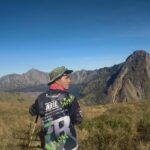
You’ll spend the first part of the day gaining steadily through the undulating open grasslands that Sembalun is known for. The lunch stop lands at Pos 3 around 1,800 m (around 1:00 pm). That lunch break matters more than you might think, because it’s the point where you reset your pace before the final push to camp.
From there, you continue for about three hours up to Plawangan Sembalun at 2,639 m. The schedule puts camp arrival around 5:00 pm, giving you time to settle in before evening.
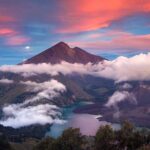
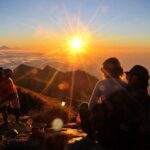
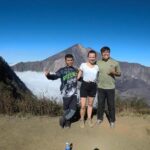
The view payoff on day 1 is the crater rim moment. You get sunset and you’ll also watch the sunrise building toward day 2. If you’re the type who gets cold fast, plan your evening layers early—camp nights at this altitude can be sharp even when daytime is manageable.
You can also read our reviews of more tours and experiences in Lombok.
Day 2: The 2:00 am Breakfast, 3:00 am Summit, and Then Segara Anak
Day 2 is where the trek earns its reputation. You get a light breakfast at 2:00 am, and the summit hike starts at 3:00 am. This means you’ll be hiking in the dark, with your headlamp doing most of the navigation work. Slow and steady is the only strategy that works here.
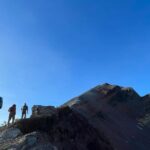
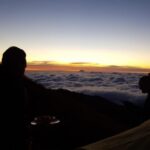
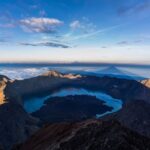
Around 6:00 am you reach the summit and get the payoff: spectacular views. After that, you hike back to the campsite by about 7:00 am for breakfast. That turnaround is important. It’s a reminder that the summit is the moment, but the physical work isn’t over until you’re back on safer ground.
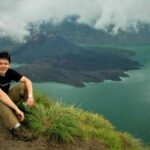
Next comes the Segara Anak lake day. You start walking toward the lake around 9:00 am (down to about 2,000 m). Lunch by the lake is around 1:00 pm, and this is the time to let your body recover through movement and scenery rather than pushing harder.
The trip description also calls out hot springs. So in practice, you’re aiming for that classic Rinjani combination: a volcanic caldera lake setting, plus time in the hot springs area if conditions and timing allow.
Then you climb back up to the Senaru crater rim. The schedule puts the Senaru crater rim walk at about 2.5 hours, arriving around 5:00 pm. Camp on the Senaru side is a strong finish because you get sunset views over Mount Agung in Bali in the distance, with the lake and crater framing the perspective.
One thing to understand: day 2 isn’t just hard because of the summit. It’s hard because it’s long, it’s cold early, and it asks you to switch from steep climb to long descent, then back uphill again.
Day 3: Senaru Crater Rim Down to Senaru Village (Jungle Descent and a Real Finish)
You start day 3 at 8:00 am after breakfast, descending toward Senaru village. The walking time is about 6 hours, and there’s a lunch break around 1:00 pm.
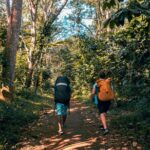
This final day can feel deceptively calm compared to day 2. You’re done with the summit pressure, but the descent still works your legs. Expect jungle walking rhythms—less open sky, more uneven footing, and plenty of time where you’re simply managing your stride.
You reach Senaru around 3:00 pm. Then you prepare your luggage and the trekking program ends. That end-of-trip timing is helpful because you’re not suddenly dealing with a late-afternoon rush; you get a clean landing back at the meeting area.
Camp Setup on the Crater Rim: What’s Included and What You Still Need to Bring
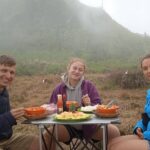
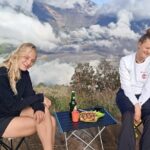
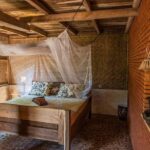
A big part of the value here is that camp life is set up for you. Included gear covers the essentials: tent, toilet tent (and paper), sleeping bag, sleeping mattress, pillow, and even camping table and chairs. It’s not luxury, but it removes a lot of hassle so you can focus on the hike.
You also get unlimited drinking water on the trek. That matters because high-altitude trekking turns hydration into a constant job. It’s also one less thing you need to carry on your back for hours.
Luggage storage is available at the Jou Trekking office. That means you can travel with the essentials during the trek without worrying about hauling extra items. It’s one of those practical details that makes day-to-day life easier when you return to base.
What’s not included is your personal gear. So I’d plan for the basics you can’t compromise on: sturdy footwear, layers for cold early starts, and a headlamp for the 3:00 am summit window. If you tend to get blisters, you’ll want a plan before the hike begins, not after day 1.
Guides, Porters, and the Small-Group Feel That Changes Everything
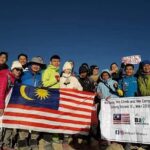
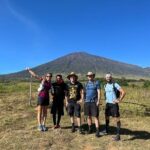
This is a private tour/activity, so only your group participates. That can help your experience, because you’re not blending into a huge moving crowd where everyone’s pace and needs are different.
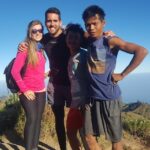
One of the most praised elements from the trek is organization and the way the guide and porters handle the hard work. Guides such as Anton and Rahmat appear in successful trek stories, and porter teams including Su and Soma show up with a theme: strong support makes the climb feel more manageable.
Porters carry cooking gear and camping equipment. That means your job is the climbing and staying steady, not setting up camp like a weekend camping crew. When porters are working well, you spend less time sweating gear logistics and more time watching sunrise light hit the crater.
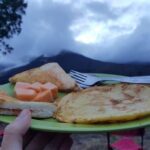
Food also comes up in positive notes, with plenty of it and good quality. I’d still treat meals as part of training: eat what’s offered, keep sipping water, and don’t save your biggest appetite for a single late meal.
There’s also a caution. One experience highlighted that while the climb itself was amazing, the guide interaction felt limited. That’s a reminder to be proactive: ask your guide about pacing and footing, and if you have needs, say them early so expectations don’t drift.
Price and Logistics: Is $250 Good Value for a 3-Day Rinjani Trek?
At $250 per person, this Mount Rinjani 3D 2N trekking package can be good value if you compare what’s included versus what people often have to scramble for on treks like this. You’re paying for a guide team, porter support for camp and cooking gear, camp bedding setup (sleeping bag, mattress, pillow), tent and toileting setup, and unlimited water.
Then there’s an important additional cost: the entrance fee/tickets of 750,000 IDR per person. That’s separate, so you’ll want to budget for it ahead of time so you don’t arrive expecting everything to be fully covered.
Transportation before and after the trek is not included either. The schedule references a 45-minute drive to Sembalun on day 1, but pickup/transfer timing around the trek isn’t part of the package price. In plain terms: you’ll need to plan how you get from your lodging area to the Jou Trekking meeting point before 7:00 am, and how you return afterward.
The upside is that you start at a defined place: the Jou Trekking office in Senaru, and the trek starts at 7:00 am. If you like clear starting points, that helps.
Mobile ticketing is also used, which is often smoother than chasing printed documents, especially if you’re juggling multiple parts of a Lombok trip.
Weather and Timing: The Real Constraint on Mount Rinjani
This trek requires good weather. That’s not a small detail—on volcano routes, clouds and visibility can make a sunrise summit attempt miserable or unsafe.
If the experience is canceled due to poor weather, you’d be offered a different date or a full refund. So the practical move is to choose dates with a little flexibility in your Lombok schedule, and avoid stacking plans that depend on you being back at a fixed time the moment the trek ends.
Timing-wise, remember how the days are built around early hours. Day 2 starts with 2:00 am breakfast and 3:00 am summit hiking. You should plan your sleep on day 1 with that in mind. Once the calendar hits those early hours, there’s no negotiating with the mountain.
Who Should Book This Rinjani 3D 2N Trek (and Who Should Rethink It)
This trek is for you if you have strong physical fitness and you’re okay with a tough day 2. The itinerary includes a summit sunrise start in the dark, a longer lake-and-descent day, and a final jungle drop back down to Senaru.
It’s also a good fit if you want structure. Lunch points and camp elevations are planned, and you get a private group setup so you’re not constantly adjusting to strangers’ pace.
It may not be the best match if you’re easily intimidated by early wake-ups or you struggle with sustained climbs and descents. Even with guides and porters helping with camp work, you still do the hard hiking.
Should You Book Jou Trekking’s Mount Rinjani 3D 2N Trek?
Book it if you want the full Rinjani story in three days: rim grasslands, summit sunrise, Segara Anak lake, and crater-rim camping with big views toward Bali’s Mount Agung. The included camp setup, unlimited water, and organized guide/porter team can make a tough trek feel doable instead of chaotic.
Don’t book it if you want a relaxed hike or if you’re not comfortable with an early 2:00 am wake-up on day 2. Add to that the fact that weather matters, and it helps to keep your wider Lombok schedule flexible.
If you do book: pack for cold starts, bring solid footwear, and be vocal about your pace early. A good guide can make a hard climb feel smoother, and a clear communication style helps prevent that one downside some people reported.
FAQ
What time and where does the trek start?
The trek starts at 7:00 am at the Jou Trekking office on Jl. Pariwisata, Senaru, Lombok Utara.
How long is the Mount Rinjani 3D 2N trekking program?
It’s listed as 3 days (about 3 days) with 2 nights camping on the crater rim.
What’s included in the package besides the guide?
You get trekking guides and porters, unlimited drinking water, and camping gear like a tent, toilet tent and paper, sleeping bags, mattress, pillow, plus camping table and chairs. Luggage storage is available at the Jou Trekking office.
Do I need to pay an entrance fee?
Yes. There is an entrance fee/ticket of 750,000 IDR per person.
Is transportation included in the price?
Transportation for pick up before and transfers after the trek is not included. The trek includes a 45-minute drive to Sembalun at the start of day 1, but you should still plan your own arrival and departure timing around the meeting point.
Is this trek private?
Yes. It’s a private tour/activity, so only your group will participate.
What fitness level do I need?
You should have strong physical fitness, because the itinerary includes an early summit hike and long walking days.