REVIEW · LOMBOK
3D 2N Mount Rinjani Trekking Tour To Summit And Lake
Book on Viator →Operated by Bas Rinjani · Bookable on Viator
Rinjani hits early, and it’s worth it. This 3D2N Mount Rinjani tour is built around the summit at 3,726 m and the early timing that lines up with big sunrise views over Lombok, Bali, Sumbawa, and Segara Anak. What makes it interesting is that you’re not just hiking for the photo, you’re also moving through multiple trekking zones with a team that keeps things organized.
I particularly like two things here. First: you get a clear schedule, including the 02:30 wake-up and a 03:00 departure for the summit push. Second: the package takes care of the heavy logistics—meals (breakfast, lunch, dinner), entrance fees, and trekking insurance—so you can focus on walking.
The main drawback to consider is simple: this is a serious physical day-by-day commitment, not a stroll. The plan is marked for travelers with moderate fitness, and the timing (especially the predawn start) can be tough if you’re not used to early mornings and sustained uphill effort.
In This Review
- Key points worth weighing before you go
- Rinjani in Three Days: What the Sembalun-to-Senaru Plan Adds Up To
- Meeting Bas Rinjani: Team Support and the Human Side of the Trek
- Day 1 from Sembalun: Registration at RIC and the POS 1 / POS 2 Warm-Up
- Day 2’s Summit Push: The 02:30 Wake-Up and the 3,726 m Climb
- Day 3 Descent and Senaru Arrival: Sunrise, Lunch Timing, and Finishing Strong
- Price and Value: What $235 Really Buys on This Trek
- What to Pack (Based on What’s Missing in the Package)
- Pace, Fitness, and Real Expectations for a Moderate-Fit Trekker
- A Note on Extra Charges: How to Avoid a Bad Field Experience
- Should You Book This 3D2N Rinjani Summit and Lake Trek?
- FAQ
- How long is the Mount Rinjani trek on this package?
- Where do you start, and where do you end?
- What is the summit height?
- What time do you start the summit climb on Day 2?
- Are meals included?
- Is trekking insurance included?
- What trekking gear is not included?
- Is this tour private?
- What happens if I cancel, or if weather is poor?
Key points worth weighing before you go
- Summit timing that targets sunrise views: a structured early start for the climb to 3,726 m.
- A guided, team-run experience: guides with communicative skills and porters who handle cooking and keep morale moving.
- Park-zone routing that can match your preferences: Sembalun, Senaru, or Torean options are described as available and authorized for the routes.
- Meals and fees are baked into the price: entrance ticket plus breakfast/lunch/dinner across the 3 days, with insurance included.
- Your gear is partly on you: trekking shoes, gloves, and trekking poles aren’t included, so budget and pack smart.
Rinjani in Three Days: What the Sembalun-to-Senaru Plan Adds Up To
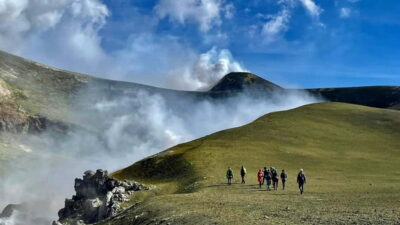
This trek is designed as a classic Rinjani circuit: you move from the higher-start feel of Sembalun into the mountain zone, then back out toward Senaru after the summit day. The big hook is the summit segment: on Day 2 you’re waking before the sky fully brightens, climbing to 3,726 m, then using that elevation for a sweep of views across the region.
What I like about this style of plan is that it’s not “push one big day and hope for the best.” Day 1 gives you a proper warm-up hike with altitude gains, Day 2 is the hard summit day, and Day 3 is a controlled descent back down to Senaru. That pacing matters because Rinjani isn’t just about willpower—it’s about managing fatigue across multiple days.
One more practical detail: you’re dealing with significant early-morning timing, so the tour only makes sense if you can handle a 02:30 wake-up without turning into a grumpy bear. If that sounds like you, plan ahead.
You can also read our reviews of more tours and experiences in Lombok.
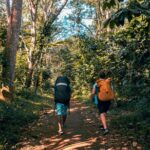
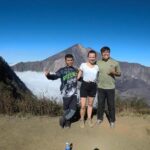
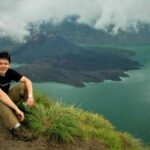
Meeting Bas Rinjani: Team Support and the Human Side of the Trek
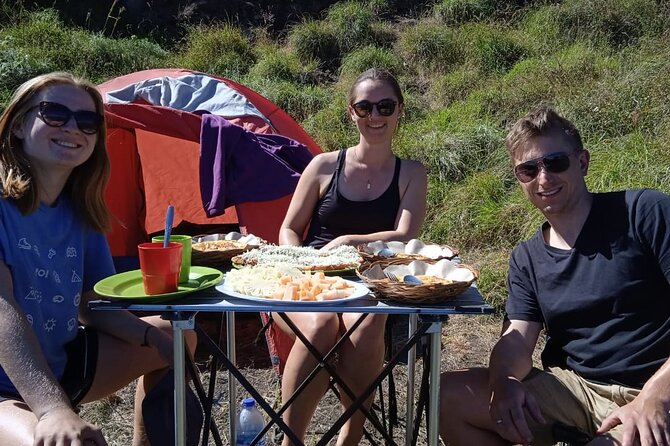
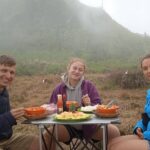
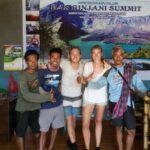
This tour is operated by Bas Rinjani. The way they describe their service is very “field-ready”: guides who can communicate well and keep the atmosphere alive, plus porters who are good at cooking all the food and serving dessert as part of the meal rhythm.
In real trek terms, that’s more important than it sounds. When you’re walking for hours and the air is getting colder, consistent food and clear guidance can be the difference between feeling like an adventure and feeling like a slog. And having a team that manages the day-to-day flow helps you spend less mental energy on “what happens next?”
There’s also a Senaru office welcome described with warm coffee and banana fritters, which is exactly the kind of small comfort that makes logistics feel less stressful when you arrive.
A name that comes up in guide feedback is Suedy, described as experienced, helpful, and sometimes entertaining. If your group gets Suedy, you can expect someone who understands the rhythm of the hike and knows how to keep energy from collapsing during long stretches.
Day 1 from Sembalun: Registration at RIC and the POS 1 / POS 2 Warm-Up
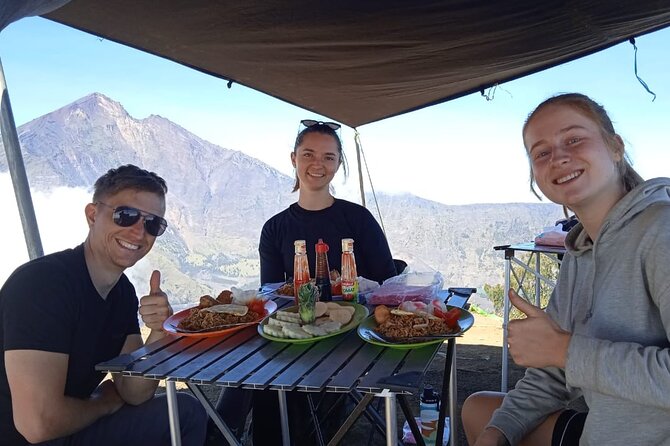
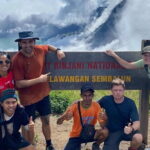
Day 1 starts with pickup at 07:30 AM, followed by a transfer to Sembalun Village (about 45–60 minutes). You’re arriving at registration at the Rinjani Information Center (RIC) at 1,051 m. That’s a useful start-point because it anchors the trek in the authorized process and gives you a baseline before you start climbing.
Then it’s straight into walking. You head to POS 1 (1,300 m) with about 2 hours of walking, including a 10-minute rest at POS 1. After that, you continue toward POS 2 for about 1 hour. Even without the rest of the Day 1 details spelled out, this first day is clearly about getting your legs moving and acclimating to altitude changes gradually.
Why this matters: Rinjani punishes rushed starts. By the time you’re reaching the observation points early in the itinerary, you’re training your body to keep a steady pace. This also sets you up for the real work on Day 2, when the night start doesn’t leave much time for hesitation.
What to keep in mind on Day 1 is that you’ll be moving on a schedule. If you’re prone to overpacing early, this is where you can accidentally spend your energy too fast.
Day 2’s Summit Push: The 02:30 Wake-Up and the 3,726 m Climb
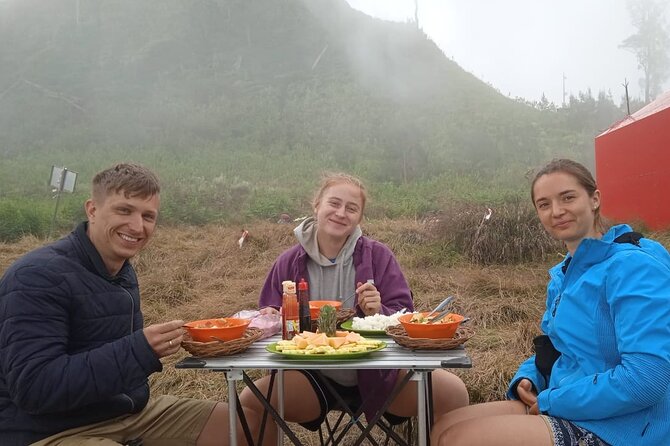
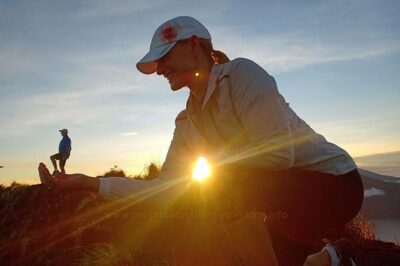
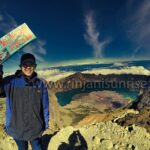
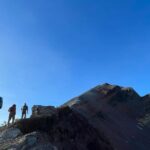
Day 2 is the big one. You wake at 02:30 AM, take some light breakfast, and then start walking around 03:00 AM. The summit itself is listed as 3,726 m, with walking time of about 3 hours 20 minutes for the ascent segment described in the plan.
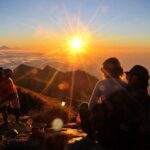
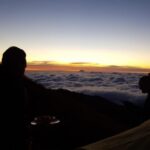
From the summit, you can see across Lombok, Bali, Sumbawa, and Segara Anak. That’s the payoff everyone wants: wide visibility that makes the hard start feel justified.
One practical note: the tour description frames Day 2 as around 7 hours for the outing. Even if you don’t track every minute, plan for a long day where your body might feel fine at the beginning and then start complaining halfway through. This is where steady pacing beats sprinting.
What you should do mentally at 03:00: treat the climb like a series of controlled efforts. You don’t need to be fast to be successful—you need to be consistent. And since you’ll be climbing in low light, your comfort items matter. Keep your focus on footing, and avoid burning energy on unnecessary stops.
Day 3 Descent and Senaru Arrival: Sunrise, Lunch Timing, and Finishing Strong
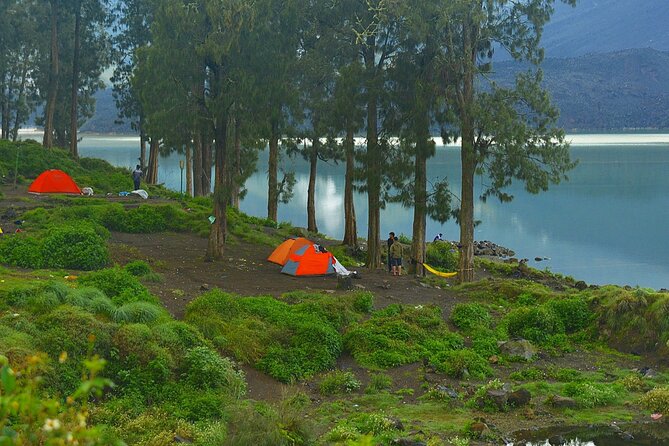
After the sunrise timing (the plan mentions enjoying the sunrise before heading down), Day 3 becomes about descending and resetting. You walk down to Senaru Village, and lunch is prepared on the way between POS 2 or POS extra.
That lunch detail is more useful than it looks. Descents can feel “easier” mentally, but they can be harsher on your knees and ankles. Having food timed during the route helps you keep strength up without waiting until the end to refuel.
You’re expected to arrive at the Senaru Rinjani Trekking Centre around 13:00 PM, then get ready for another transfer out (the final transfer details are cut off in the provided schedule, but the plan clearly includes a post-trek movement).
If you want a smooth Day 3, this is where you manage your speed. Going too fast downhill is how people end up limping at the finish line.
Price and Value: What $235 Really Buys on This Trek
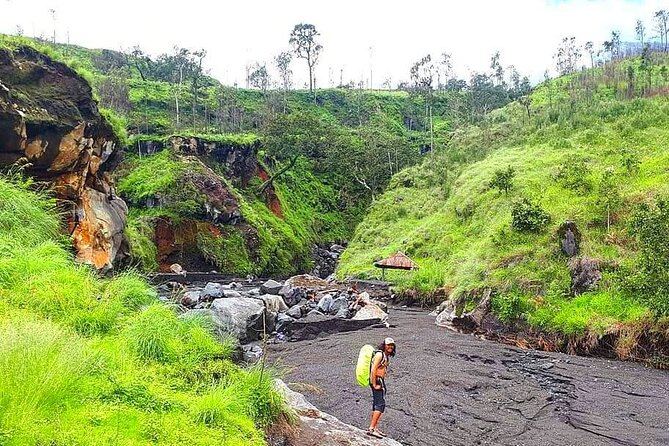
The price is listed at $235 for approximately 3 days / 2 nights. On paper, that number can look either “cheap” or “pricey” depending on what’s included—so here’s what’s actually covered in this package:
Included:
- Entrance fee ticket
- Trekking insurance
- Breakfast (3), Lunch (3), Dinner (3)
- Pickup offering (and transfers are described on Day 1)
Not included:
- Trekking shoes, gloves, trekking pole
So the value comes from the structure: you’re paying for organized logistics and the non-negotiables (fees and insurance) plus daily meals. That’s a big deal on Rinjani, because food and planning are part of the overall experience, not an add-on.
The gear line is the one area where you should double-check your checklist. Shoes matter most. If you rely on worn-out footwear, you’ll feel it during the summit day and again on the descent.
What to Pack (Based on What’s Missing in the Package)
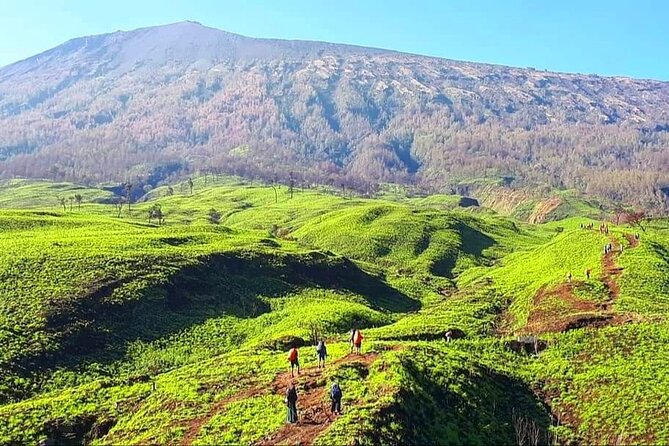
This tour does not include:
- Trekking shoes
- Gloves
- Trekking pole
Given the early departure time on Day 2, you should also expect cold conditions at elevation and low-light conditions during the start. Plan your clothing so you can handle temperature swings—warm layers and a way to protect your hands if gloves aren’t in your pack.
The simplest packing mistake people make is treating shoes like a fashion choice. On Rinjani, traction and comfort are the real priorities. If you already own solid trekking shoes, great. If not, treat this as “buy once, cry once.”
Also, bring a backup plan for staying comfortable on long days: hydration, snacks if you personally need them, and a small first-aid kit. The tour includes meals, but your personal needs still count.
Pace, Fitness, and Real Expectations for a Moderate-Fit Trekker
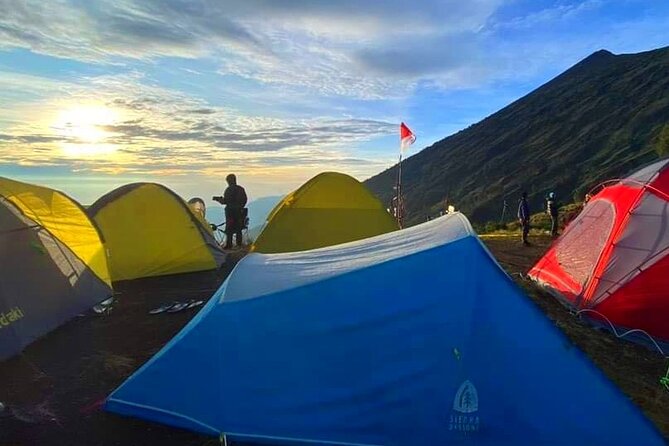
This experience is described as suitable for travelers with moderate physical fitness. That’s encouraging, but it doesn’t mean “easy.” The summit day starts at 02:30 AM, and you’re walking for hours, reaching 3,726 m.
A review tip that’s worth taking seriously is to ask yourself whether you exercise regularly, whether your mind can handle discomfort, and whether your knees and ankles are in good shape. Those aren’t just motivational words. They’re exactly the body parts that suffer when you’re doing long uphill effort followed by downhill stress.
If you’re worried about your joints, consider doing some pre-trek conditioning. Even short trail walks and knee-friendly strength work ahead of time can help. On the mountain, pacing is your best tool.
A Note on Extra Charges: How to Avoid a Bad Field Experience
One complaint in the feedback mentions unexpected payment behavior on the field trip—specifically a charge being much higher than what porters or guides charge, according to that account. The company’s response says the reviewer was sent by another agency.
Here’s what I take from that, in practical terms: protect yourself by confirming what costs are officially part of the trip and what costs are optional. Don’t accept last-minute demands from anyone outside the agreed plan. If something feels off, ask the guide (or the official team contact) to explain it clearly and keep your communication within the tour structure.
Even when everything is fine most of the time, this is the kind of issue that can ruin a summit day fast.
Should You Book This 3D2N Rinjani Summit and Lake Trek?
I think this tour is a strong fit if you want:
- A structured summit plan with a very early start
- A package that covers entrance fees, insurance, and all meals
- A team-focused experience run by Bas Rinjani, with guide support and porter cooking
- A trek that brings you from Sembalun to Senaru in a logical 3-day rhythm
I’d hesitate if:
- You’re not comfortable with a 02:30 wake-up and a very long summit day
- You don’t have trekking shoes (since the tour doesn’t include them)
- You’re the type who needs totally predictable downhill comfort for knees and ankles
My decision rule: if you can handle early starts and sustained walking, this is good value for the amount of logistics they manage. If you can’t, pick a less summit-focused trek or train a little first.
FAQ
How long is the Mount Rinjani trek on this package?
It’s listed as about 3 days (3D2N).
Where do you start, and where do you end?
You start in Sembalun Village (with pickup and transfer), and you finish by arriving in Senaru Village / Senaru Rinjani Trekking Centre around 13:00 on Day 3.
What is the summit height?
The summit target is 3,726 m.
What time do you start the summit climb on Day 2?
You wake at 02:30 AM, have light breakfast, and head out at about 03:00 AM.
Are meals included?
Yes. The package includes breakfast (3), lunch (3), and dinner (3).
Is trekking insurance included?
Yes, trekking insurance is included.
What trekking gear is not included?
Trekking shoes, gloves, and trekking poles are not included.
Is this tour private?
Yes. It’s listed as a private tour/activity, meaning only your group participates.
What happens if I cancel, or if weather is poor?
You can cancel for a full refund up to 24 hours before the experience’s start time. If the trek is canceled due to poor weather, you’ll be offered a different date or a full refund.