REVIEW · LOMBOK
Trekking Rinjani Mountain Summit 2 Days 1 Night – Em Adventure
Book on Viator →Operated by Em Adventure · Bookable on Viator
A volcano summit in two days is no joke. This Mount Rinjani trek mixes easy meadows, a crater-rim camp with sunset views, and a serious pre-dawn push to the top at 3,726m. It’s also one of the few Lombok hikes where the timing is half the story, with sunrise built into the schedule.
I especially love how the plan is paced: gentle walking up from Sembalun on Day 1, then a camp on the crater rim so you’re not just rushing through. And I like that the small group setup (max 8, often keeping it to about 6) plus licensed guidance means the hike feels organized without feeling rushed.
One possible drawback: this is not an easy hike. You’ll wake around 2:00 am, climb at 3:00 am, and finish with looser volcanic scree near the summit. If you’re not used to steep, rocky sections—or if you get stuck by motion sickness or fatigue—you’ll feel it.
In This Review
- Key things to know before you go
- Price and logistics: what $225 really buys you
- Getting to Sembalun: the day-before advantage
- Day 1 from Sembalun to the crater rim camp
- Day 2: sunrise summit climb at 3:00 am
- Guide, porters, and camping setup that actually helps
- Food, water, and what to bring beyond the essentials
- Weather and trail reality on Rinjani
- Is $225 worth it for this summit trek?
- Who should book, and who should skip
- Should you book with Em Adventure for Rinjani Summit?
- FAQ
- What is the price for the Trekking Rinjani Mountain Summit 2 Days 1 Night?
- How long is the trek?
- What time does the experience start at the meeting point?
- Where does pickup happen?
- What’s included in the trek package?
- Is there a hotel stay before the hiking starts?
- Do I need to be in good physical condition?
- What’s the maximum group size?
Key things to know before you go
- Crater-rim camping gives you sunset and a sunrise checkpoint without cutting the Day 2 climb too short
- Very early start (wake ~2:00 am, head out 3:00 am) sets the whole rhythm for the trek
- Clear elevation flow from Sembalun posts (1,300m/1,500m/1,800m) up to the rim at 2,639m and summit at 3,726m
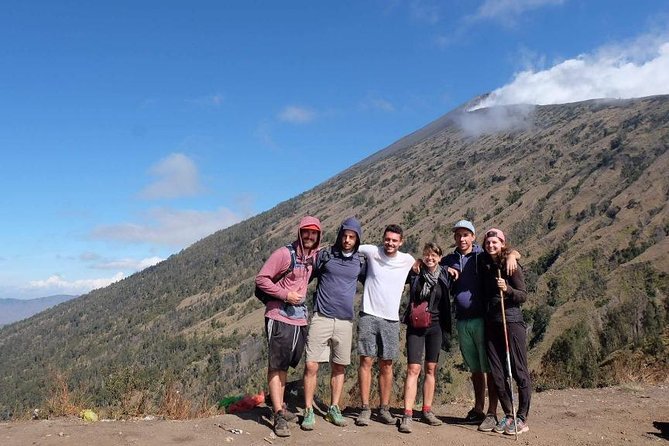
- Small group size (up to 8 travelers) plus guide and porters for a smoother experience
- Gear and food are handled with camping equipment and meals included on the mountain
- Bring less clothing for the peak and pack basic backup supplies like medicine and snacks
Price and logistics: what $225 really buys you
At $225 per person for a 2 days / 1 night summit trek, you’re paying for more than walking in big scenery. You’re paying for an organized system: licensed guide plus local porters, camping setup, park access fees, transport, and most of your food and water on the trail.
A key detail that changes the value picture is the National Park entrance fee being included (listed as 150,000 IDR/day/person). That’s the kind of cost that can surprise you on your own. Here, it’s folded into the package, which makes planning simpler.
Also, the trek includes an air-conditioned vehicle transfer and pickup from a long list of locations (airport, Kuta, Mataram, Senggigi, Bangsal, Labuhan Lombok, Tetebatu, Senaru). If you’re not staying right in Sembalun, that pickup matters. It cuts down on the “how do we get there” stress that can eat your energy before you even start hiking.
What’s not included is normal trail reality: personal expenses and tipping for guide and porter. If you’ve never budgeted for this style of trekking, plan ahead so the end of the trip doesn’t feel awkward.
You can also read our reviews of more tours and experiences in Lombok.
Getting to Sembalun: the day-before advantage
Your first move happens one day before the trek starts. The organizer comes to pick you up and transfers you to a hotel in Sembalun, which is smart. High-altitude treks punish tired bodies, and showing up already sleep-deprived is a bad trade.
In the morning, you register at the Rinjani information center before the trail begins. That registration step sounds administrative, but it’s actually part of what makes the day feel orderly. You’re not just wandering into a protected area; you’re entering through the system.
The schedule starts early at the meeting point. The activity start time is listed as 7:00 am, and then the trek itself begins after breakfast and setup. In other words, you should treat the whole morning as trek prep time, not late-start breakfast time.
If you’re coming from anywhere around Lombok’s main tourist areas, this is the kind of trek that works best when logistics are handled. You want your brain focused on walking—not on figuring out transport, timing, and where to show up.
Day 1 from Sembalun to the crater rim camp
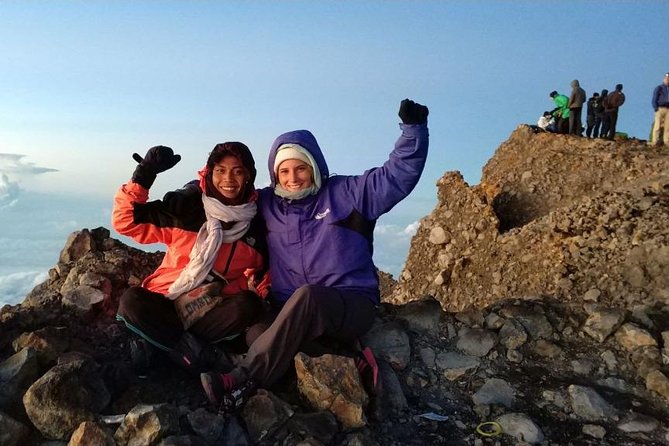
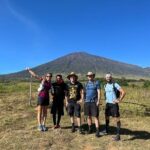
Day 1 starts in Sembalun at 8:00 am. Right away, the hike goes from the village into open meadow walking. That first stretch matters because it helps you find your rhythm. You’re easing in, not springing from sea-level straight into lava-rock chaos.
The route hits a sequence of posts:
- Post 1 (1,300m) after about 2 hours
- Pos 2 (1,500m) another 40 minutes
- Pos 3 (1,800m) where you have lunch
From a comfort standpoint, this structure is helpful. You get built-in breaks, and you’re not guessing when you’ll stop for food or water. It also makes it easier to manage pace if you’re the type who tends to go out too fast.
After lunch, you continue toward the crater rim (2,639m). This is the turning point in Day 1: the push from lunch up to the rim takes about 3 hours, including a prolonged steep climb. It’s not the summit yet, but it’s where you start feeling the altitude and the effort.
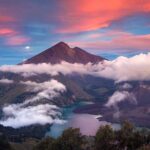
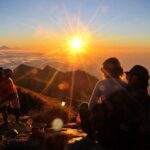
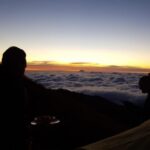
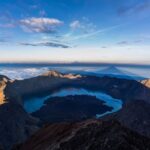
By evening, you camp on the crater rim. This is a big part of why this trek feels special: you get to slow down and enjoy views for sunrise and sunset from the rim. That’s also why the trek is sold as a “2 days / 1 night” experience—because the camp isn’t just sleeping. It’s part of the show.
Practical consideration for Day 1: pack your energy. If you arrive at the crater rim tired and cold, it’s harder to enjoy it. The trek includes hot drinks and meals on the mountain, but you’ll still feel the drop in temperature as you gain elevation.
Day 2: sunrise summit climb at 3:00 am
Day 2 begins with a very early wake-up—around 2:00 am—with a hot drink and a light breakfast. Then you start walking at 3:00 am. This is when “tough hike” stops being a description and becomes the actual plan.
The climb begins with a moderate trek, then shifts into a fairly easy but longer section. This matters because it’s a chance to settle into a steady rhythm before the last grind.
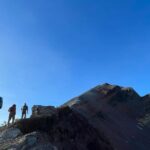
Then comes the final approach: a steep climb on volcanic scree described as looser. This is the part where footing changes. Your legs do one more job—stabilizing—on top of moving forward. If you’ve never hiked on loose volcanic rock, you might be surprised how much it taxes you.
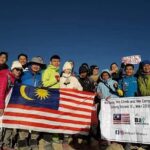
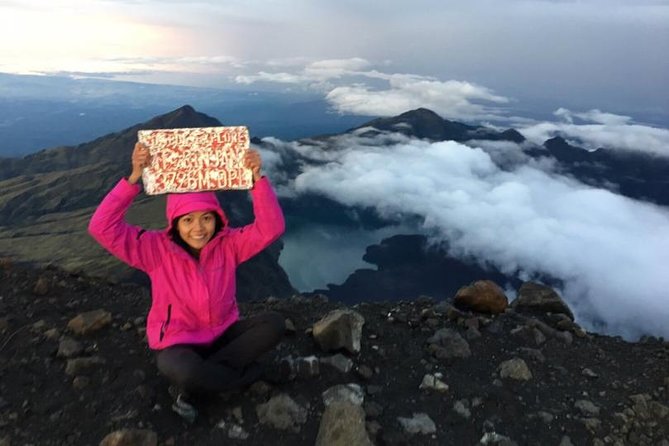
You reach the summit at about 6:00 am, and the highlight is the sunrise at 3,726m. You’re not just “going up and coming down.” The timing is built so the sunrise is included at the top, which makes that early wake-up feel worth it.
After summiting, you descend back toward the crater rim within 2 hours, then continue down to Sembalun. The final descent takes about 5 hours. This is where many people realize they trained for going up, but they also needed to train for going down. Trekking poles help, and careful foot placement matters.
By the time you finish, you’re ready for recovery mode. Your body will likely feel the day before and the summit push as one long continuous effort, even though the plan has distinct segments.
Guide, porters, and camping setup that actually helps
This tour emphasizes a staffed experience: licensed mountain guide plus local porters. In a summit trek, that staffing isn’t a luxury. It’s a tradeoff for better pacing, safer decision-making, and less gear stress.
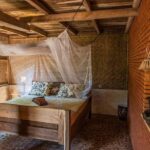
Camping equipment is included: tent, sleeping bags, bed mats, toilet tent, and pillow. That’s the difference between packing like a backpacker and packing like someone who wants to arrive at the rim without spending time figuring out what you forgot.
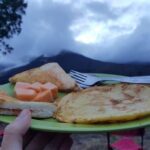
Meals are also included, with 3 meals daily on the mountain. Water is handled too: mineral water on the first day and mountain spring water on the second day. That’s valuable because on a multi-hour hike, “I’ll just buy something later” doesn’t really work.
In one note from the guide experience, the guide Pam stood out for running the hike and managing the day. The lesson for you: good guides keep pace realistic. They also help you avoid the common mistake of burning too much energy too early.
A caution from experience style, not fear-mongering: one review flagged a small language barrier with a guide who was just starting to learn English. If English isn’t your first language either, you might want to bring patience and simple phrases. In early-morning situations, clear communication matters, but trekking routes and timing also do a lot of the teaching.
Food, water, and what to bring beyond the essentials
The included meals and water are a strong baseline. You don’t need to carry a heavy food pack or plan each stop for snacks. That’s great on a summit trek where your appetite can be weird due to altitude and early hours.
Still, I think it’s smart to follow one practical tip that came up: don’t bring too many clothes to the peak. You’re moving hard during the summit push. Extra layers can slow you down or make you sweaty fast. Instead, aim for layers you can control: warm enough for pre-dawn, breathable enough once you start climbing.
Also follow the other practical advice: bring medicine and some backup food if you know you react badly to local options. The hike is scheduled tightly, and you don’t want to spend the summit day trying to solve a stomach issue.
If you’re wondering what you should pack for your own comfort, think in categories:
- Warmth for 2:00–6:00 am
- Rain protection (weather is a big factor here)
- Comfort items for long descents (blister prevention helps)
- Small personal stash: medicine, a couple of snacks you trust
Weather and trail reality on Rinjani
This trek “requires good weather.” That means your plans depend partly on conditions, and in bad weather you may be offered a different date or a full refund. This is common for mountain operations, but it still matters for your travel schedule. If you’re only in Lombok for a day or two, keep flexibility.
Another reality check: one note mentioned trash along the route. That doesn’t mean the trek is ruined, but it does mean you should take responsibility for what you carry. Keep your own trash, pack out what you can, and treat the trail with respect. Even a short piece of litter can be a sign of a larger issue.
If you’re the type who gets bothered by disorder, focus on what you can control: your pace, your safety habits, and your attitude. The rim and summit views are what you came for, and they’re still incredible even if the trail environment isn’t perfect.
Is $225 worth it for this summit trek?
For a 2-day Rinjani summit experience, $225 is reasonable when you look at the full package:
- hotel the night before in Sembalun
- pickup by air-conditioned vehicle from many Lombok areas
- licensed guide and local porters
- camping gear and mountain meals
- park entrance fee included
- water included across both days
What you’re really buying is less logistics work and less risk from forgetting equipment or underestimating costs. If you try to do this independently, you’ll still end up hiring people for guiding and portering, and you’ll spend time and money managing registrations, fees, and gear.
Where value can dip is if you arrive unprepared for early mornings and steep rocky terrain. No tour can remove the core physical challenge. This is a good-value trek if you show up ready to work for your sunrise.
Who should book, and who should skip
This trek fits you if:
- you have strong physical fitness
- you can handle early wake-ups (around 2:00 am)
- you’re comfortable with steep climbs and rocky scree
- you want a staffed camp and organized meals rather than carrying everything
Consider skipping or choosing a gentler trek if:
- steep, loose rock makes you nervous
- you struggle with long descents (that 5-hour walk down is real)
- you’re not okay with cold pre-dawn temperatures
- you need a completely language-free experience (one guide may have limited English at first)
Group size is capped (max 8), so it’s not a party trek. It’s also not a private guide-and-porter bubble. If you like a bit of structure and quiet effort, you’ll likely enjoy it.
Should you book with Em Adventure for Rinjani Summit?
I’d book this trek if you want a well-run summit experience with real support: licensed guiding, porters, camping gear handled, and meals included. The combination of crater-rim camping plus a summit sunrise at 6:00 am gives you two “wow” moments without squeezing every minute.
I’d hesitate if you’re fragile with early mornings and steep terrain. This route includes a hard climbing phase and loose scree near the top. Also, if you’re picky about tidiness on trails, know that you may see litter on the route.
If you do book, follow the practical tips: pack lighter for the peak, bring medicine and a backup snack stash, and plan mentally for the 2:00 am wake-up. Then you’ll be ready to enjoy the real payoff—the view when the sun finally hits the summit.
FAQ
What is the price for the Trekking Rinjani Mountain Summit 2 Days 1 Night?
The price is $225.00 per person.
How long is the trek?
It runs for 2 days and 1 night.
What time does the experience start at the meeting point?
The listed start time is 7:00 am at the meeting point.
Where does pickup happen?
Pickup is offered from the Airport, Kuta, Mataram, Senggigi, Bangsal, Labuhan Lombok, Tetebatu, and Senaru.
What’s included in the trek package?
Included items cover a licensed mountain guide and local porter, all camping equipment (tent, sleeping bags, bed mats, toilet tent, pillow), all meals (3 times daily) on the mountain, mineral water 1st day and mountain spring water 2nd day, the national park entrance fee, an air-conditioned vehicle, and a hotel night before the trek in Sembalun.
Is there a hotel stay before the hiking starts?
Yes. You get a hotel one night before the trek in Sembalun.
Do I need to be in good physical condition?
Yes. The trek notes that travelers should have a strong physical fitness level.
What’s the maximum group size?
The tour/activity has a maximum of 8 travelers.
If you want, tell me your fitness level and where you’re staying on Lombok, and I’ll help you gauge whether the early summit timing and rocky scree section are likely to feel manageable for you.