REVIEW · KATHMANDU
Private 12-Day All Inclusive Guided Annapurna Base Camp Trek Tour
Book on Viator →Operated by Cordial Trek Pvt. Ltd. · Bookable on Viator
Annapurna Base Camp feels close from day one. I like how this tour builds in an acclimatization-friendly pace and still keeps things smooth with gear and permits handled for you, not tacked on later. The main catch is the obvious one: you’re going high (over 4,000 meters in the trek zone) and the whole feel depends on good weather for mountain views.
You’ll start with an airport pickup in Kathmandu, then ride to Pokhara in a luxury tourist bus before the trek truly begins at Birethanti. The trip is set up as a private group experience, so your guide and route plan stay focused on just you, not a herd.
In This Review
- Key Highlights You’ll Actually Feel on the Trail
- Kathmandu Setup and Pokhara Ride: Getting Oriented Without Rushing
- Day 3 to Day 6: Birethanti Start and the Slow Climb Toward the Sanctuary
- Day 7 and Day 8: Machhapuchhre Base Camp First, Then Annapurna Base Camp
- Day 9 and Day 10: Jhinu Danda Hot Springs and the Long Way Home
- Day 11 and Day 12: Kathmandu Return, Optional Flight, and Your Trip Certificate
- Price and Logistics: Is $1,175 Actually Good Value?
- Guides, Community Stops, and the Little Things That Make It Work
- How Tough Is This Trek, Really?
- What to Pack and How to Think About Gear (Since They Provide Some)
- Who This Tour Fits Best (and Who Might Want a Different Plan)
- Should You Book This Annapurna Base Camp Tour?
- FAQ
- Where does the trek start?
- Do I get picked up when I arrive in Nepal?
- How do you get from Kathmandu to Pokhara?
- Are accommodations included during the trek?
- What trekking gear is included?
- Are meals included?
- Do I need trekking permits?
- What happens at Annapurna Base Camp?
- Is there a hot spring stop?
- Can I fly back instead of driving the whole way?
Key Highlights You’ll Actually Feel on the Trail
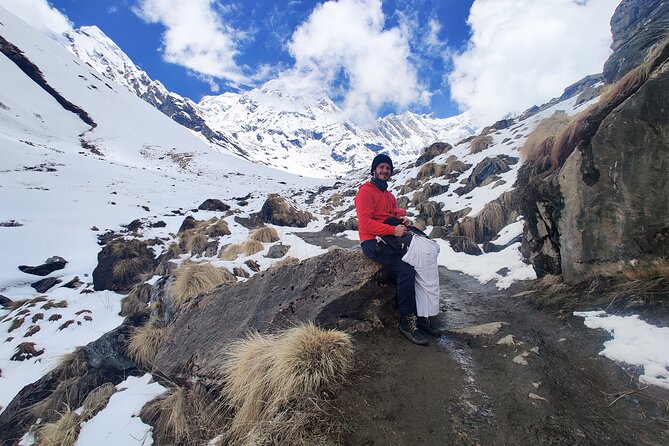
- Gear included for altitude comfort: down jacket, sleeping bag, and duffle bag are provided (returnable).
- Permits and route essentials are bundled, plus a trekking map and first-aid support.
- Sunrise at Annapurna Base Camp: early breakfast moments and a tea house night right at the goal area.
- Real village trekking: Gurung communities like Ghandruk and Chomrong add culture stops without turning it into a lecture.
- Hot-spring payoff at Jhinu Danda after the long descent.
- Guides get specific praise in feedback for being attentive and helpful (names like Pratip Tamang, Ganesh, and Raj show up in the comments).
Kathmandu Setup and Pokhara Ride: Getting Oriented Without Rushing
Day 1 is all about landing and settling in. You’ll get picked up from Tribhuvan International Airport, check into a hotel, and meet your guide with a briefing on what comes next. This matters more than it sounds: Annapurna treks are easier when you know what you’re walking into, from altitude pacing to daily timing.
Day 2 shifts you into Nepal’s “trek base” mode. You’ll travel early by tourist bus from Kathmandu to Pokhara (about 6–7 hours), then spend the evening in Pokhara Lakeside. I like this structure because it gives you a chance to slow down before you start stacking elevation day after day.
If you’re the type who hates tight timelines, Pokhara also helps you get your basics right—water, snacks you like, and a quiet night before your first real trek day.
You can also read our reviews of more tours and experiences in Kathmandu.
Day 3 to Day 6: Birethanti Start and the Slow Climb Toward the Sanctuary
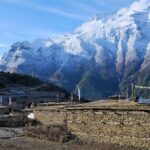
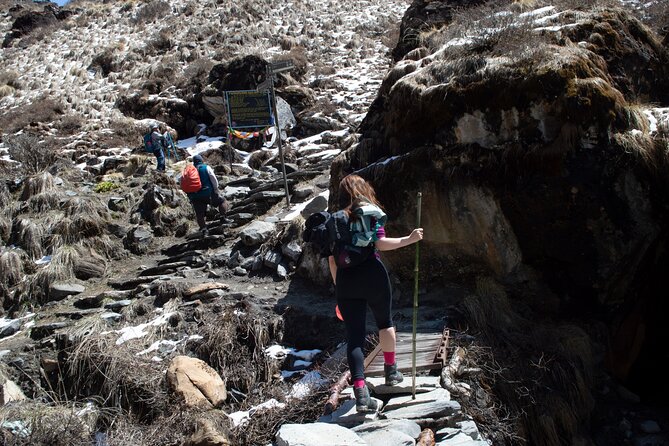
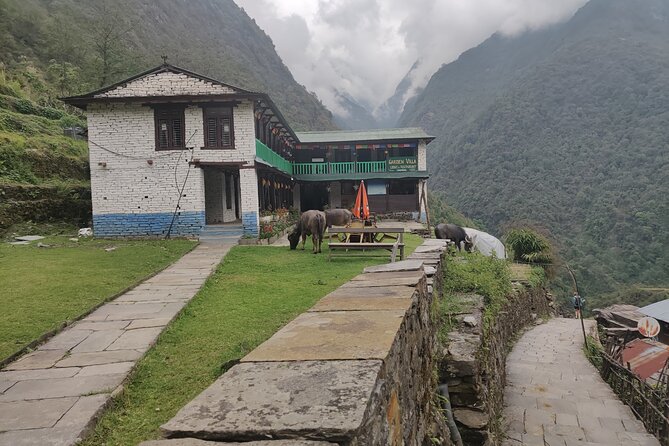
The trek starts on Day 3 at Birethanti. From there, the walk targets Ghandruk (about 5–6 hours). Ghandruk is a major Gurung village stop, and the payoff is twofold: traditional culture you can actually see in daily life, plus mountain views that tend to show up in the right places as the trail climbs. You’ll sleep at a guesthouse in Ghandruk.
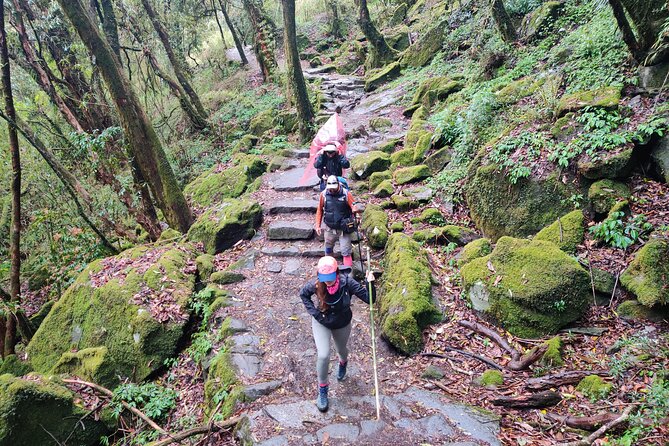
Day 4 continues the gradual grind to Chhomrong (about 4–5 hours). Chhomrong is described as a modern Gurung village, and you’ll pass farming scenes and dense forest. This day is a good example of why Annapurna Base Camp works as a trekking route: you’re not just chasing altitude, you’re walking through ecosystems that change as the day warms and clouds shift.
Day 5 starts with a shorter hike (around 2 hours) from Chhomrong toward Sinuwa, then keeps going to Dobhan (about 4 hours). The route through forest here is the point—wild floras and faunas show up more in places like this than in the “straight up” sections. You’ll sleep in a guesthouse in Dobhan.
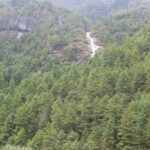
Day 6 heads toward Deurali (about 5–6 hours, with tea houses along the way). This is another day built around forest walking, waterfalls, and steady elevation. I like that the itinerary doesn’t try to turn this into a marathon. It gives you enough moving time to build rhythm, while still leaving you ready for the more intense days ahead.
One practical drawback to note: the trek days are long enough that you’ll want to show up with your packing done well. Bring what you need, don’t bring what you don’t. Anything heavy becomes a daily tax.
Day 7 and Day 8: Machhapuchhre Base Camp First, Then Annapurna Base Camp
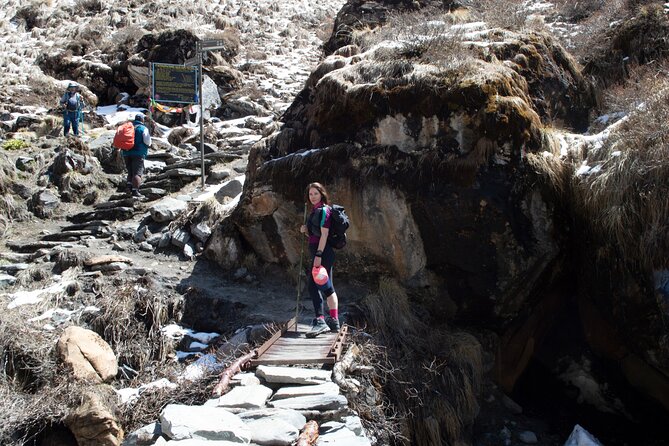
Day 7 is a two-part day that sets up the big moment. You hike from Deurali to Machhapuchhre Base Camp area (3–4 hours), arriving via the MBC valley. Even though this isn’t the final destination, it helps your brain understand the scale: the mountains start feeling less like a picture and more like a wall you’re carefully approaching.
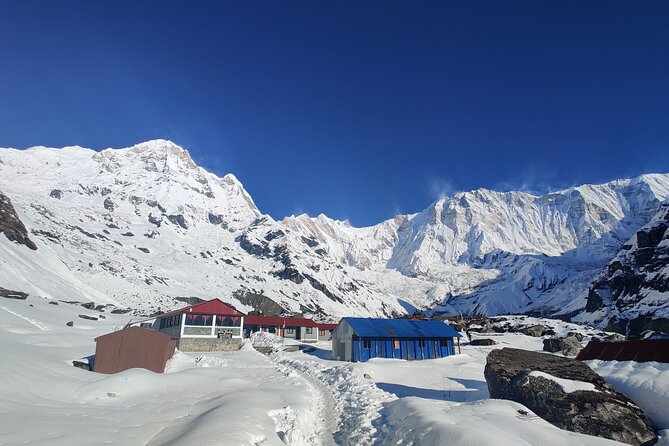
Then you go on to Annapurna Base Camp (ABC) (about 2–3 hours). You’ll sleep at a tea house at base camp. This matters for value: tea house nights at ABC are part of what you’re paying for in a guided package—logistics, meals, and a place lined up when you’re tired.
Day 8 is the “wake up for the mountain” day. You’ll see sunrise at Annapurna Base Camp, eat breakfast early, then enjoy the quiet moment before the return descent. This day also gives you a buffer in how you experience the summit goal—one breakfast doesn’t define everything, and having a second day at the base area is a comfort.
I also appreciate that you’re not forced into a brutal immediate descent. Instead, you’ll hike down to Sinuwa on Day 8 (about 7–8 hours). That’s still a long day, but it starts from a place you’ve already let settle into your memory.
Day 9 and Day 10: Jhinu Danda Hot Springs and the Long Way Home
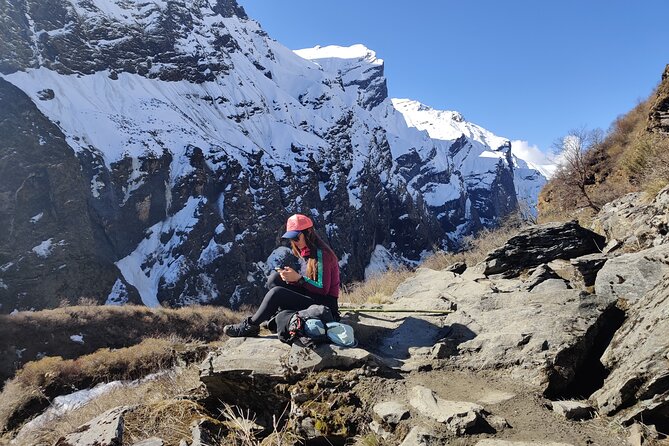
Day 9 is all about recovery-with-view. You’ll trek down from Sinuwa to Jhinu Danda (about 4–5 hours). Jhinu Danda is famous for natural hot springs, and it’s the kind of end-of-day reward that helps sore legs forgive you.
On Day 10 you continue descending to Birethanti (about 4–5 hours), then drive back to Pokhara (around 1 hour). In Pokhara, there’s a celebration dinner and a farewell with your trekking crew. That ending is useful: it turns your trek from a grind into an event you can close cleanly.
Day 11 and Day 12: Kathmandu Return, Optional Flight, and Your Trip Certificate
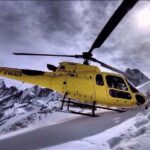
Day 11 brings the ride back to Kathmandu (about 6–7 hours). You also have an optional 30-minute flight back to Kathmandu, which can be handy if you want to shorten travel time and reduce fatigue. Either way, your goal is the same: get you back to Kathmandu with enough margin for a real departure.
Day 12 is the wrap-up. You’ll receive a trip certificate and then be dropped at the airport about three hours before your final departure. It’s a small detail, but it avoids the classic last-day scramble.
Price and Logistics: Is $1,175 Actually Good Value?
At $1,175 per person (for approximately 12 days), the value here comes from what’s bundled. This isn’t just “guide + route.” You’re getting:
- Returnable trekking gear (down jacket, sleeping bag, duffle bag)
- Accommodations throughout
- Airport transfers and Kathmandu–Pokhara–Kathmandu transport by tourist coach
- Trekking permits and a trekking map
- Meals included: 11 breakfasts, 8 lunches, and 8 dinners
- First aid, plus a company t-shirt and a trip certificate
If you’ve ever priced trekking in Nepal separately, you’ll know it adds up fast: permits, guide logistics, food planning, and the cost of borrowing or renting proper cold-weather gear. Here, those “hidden friction points” are handled upfront.
What’s not included is also clear: travel insurance (compulsory), gratitude for guide and porter, and any unspecified meals. For many people, the biggest quality-of-life win is that you’re not improvising meals and sleeping arrangements each night. That reduces stress when altitude and fatigue are already doing their work.
Guides, Community Stops, and the Little Things That Make It Work
This kind of trek lives or dies on daily support. In the feedback available, guide attention and friendliness get repeated praise, with names like Pratip Tamang, Ganesh, and Raj showing up. Porters also get mentioned (for example, Raju and Smile appear in comments). The common theme is simple: you’re not left on your own with questions.
The village stops are more than scenic breaks. Ghandruk and Chhomrong give you a look at Gurung life without turning the day into a performance. You get trail views plus a reason to slow down, ask questions, and eat food that’s designed for trekkers.
Also pay attention to the food pattern. Tea houses are basic, but meals being included matters because it removes constant decision-making. When you’re at ABC or walking in the morning cold, that’s a big mental load off your shoulders.
One “nice to know” detail from the feedback: someone noted a massage on request for a small contribution. That’s not listed as a standard inclusion here, so think of it as an option you might ask about during the trek rather than a guarantee.
How Tough Is This Trek, Really?
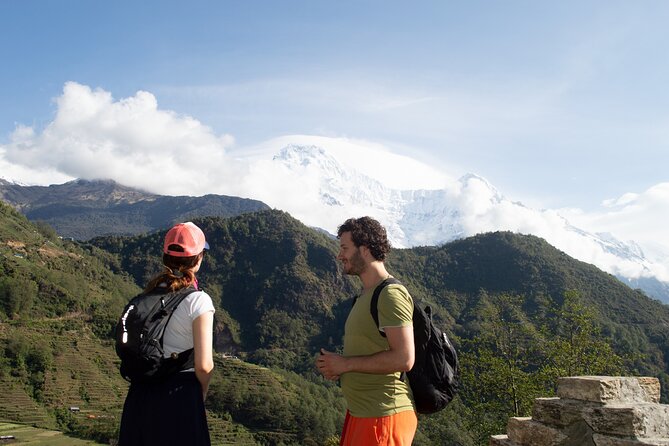
This is for moderate fitness, not couch-to-hike heroics. The daily hiking times range from about 4–6 hours on many days to longer pushes like the 7–8 hour descent day toward Sinuwa. On top of that, you’re working at higher altitude as you approach the sanctuary zone.
The itinerary is also paced with purpose: it starts with gradual climbs through villages, adds two strong “transition” days (Deurali to MBC and then MBC to ABC), then uses a second day at base camp before a longer descent. That’s a reasonable structure for your body to adapt.
Still, the biggest risk isn’t the walking distance—it’s the combination of altitude and weather. The program explicitly notes that good weather is required. If visibility drops, your experience shifts from cinematic sunrise views to something more cloudy and muted.
What to Pack and How to Think About Gear (Since They Provide Some)
Because the package includes a down jacket, sleeping bag, and duffle bag, you can travel lighter than many other trekking styles. But you still need to think like a trekker:
- Wear layers you can adjust throughout forest and sun/wind changes.
- Bring a small daypack for water and snacks.
- Plan for cold mornings, especially near base camp.
The route also includes cold and altitude exposure, so your provided down layer helps, but don’t count on it replacing everything. I’d rather you carry a sensible base layer system than rely on one big warm item.
Who This Tour Fits Best (and Who Might Want a Different Plan)
This tour is a strong match if you:
- Want a guided private Annapurna Base Camp experience with logistics handled
- Prefer bundled gear so you don’t scramble for cold-weather equipment in Nepal
- Like village trekking with cultural stops, not just mountaineering framing
It may be less ideal if you:
- Have very limited hiking tolerance for 4–8 hour days
- Get nervous with altitude and want more flexibility than the schedule allows
- Are sensitive to weather-dependent view days
If you’re traveling with friends or family and you want the route to stay calm and focused, a private setup can be a real morale booster.
Should You Book This Annapurna Base Camp Tour?
I’d book it if you want a straightforward, organized Annapurna Base Camp trek where the practical stuff is handled: permits, transfers, tea house nights, and meals. The $1,175 price feels more like “you’re buying peace of mind” than “you’re paying extra for a badge,” especially because gear rental and food are not something you’ll be figuring out on the fly.
I’d hesitate only if you know you struggle with altitude pacing or you’re unlucky with weather windows. The itinerary depends on conditions at the top, and no amount of good organization can change the mountain’s mood.
If you’re generally fit, comfortable with daily hiking, and excited about sunrise at ABC, this is a solid value way to do it with a team that (based on the feedback names like Pratip Tamang, Ganesh, and Raj) tends to take care of the details.
FAQ
Where does the trek start?
The trekking part starts on Day 3 at Birethanti.
Do I get picked up when I arrive in Nepal?
Yes. You’re picked up from Tribhuvan International Airport in Kathmandu on Day 1.
How do you get from Kathmandu to Pokhara?
You travel by luxury tourist bus, taking about 6–7 hours.
Are accommodations included during the trek?
Yes. Accommodations are included throughout the 12 days.
What trekking gear is included?
You receive returnable necessary equipment: a down jacket, sleeping bag, and duffle bag.
Are meals included?
Yes. The package includes 11 breakfasts, 8 lunches, and 8 dinners.
Do I need trekking permits?
Necessary trekking permits are included.
What happens at Annapurna Base Camp?
You stay at a tea house at base camp, and you’ll have an early sunrise breakfast there on Day 8.
Is there a hot spring stop?
Yes. Day 9 includes Jhinu Danda, which is known for natural hot springs.
Can I fly back instead of driving the whole way?
Yes. On Day 11, there’s an optional 30-minute flight back to Kathmandu.