REVIEW · KATHMANDU
Ghorepani Poon Hill Trek
Book on Viator →Operated by Everest Glacier Trek Pvt Ltd · Bookable on Viator
Sunrise over the Himalaya is pure joy. A Ghorepani–Poon Hill trek gives you that moment plus rhododendron forests, small village life, and big mountain views, all paced for a moderate trek. You’ll time your day for the famous Poon Hill sunrise, then keep moving through places like Ulleri, Ghorepani, and Ghandruk, where the culture feels close and human-scale.
I especially like the English-speaking guide and the way they manage the small things. People consistently highlight how guides such as Hari Bhatta look after your pace, help with what you need fast, and keep the group feeling safe and cared for.
One drawback to plan around: weather controls visibility for the sunrise, and the route includes early starts plus uphill and stone-step walking, so you’ll want to show up with decent stamina and a calm attitude.
In This Review
- Key things that make this trek worth your time
- The Annapurna region shortcut: why Poon Hill hits so hard
- Kathmandu to Pokhara by tourist bus: the easy start you’ll appreciate
- Day-by-day trekking: what each day feels like and what to watch for
- Day 1: Pokhara rest day with lake time
- Day 2: Nayapul to Ulleri, stone steps and river valley views
- Day 3: Rhododendron forests up to Ghorepani, with an evening peak
- Day 4: Pre-dawn to Poon Hill sunrise, then a trek onward to Tadapani
- Day 5: Ghandruk and Gurung culture, then back to Pokhara
- Day 6: Pokhara back to Kathmandu, wrap-up time
- What you actually get for the $650 price
- The guide factor: why people keep praising Hari Bhatta
- Luggage, porters, and what you should plan to carry
- Who this trek suits best (and who should think twice)
- Should you book this Ghorepani Poon Hill trek?
- FAQ
- FAQ
- How long is the Ghorepani Poon Hill Trek?
- What time does the experience start?
- Are transfers included in this tour?
- Is pickup offered?
- Is this a private tour?
- What meals are included?
- Are permits included?
- Do I need a porter?
- What fitness level do I need?
- What happens if weather affects the sunrise?
Key things that make this trek worth your time
- Poon Hill sunrise: You’re up before dawn, then rewarded with sweeping mountain views right at first light.
- Forest-to-village trekking rhythm: Rhododendron slopes, stone steps, river valleys, and guesthouse nights in between.
- A guide who works the details: Many trekkers call out guides like Hari Bhatta for attentive support and practical help.
- Meals and permits handled: Breakfasts, lunches, and dinners are included, plus trek permits and local taxes.
- Mostly simple logistics: Tourist bus and local bus transfers reduce the guesswork for the transport pieces.
The Annapurna region shortcut: why Poon Hill hits so hard
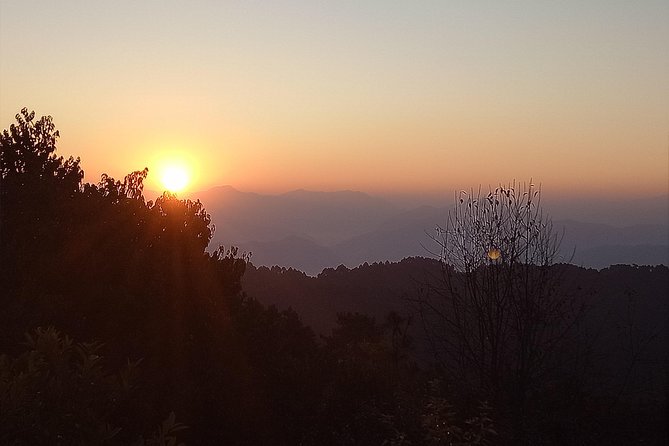
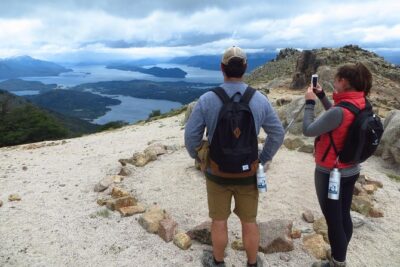
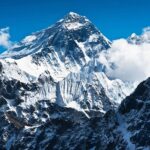
Poon Hill is the kind of viewpoint that makes people forget how early they got up. It’s not just the idea of sunrise. It’s the build-up: you move through the night air with a small group, reach the viewpoint before the sky turns fully bright, and then watch the first light roll across the peaks.
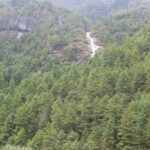
What makes this trek special is the contrast. The Annapurna foothills start green and wooded, with trails that feel close to daily life—houses, farm terraces, and village trails you’d miss if you stayed in a car. Then you shift into the higher viewpoints, and suddenly the experience turns dramatic. You go from quiet forest walking to snow-capped scenery that feels huge.
And the route keeps giving you reasons to look up. Even when you’re just climbing stone steps or following the Modi Khola River valley, the mountains appear in gaps and turns. Then day four delivers the headline moment.
You can also read our reviews of more tours and experiences in Kathmandu.

Kathmandu to Pokhara by tourist bus: the easy start you’ll appreciate
The trek begins in Kathmandu with a scenic tourist bus ride to Pokhara. This matters more than it sounds. A lot of people come straight from busy city days and jump into trekking too fast. Having that road transfer scheduled first helps you transition without rushing.
The drive includes terraced fields and distant Himalayan peaks. Once you reach Pokhara, you get downtime to settle in. You’ll have the chance to unwind near Phewa Lake, which is an ideal reset after a long travel day.
If you’re someone who gets grumpy when plans are vague, you’ll like this part. The transfer is handled, so you can focus on buying trekking snacks, checking your gear, and getting an early-ish night.
Day-by-day trekking: what each day feels like and what to watch for
Day 1: Pokhara rest day with lake time
Day one is about arrival and recovery. You’ll check into your hotel, then use Pokhara’s easy pace to get your bearings. The lake area is a good place to do small prep tasks: charge devices, confirm you have layers, and practice your trek packing (what you carry versus what stays back).
This is also your mental warm-up. Poon Hill isn’t a single-day hike; it’s the midpoint of a multi-day trek. So day one is where you remind yourself you’re here for the journey too, not just the final sunrise photo.
Potential consideration: Pokhara is relaxed, but trekking starts early in the following days. If you stay out late, you’ll feel it later.
Day 2: Nayapul to Ulleri, stone steps and river valley views
On day two you drive to Nayapul, the gateway into the Annapurna region. Then the trek begins along the Modi Khola River. The vibe here is village-and-forest walking with occasional climbs.
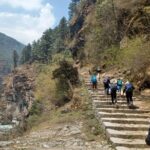
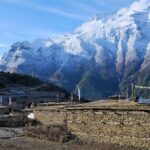
You’ll trek through quaint settlements and green forest areas, and then you reach Ulleri by climbing stone steps to the charming village. Ulleri is the kind of place where you can feel the rhythm of mountain life. You’re not just passing through scenery. You’re arriving in a community that lives around the trail.
What I like about day two: it sets the pattern for the whole trek. You get your first sustained trail time, you learn how your body reacts to uphill, and you still have beautiful mountain viewpoints to keep you motivated.
Possible drawback: stone steps can be taxing on the knees if you race them. Keep your pace steady, take breaks before you’re tired, and use your trekking poles if you have them.
Day 3: Rhododendron forests up to Ghorepani, with an evening peak
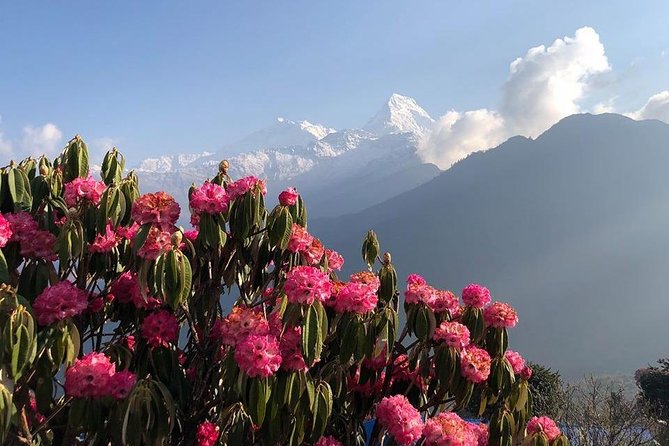
Day three is about gaining height and getting the rhododendron experience. The forests are a big feature on this route, and you’ll see them as you ascend, with the trees described as ablaze with color.
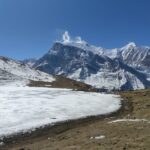
As you climb, you’ll get panoramic views of mountain ranges including Annapurna and Dhaulagiri. Then you arrive at Ghorepani, a mountain village that sets you up nicely for the sunrise mission the next day.
The best part of day three is the sunset. You’ll reach Ghorepani in time to enjoy that evening glow over snow-capped peaks. After a day of walking, a sunset viewpoint feels like the reward you were working toward.
Tip for comfort: plan your layering. Even if the day is warm, evenings in mountain villages can feel cooler fast.
Day 4: Pre-dawn to Poon Hill sunrise, then a trek onward to Tadapani
Day four starts very early. You’ll rise before dawn to hike to Poon Hill, known for sunrise views over the Himalayas. This is the moment that people remember long after they forget the number of steps they counted.
The schedule is straightforward: hike up, watch the first rays hit the peaks, then return to Ghorepani for breakfast. After that, you continue on to Tadapani.
Two things to keep in mind:
- You’ll likely feel chilly at the start. Bring a warm layer you can keep on until sunrise.
- You’ll be hungry after sunrise. The breakfast stop is timed for that.
Why this day is worth the effort: you get the emotional payoff, but you don’t stop there. You still keep walking afterward, so the day doesn’t feel like a one-time gimmick. It feels like momentum—sunrise, then continuation.
Day 5: Ghandruk and Gurung culture, then back to Pokhara
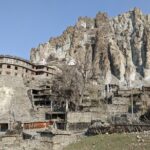
Day five slows down the dramatic mountain angle a bit by focusing on people and culture. You descend to Ghandruk, a traditional village known for Gurung culture and mountain views.
You’ll explore the village, then enjoy a hearty lunch. After that, you head back to Pokhara by public bus so you can relax after the trekking effort.
This day is valuable because it gives you context. You’re not only collecting photos from viewpoints. You’re seeing how communities live with the mountains around them. Ghandruk is one of the places where that feels clear and real.
Possible drawback: after four trekking days, the day’s riding component can feel long if you’re restless. But that ride is what turns your trek into a full package instead of an out-and-back hike.
Day 6: Pokhara back to Kathmandu, wrap-up time
Day six is the return drive from Pokhara to Kathmandu. You’ll pass through picturesque landscapes and villages on the way. Then you arrive in the capital, where you can finally exhale.
This is also a good night for a proper meal and a little reflection. The trek compresses a lot of feeling into a short trip length, and it helps to have a final travel day that’s not physically demanding.
What you actually get for the $650 price
At $650 per person, this is priced for a guided, supported trek with key pieces already built in. Here’s what makes that number feel more reasonable than “just a route”:
- Transfers are included, including Kathmandu to Pokhara by tourist bus and specific local bus segments on trek days.
- Permits and government/local taxes are included. That can be a surprise cost if you try to DIY it.
- An English-speaking professional guide is included. On a short trek like this, guidance matters a lot for pace, safety, and making sure you’re where you need to be at the right time.
- Meals are included: 5 breakfasts, 4 lunches, and 3 dinners. That reduces the daily logistics headaches and keeps you from having to budget for every meal.
- Private group setup: it says it’s private and your group participates together.
Could it cost less if you DIY? Probably. But DIY often costs you time and stress: approvals, transport timing, route confidence, and meal planning. With a guide-run plan, you trade some flexibility for certainty—especially on the pre-dawn sunrise day.
The guide factor: why people keep praising Hari Bhatta
The standout pattern in feedback is how much trekkers credit the guide, especially Hari Bhatta. In practical terms, that usually means three things:
First, pace management. If someone needs a slower rhythm, the day stays enjoyable. Second, fast help. People mention the guide handling requests quickly, including making sure essentials like tea are available and that comfort needs get met without drama. Third, safety and attention. There’s mention of carrying a fatigued trekking member’s bag during a leg injury, which is exactly the kind of real-world support that makes a difference.
Another detail people point to: guesthouse comfort. One review notes that the guide helped ensure hot water was activated for showers at guesthouses. That’s not glamorous, but it’s the stuff that keeps you from feeling rundown.
Bottom line: this trek is short. When the guide is strong, that short format feels smooth instead of rushed.
Luggage, porters, and what you should plan to carry
Porter service is not included. That means you should assume you’ll be carrying your own day-to-day items.
In practice, you’ll want to pack smart:
- Keep your trek-day load light enough for steady uphill walking.
- Separate essentials you’ll want during breaks (water, snacks, a warm layer for mornings).
- Make sure your bag isn’t too heavy, especially with the stone-step sections.
If you’re traveling with friends, you can also plan a simple system: each person carries their own items, but you help each other with quick water refills and layer changes.
Who this trek suits best (and who should think twice)
This route is described as requiring moderate physical fitness. That’s a good match for people who can handle uphill walking, early mornings, and uneven trails.
It’s also a solid choice if you want a classic Nepal trek without committing to a long, multi-week itinerary. You get:
- Forest walking
- Village routes
- A top-tier sunrise viewpoint
- A cultural stop at Ghandruk
- Return to the city with time to unwind
Who might want to think twice? If you hate early starts or you know stone steps aggravate your knees, you’ll need to be extra careful with pace and rest stops. You can still do it, but plan for discomfort as part of the deal.
Should you book this Ghorepani Poon Hill trek?
Yes, if you want a guided trek that delivers the big emotional payoff—Poon Hill sunrise—without complicated logistics. The included permits, meals, and transport segments reduce friction. And the repeated praise for guides like Hari Bhatta is a strong signal that day-to-day comfort and pacing are taken seriously.
Hold off if you’re looking for a silent, do-it-all-without-people experience. This is a group trek with shared timing, including early departure for sunrise. If you need total freedom to change plans on the fly, you’ll have less room to do that.
If your goal is a short Annapurna taste that feels well supported, this one is a strong contender.
FAQ
FAQ
How long is the Ghorepani Poon Hill Trek?
The trek is listed as 6 days (approx.).
What time does the experience start?
The meeting/start time is 7:00 am.
Are transfers included in this tour?
Yes. Kathmandu to Pokhara and back are by tourist bus. Pokhara to Nayapul and Ghandruk to Pokhara are by local bus.
Is pickup offered?
Yes, pickup is offered.
Is this a private tour?
Yes. It’s described as private, with only your group participating.
What meals are included?
Breakfast is included 5 times, lunch is included 4 times, and dinner is included 3 times.
Are permits included?
Yes. Trek permits and government and local taxes are included.
Do I need a porter?
Porter service is not included.
What fitness level do I need?
It says moderate physical fitness is required.
What happens if weather affects the sunrise?
This experience requires good weather. If it’s canceled due to poor weather, you’ll be offered a different date or a full refund.