Blue streets and sand dunes in one smooth route. This Atlas Trekking Morocco tour strings together Morocco’s top sights with real time on the ground: UNESCO stops, mountain villages, Sahara dunes, and Atlantic wind in Essaouira.
I especially like the way it pairs the big-name cities (Rabat, Fez, Marrakech) with out-of-the-main-traffic nature like the Merzouga sand sea and the dramatic gorges around Todgha and Dades. I also like that it’s a private setup, so your group can move at the same pace without constantly playing musical chairs with strangers. The only real drawback to consider is the physical side: it’s listed for people with moderate fitness, plus you’ll be spending plenty of days traveling by car between regions.
In This Review
- Key highlights I’d plan around
- Casablanca to Chefchaouen: building contrast from Day 1
- Rabat and the art of traveling like a local (not a stampede)
- Chefchaouen to Fez: the move from blue mountain town to old-medina time
- Fez, Volubilis, and Meknes: UNESCO plus the quieter side of empire
- Middle Atlas to Merzouga: getting to the Ziz gorges and the Sahara moment
- Sahara dunes and desert night: what Merzouga really gives you
- Todgha gorges, Roses Valley, and Ouarzazate: the thriller geography leg
- Ait Ben Haddou and Tazenakht to Taroudante: kasbah drama and craft country
- Taroudante to Essaouira via Agadir: switching from inland heat to Atlantic air
- Marrakech: two days of city rhythm plus a breather built in
- The Atlas Mountains hiking part: what the moderate fitness note means
- Food, alcohol, and day-to-day comfort
- Value and price: why $2,087.52 can make sense for the right traveler
- Who this private Morocco route fits best
- Should you book Atlas Trekking Morocco’s Best of Morocco 15-day tour?
- FAQ
- How long is the Atlas Trekking Morocco Best of Morocco tour?
- Is this tour private?
- Where does the tour start and end?
- What’s included in the price?
- Is alcohol included?
- What fitness level do I need?
- Is free cancellation available?
Key highlights I’d plan around
- Chefchaouen’s blue streets: a cool, mountain-town contrast after Casablanca and Rabat.
- Fez + Volubilis + Meknes: classic imperial Morocco with a UNESCO detour outside the city.
- Merzouga and the Sahara night: the trip saves its most dramatic change of scenery for mid-route.
- Todgha/Toudgha gorges and Roses Valley: these stretches are the kind of views you remember on the ride home.
- CLA/Ouarzazate film studios and Ait Ben Haddou: Morocco’s “movie Morocco,” plus the real UNESCO kasbah.
- Essaouira’s free time: you get a real rest day, not just photos and back on the bus.
Casablanca to Chefchaouen: building contrast from Day 1
The tour starts in Casablanca and quickly pivots to a very different Morocco mindset. Day 2 is a classic two-city day: Casablanca → Rabat → Chefchaouen. Casablanca gives you the modern “big city” entry point, but Rabat shifts the tone toward government-and-history Morocco. Then Chefchaouen is the emotional reset: a mountain town famous for its blue-washed streets in the Rife Mountains.
Here’s what I like about doing Chefchaouen early: you’re not worn out by a week of road time yet, so you can enjoy it slowly. Chefchaouen is best when you treat it like a place to wander. Expect lots of stairs and winding lanes, and plan for cooler air higher up compared with the lowlands.
If you’re the type who likes one morning to set the vibe, this is it. Chefchaouen’s also an easy win for photos without turning the whole day into a photo production.
You can also read our reviews of more tours and experiences in Casablanca.
Rabat and the art of traveling like a local (not a stampede)
Rabat isn’t just a stop between bigger destinations. It’s where you get a feel for Morocco as a country with layers beyond the tourist hits. On this route, Rabat acts like a breather town before you climb into Chefchaouen. That matters because the tour then strings together cities and regions that feel totally different from each other.
One practical consideration: you’ll want to keep your daypack light. Morocco’s streets can be uneven, and the walking is the kind that sneaks up on you—especially in the medina areas.
Chefchaouen to Fez: the move from blue mountain town to old-medina time
Day 3 continues the Chefchaouen portion in the morning, then transitions toward Fez. Fez is one of those places where you can feel the age immediately. The biggest value in this leg of the tour isn’t just checking it off. It’s the way Fez changes how you read Morocco: you start noticing craftwork, street patterns, and the density of daily life.
This route also builds in time for sightseeing and exploration, so you’re not forced to sprint through markets. Still, do yourself a favor: keep your expectations flexible. Fez can be intense. If you want calmer moments, you’ll likely find them by stepping just a little away from the most crowded lanes.
Fez, Volubilis, and Meknes: UNESCO plus the quieter side of empire
Day 5 gives you Fez → Volubilis → Meknes. Volubilis is the UNESCO World Heritage Roman site near Meknes, and it’s a great reality check after medieval city intensity. You’re trading tight alleys for open ruins and big-sky views. It’s also one of the only times on this route where the history feels more “spaced out,” so your brain gets to reset.
Meknes is then your reward: another imperial city with a different rhythm than Fez. It’s often less frantic, and that helps you absorb what Morocco looks like across different reigns and regions.
Middle Atlas to Merzouga: getting to the Ziz gorges and the Sahara moment
By Day 7, the itinerary turns toward the desert. You’re moving through Middle Atlas → Midelt → Ziz gorges → Merzouga. This is where the trip starts feeling like a journey, not just sightseeing.
Midelt and the Middle Atlas stretch can feel cooler and greener as you climb and descend, and then Ziz gorges bring you back toward a drier, dramatic geography. The gorges are especially helpful because they show you the “why” behind the region’s settlements—people built where water and passageways made sense.
Then comes Merzouga, the gateway to the Sahara sand sea. This is the point where the scenery stops being regional and becomes planetary. You can practically feel the switch from city logic to desert logic. If you’re sensitive to temperature changes, plan for it. Desert days can start mild and turn sharp quickly.
Sahara dunes and desert night: what Merzouga really gives you
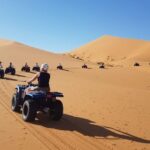
Merzouga is on the schedule as “Merzouga Sand Sea,” and that’s the headline for a reason. Even if you’ve seen sand dunes on screens, the scale in person is hard to understand until you’re there.
This is also where you should lean into the slow stuff: standing still for views, watching light shift across dunes, and letting the quiet do its work. If you only treat it like a backdrop, you’ll miss half the point.
One thing to consider: you’ll be switching environments fast. Dress in layers. Bring something for dust and something warm for nighttime. Your comfort here affects your whole mood for the rest of the trip.
Todgha gorges, Roses Valley, and Ouarzazate: the thriller geography leg
Day 8 keeps the adventure rolling: Merzouga → Todgha gorges → Roses Valley → Ouarzazate. Todgha gorges are known for tall, dramatic rock formations. The value of this stop on a long route is that it’s not a city maze. It’s motion with viewpoints. You get that “walk-and-look” kind of sightseeing.
Roses Valley adds a different texture. Even if you don’t time it for rose season, the valley stop is a nice breathing space between desert extremes and movie-set energy.
Then you land in Ouarzazate, and the tour includes the Atlas Film Studios of Cinema in Ouarzazate (CLA studios). This part is fun because it explains how Morocco’s landscapes became a filmmaking favorite. It also gives you a new way to watch the scenery after you’ve seen it in film context.
Ait Ben Haddou and Tazenakht to Taroudante: kasbah drama and craft country
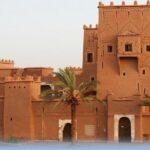
Day 9 is a big geography swing: Ouarzazate → Ait Ben Hadou (Ait Ben Haddou Kasbah) → Tazenakht → Taroudante. Ait Ben Haddou is UNESCO World Heritage, and it deserves its reputation. Kasbah architecture has a specific logic—thick walls, earth tones, and that fortress feel that reads instantly even if you don’t know the full story.
Tazenakht is there for a reason beyond moving on: it’s a stop connected to local craft culture. Then Taroudante is the vibe change. It’s a more relaxed setting than Marrakech, and that helps after a day that includes a UNESCO heavyweight and plenty of car time.
In practical terms, keep your schedule flexible. These in-between towns are where you’ll likely find small tastings, handcraft browsing, and the kind of conversations that make the trip feel human.
Taroudante to Essaouira via Agadir: switching from inland heat to Atlantic air
Day 10 is Taroudante → Agadir → Essaouira. This is one of the best transitions you can ask for on Morocco routes. Agadir is a stop that points you toward the coast, then Essaouira becomes the payoff: an atmospheric port town on the Atlantic with a different pace and lots of sea breeze.
Day 11 is explicitly a free day to explore Essaouira. I really like this kind of setup. It gives you room to do a slow walk along the coast, wander the medina at your own speed, and just reset after the intensity of Sahara and gorges.
If your group includes people who need downtime—this day matters. Without a rest day, desert trips can start feeling like nonstop effort.
Marrakech: two days of city rhythm plus a breather built in
Day 12 is Essaouira → Marrakech, and then you get Marrakech sightseeing on Day 13. Day 14 is another free day in Marrakech, which is excellent planning. Marrakech can be a sensory overload. A second free day means you can revisit favorite areas or slow down if the city catches you off guard.
The highlights associated with Marrakech in the tour description include Djamaa el Fna (Jemaa el-Fnaa), a UNESCO site known for its big public energy. This is the place where Morocco looks like Morocco: performers, food stalls, nighttime atmosphere, and a constant mix of locals and visitors.
Practical note: Marrakech is where you’ll want good footwear. Streets can be uneven, and even “sightseeing” becomes a lot of walking.
The Atlas Mountains hiking part: what the moderate fitness note means
The tour description promises Atlas Mountains – hike Beautiful mountain scenery and includes cultural time with Berbers in remote villages. It also lists a moderate physical fitness level requirement. So think in terms of steady walking, some uphill time, and being okay with hiking as a real activity, not a casual stroll.
One of the strong themes in the operator’s broader Atlas work is that hikes can be specific and hands-on. For example, you may come across Atlas hikes like a waterfall route from the Azzaden valley, described as an ascent around three hours with a knowledgeable local guide (Rashid is one name that comes up). The bigger point for you: this company’s hiking is practical and guided, not random.
Also, if you’re interested in the human side, look for opportunities to meet locals and learn how daily life works in mountain villages. Names like Hamza and Ayoub show up in accounts of guided Atlas treks, with guides who explain culture as you walk.
Food, alcohol, and day-to-day comfort
A quick clarity point: alcoholic beverages are not included. If you like a drink with meals, you’ll need to plan on buying it yourself.
Beyond that, the “feel” of comfort on this tour depends on how you handle travel days. You’ll be doing a lot of region-to-region movement in about 15 days. So bring layers, plan for dust and sun, and don’t overbook your energy at the start of the day. A private tour helps because your timing can match your group, but geography still sets the pace.
Value and price: why $2,087.52 can make sense for the right traveler
At about $2,087.52 per person for a roughly 15-day private experience, the big question is what you’re paying for. The included item listed is private transportation, and that’s a major value driver on Morocco routes. Getting from Casablanca to Chefchaouen, then Fez, then Merzouga and back down through Ouarzazate and Essaouira is not something you want to “DIY” with constant transfers and schedule headaches.
The trip also includes major UNESCO and iconic stops: Volubilis, Ait Ben Haddou, and Ait Ben Haddou Kasbah, plus Marrakech’s Djamaa el Fna. When a tour handles routing like this with private transport, you’re buying convenience plus continuity. You spend fewer days negotiating logistics and more time just being there.
Where you should be careful is assumptions about what else is covered, since the listed inclusions only guarantee private transportation. The company’s guided trek stories often include hands-on local food and guiding support (names like Ibrahim and Yassine appear in that context), but you’ll still want to confirm what your exact departures include for things like lodging and meals if you’re budgeting tightly.
Who this private Morocco route fits best
This tour fits best if you want:
- A well-paced highlights route across Morocco, without the stress of constant planning.
- Private group flexibility, so you can move with your own rhythm.
- A balance of city history (Fez, Rabat, Marrakech) and big scenery (Chefchaouen, gorges, Sahara dunes).
It’s also a strong match for couples, small families, and friend groups who prefer a guide-driven experience but still want time to wander—especially with free days in Essaouira and Marrakech.
If you hate long driving days, this might feel like too much ground. The itinerary does a lot, and you’ll want to embrace the ride as part of the experience, not a chore.
Should you book Atlas Trekking Morocco’s Best of Morocco 15-day tour?
I’d book it if you want one trip that covers Morocco’s greatest hits plus the nature that makes the country feel real. The private transport, the UNESCO mix, the desert change-of-scene, and the two free-day buffers in Essaouira and Marrakech are the parts that make this plan feel traveler-friendly.
I’d think twice if you want minimal time in a car or you’re looking for an ultra-light itinerary with zero hiking. The route needs moderate fitness, and the scenery wins depend on you being willing to walk and hike when you get there.
FAQ
How long is the Atlas Trekking Morocco Best of Morocco tour?
The tour is listed as about 15 days.
Is this tour private?
Yes. It’s described as a private tour/activity, with only your group participating.
Where does the tour start and end?
It starts in Casablanca, Morocco, and it ends back at the meeting point.
What’s included in the price?
The listed inclusion is private transportation.
Is alcohol included?
No. Alcoholic beverages are not included.
What fitness level do I need?
The tour information says travelers should have a moderate physical fitness level.
Is free cancellation available?
Yes. You can cancel up to 24 hours in advance for a full refund.