REVIEW · NORTHERN THAILAND
Jungle Wisdom Survival Trek
Book on Viator →Operated by Chai Lai Sisters · Bookable on Viator
One of the fastest ways to leave your phone behind. This overnight trek in northern Thailand mixes jungle survival skills with Karen hill tribe culture, including an off-the-grid night and shared meals in a jungle camp. I love that it’s hands-on and practical, not just sightseeing.
What really works is the focus on doing real tasks: learning how to find water in bamboo, make tools and utensils from natural materials, and build shelter with guidance. The other standout for me is the cultural exchange element, tied to sustainable and women-operated tourism, so your time also supports local life and knowledge.
One consideration: you’ll be hiking, getting wet, and living with the jungle’s pace. Bring dry clothes and plan for moderate physical demands, especially if you’re not used to uneven mountain paths.
In This Review
- Key things that make this trek worth your time
- Jungle wisdom survival trek: the real point of this trip
- Getting to Mae Wang: what the 8:00 start means for your day
- Day 1 at Mae Wang Waterfall and Wat Luang Khun Win
- Mae Wang Waterfall (around 3 hours, ticket included)
- Wat Luang Khun Win (around 1 hour, free)
- Mae Wang National Park village life on Day 2 (and why it feels different)
- Karen houses, animals, and crops (about 4 hours total for the day segment)
- Bamboo rafting on the Mae Wang river: the fun reset
- What you’ll learn: survival skills you can repeat back home
- The jungle camp night: comfort expectations (and smart packing)
- Price and value: why $81 can make sense here
- Who this trek is best for (and who should skip it)
- Should you book the Jungle Wisdom Survival Trek?
- FAQ
- How long is the Jungle Wisdom Survival Trek?
- Where does the tour start, and what time?
- Is pickup offered?
- What activities are included across the two days?
- What meals and lodging are included?
- Are there vegetarian options?
- Is alcohol included?
- Can I get a refund if I cancel?
Key things that make this trek worth your time
- Hands-on Karen survival skills like edible plants, basic jungle medicine, and making bamboo utensils
- Overnight in a jungle camp with dinner, breakfast, and shared meals that keep it human
- Day 1 waterfall + a 700-year-old wooden jungle temple for contrast between nature and heritage
- Mae Wang National Park village time, including how people raise animals and plant crops
- Bamboo rafting on the Mae Wang river to cool off after trekking
- Good value for $81 because it bundles meals, accommodation, and guided activities
Jungle wisdom survival trek: the real point of this trip
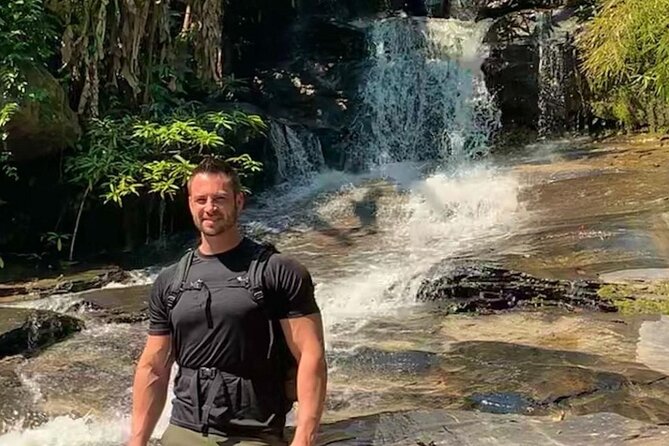
This is not a “stand back and watch” kind of tour. The heart of the experience is skill-building—how people have managed food, water, shelter, and safety in mountain jungle conditions for generations. You’re not just collecting photos. You’re learning practical ideas that translate into confidence outdoors.
You also get something rarer than a performance: cultural learning that’s tied to community-based tourism. The tour is designed around exchange, and it’s framed as supporting sustainable, women-operated initiatives. That matters because it changes how the day feels. You’re interacting with people and routines, not consuming a staged version of them.
The format is also refreshingly simple. Two days. A morning start. A couple of set stops. Then a night in the jungle camp and a second day focused on village life and river time.
You can also read our reviews of more tours and experiences in Northern Thailand.
Getting to Mae Wang: what the 8:00 start means for your day
You’ll start at Chai Lai Orchid Eco Lodge and Cafe in the Mae Sapok area, with a 8:00am start. The tour says pickup is offered, and in practice that usually means you won’t have to independently figure out mountain transport from Chiang Mai.
Why the early start is a big deal: Mae Wang District sits in the mountains about an hour from Chiang Mai, and daylight matters. The schedule builds in time for trekking and skills without rushing too hard. It also helps with comfort—less glare, cooler air, and more time to pay attention to the guide.
The trek’s physical side is real, but it’s not described as extreme. Still, you should have at least moderate fitness. Uneven ground, humidity, and a bit of climbing will do their thing. If you’re carrying extra worries (knee pain, asthma triggers in heat), plan carefully.
Day 1 at Mae Wang Waterfall and Wat Luang Khun Win
Day 1 starts in the mountains and quickly shifts into nature learning.
Mae Wang Waterfall (around 3 hours, ticket included)
This is where the jungle energy kicks in. The waterfall stop is more than scenery time. The tour is set up as a once-in-a-lifetime chance to learn jungle survival skills from an expert Karen guide.
You can expect lessons that touch several survival basics:
- Traditional jungle medicine and how people think about plants and remedies
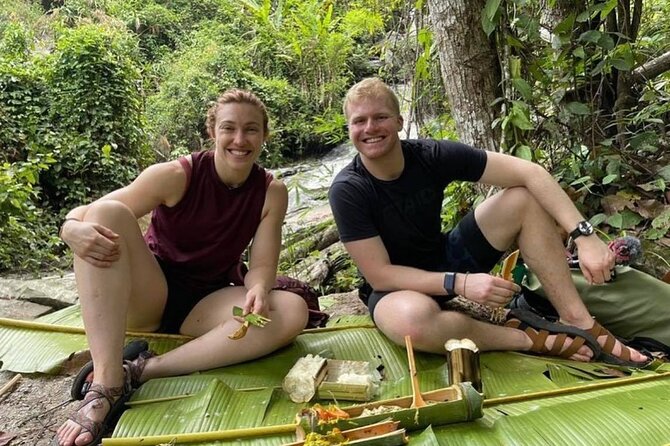
- How to find water in bamboo
- Using a slingshot
- Making utensils from bamboo
That mix is smart. Many “survival” tours teach one trick. Here you get several small building blocks—water, food/making tools, and practical safety thinking. It makes the knowledge feel usable rather than theatrical.
Wat Luang Khun Win (around 1 hour, free)
Then you move to Wat Luang Khun Win, a 700-year-old wood temple complex in the jungle. This stop is shorter, but it gives you a breather from wet heat and trekking.
What I like about adding a temple here: it reminds you that “jungle” isn’t just nature. It’s also where history, spirituality, and community life live together. Plus, the contrast helps you mentally reset before the overnight portion.
Potential drawback: if you’re hoping for maximum time in the jungle camp on day one, your day includes these set stops and skills sessions. The pace is active, so don’t plan to do much sightseeing beyond the tour after.
Mae Wang National Park village life on Day 2 (and why it feels different)
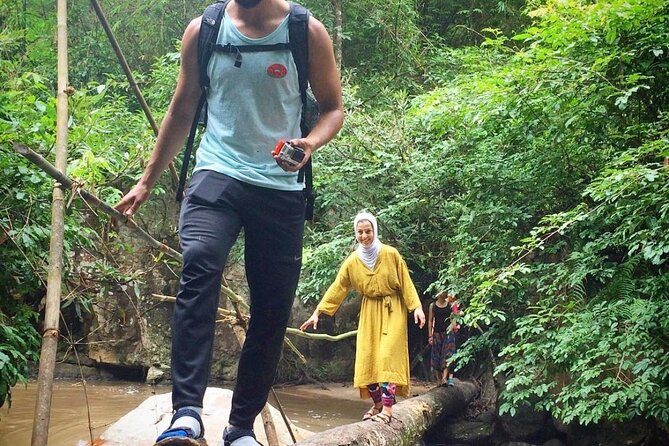
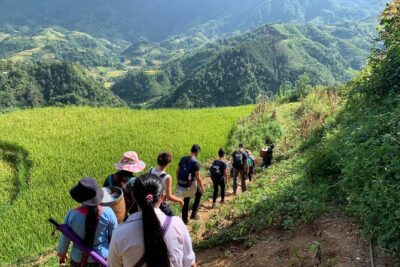
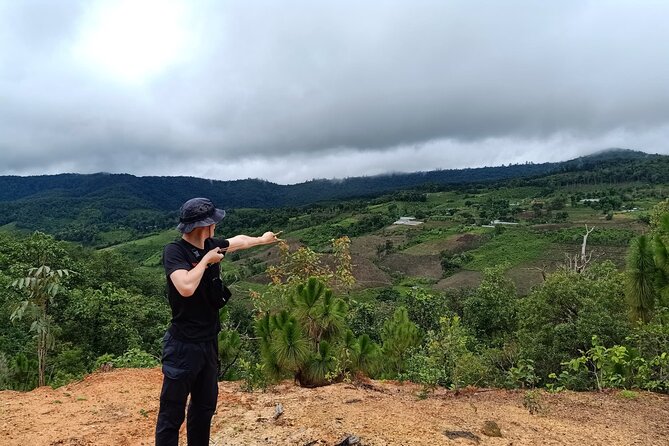
Day 2 is where the cultural learning becomes more direct. You’ll spend time in Mae Wang National Park, focusing on the traditional way of life in a Karen hill tribe village.
Karen houses, animals, and crops (about 4 hours total for the day segment)
The village portion isn’t described as a quick look at structures. It includes how local villagers raise animals, plant crops, and live rurally. That’s important because it connects survival skills to everyday routines.
When survival lessons are grounded in real village work, the knowledge stops feeling abstract. You start seeing the logic: where food comes from, why water matters, and how shelter and tools aren’t just “prepper hacks”—they fit into a way of life.
I also appreciate that the tour emphasizes the shared experience: you’re not just being shown a museum version of village life. You’re learning alongside people who live there, and the overnight plan reinforces that.
Bamboo rafting on the Mae Wang river: the fun reset
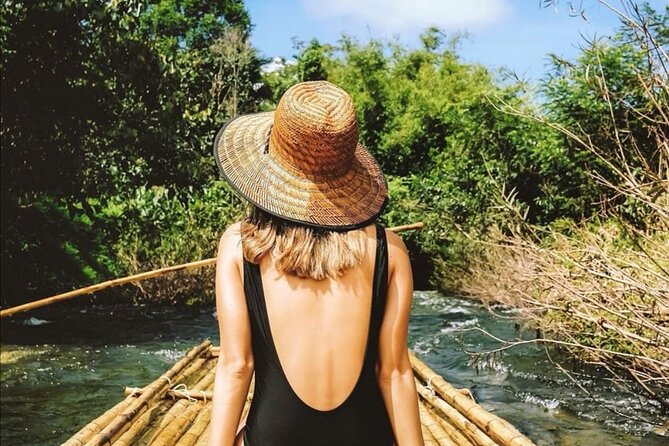
After the village time, the schedule includes bamboo rafting on the Mae Wang river. This is a practical break, too. You’ve been learning and hiking; now you cool off and shift gears.
Why it works for most people:
- It’s active, but not skill-quiz stressful.
- It connects you to the river landscape you’ve been hearing about.
- And it makes the second day feel complete, not just classroom-style.
One thing to plan for: you’ll likely get wet. The tour is not positioning this as dry, delicate comfort time. Wear clothes you don’t mind getting damp, and keep in mind humidity can make “wet” feel colder at first and sweatier fast after.
What you’ll learn: survival skills you can repeat back home
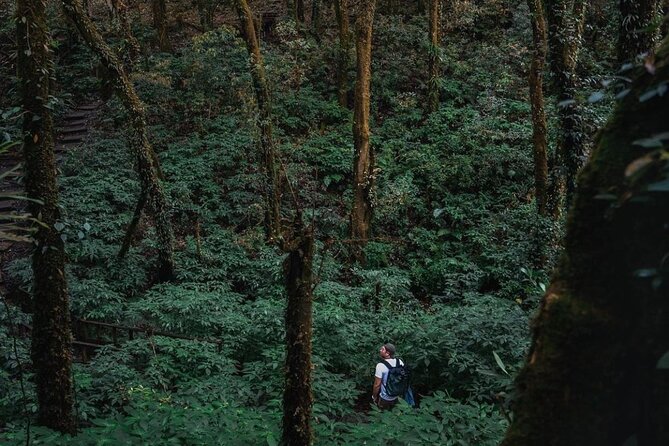
This tour is built around a bundle of small, teachable ideas. The value isn’t one big wow moment—it’s the way the day stacks practical lessons.
Here are the skill categories you should expect based on the tour activities:
- Edible plants: guidance on identifying what can be eaten in the jungle setting
- Jungle medicine basics: traditional approaches to plant-based remedies
- Water finding in bamboo: how to think about getting water using local materials
- Tools and utensils from natural fibers/bamboo: making everyday items from what’s around you
- Shelter building: learning core shelter concepts for mountain jungle conditions
- Bamboo rafting technique basics: enough to handle a raft session safely on the river
The slingshot lesson is also notable. It’s not something you’d pick up casually on a standard day tour. Having instruction makes it more than a gimmick.
A quick reality check: this is a beginner-friendly trek focused on essentials. You shouldn’t expect it to turn you into a full survival instructor. But you will leave with a toolkit of ideas—especially about how indigenous knowledge treats the jungle as a living system rather than a threat.
The jungle camp night: comfort expectations (and smart packing)
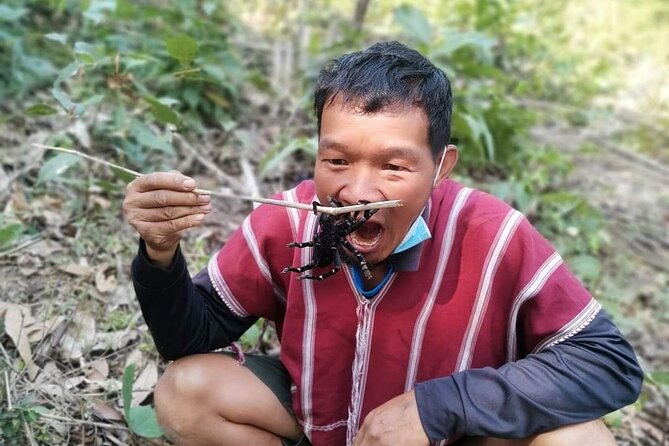
The tour includes an overnight accommodation in a jungle camp setting, plus dinner and breakfasts. You also share a meal with tribe members, which is one of the most meaningful parts of the trip.
What to expect from the overnight piece:
- It’s designed for you to unplug from modern civilization and connect with local heritage through shared time.
- You’ll be living in a jungle environment where sweat, insects, and wet air are normal.
- Clothing will get tested. Even if you’re careful, trekking plus rafting can leave you damp.
The best practical advice is to pack for change. Bring a couple of changes of clothes, and strongly consider a bathing suit. If you hate the feeling of staying damp, you’ll want a dry layer plan from day one onward.
Food is included: dinner is a two-course meal, plus lunch and breakfast. That’s helpful because it removes the need to search for places to eat after a physical day.
Price and value: why $81 can make sense here
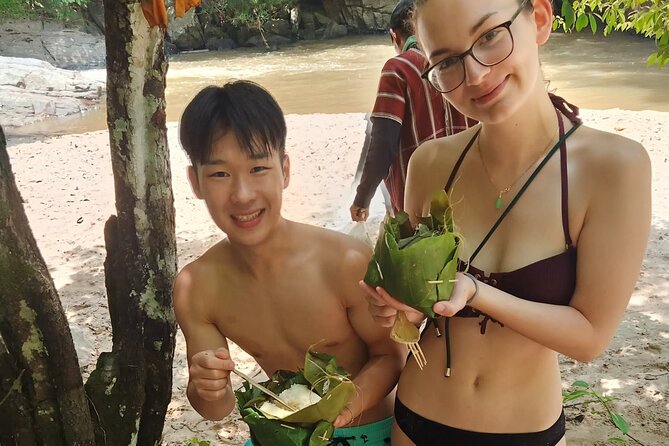
At $81 for roughly two days, this isn’t the kind of price you see with an overnight cultural program that includes lodging and all meals. Even better, it lists a lot of what’s typically extra as included: accommodation, dinners, breakfasts, lunches, bottled water, and local taxes, plus the core activities.
That matters for planning. You won’t be doing a mental math puzzle every time someone mentions a cash-only purchase.
What you’re really paying for is:
- Guided instruction in survival skills
- Access to Karen village learning time
- Transportation between the key stops in the Mae Wang area (with pickup offered)
- The overnight camp and meals
One caution on value: this is a private tour/activity, meaning you’re only in your group. That can be wonderful for comfort and flexibility. But private formats can mean your “best deal” depends on group size. If you’re booking solo or as two people, confirm how the pricing works for your party.
Who this trek is best for (and who should skip it)
This works well if you want:
- A hands-on nature and culture experience, not a passive photo tour
- A two-day break from city life with clear structure and included meals
- Learning that connects survival skills to real community routines
It may not fit if you:
- Want a super polished, hotel-style comfort level
- Have limited flexibility for getting wet and hiking on mountain terrain
- Are looking for a long, flexible itinerary with lots of free time
Kids can join, but the tour states children must be accompanied by an adult. And service animals are allowed, so if that applies to you, plan based on your group’s needs.
Should you book the Jungle Wisdom Survival Trek?
If you’re in northern Thailand and you want something real—skills, stories, and a night that feels like you followed someone’s daily logic rather than ticking off attractions—this is an easy “yes.” The survival skills focus, the village learning in Mae Wang National Park, and the included bamboo rafting are a strong trio for a two-day program.
Book it if you’ll take the jungle seriously and you’re okay with getting sweaty and wet. If you’re expecting luxury, stay home and do the waterfall on a day trip. But if you can handle basic outdoor conditions, this trek gives you a lot of learning per hour—and it does it in a way that supports community-based tourism.
FAQ
How long is the Jungle Wisdom Survival Trek?
The tour is listed as 2 days (approximately).
Where does the tour start, and what time?
It starts at Chai Lai Orchid Eco Lodge and Cafe and begins at 8:00am.
Is pickup offered?
Yes, pickup is offered.
What activities are included across the two days?
You’ll do jungle survival lessons (including edible plants and jungle medicine concepts), visit Mae Wang Waterfall and Wat Luang Khun Win, spend time in a Karen hill tribe village in Mae Wang National Park, and go bamboo rafting.
What meals and lodging are included?
Dinner, overnight accommodation, breakfasts (2), and lunches (2) are included, along with bottled water and coffee/tea.
Are there vegetarian options?
Yes. A vegetarian option is available—advise at booking if needed.
Is alcohol included?
No. Alcoholic drinks are available to purchase.
Can I get a refund if I cancel?
Free cancellation is available. You can cancel up to 24 hours in advance for a full refund. If you cancel less than 24 hours before the start time, you won’t receive a refund.