REVIEW · KATHMANDU
Annapurna Circuit Trek
Book on Viator →Operated by Glorious Himalaya Trekking Pvt. Ltd. · Bookable on Viator
One big mountain commute later, you’re walking into real Nepal. This guided Annapurna Circuit trek trades planning stress for private, on-the-ground support and the satisfaction of crossing the Thorong La Pass at your own pace. I like that your day-to-day rhythm is yours, but the heavy lifting—permits, transfers, and meal planning—gets handled. The main thing to consider is that this route demands solid conditioning and your experience depends on mountain weather.
You’ll get two major wins right away: careful logistics (airport to hotel, long drives, and final drop-off) and trekking comfort that’s more than just a bed—full-board meals on the trail plus tea-house/lodge stays in twin sharing. I also appreciate the flexibility angle: it’s described as customizable to your needs, so your guide can shape pacing and some choices along the way. If you’re hoping for high-tech amenities, plan to go old-school—no mention of Wi‑Fi or hot showers during the trek, and extra items like mineral water and charging aren’t included.
That combination—organized but not robotic—makes this a strong pick if you want the Annapurna Circuit experience without acting like a logistics manager. One caution from a short 5/5 note I saw: someone felt staff/guide training could be improved, so it’s smart to ask clear questions early and set expectations on pacing and safety.
In This Review
- Key things that make this Annapurna Circuit trek worth your attention
- Why a guided Annapurna Circuit feels different (and easier)
- Price and value: what $1,150 actually buys you
- Who this trek suits best (and who should think twice)
- The day-by-day rhythm: what each stage feels like
- Day 1: Airport arrival, hotel transfer, and briefing
- Day 2: Ride to Syange, then settle into the trail mindset
- Day 3: Dharapani walk with bridge crossings and steady effort
- Day 4: Chame via steep ridges, woods, and landslide awareness
- Day 5: Trekking caution on a narrow, steep route
- Day 6: Manang Valley day—Upper Pisang to a dream destination pace
- Day 7: Rest day in Manang with optional short hikes
- Day 8: Higher altitude day—Tenki, Marshyangdi Valley, and stream-side walking
- Day 9: Thorang Phedi and prep for the pass
- Day 10: Thorong La Pass (5,416 m) and the descent toward Muktinath
- Day 11: Long transfer to Pokhara—Muktinath to lakeside recovery
- Day 12: Pokhara rest day to explore at your own speed
- Day 13: Return to Kathmandu by tourist bus or optional flight
- Day 14: Departure day drop-off to the international airport
- Lodging, meals, and what to expect on the trail
- Guides, safety, and altitude reality checks
- How the transfer plan reduces your stress (and why it matters)
- Should you book this Annapurna Circuit trek?
- FAQ
- What is the duration of the Annapurna Circuit trek in this package?
- What is included in the price?
- Is pickup offered from the airport?
- How many nights are spent in Kathmandu and Pokhara?
- Are trekking meals included?
- Do I need to arrange permits for the trek?
- Is there a porter included?
- What kind of lodging is used during the trek?
- Is the itinerary private or shared?
- Is cancellation allowed if weather is bad?
Key things that make this Annapurna Circuit trek worth your attention
- Permits and entrance fees handled: you’re covered for the essential paperwork and access costs.
- Full-board on the trek: breakfast, lunch, and dinner while you’re trekking (with tea-house style lodging).
- Guide-led, private group flexibility: you’re not stuck moving at someone else’s pace.
- Long transfers included: Kathmandu to the trek start area, plus Muktinath to Pokhara and back to Kathmandu.
- Manang Valley + Thorong La focus: the hardest day is guided and paced for trekkers.
- Pokhara rest time: a built-in day to slow down after the trail.
Why a guided Annapurna Circuit feels different (and easier)
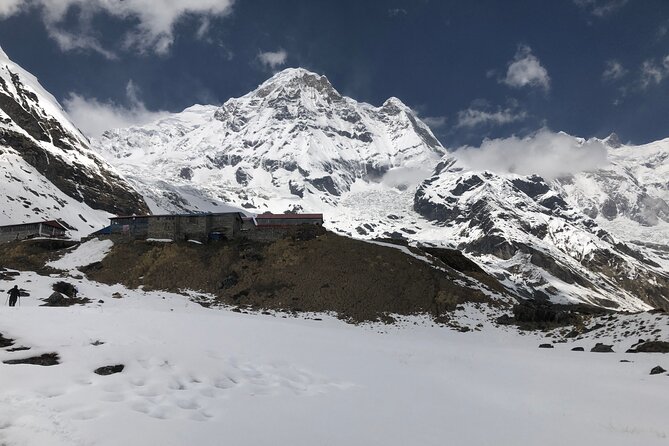
The Annapurna Circuit is popular for a reason: you get a high-altitude story arc that swings from village trails into big mountain country, then back down through communities with their own rhythms. The tricky part is that it’s not a “wing it” trip. Altitude, weather, and route timing matter.
That’s where a guided setup helps you. Your guide isn’t just there to point at a trail. You’re told trekking permits and entrance fees are included, which matters more than many first-timers realize. Paperwork delays can ruin momentum, and scrambling for the right access at the wrong time is the opposite of a relaxing vacation.
Also, the route is “private” in the sense that only your group participates. That doesn’t mean private equals luxury, but it does tend to improve pacing. On an acclimatization-heavy trek, being able to move by feel—not by crowd pressure—makes a difference when your legs start negotiating.
One more practical point: this package includes airport and hotel transfers by private vehicle, and then uses tourist bus/jeep for longer ground legs. That mix is common in Nepal, and it’s usually the right balance of convenience and cost.
You can also read our reviews of more tours and experiences in Kathmandu.

Price and value: what $1,150 actually buys you
At $1,150 per person, this isn’t “cheap trekking,” but it’s also not priced like a premium private-porter expedition. The value shows up in what you’re not forced to arrange yourself:
- Your guide is included (one professional trekking guide).
- Permits and entrance fees are included.
- Lodging during the trek is included (tea houses/lodges, twin sharing).
- Food planning is handled: full-board meals while trekking.
- Major transfers are built in: Kathmandu to Besishar (tourist bus), Pokhara to Kathmandu (tourist bus), plus private airport/hotel transfers.
If you were to DIY, you’d likely spend time coordinating permits, finding lodging patterns that match your pacing, and arranging long drives/jeeps. This package compresses that work into a single plan. You still do the hard part—walking high, paying attention to altitude, and staying flexible—but the admin burden is reduced.
The tradeoff is that you’re not getting everything you might expect from a “fully escorted luxury tour.” Alcohol, Wi‑Fi, charging, mineral bottle water, and hot showers are listed as not included. You’ll also need to budget tips for the guide (not included), and plan your own meals in Kathmandu and Pokhara hotel stays.
Who this trek suits best (and who should think twice)
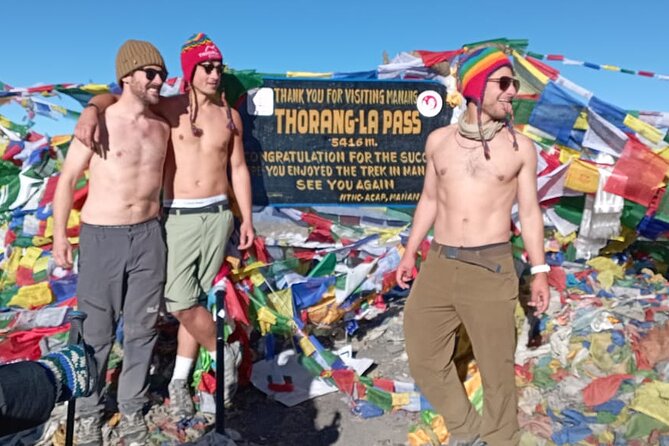
This trek states a moderate physical fitness level is expected. In real terms, that usually means you’re comfortable walking most days, handling steep trail sections, and you’re not new to multi-hour hiking at altitude.
It’s a good fit if:
- You want a guided Annapurna Circuit and prefer fewer decisions.
- You like the idea of reaching Thorong La Pass with someone managing safety and pacing.
- You want the cultural stopovers along the route rather than racing through.
You should think carefully if:
- You’re highly sensitive to altitude and don’t have time to acclimatize.
- You expect constant creature comforts (hot shower, reliable electricity, Wi‑Fi) during the trek. The info here points the other way.
- Your group needs a lot of solo flexibility. This is private, but it’s still a shared itinerary with guided timing and planned transfers.
The day-by-day rhythm: what each stage feels like
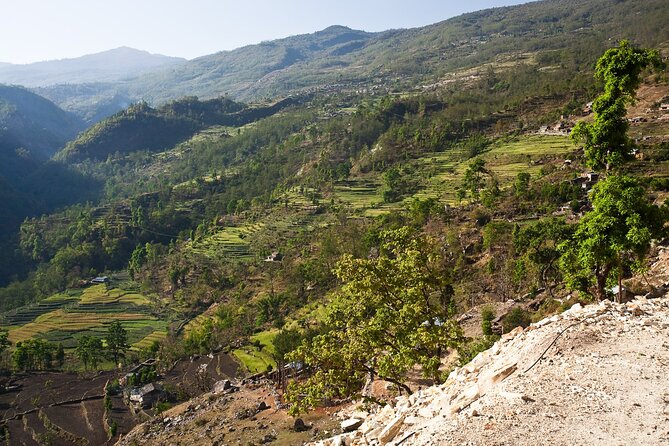
Day 1: Airport arrival, hotel transfer, and briefing
You meet an office representative at Tribhuvan Airport in Kathmandu, get transferred by private vehicle to a hotel, and then your guide gives a short Annapurna Circuit briefing. This matters more than it sounds: it’s your chance to confirm what gear you’ll be using, understand how your days might be structured, and ask questions before you start climbing.
I like that the plan keeps you from immediately trying to navigate transit on your own. After a flight, your job is recovery, not route-finding.
Day 2: Ride to Syange, then settle into the trail mindset
You’ll drive to Syange with an 8–9 hour ride. The good news is that the itinerary calls out that it shouldn’t feel hectic, but it is still a long transfer day. Hydration and rest are the theme here.
This is also a psychological day. Even before you hike, you’re already switching from city pace to trail pace. I’d use the evening to sleep early and keep your expectations simple: tomorrow starts walking.
Day 3: Dharapani walk with bridge crossings and steady effort
Today you begin walking toward Dharapani, with about 7–8 hours on the trail. There’s a bridge crossing included along the way, and it’s a reminder that small “infrastructure” moments become big deal when you’re tired.
The listing suggests sunny exposure on the walk. That’s a real thing on Nepal trekking routes: sun can drain you faster than you expect, especially while you’re gaining elevation. Plan for sun protection even if the day starts cool.
Day 4: Chame via steep ridges, woods, and landslide awareness
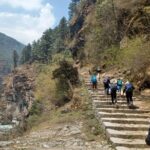
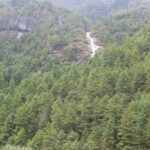
You hike to Chame (around 6 hours). The route description highlights steep ridges sheltered by green woods and mentions landslides in the area. That’s not there to scare you—it’s there to signal that you should stay alert and rely on your guide’s judgment on trail conditions.
This day is often where you learn how your trekking rhythm works: how long you need between breaks, and whether you’re pacing too hard. Guided trekking shines when you don’t push your ego.
Day 5: Trekking caution on a narrow, steep route
The day continues with an initial trek described as valley hiking with narrow, steep segments that require full caution. You also pass a rock feature at Paungda Danda rising to around 1500m (as described in the route notes).
Short version: it’s a day to take your time. If you’re prone to rushing, you’ll feel it in your legs later.
Day 6: Manang Valley day—Upper Pisang to a dream destination pace
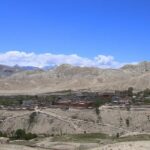
You walk for about 7 hours to Manang, moving through Upper Pisang. This is where the Annapurna Circuit starts feeling more “big world.” The itinerary directly frames Manang as a dream destination and positions today as a key transition.
If you’re trying to understand the value of Manang as a rest/acclimatization hub, it’s simple: you’re moving into a high-altitude culture and terrain shift. You’re not just changing elevations—you’re changing atmosphere.
Day 7: Rest day in Manang with optional short hikes
You rest in Manang and can roam with short hiking options, including:
- Bonjo Gumba
- Gangapurna Lake
(An additional option is hinted at but not fully listed.)
This is a smart move in an itinerary built around Thorong La. A real rest day isn’t “do nothing”—it’s “do light movement” so your body adapts. If you feel good, choose one shorter option and come back early. If you feel off, keep it easy and focus on sleep.
Day 8: Higher altitude day—Tenki, Marshyangdi Valley, and stream-side walking
You continue ascending, crossing a village of Tenki and passing through the Marshyangdi Valley region northwestern of Jharsang Khola (as described). The trail passes a small stream, juniper trees, and the Ghunsa Village area is mentioned.
What I’d take from this: you’re getting variety—trees, water, and village life—during the climb. That can help with morale when the altitude starts feeling heavier.
Day 9: Thorang Phedi and prep for the pass
You wake up, have breakfast, and ascend to Thorang Phedi. You cross a suspension bridge to Lather Village, then move through cliffs toward the Thorang La pass area.
This day is largely about position and readiness. Even if your legs feel okay, the altitude can be sneaky. Take breaks early, keep your breathing steady, and don’t try to win a race you didn’t enter.
Day 10: Thorong La Pass (5,416 m) and the descent toward Muktinath
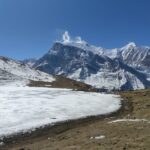
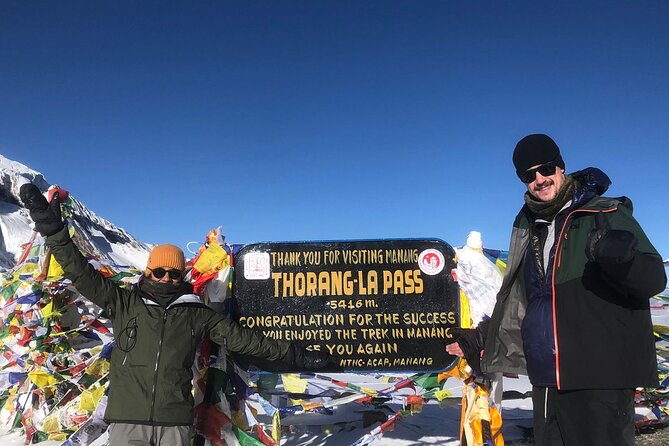
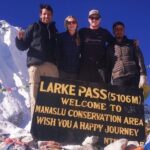
Today is the real high point, described as crossing Lhorang La Pass at 5,416 m, then heading to the Western side with Muktinath Temple as a destination. Expect a long day (about 8 hours).
This is where guided pacing matters most. Your pass crossing is not just a physical test—it’s a decision-making moment: how you move, how you hydrate, and how you listen to your body. When conditions aren’t perfect, experience and local judgment matter.
Muktinath is a powerful finish for this section. You’re ending a tough day, and your body finally gets to shift into descent rhythm.
Day 11: Long transfer to Pokhara—Muktinath to lakeside recovery
After breakfast, you drive to Pokhara from Muktinath by bus/jeep (about 10 hours) on sharing with others.
This is not a scenic recovery walk day. It’s a sit-and-recover day. If you’re the type who hates long rides, bring something to pass the time and plan to stretch on arrival. Your legs will thank you.
Day 12: Pokhara rest day to explore at your own speed
You have a full rest day in Pokhara and can explore the valley yourself. This is where you cash in the hard work from the trek. Eat something you actually crave. Sleep without an alarm. If you want gentle activity, choose short and easy.
Day 13: Return to Kathmandu by tourist bus or optional flight
Today you travel to Kathmandu by tourist bus (about 7 hours), or take a flight from Pokhara to Kathmandu for an extra charge. Then you’re transferred to your Kathmandu hotel inclusive of breakfast.
I like having the option here. If your timing is tight, flying can save your energy. If you want a more relaxed day, the bus works—just accept that it’s still a day of travel.
Day 14: Departure day drop-off to the international airport
You get a transfer to the international airport with enough time to catch your flight, plus a safe-journey prayer as part of the wrap-up (as described).
It’s a simple ending, which is exactly what you want after a trek that already asked everything from you.
Lodging, meals, and what to expect on the trail
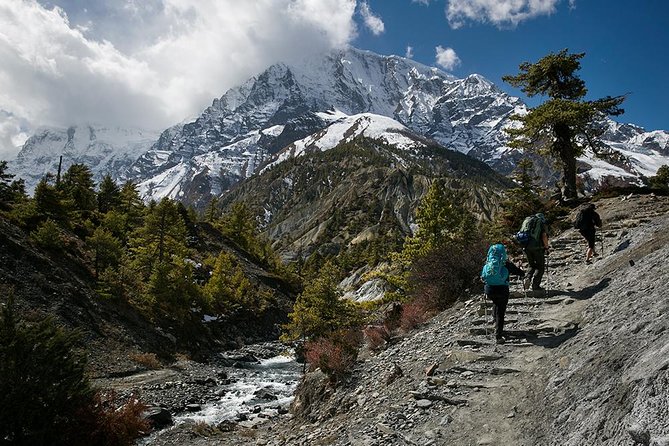
The trekking portion uses lodges/tea houses with twin sharing accommodations. That’s a common model on the Annapurna Circuit: you trade luxury for convenience and reliable access along the route.
Meals while trekking are full board: breakfast, lunch, and dinner. That’s a big deal. When you’re at altitude, deciding what to eat can become exhausting. With meals handled, you can focus on moving.
Also note what’s not included: hot showers and Wi‑Fi during the trek are explicitly not part of the package. Electricity and charging can be limited depending on the lodge. If you rely on your phone for navigation or communication, plan accordingly.
Guides, safety, and altitude reality checks
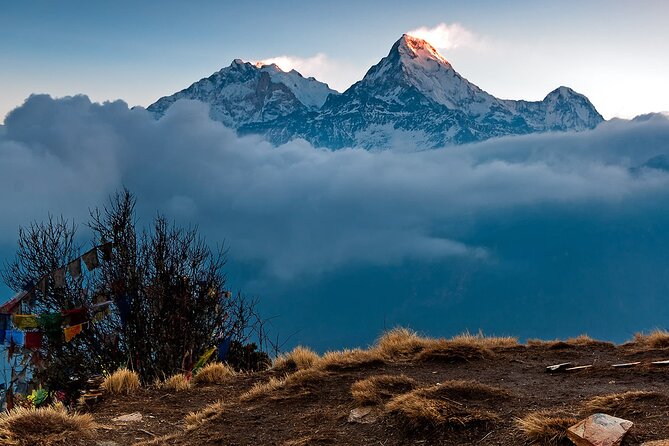
This trek includes one professional trekking guide. The goal is to help you stay safe and understand Nepal. The route itself mentions caution points (narrow steep valley segments, landslide awareness), and that’s exactly where a guide earns their keep.
A practical way to make the guide work for you: ask early about your pacing plan for Thorong La and what you’ll do if weather changes. The itinerary stresses that crossing the pass is a key moment; guides should handle that with smart judgment and not just speed.
From the small negative note I saw—staff/guide training could be improved—I’d also encourage you to do your part: communicate clearly if you’re feeling symptoms, slow down early when needed, and don’t treat discomfort as something to ignore.
How the transfer plan reduces your stress (and why it matters)
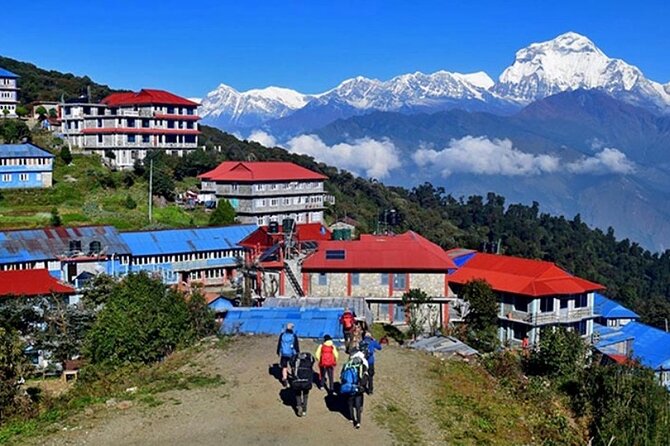
The package includes:
- Airport to hotel transfers by private vehicle on arrival days
- A tourist bus transfer for long range ground transfers (Kathmandu to Besishar and Pokhara to Kathmandu)
- Bus/jeep drive from Muktinath to Pokhara
This matters because the Annapurna Circuit isn’t only about walking. You spend serious time getting to the trailhead and returning. Having that handled helps your trip feel like one cohesive plan instead of separate adventures.
Should you book this Annapurna Circuit trek?
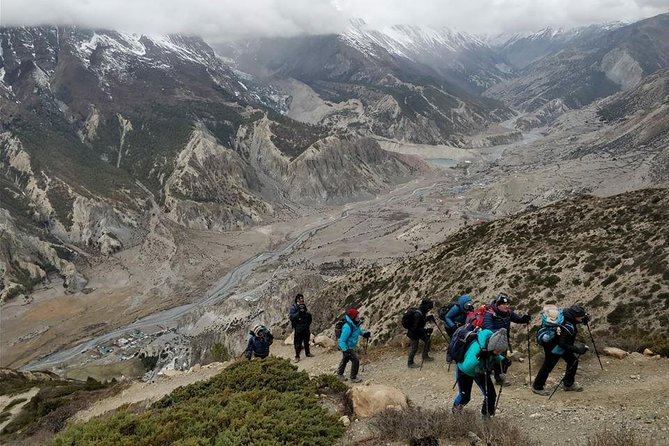
Book it if you want a guided, organized Annapurna Circuit with permits included, full-board meals, and the practical comfort of hotel stays in Kathmandu and Pokhara. It’s especially attractive if you’d rather put your energy into your walking than into planning documents, arranging transfers, and guessing what’s open where.
Think twice if you need lots of comforts like hot showers or constant charging/Wi‑Fi, or if you have low tolerance for altitude and long travel days. Also, since one comment pointed to training consistency issues, you’ll want to ask enough questions before the trek starts so you and your guide are aligned on pacing and safety.
If you’re the type who likes real mountains, real villages, and a plan that helps you breathe—this is a solid way to do the Annapurna Circuit.
FAQ
What is the duration of the Annapurna Circuit trek in this package?
It runs for 14 days approximately, including trekking days plus hotel time in Kathmandu and Pokhara.
What is included in the price?
The price includes a professional guide, trekking permits and entrance fees, accommodation in tea houses/lodges during the trek, full-board meals during the trek, hotel stays in Pokhara and Kathmandu with breakfast, and transfers between Kathmandu, the trek route, and Pokhara.
Is pickup offered from the airport?
Yes. An office representative meets you at Tribhuvan Airport in Kathmandu and transfers you to your hotel by private vehicle.
How many nights are spent in Kathmandu and Pokhara?
You get 2 nights in Pokhara and 2 nights in Kathmandu, each with hotel accommodation and breakfast included.
Are trekking meals included?
Yes. During the trek you get breakfast, lunch, and dinner (full board). Meals in Kathmandu and Pokhara hotel stays are not included.
Do I need to arrange permits for the trek?
No. Trekking permits and area entrance fees are included.
Is there a porter included?
No. A porter is not included.
What kind of lodging is used during the trek?
Accommodation is in lodges/tea houses with twin sharing while trekking.
Is the itinerary private or shared?
It’s private in the sense that only your group participates. However, some transport like the Pokhara transfer is described as sharing with other people.
Is cancellation allowed if weather is bad?
The experience requires good weather, and it notes that if canceled due to poor weather, you’ll be offered a different date or a full refund.