REVIEW · KATHMANDU
12 Days Annapurna Circuit Trek from Kathmandu
Book on Viator →Operated by CAN Travels · Bookable on Viator
High passes and villages, one steady plan. This trek takes you from green Marshyangdi Valley trails up toward drier, windier high country, with big-name views like Annapurna, Dhaulagiri, Manaslu, and the Thorong La Pass (5,416m). You also move through local worlds—Gurung, Manangi, and Tibetan communities—where monasteries, stupas, and village life are part of the rhythm, not just a stop.
I like that the planning covers both logistics and people: you get a friendly English-speaking guide (many guides like Biru, Milan, Amrit, and Krishna show up in strong participant feedback), and the trip leans on cultural explanation, not just marching. I also like the practical inclusions: Kathmandu hotel pickup/drop-off, trekking permits and official documents, guesthouse lodging during the trek, and even trekking poles for each person.
One thing to consider is the physical load. You should be ready for long days (including an 8–9 hour push on the way to Muktinath), plus altitude and sometimes strong wind, and budget for food and drinks since they are not included (about US$25 per day), along with optional gratuities.
In This Review
- Key Points That Make This Annapurna Circuit Trek Work
- From Thamel to the High Pass: What You’re Actually Signing Up For
- Day-by-Day: The Annapurna Circuit Pace, Stop by Stop
- Day 1: Land in Kathmandu, Then Settle Into Thamel
- Day 2: Road to Chame via Besisahar, With River Views Along the Way
- Day 3: Upper Pisang to the Start of Upper Manang Trails
- Day 4: Trek Into Braga, a Tibetan-Style Village
- Day 5: Manang Acclimatization Day (Rest, Then Stay Active)
- Day 6: Yak Kharka to Alpine Pastures and Juniper Country
- Day 7: Thorong Phedi and the Slow Build Toward the Pass Zone
- Day 8: The Long, Demanding Push Toward Muktinath
- Day 9: Jomsom in the Kali Gandaki Valley, Past Kagbeni
- Day 10: Drive to Pokhara via Tatopani and Beni Bazaar
- Day 11: Pokhara Back to Kathmandu, With That Post-Trek Quiet
- Day 12: Airport Transfer and Time to Plan the Next Trip
- Guides, Safety, and Why Their Role Matters on a Pass Route
- What’s Included (and What You’ll Need to Budget For)
- Altitude Reality: Acclimatization Days and High-Wind Considerations
- Culture Stops Aren’t Side Quests Here
- The Price Question: Does US$680 Feel Fair?
- Who This Trek Fits Best
- Should You Book This 12-Day Annapurna Circuit Trek?
- FAQ
- What time does the trek start?
- Will I be picked up and dropped off in Kathmandu?
- Is the guide English-speaking?
- Are trekking permits included?
- Where will I stay during the trek?
- Are meals included in the price?
- How does transportation work between stops?
- Is this a group tour or private?
- Does the price include trekking poles?
- What’s the cancellation refund timeline?
Key Points That Make This Annapurna Circuit Trek Work
- English-speaking Sherpa guides who focus on trail safety and also explain culture and mountain context
- Thru-days with clear pacing: acclimatization in Manang and gradual altitude build-up toward the high pass
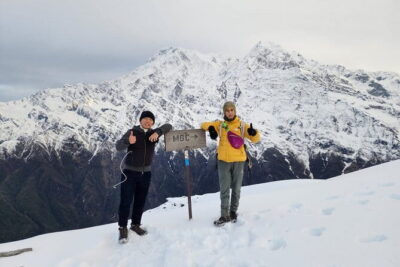
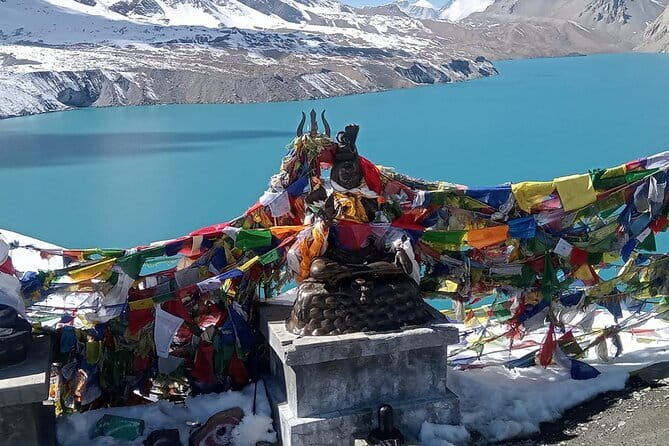
- Big high-country moments: Yak Kharka pastures, Thorong Khola area teahouse, and the route culminating around Thorong La
- Culture along the trail: Tibetan-style village life in Braga plus monasteries and Buddhist sites on the way
- Comfort included where it counts: Kathmandu 2 nights and Pokhara 1 night with breakfast, plus guesthouses during trekking
- Simple budgeting from day one: permits and documents covered; meals and drinks are the main add-on
From Thamel to the High Pass: What You’re Actually Signing Up For
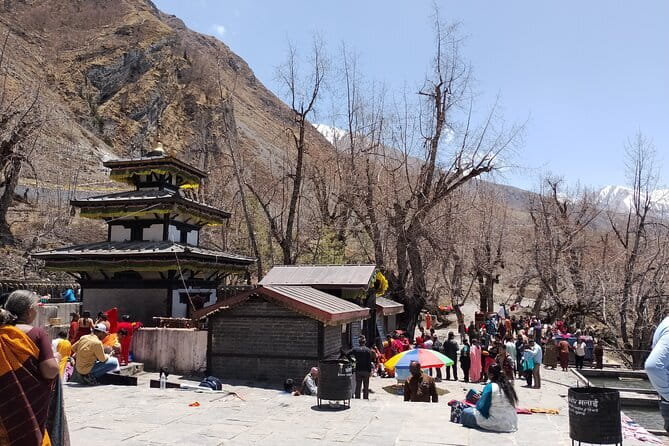
The Annapurna Circuit is famous for a reason: it’s a route that changes your surroundings fast, almost like you’re flipping pages. One day you’re moving through greener valley farmland; the next you’re walking in higher, drier air with a very different feel to the mountains and the sky.
This specific 12-day version is built to do that well. You start in Kathmandu’s Thamel (a classic base area), then you work your way up through the Marshyangdi Valley region toward Manang. From there, you cross the higher terrain associated with Thorong La and then angle down toward Muktinath, the Kali Gandaki Valley, Jomsom, and eventually Pokhara. You’ll also spend meaningful time learning local culture with stops that include monasteries, Buddhist stupas, and traditional villages.
You can also read our reviews of more tours and experiences in Kathmandu.
Day-by-Day: The Annapurna Circuit Pace, Stop by Stop
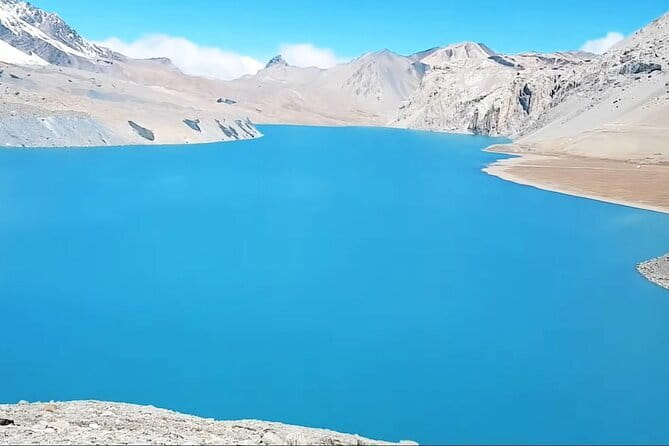
Day 1: Land in Kathmandu, Then Settle Into Thamel
After you arrive at Tribhuvan International Airport, a Sherpa Expedition & Trekking representative meets you and transfers you to your hotel by private vehicle. You check in, get sorted, and you’re in position for an easier start the next day.
This matters more than it sounds. When you’re trekking for 12 days, getting sleep and food sorted in Kathmandu helps your altitude game later. Thamel is also practical—you can usually find what you need without turning your first day into an errand marathon.
Day 2: Road to Chame via Besisahar, With River Views Along the Way
Day 2 is a long but scenic road day. The drive crosses rivers like the Trishuli and the Marsyangdi, where you may see rafting activity, and you continue through Besisahar to reach Chame.
If you dislike sitting in a vehicle for most of the day, this is the tradeoff you make for getting deep into the route without wasting trekking time. Bring water, plan for bumps, and keep your layers handy—driving can be warm, then suddenly cool.
Day 3: Upper Pisang to the Start of Upper Manang Trails
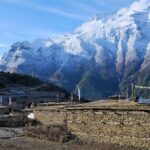
You leave Chame and travel toward Upper Pisang, passing Telekhu along the way. The trek segment includes views of the Annapurna range and Mt. Pisang (6,091m), plus the feel of early high-country travel as you re-cross a suspension bridge on the route.
This is a good day to get into the trekking mindset without going too extreme too fast. It’s still active, but it’s not the brutal end of the climb.
Day 4: Trek Into Braga, a Tibetan-Style Village
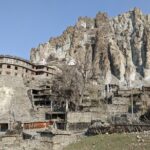
Today you trek to Braga, described as a Tibetan village with distinctive architecture—houses built up on each other. Braga adds a strong cultural layer to the trek, because it helps you see how architecture adapts to the high-altitude environment and a colder climate.
Trekking into a village like this is different from just passing through a viewpoint. You get the chance to see everyday life up close, including how people live, work, and keep traditions alive.
Day 5: Manang Acclimatization Day (Rest, Then Stay Active)
From Manang, you’re given time to acclimatize. The emphasis is staying active while you adjust to higher elevations, which is exactly what you want before committing to the steep, higher segments.
This day often makes or breaks how you feel later. Even if you feel good on day 5, you’re buying safety and comfort for the pass days that follow.
Day 6: Yak Kharka to Alpine Pastures and Juniper Country
You trek to Yak Kharka after a climb of about 10.4 km uphill. The route passes through juniper forests and you may see yak grazing in alpine pastures. You’ll also pass the only teahouse at Thorong Khola (as described in the itinerary), which is a neat little detail: it’s a reminder that in these elevations, services can be sparse.
On a practical level, this is where you’ll notice the trail shifting. The air feels thinner, and the walking becomes more about steady effort than speed. If you keep your pace controlled, the rest of the trip feels more manageable.
Day 7: Thorong Phedi and the Slow Build Toward the Pass Zone
You slowly ascend as your body gets used to altitude. The route follows along the east bank of the Jarang Khola and features steep bluffs before reaching Thorong Phedi (which the itinerary explains means foot of the pass).
This day is valuable because it’s not trying to force a big breakthrough. Instead, it positions you near the pass area so you can handle the high point with better preparation.
Day 8: The Long, Demanding Push Toward Muktinath
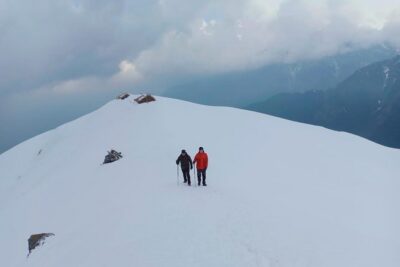
Today is one of the physically demanding days, with trekking time between 8 and 9 hours. The higher altitude makes it harder, and the itinerary also notes that strong winds can be a factor.
I like how this is framed honestly. If you go into a long high-altitude day thinking it will feel casual, you’ll be disappointed. If you expect effort and wind, you’ll be calmer and you’ll enjoy the payoff more.
Day 9: Jomsom in the Kali Gandaki Valley, Past Kagbeni
After leaving Muktinath, the route goes through lush meadows, orchards, and streams. You also pass the village of Kagbeni before reaching Jomsom in the Kali Gandaki Valley. Kagbeni is specifically named as having a reputation, which usually translates into a place with strong local character and a scenic setting.
This day can feel like a relief after high elevation. Still, you’ll be walking in a real mountain environment, so don’t treat it like an easy stroll.
Day 10: Drive to Pokhara via Tatopani and Beni Bazaar
You switch from trekking to a road transfer: a local bus drive of about 7–8 hours, reaching Tatopani via Beni Bazaar and then continuing to Pokhara. Pokhara is known for its lake (the itinerary names Phewa Tal) and is popular with travelers for good reason—there’s more relaxation energy here.
Pokhara is a smart place to breathe and reset. You’re far from Kathmandu now, but you’re also away from the most severe trekking schedule.
Day 11: Pokhara Back to Kathmandu, With That Post-Trek Quiet
You head back to Kathmandu by drive, around 7–8 hours. The itinerary frames it as a return filled with memories of Nepal’s geography and village life.
This is a nice closing day if you approach it as decompression. If you try to pack too much sightseeing into day 11, you may feel it in your legs.
Day 12: Airport Transfer and Time to Plan the Next Trip
On your last day, Sherpa Expedition & Trekking takes you to the airport at least three hours before your flight. It’s the kind of detail that reduces stress, especially after an altitude trek when you want your body and schedule to feel simple.
Guides, Safety, and Why Their Role Matters on a Pass Route
A big part of this trek is trust in the people leading it. The trip is guided by experienced Sherpa guides who are described as knowledgeable about the trails and also passionate about sharing history, culture, and natural wonders of the Annapurna region.
In the participant feedback names like Biru, Milan, Amrit, and Krishna come up with strong approval, especially for explaining mountain culture and adjusting pace to fit the group. That last part is important. On a route like this, pace can be the difference between feeling steady and feeling drained.
If you’re trying to choose between trekking outfits, look for the same pattern: guides who talk, guide who manage pace, and guides who care about safety. On the day you’re dealing with high altitude and wind, “care” is a survival skill, not a nice-to-have.
What’s Included (and What You’ll Need to Budget For)
For a trek priced at US$680 per person, the value is mostly about what’s handled for you. Included items cover:
- Hotel pickup and drop-off round trip
- English-speaking trekking guide
- Trekking permit and official documentation
- Kathmandu 2 nights and Pokhara 1 night with breakfast
- Guesthouse accommodation during the trek
- Round-trip transfers by shared bus according to the itinerary
- Private tour (only your group participates)
- Trekking pole per each one
What’s not included is where most surprises happen, so it’s worth planning early:
- Food and drinks (available for purchase, about US$25 per day)
- Gratuities (optional)
For most people, this makes budgeting straightforward: your main choice is how much you want to spend on meals and drinks, plus whether you want to tip beyond the included guide service.
Altitude Reality: Acclimatization Days and High-Wind Considerations
Altitude is the silent factor behind how enjoyable (or miserable) a trek feels. This itinerary explicitly includes acclimatization support in Manang and emphasizes gradual adjustment as you ascend. You also get a gradual lead-in with days like Thorong Phedi before the high-pass zone.
The itinerary also calls out strong winds on the way toward Muktinath. That’s not a reason to cancel—it’s a reason to pack and prepare. Warm layers, a good hat, gloves if you run cold, and sun protection go a long way. And if you’re the type who rushes, you’ll want to slow down. Wind days punish fast movement because you’ll expend more energy.
Culture Stops Aren’t Side Quests Here
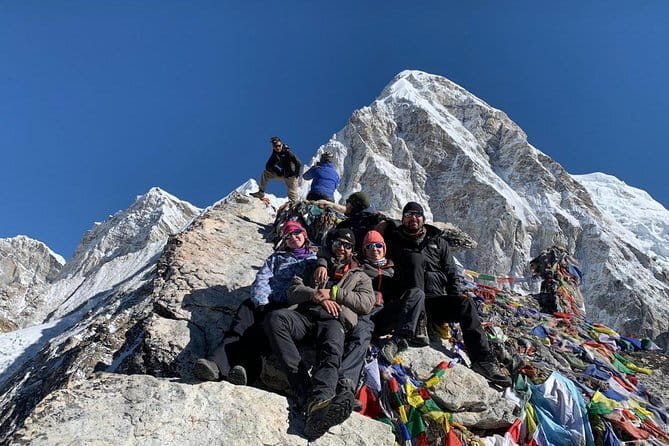
One of the best parts of this route is that cultural experiences are baked into travel days. The itinerary describes meeting diverse ethnic groups along the trail, including Gurungs, Manangis, and Tibetans. It also calls out visits to ancient monasteries, Buddhist stupas, and traditional villages where locals are friendly and you can learn about customs and way of life.
In real life, this means your photo stops won’t feel random. You’ll see how religion, architecture, and daily routines fit into the mountain environment. Braga is a good example of that Tibetan-style feel, and monasteries/stupas keep showing up as you travel.
The Price Question: Does US$680 Feel Fair?
I look at this cost the way I’d look at any good trek value: what you don’t have to organize yourself. At US$680, you’re not just paying for a route—you’re paying for permits, official documents, guide leadership, guided pacing, lodging, and major transfers between Kathmandu, trekking towns, Pokhara, and then home.
The biggest cost drivers for independent trekking—permits, route logistics, and guide coordination—are handled. Meanwhile, the costs you still control (food and drinks, and optional tips) are normal for high-country treks.
So yes, it feels like solid value if you want a structured, full-service approach and you’re comfortable with the physical nature of the Circuit.
Who This Trek Fits Best
This is best for people with strong physical fitness who want a classic Annapurna Circuit experience with real cultural contact. You’ll enjoy it most if you:
- Like a mix of trekking and road travel without trying to DIY everything
- Want English-speaking guiding and thoughtful explanations, not just directions
- Are excited about altitude challenge and mountain scenery from a real route through villages
If you’re looking for a totally easy walk, this probably won’t match your expectations. The itinerary clearly signals demanding days and long hours on high terrain.
Should You Book This 12-Day Annapurna Circuit Trek?
Book it if you want a well-structured trek that doesn’t ignore the “why” behind the trail—culture, monasteries, village life, and the mountain context—while also taking care of the practical stuff like permits, lodging, and transfers. The repeated praise for guides like Biru, Milan, Amrit, and Krishna is a good sign that the human side is strong, especially on pace and explanation.
Skip (or choose another option) if you know you struggle with long trekking days, are uncomfortable with high altitude, or don’t want to budget for food and drinks on the trail.
If you’re a steady hiker and you want the full Annapurna Circuit arc—Kathmandu start, Manang acclimatization, high-pass zone effort, then the way down through Muktinath and toward Pokhara—this is a very reasonable way to do it.
FAQ
What time does the trek start?
The start time is listed as 4:15 pm.
Will I be picked up and dropped off in Kathmandu?
Yes. The tour includes hotel pick-up and drop-off round trip.
Is the guide English-speaking?
Yes. The trek includes a friendly English-speaking trekking guide.
Are trekking permits included?
Yes. The trek includes the trekking permit and all official document handling.
Where will I stay during the trek?
Accommodation in guest houses is included during the trekking days.
Are meals included in the price?
No. Food and drinks are not included and are available for purchase at about US$25 per day.
How does transportation work between stops?
You use round-trip transfers by shared bus according to the itinerary, including the drive from Pokhara back to Kathmandu.
Is this a group tour or private?
It’s described as a private tour/activity, with only your group participating.
Does the price include trekking poles?
Yes. Trekking pole per each person is included.
What’s the cancellation refund timeline?
You can cancel up to 3 days in advance for a full refund. If you cancel less than 3 days before the start time, the amount paid is not refunded.