REVIEW · MARRAKECH
3 Days Desert Tour From Marrakech To Merzouga Dunes & Camel Trek
Book on Viator →Operated by morocco trip ismail · Bookable on Viator
Sahara sunrise changes the whole road. This 3-day trip strings together UNESCO Ait Benhaddou and the Merzouga dunes for a proper taste of southern Morocco, with time for a camel trek and an evening of Berber drumming around the campfire. The one thing to plan for: it’s long driving days, and lunches plus bottled water aren’t included.
I like that the route is built around real stops, not just a quick transfer. You’ll ride out of Marrakech with a small group (up to 17) and a guide/driver associated with the Morocco Trip Ismail team, then settle into a hotel overnight on Day 1 and a desert camp on Day 2. Also, the program depends on good weather, so if conditions are off, your date could change.
One small detail to double-check before you go: the day-1 plan mentions a 7:30 AM departure from Marrakech, but the meeting instructions list a 9:30 am start at Café de France. Your confirmation should clarify the exact timing, and you’ll want to be there early either way.
In This Review
- Key Highlights You Should Know Before You Go
- Marrakech to Merzouga: Why This Route Works
- High Atlas and Tizi-n-Tichka: The Road That Sets the Mood
- Entering Ait Benhaddou Kasbah: UNESCO, Movie Fame, and Local Scale
- Ouarzazate and the Dades Valley: Roses, Kasbah Roads, and a Real Night Off
- Dades Gorges, Tinghir Oasis, and the Road of 1001 Kasbahs
- Rissani Date Market to Erg Chebbi Edge: From Culture to Sand
- Camel Trek to the Desert Camp: The Main Event Done Right
- Merzouga Sunrise and the Camel Return: Early Morning, Big Reward
- Price and Value: What $110 Covers and What You Still Need
- Who This Tour Is Best For (and Who Should Skip It)
- Should You Book This 3-Day Marrakech to Merzouga Desert Tour?
- FAQ
- How much does the 3-day desert tour from Marrakech to Merzouga cost?
- What’s included in the price?
- Are lunches included?
- How many people are in the group?
- Where do we meet, and where does the tour end?
- What’s the daily itinerary like?
- What if weather is poor or the minimum number of travelers isn’t met?
Key Highlights You Should Know Before You Go
- High Atlas crossing and Tizi-n-Tichka pass: part of the day that makes the scenery feel like Morocco’s “between worlds”
- Ait Benhaddou UNESCO kasbah: you’ll see a famed, movie-famous setting and learn how it fits into local life
- Dades Valley stop by the Valley of Roses and Boumalne Dades: classic southern views and an easy place to reset
- Rissani date market: a quick, practical cultural stop before you reach the dunes
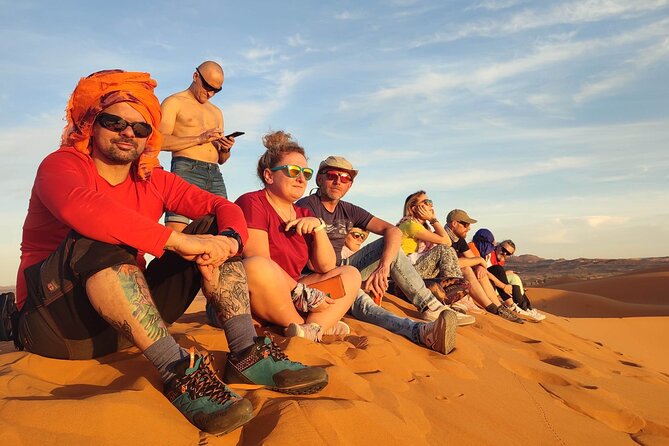
- Erg Chebbi camel trek to the desert camp: the main event, with time to see dune formations up close
- Berber drum music and time under the stars: the night portion is designed for atmosphere, not rushing
Marrakech to Merzouga: Why This Route Works
This tour is built like a slow peel from the city to the desert. You start with Marrakech, then climb and cross the High Atlas by way of the Tizi-n-Tichka pass. That “get up and over” day matters because it shifts the air, the light, and the terrain fast—so when you finally reach Merzouga, the dunes don’t feel random. They feel earned.
The other smart piece is the mix of places along the way. Instead of jumping straight from Marrakech to Erg Chebbi, you pass through places that show different sides of Morocco: kasbah country, oasis scenery around Tinghir, the date market scene in Rissani, and then the desert edge. For many people, that’s what makes the trip feel like more than just a one-night stunt.
You should also know the rhythm is “drive, see, eat, sleep.” Day 1 is more sightseeing and hotel time. Day 2 is where you feel the desert shift—camel trek, camp dinner, and drum music. Day 3 is early sunrise and a long return drive to Marrakech (about 9 hours).
You can also read our reviews of more tours and experiences in Marrakech.
High Atlas and Tizi-n-Tichka: The Road That Sets the Mood
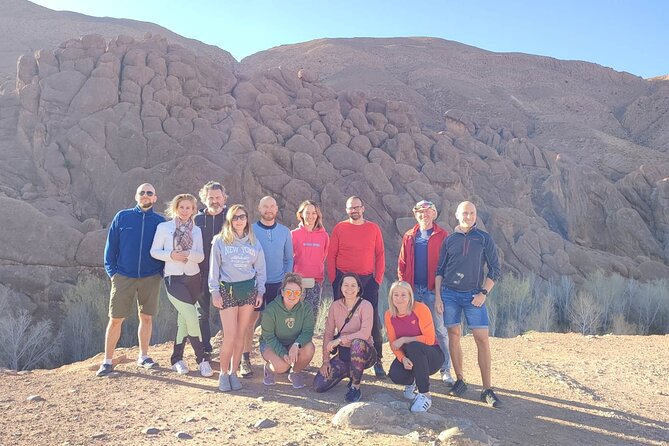
Day 1 begins with an early departure from Marrakech and a drive through the High Atlas Mountains. The route uses the Tizi-n-Tichka pass, which is a big part of why this trip feels special. Even if you’re not a “mountain person,” you’ll notice the change in views as you climb—higher air, wider sightlines, and villages that look tucked into the folds of the hills.
You’ll also get a proper UNESCO stop later that day, so the pass isn’t just about driving. It’s a transition. You’re not just passing time; you’re stacking “wow moments” into the same travel day.
Practical tip: bring layers. The day starts near city-level warmth, but as you climb, it can cool off. And when you’re on a shared trip, you’ll want to keep your comfort high so you actually enjoy the stops.
Entering Ait Benhaddou Kasbah: UNESCO, Movie Fame, and Local Scale
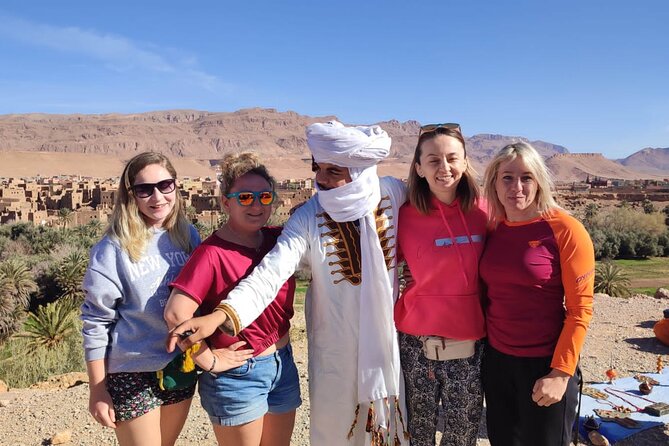
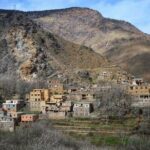
After the mountain crossing, you’ll reach Ait Benhaddou Kasbah, a UNESCO World Heritage site. This is the kind of place you can walk around for a while, even though the stop is time-limited. The kasbah’s thick walls, tight alleys, and hillside setting give you that “built for survival” feeling.
The program also connects Ait Benhaddou to its pop-culture recognition, noting it has appeared in famous Hollywood productions (like Gladiator). Even if you don’t care about filming trivia, that link helps explain why the site is so widely recognized and why preserving it matters.
One downside to keep in mind: kasbahs like this can be visually incredible, but you’ll still be on a schedule. If you’re the type who wants slow wandering and lots of photos, you might feel a bit rushed depending on group pace. If you’re okay with a “see it, soak it in, move on” style of sightseeing, you’ll be fine.
Ouarzazate and the Dades Valley: Roses, Kasbah Roads, and a Real Night Off
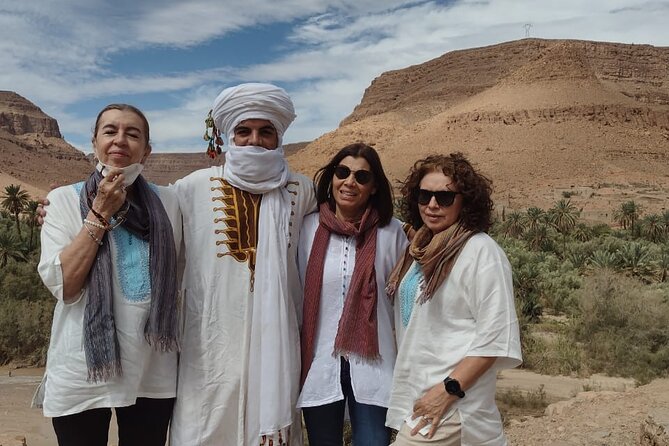
From Ait Benhaddou, you’ll continue toward Ouarzazate, with a lunch stop that’s described as overlooking the kasbah. Then you drive on to Dades Valley by passing through the Valley of Roses and Boumalne Dades.
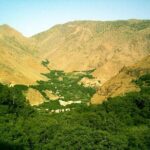
This part of the itinerary works because it breaks up the long drive with variety. Ouarzazate gives you another layer of southern Morocco (and plenty of visual “wow” from the road). Then Dades Valley adds the kind of scenery people picture when they think of Morocco’s interior: dramatic valleys, winding roads, and earthy tones.
You’ll have dinner and an overnight stay in a hotel on Day 1. That matters. The desert night is the big adventure, but the hotel night is what keeps you comfortable for the camel trek day. If you’re the type who hates sleeping poorly, this two-stage lodging plan is a big win.
Dades Gorges, Tinghir Oasis, and the Road of 1001 Kasbahs
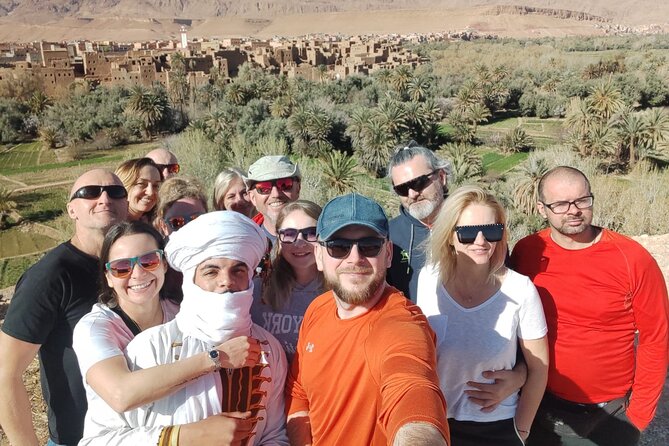
Day 2 starts after breakfast with a drive that highlights the Dades area and the famous road of 1001 kasbahs. You’ll also stop at the Oasis of Tinghir, where you get picturesque natural scenery along the route.
This day is where the trip starts feeling more grounded in everyday Morocco. Kasbah roads and oasis scenery aren’t just postcards; they’re the in-between spaces where people actually live and travel. Even when your time is limited, you’ll get a sense of scale: smaller settlements, farming zones, and roads that twist around the terrain instead of flattening it.
Lunch on Day 2 is listed as not included, so you’ll want to budget for that meal yourself. The tour does include the later cultural stop in Rissani, and then you’re headed for the dunes.
Rissani Date Market to Erg Chebbi Edge: From Culture to Sand
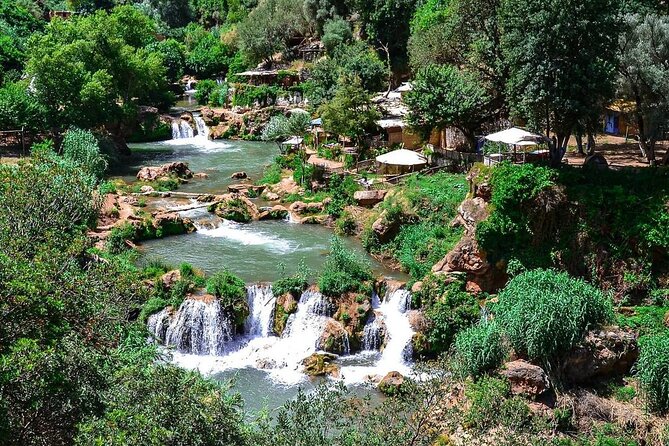
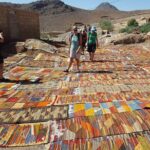
After Tinghir, the program takes you to Rissani, described as the biggest date market in the country. This is a useful contrast to the quiet of the mountains and oases. You’ll be near a commercial hub that locals rely on, and it gives you context for the region’s food and trade.
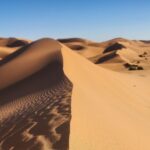
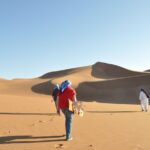
Then the drive continues toward the edge of Erg Chebbi’s dunes in Merzouga. This is where you can feel the trip tighten into its main goal: you’re heading to the sand formations, the camel trek start, and a desert camp night.
Expect the day to move from “watching the world go by” to “stepping into the desert rhythm.” Once you reach the dune edge, you’ll find your camels waiting, and the trek begins.
Camel Trek to the Desert Camp: The Main Event Done Right
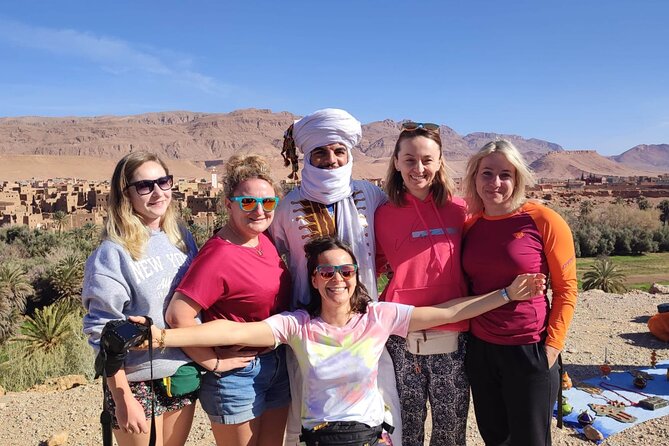
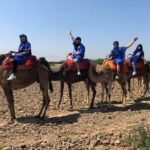
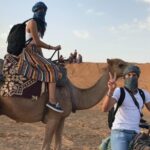
The camel trek is the heart of this tour. On Day 2, you start a trek through the sand dunes to reach the desert camp. The program specifically mentions seeing sand formations and then settling in for dinner and Berber drum music around the campfire.
This matters more than it sounds. A one-night desert stop can feel like a highlight reel. Here, the camel trek gives you a slower connection to the dunes, so the camp doesn’t feel like a random stop—it feels like the payoff of the ride.
Sandboarding is listed as part of the experience for the Merzouga desert. Timing can vary, but it’s good to know it’s part of the package, not just a maybe. If you want to try it, wear shoes you don’t mind getting dusty.
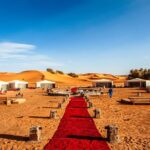
Night in the camp is described as sleeping under the stars. That’s a key reason to bring patience and flexibility. If it’s windy or if the air cools quickly, you’ll want layers for comfort, and you’ll want to embrace the fact that this is desert camping, not a hotel.
Also, a recurring theme in traveler feedback about this operator: the driver/guide is praised for making people feel safe during the long stretches and for being attentive when it counts—like helping with luggage and keeping the flow easy while you transition between vehicles, camels, and camp.
Merzouga Sunrise and the Camel Return: Early Morning, Big Reward
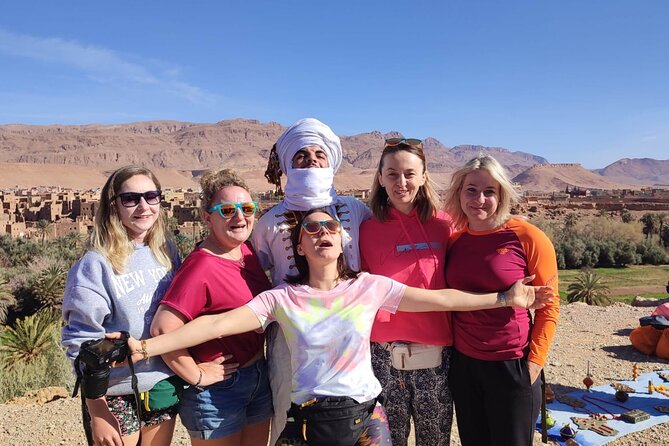
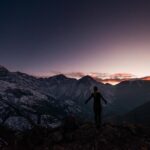
Day 3 starts with an early wake-up to catch the sunrise of the Sahara Desert. This is one of those moments that can sound touristy until you’re actually there—bright light, quiet air, and the dunes in motion as the shadows change. The tour then gives you breakfast in the camp.
After breakfast, you mount your camels back for about an hour and a half to meet your driver, and then you drive back to Marrakech (about 9 hours). That long return drive is a real part of the deal. If you’re prone to getting cranky on buses, pack snacks and plan for a low-energy ride home.
One practical note: your energy level will matter most in the morning. If you want the sunrise experience, you’ll need to be ready for an early start. If sleep is your priority, consider bringing an eye mask or earplugs, since desert nights can vary by comfort and sound.
Price and Value: What $110 Covers and What You Still Need
At $110 per person, this tour is priced as a budget-friendly desert circuit. You’re not just buying a bed for one night—you’re paying for the long-distance transport, the UNESCO stop, the cultural stops on the way, a camel trek through Merzouga dunes, and the camp night with dinner and Berber drum music.
What’s included in the provided package details:
- Dinner (2) and breakfast (2)
- The major activities described for Merzouga: camel trekking and sandboarding
- The overnight segments: a traditional hotel night on Day 1 and the desert camp night on Day 2
What’s not included:
- Lunches
- Bottled water
So the real value question isn’t only the base price. It’s whether you’re comfortable paying for your own lunch each day and a few extra items like water. If you’re okay with that, $110 can feel like a smart way to cover a lot of ground without splurging.
One more value note: the group size cap of 17 helps. A small shared group typically means fewer delays at stops and more ability to get quick help when you need it.
Who This Tour Is Best For (and Who Should Skip It)
This is a great fit if you want:
- A 3-day desert experience without booking private transportation
- To see more than one “type” of Morocco: kasbahs, valleys, oasis scenery, a date market, and dunes
- An experience that includes a desert camp night and a camel trek (not just a drive-by photo stop)
- A small group setting (max 17)
It may be less ideal if you:
- Hate long drives and prefer a lighter itinerary
- Are very picky about meals, since lunch isn’t included
- Struggle with early mornings, because you’ll be up early for sunrise
- Need strict predictability on timing, since the plan lists departure times and meeting instructions that you should verify in your confirmation
The physical fitness requirement is described as moderate. That usually means the walk around kasbahs and moving around for photos should be doable, but the camel trek and the uneven dune terrain are not for people who expect flat, easy surfaces.
Should You Book This 3-Day Marrakech to Merzouga Desert Tour?
If you want a straightforward desert circuit that combines the big-name visual hits (Ait Benhaddou, Erg Chebbi) with a real-feeling route through southern Morocco, this tour makes sense. The camel trek plus the camp night with Berber drumming is the core payoff, and the inclusion of breakfast and dinner helps keep your budget under control.
I’d book it if you’re comfortable with long driving days and can handle lunches being on you. I’d hesitate if you’re expecting a fully hands-off luxury experience with everything included and no early mornings. This trip is about atmosphere, movement, and connection to the road—and it does that well.
FAQ
How much does the 3-day desert tour from Marrakech to Merzouga cost?
It’s listed at $110.00 per person.
What’s included in the price?
The package includes dinner (2) and breakfast (2). The experience also describes activities like camel trekking, sandboarding in the Merzouga desert, Berber music with drums, and overnight stays (a traditional hotel night and a desert camp night).
Are lunches included?
No. Lunch is not included, and bottled water is also not included.
How many people are in the group?
This tour lists a maximum of 17 travelers.
Where do we meet, and where does the tour end?
The meeting point is Café de France, 72 Rue des Banques, Marrakech 40000, Morocco. The activity ends back at the meeting point.
What’s the daily itinerary like?
You’ll depart Marrakech and visit places like Ait Benhaddou and Dades Valley on Day 1, drive via Tinghir and Rissani to the Erg Chebbi dunes with a camel trek and desert camp on Day 2, then wake early for sunrise, have breakfast, ride camels back, and drive to Marrakech on Day 3.
What if weather is poor or the minimum number of travelers isn’t met?
The experience requires good weather. If it’s canceled due to poor weather, you’ll be offered a different date or a full refund. If the minimum number of travelers isn’t met, you’ll also be offered a different date/experience or a full refund.