REVIEW · HA GIANG PROVINCE
Trekking the White Cliff Ma Pi Leng Pass Adventure
Book on Viator →Operated by ToTo Chan Travel-Authentic Hmong Village Hikes · Bookable on Viator
White cliff hiking in Ha Giang changes your sense of scale fast. This trek links the legendary Ma Pi Leng Pass with cliffside walking above the Nho Que River, plus stops in small H’Mong village life. It’s the kind of morning where your camera gets used as a timer for how long you can stare.
I especially love the first real payoff at Tu Than Rock, where the views feel close enough to touch. I also like the hands-on details that make it easier: trekking poles, bottled water, and a picnic lunch with coffee or tea to keep your energy steady.
One consideration: the trail can get slippery after rain, and this route is best when conditions are dry. If you’re going on a wet day, plan for slower steps and extra care on the cliffside sections.
In This Review
- Key highlights you shouldn’t miss
- Ma Pi Leng Pass to the White Cliff: the views you’re walking toward
- Morning flow: meeting point, private transfer, and how long it really takes
- Tu Than Rock: where the nerves and the river views meet
- Through H’Mong village edges: cornfields, cliffside homes, and quiet human scale
- The White Cliff highlight: the main stage of the day
- Practical reality check: wet weather can change everything
- Picnic lunch on the route: fuel with local flavors, not just snacks
- 8 km or 10 km: choosing your pace without ruining the views
- Price and value for a $69 trek with transport, tickets, and support
- Who this trek fits best (and who should reconsider)
- Should you book the White Cliff Ma Pi Leng Pass trek?
- FAQ
- How long is the trek on the White Cliff and Ma Pi Leng Pass?
- What time does the tour start?
- Where do I meet the group?
- Is pickup included?
- What does the trek include?
- Do I get an option for different walking distances?
- What’s the maximum group size?
- What level of fitness do I need?
- What should I know about weather and trail conditions?
- Can I get a full refund if I cancel?
Key highlights you shouldn’t miss
- Ma Pi Leng Pass start with a private transfer that gets you to the start point faster
- Tu Than Rock photo-and-nerves moment with wide views over the Nho Que River
- H’Mong village walking alongside cornfields and simple cliffside homes
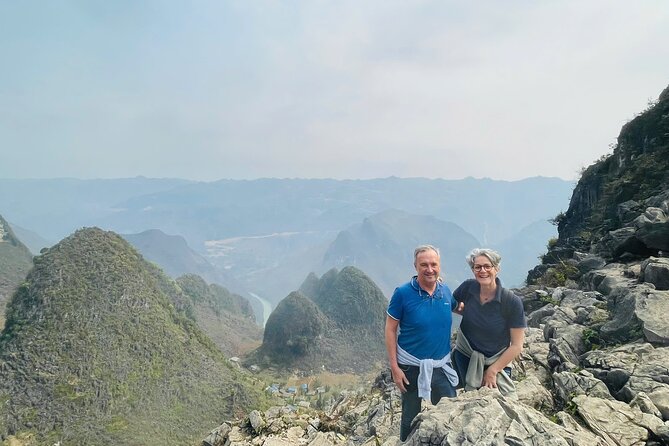
- White Cliff main section where the cliffs and river feel visually huge
- Picnic lunch included plus coffee or tea, with support from your guide
- Small-group feel (maximum 10) that helps the pace stay comfortable
Ma Pi Leng Pass to the White Cliff: the views you’re walking toward
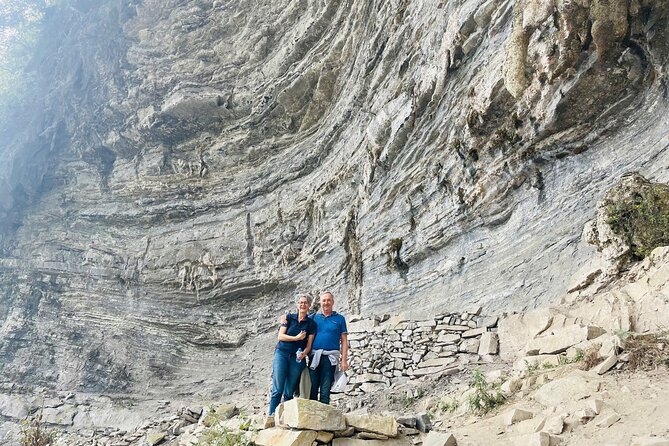
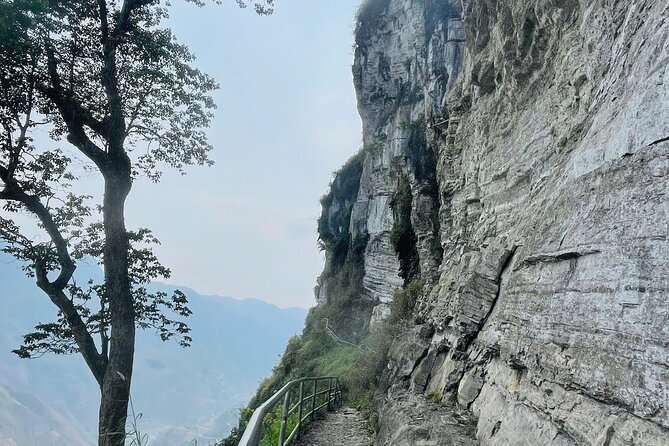
This is a Ha Giang trek built around one simple idea: walk to the edge, then look. You start with a drive along Ma Pi Leng Pass, one of Vietnam’s legendary Four Great Passes, and you’re immediately in the right mindset for cliffside walking.
From there, the trek threads through “white cliff” terrain above the Nho Que River and toward the angle of the Tu San Canyon area. The big draw is the way the river looks below—turquoise, far down, and changing with the light as you move.
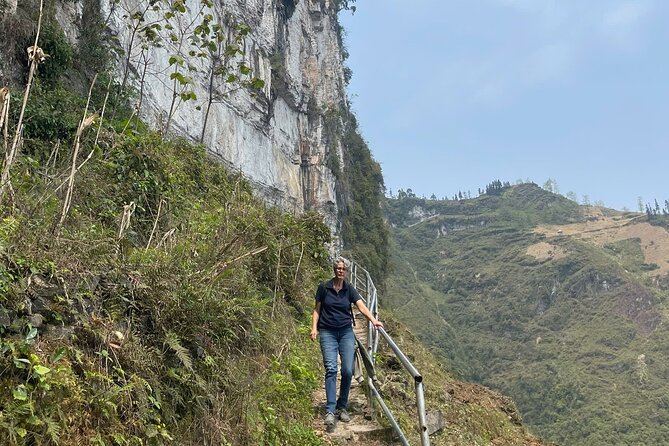
You don’t need to be a hardcore hiker for this. You do need steady feet and patience for uneven ground, because cliffside trails tend to reward careful steps more than speed.
Morning flow: meeting point, private transfer, and how long it really takes
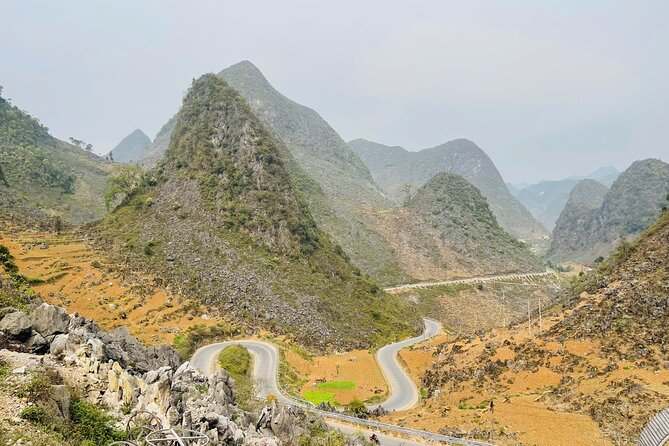
The experience runs about 5 hours, starting at 8:30am. You meet at Ha Giang Expeditions at 57 Phố Cổ, Đồng Văn. From there, you’re set up for a smoother start with a private transfer, so you’re not figuring out your own way up to the pass.
Once you arrive at Ma Pi Leng Pass, trekking begins. After that, the day is focused and moving—this isn’t a sit-and-look tour for most of the time. You’re walking in sections: short uphill-ish bits, flat stretches between sights, and some rocky footing as the cliffs come into view.
Two practical notes help you enjoy it more:
- Wear shoes with grip you trust; cliffside routes can be unforgiving.
- Keep your water handy even though bottled water is included, because you’ll naturally want sips as you work up a sweat.
Tu Than Rock: where the nerves and the river views meet
The first section is about getting oriented—and deciding how you feel about heights. After the transfer, you check in at Tu Than Rock for panoramic views over the Nho Que River, which looks strikingly turquoise far below.
You’ll walk the first couple of kilometers and then pause here. The moment at Tu Than Rock tends to be a highlight because it gives you a reference point: once you see the river from this angle, the rest of the white cliff walking makes more sense.
In practice, you’ll want to take your time on this stop. Your guide will manage the pace, but this is also your chance to:
- get your bearings fast
- snap photos without rushing
- decide whether you want to move slowly for the next cliffside stretch
One tip that matters: if the weather was wet earlier, step placement becomes a bigger deal. Even a short slick patch can change how confident you feel.
Through H’Mong village edges: cornfields, cliffside homes, and quiet human scale
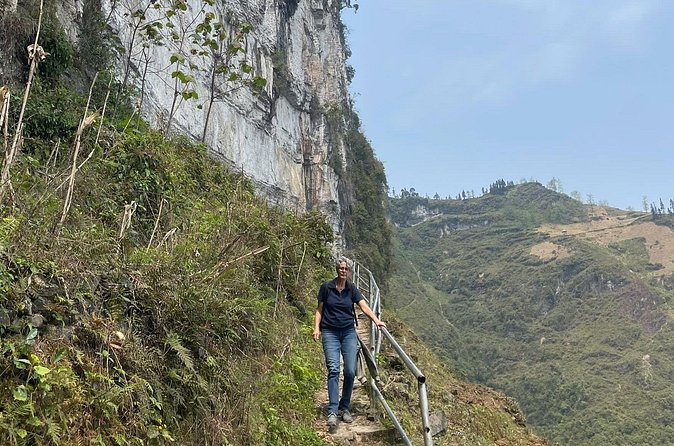
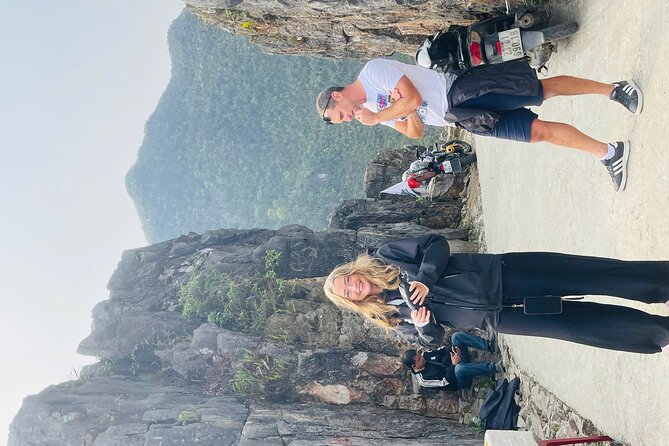
After Tu Than Rock, the trail continues through a small H’Mong village area. This is where the trek stops feeling like pure sightseeing and starts feeling like a lived-in place.
You’ll pass humble cornfields and simple houses built close to the cliffside setting. The effect is different from the big river vista. Instead of scale, you get rhythm—people’s daily surroundings, basic agriculture, and the sense that life here adapts to dramatic terrain.
This part of the walk also gives you a useful break from constant “edge viewing.” If you’re the kind of person who needs a mental reset between lookouts, these village sections do the job.
A nice element of this tour is the guide connection. In the best cases, you’ll get a guide who can explain what you’re seeing in clear English. Some guides in this area—like Nam, who was praised for English communication—are known for turning the walk into something more meaningful than walking for walking’s sake.
The White Cliff highlight: the main stage of the day
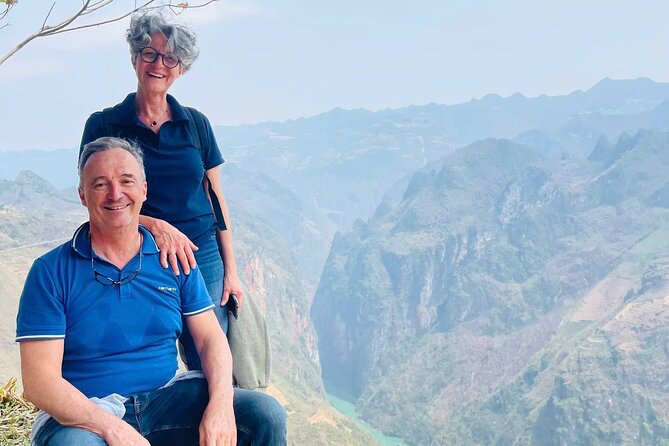
The core highlight is the White Cliff area. The route includes a further few kilometers before you reach this main section, and it’s the point where the “white cliff” terrain really earns its name in your mind.
This is where you’ll feel that combination of geography and drama: cliffs close enough to matter, the river far down, and the sense of depth that makes photos look different from real life. The Tu San Canyon angle also comes into play in how the views frame the surrounding rock and river path.
How hard is it? The data points you have suggest it’s moderate, not a technical climb. But “not difficult” doesn’t mean “no effort.” The ground can still be uneven, and there’s still exposure, so you’ll want to keep your steps deliberate.
If you like taking your time, you’ll appreciate a small group size. With a maximum of 10 people, it’s easier for the guide to manage pacing and photo moments without everyone getting stretched out too far.
Practical reality check: wet weather can change everything
One of the most useful considerations comes from experience on the trail after rain. If it rained the night before, expect the path to be slippery in spots. The route is only feasible when it’s dry, so on damp days, the safest plan is to go slowly, trust your footing, and be ready for the guide to adjust the experience.
This is one reason trekking poles are included. They don’t make you invincible, but they can give you confidence on uneven ground.
Picnic lunch on the route: fuel with local flavors, not just snacks
This trek includes picnic lunch as well as coffee and/or tea, plus bottled water. In other words, you’re not stuck improvising food choices during the best part of the day.
The picnic piece is more than convenience. It’s a simple way to slow down for a meal with the surrounding cliffs in the background. And in some cases, the picnic is prepared with real local care—one example mentioned was a picnic prepared by the guide’s wife, which added a warm touch to an otherwise outdoor-focused day.
For planning: bring a small appetite mindset. You’ll spend most of the time walking and looking, so you’ll likely be ready for a proper meal by the time lunch arrives.
Also, consider how you’ll pack your trash. Out here, keeping the place clean is part of respecting the village areas you pass.
8 km or 10 km: choosing your pace without ruining the views
There’s a choice between an 8 km trek or a longer 10 km option. The difference isn’t just distance—it’s time-on-feet. If you prefer a steady, relaxed pace with more photo and break time, the 8 km option tends to feel more comfortable.
If you want more walking time and you’re confident on uneven trails, 10 km can be a good match. The key is to choose based on how you handle footing, not just cardio.
Because this trip takes around 5 hours total, you’ll feel the day’s tempo whether you choose 8 or 10 km. Plan to:
- keep your pace consistent instead of rushing
- use trekking poles when the ground feels uncertain
- trust your guide’s judgment on timing and safe pacing
Price and value for a $69 trek with transport, tickets, and support
At $69.19 per person for a roughly 5-hour experience, this is priced like an organized outdoor day rather than a bare-bones hike. What makes it feel reasonable is that it includes the stuff that usually adds up when you DIY:
- private transportation from the Dong Van area to the pass start
- entrance fees
- picnic lunch
- coffee and/or tea
- bottled water
- trekking poles
So you’re paying for convenience and friction-reduction. A lot of the value is that someone does the coordination—getting you to the correct starting point and keeping you moving safely along the route.
What’s not included is simple: tips and insurance. That’s common. If you’re the type who prefers to tip generously for good pacing and explanation, keep a little budget aside.
If you’re traveling solo, small-group tours can still feel efficient here because the maximum group size is capped. With fewer people, the guide can give more attention to pacing and photo stops.
Who this trek fits best (and who should reconsider)
This works best if you want dramatic Ha Giang views without turning the day into a training session. The tour notes a moderate physical fitness level, which lines up with the idea of a steady walk over uneven ground rather than a strenuous climb.
You’ll especially enjoy it if:
- you like scenic viewpoints, especially river-and-cliff angles
- you want a route that includes village walking, not just open views
- you appreciate a guide explaining what you’re seeing (and in some cases, guides with strong English like Nam)
- you prefer small-group pacing (maximum 10)
You should think twice if:
- you’re uncomfortable on slippery footing after rain
- you want fully flat walking the whole time
- you have mobility limitations that make uneven paths difficult
This isn’t a reason to avoid Ha Giang. It’s just a reminder that nature here is the main character, and you’ll want to move accordingly.
Should you book the White Cliff Ma Pi Leng Pass trek?
Yes—if you’re aiming for a single half-day that hits the core Ha Giang experience: Ma Pi Leng Pass views, the Nho Que River from high angles, White Cliff terrain, and a lunch stop that feels thoughtfully handled.
I’d book it if you value practical support: trekking poles in your hands, water and coffee/tea included, entrance fees handled, and a guide who helps keep the day organized. The small-group size also makes it easier to enjoy without feeling herded.
I’d hold off or be extra cautious if you know rain is in the forecast or if conditions were wet recently. On days when the trail gets slippery, the experience can shift from scenic walk to slow, careful footing. If the conditions aren’t ideal, wait for a better day when the guide can keep the route safe.
FAQ
How long is the trek on the White Cliff and Ma Pi Leng Pass?
The experience is listed at about 5 hours.
What time does the tour start?
It starts at 8:30am.
Where do I meet the group?
You meet at Ha Giang Expeditions, 57 Phố Cổ, Đồng Văn, Hà Giang, Vietnam.
Is pickup included?
Yes. A private transfer picks you up at Dong Van town and drives you along Ma Pi Leng Pass.
What does the trek include?
It includes picnic lunch, coffee and/or tea, bottled water, private transportation, entrance fees, and trekking poles.
Do I get an option for different walking distances?
Yes. You can choose between an 8 km trek option and a 10 km option.
What’s the maximum group size?
The tour has a maximum of 10 travelers.
What level of fitness do I need?
You should have a moderate physical fitness level.
What should I know about weather and trail conditions?
If it has rained, the trail can be slippery, and the route is only feasible when it’s dry.
Can I get a full refund if I cancel?
Yes. You can cancel up to 24 hours in advance for a full refund.