REVIEW · KATHMANDU
Annapurna View Trek
Book on Viator →Operated by Mount Advenutre Holidays · Bookable on Viator
Sunrise on Poon Hill is the kind of thing you remember for years. This 5-day Annapurna View Trek blends quick trekking with big mountain payoff, starting from Kathmandu, routing through Pokhara, and ending back in the city without dragging your vacation into a second week. You’ll also get a front-row seat to rhododendron forests and Himalayan viewpoints, plus village walks that feel real and human, not staged.
Two things I like a lot: first, the early climb to Poon Hill is timed for the clearest views, with Annapurna and Dhaulagiri ranges showing close up and other major peaks stretching across the horizon. Second, the trip is well structured for convenience—airport pickup and private transport, a licensed guide, required permits, and meals included during the trek days. Your guide also matters here, and the good ones make a real difference on early starts and mountain navigation.
One consideration: you’re doing a multi-day hike where you’ll gain and lose elevation, and Day 2 is the longest walking day. If you’re new to trekking, you’ll want to go at a steady pace, drink water often, and plan for cold mornings even if daytime feels mild.
In This Review
- Key highlights you’ll actually use
- Poon Hill sunrise: the quick-hit Himalayan payoff
- The walking days: Ulleri to Ghorepani, then ridge to Tadapani
- Ghandruk and the village feel: where the trek turns cultural
- Kathmandu and Pokhara transfers: less friction, more trekking
- The guides: where the experience quietly gets better
- Price and value: what your $750 is buying
- What to pack and how to pace yourself (so Day 2 doesn’t bite)
- Who this trek suits best (and who should choose differently)
- My bottom line: should you book it?
- FAQ
- What time does the trek start?
- Is pickup included?
- How long is the trek, including transfers?
- What are the main trekking days and destinations?
- What permits and fees are included?
- Is food included?
- Is the Nepal visa fee included?
- What about cancellation?
Key highlights you’ll actually use
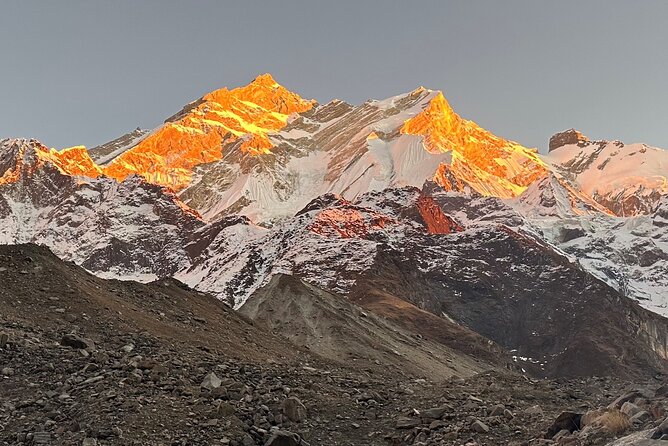
- Poon Hill sunrise timing for sharp mountain views, including close-up Annapurna and Dhaulagiri scenery
- Licensed government guide and a first-aid kit on the trail for added safety and smoother decisions
- Guesthouse-style nights in hill villages, with meals mapped to the walking schedule
- Big scenery in a short trek: you get multiple Himalayan viewpoints without a full Annapurna circuit
- Private logistics: airport transfers and in-country drives reduce hassle in Nepal
- Gurung villages + rhododendron forests give the walk a culture-and-nature feel, not just sightseeing
Poon Hill sunrise: the quick-hit Himalayan payoff
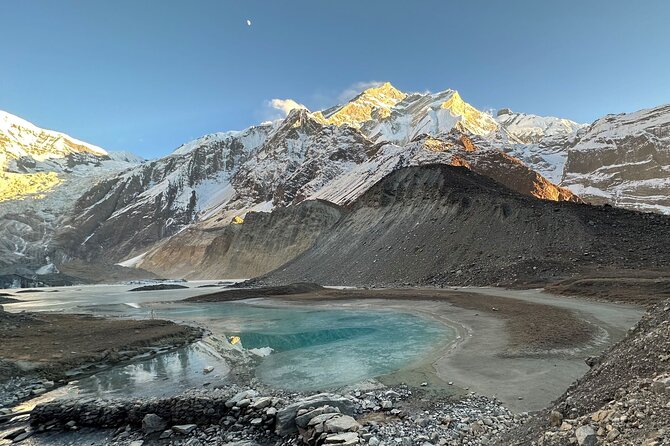
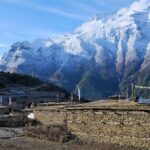
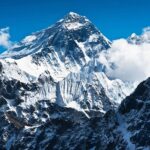
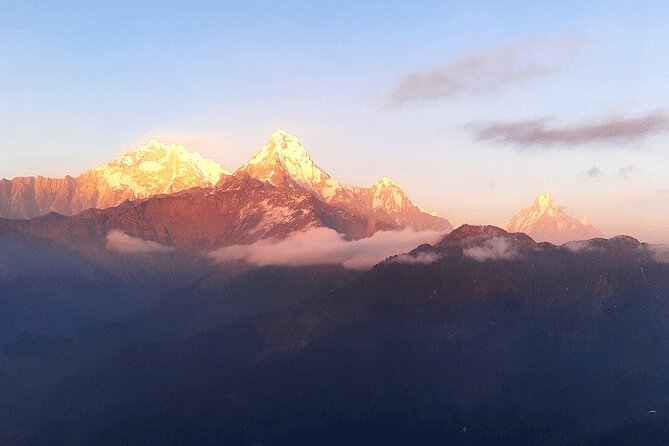
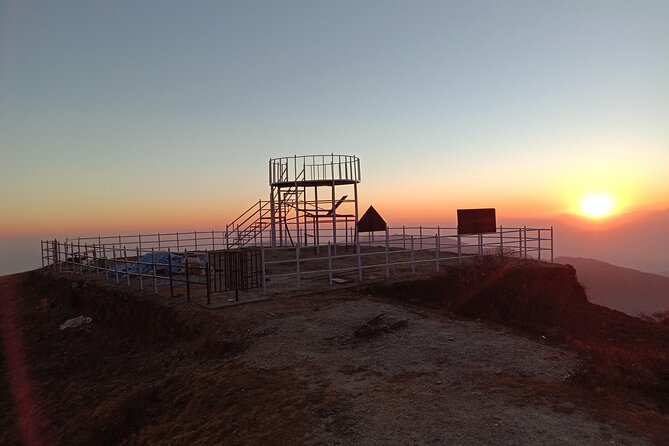
Poon Hill is the star here, and it’s popular for a reason. You’ll make an early morning push up to the viewpoint around 3,210 meters (about 10,529 ft), when the sky is often clearer and the peaks look dramatic. The goal isn’t a summit fantasy—it’s the wide, layered panorama: Annapurna and Dhaulagiri ranges in front of you, plus other big-name peaks in the distance. You’ll also catch the way light changes fast at this altitude, which is why the schedule matters.
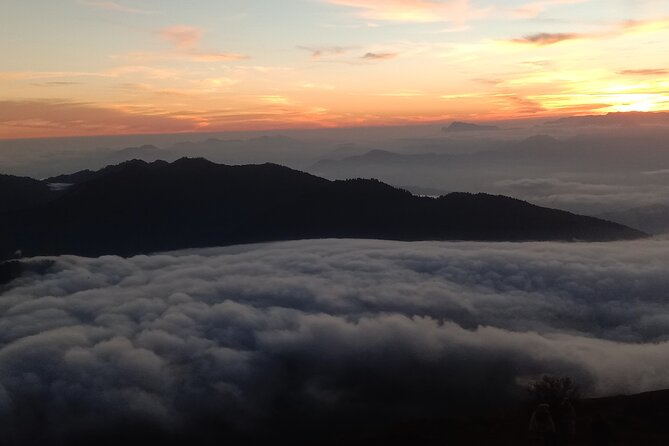
After you reach the viewpoint, you can take your time. Expect photo time, a slower moment with tea or coffee, and the chance to watch the mountains move from dim silhouettes to bright detail. Then you head back down to Ghorepani for breakfast and a calmer start to the day. That rhythm—up early, back down, then a more normal walking pace—makes this trek feel doable for a wide range of people.
If you’re nervous about a trek going too hard too fast, this route helps. It’s short in duration and built around views, not altitude grinding all day long. The highest point isn’t extreme, but the mornings still feel chilly and the trail still asks for steady steps.
You can also read our reviews of more tours and experiences in Kathmandu.
The walking days: Ulleri to Ghorepani, then ridge to Tadapani
Your trek begins with a transfer out of Pokhara toward the trailhead near Ulleri. From there, you start walking to Ghorepani (about 2,640 m). This is the long Day 2 leg, roughly 5–6 hours of walking. In practical terms, it’s the day where your legs get “used to” trekking. I’d treat it like a warm-up for the rest of the trip: keep a steady pace, don’t race your breathing, and stop briefly when you need to.
Ghorepani is also a useful base. You’re not just sleeping somewhere—you’re positioned to do that early morning climb to Poon Hill. In mountain areas, timing is everything, and Ghorepani lets you reach the viewpoint early enough without an exhausting overnight scramble.
Day 3 takes you from Ghorepani to Tadapani (around 2,830 m) with about 4–5 hours walking. What you care about here is the variety: rhododendron forests, a ridge that feels less like a straight line and more like a changing set of views. Tadapani is typically where the trail feels more “forest-to-village” than “hotel-to-hotel,” and you end the day in a guesthouse.
Guesthouses matter on a short trek like this. You’re not just consuming beds—you’re getting a simple rhythm: breakfast, walking, a warm meal, and an evening that’s practical rather than complicated. If you like comfort without luxury, guesthouse trekking hits a sweet spot.
Ghandruk and the village feel: where the trek turns cultural
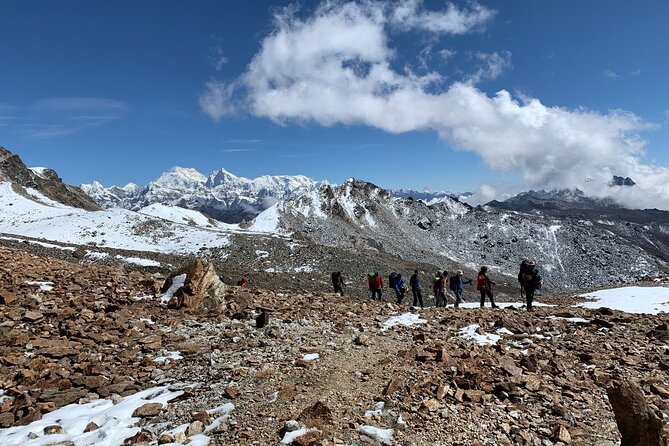
Day 4 is the one that mixes walking with a big change in setting. You trek from Tadapani toward Ghandruk village, then head back toward Pokhara by vehicle in the afternoon. The walk is listed as about 3 hours, which makes the day feel lighter after the earlier hikes.
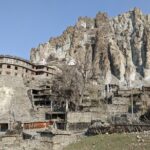
Ghandruk is especially valuable because it’s not only about scenery—it’s about people and daily life in a village shaped by trekking routes. You’ll see the way the Annapurna region connects tourists to local communities through food, lodging, and trail knowledge. Even without a long “deep cultural immersion” schedule, this part of the itinerary gives you a sense of where the trek energy goes after the viewpoint moments.
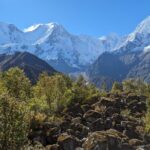
And you still get mountains in the background. This area is known for multiple Annapurna massifs in the broader region, including Machhapuchhre, Dhaulagiri, and Nilgiri. You won’t be tracking each one point-by-point like a summit expedition, but you’ll recognize the mountain system from what you see between and above the villages.
Then you’re back in Pokhara, usually with time to decompress—hot shower if you choose, dinner out, and the chance to reset for the final day back to Kathmandu.
Kathmandu and Pokhara transfers: less friction, more trekking
A lot of Nepal trips waste time with complicated logistics. This one helps because it includes airport pickup and drops and the key vehicle legs between cities and the trek route. You drive (or fly, depending on your plan) Kathmandu to Pokhara in about 7 hours, then handle the route toward Ulleri and later return from the Ghandruk side back to Pokhara.
On paper, that might sound like background info. In real life, it affects your stress level. When you’re doing an early start trek, you want your transport handled without last-minute confusion. The guides on this trek also tend to prepare things so you don’t spend your first day in Nepal figuring out what comes next.
The guides: where the experience quietly gets better
This is a private tour/activity, so you’re not just getting a route—you’re getting decision support. A big theme in good trekking is pacing, and the best guides manage that without making you feel rushed. The trip includes a professional certified guide (Nepal Government) and a first-aid medical kit, which gives you practical reassurance.
From the names shared, you may work with Pasang, and sometimes Dorje as well. In real terms, the difference shows up in small things: helping you stay calm at the start, adjusting your pace, keeping you oriented, and making sure the day plan stays workable even when conditions shift. That’s especially helpful if it’s your first multi-day trek. One of the notes shared with this trek is that Day 2 is the longest, so having a guide who helps you handle that moment matters.
If you care about safety and smooth logistics more than “I’ll figure it out myself,” you’ll like this setup.
Price and value: what your $750 is buying
At $750 per person for about 5 days, the best way to judge value is what’s covered. This price includes:
- Accommodations as per the plan
- Meals (B/L/D) during the trek days
- National park fees and trekking permits (including Annapurna Conservation Area and TIMS fee)
- A licensed government guide plus staff costs (insurance, equipment, and more)
- Kathmandu–Pokhara–Kathmandu transfers, plus the drive legs tied to the trek route
- Airport pickup/drop in a private vehicle
That adds up quickly. In Nepal, permits and licensed guiding aren’t optional details—they’re part of what turns a walk into a properly managed trek. Also, private transfer coverage reduces the “spend half the day arranging rides” feeling that can ruin early-morning plans.
What’s not included matters too. You’ll cover things like tips for guide and staff, alcohol, the Nepalese visa fee, travel and rescue insurance, and personal expenses (phone charging, laundry, extra porter needs, extra bottled/boiled water, and so on). If you plan carefully and bring your own trekking basics, those extras stay manageable.
Bottom line: if you want a short Annapurna trek with fewer moving parts and you value a licensed guide plus included permits, the price feels like it fits the package.
What to pack and how to pace yourself (so Day 2 doesn’t bite)
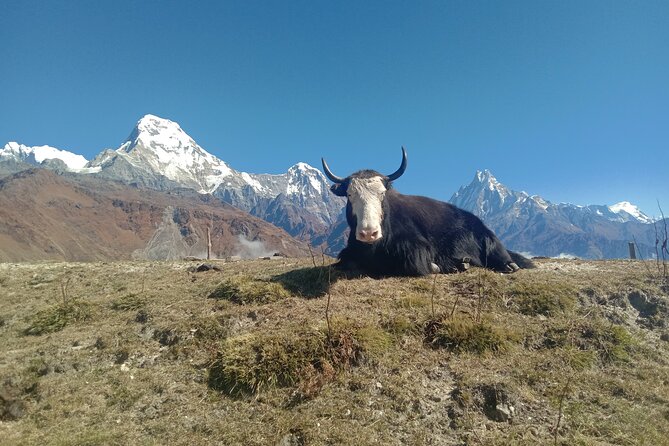
The trek includes guesthouse stays, early mornings, and mixed terrain. You’ll want gear that works for cold starts and warmer afternoons.
A practical approach:
- Dress in layers for early trekking. Mornings can feel sharp even at moderate altitudes.
- Bring a water strategy. Bottled/boiled water is a personal expense, so decide what you’ll buy and how you’ll carry it.
- Expect Day 2 to be your biggest “effort day.” If you treat it like a steady hike instead of a race, you’ll arrive at Ghorepani feeling ready for the next day’s viewpoint climb.
I also recommend building a habit of short stops with normal breathing. On trails like this, you don’t need speed—you need rhythm.
Who this trek suits best (and who should choose differently)
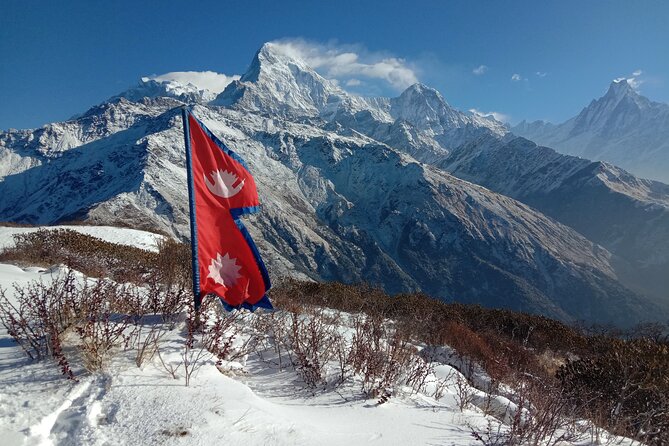
This trek is a good fit if you:
- Want a short Annapurna experience without a long, high-altitude commitment
- Like the idea of a sunrise viewpoint as the main event
- Prefer a structured trip with private transfers and a licensed guide
- Are interested in Gurung village life and forest scenery in a time-friendly package
It may feel less ideal if you:
- Want a long, remote route with no vehicles at the start and end
- Are looking for a true “summit” journey
- Need a very slow, mostly flat itinerary (this trek still involves elevation and hiking hours)
My bottom line: should you book it?
If your goal is the classic Annapurna mountains experience—especially the Poon Hill sunrise—this trek makes a lot of sense. The included permits, licensed guide, meals, guesthouse nights, and transport reduce hassle in Nepal, which is exactly what you want when you’re up early and walking for hours.
I’d book it if you’re time-limited, first-timer-curious, or just tired of complicated planning. You’ll get memorable views, village atmosphere, and a route designed for a satisfying trek-to-hotel rhythm.
If you want something more intense or more off-the-beaten-path, you’ll likely feel the short duration. But for most people chasing the Annapurna look and feel in under a week, this route is a strong choice.
FAQ
What time does the trek start?
The start time is 7:15 am.
Is pickup included?
Yes. The experience includes airport pickups and drops in a private vehicle.
How long is the trek, including transfers?
It’s about 5 days, including Kathmandu to Pokhara travel and return, plus the trek days between Pokhara and the trek route.
What are the main trekking days and destinations?
You’ll travel from Pokhara to Ulleri, trek to Ghorepani, continue to Tadapani, then head toward Ghandruk before returning to Pokhara. Final day is back to Kathmandu by drive or flight (optional).
What permits and fees are included?
The trip includes trekking permits and fees such as Annapurna Conservation Area and TIMS fees, plus national park fees.
Is food included?
Yes. Meals as per itinerary are included, listed as breakfast, lunch, and dinner during the trek days.
Is the Nepal visa fee included?
No. The Nepalese visa fee is not included.
What about cancellation?
You can cancel up to 24 hours in advance for a full refund. If you cancel less than 24 hours before the start time, the amount paid isn’t refunded.