REVIEW · KATHMANDU
Annapurna Base Camp Trek 10 Days
Book on Viator →Operated by The Great Adventure Treks & Expedition - Private Day Tours · Bookable on Viator
This trek earns every gasp. You get the full Annapurna Base Camp payoff—4,130 m summit views—plus real village life along the way. What I like most is the way the itinerary builds in pacing through places like Ghandruk and Chhomrong, then snaps into focus for the Base Camp day.
My other big plus is people. Your guides include Sudam and Ganesh, and the feedback on their attention and humor is consistent. Still, here’s the trade-off: you’re climbing and descending for 10 days, and the altitude is real, so moderate fitness is not a suggestion.
In This Review
- Key highlights (quick read)
- Kicking off in Kathmandu, then rolling to Pokhara
- Pokhara stop: the breathing room before the trail
- Ghandruk and Chhomrong: village views and step-count reality
- The Himalayan Hotel to Khuldighar: bridges, climbs, and pacing
- Machhapuchhre Base Camp to Annapurna Base Camp: the day you remember
- Sunrise at Base Camp and the descent back to Bamboo
- Jhinu Danda to Chhomrong: more steps, but with payoff
- Naya Pul and the ride back to Pokhara: easing out of trekking mode
- Pokhara leisure day: recover like a smart trekker
- Last day to Kathmandu: scenic flight or bus back
- Price and value: what $996 really covers
- Guide and porter support: why Sudam and Ganesh matter
- What to pack and how to prep for 4,130 meters
- Should you book this Annapurna Base Camp trek?
- FAQ
- What’s the starting point and start time?
- How do you get from Kathmandu to Pokhara?
- Is airport pickup included?
- What permits are included for the trek?
- Will I have a guide and porter?
- What trekking gear is provided?
- Are meals included?
- What’s the trek difficulty level?
- What’s the cancellation window for a full refund?
Key highlights (quick read)
- Sudam and Ganesh as guides: attentive, supportive, and even able to joke in the hard moments
- Base Camp at 4,130 m: sunrise views and a real sense of accomplishment
- Permits handled: ACAP (Annapurna Conservation Area Project) and a TIMS card are included
- Porter support (25 kg max): a 2 guest to 1 porter setup to keep you moving
- Provided gear: sleeping bag and a down jacket included
- Small group cap (16 travelers max): easier logistics and less chaos on the trail
Kicking off in Kathmandu, then rolling to Pokhara
Most ABC treks start with nerves. This one starts with logistics done early—airport pickup and a private-vehicle Kathmandu sightseeing run. You’ll meet your team at The Great Adventure Treks & Expedition office in Chhusya Galli, Kathmandu, with a start time listed as 8:15 am.
Then you transfer to Pokhara by tourist bus. The ride is about 6–7 hours, and it’s long enough that you’ll want to treat it like part of the journey, not wasted time. The advantage: it gets you off the pressure of Kathmandu and into a calmer trekking rhythm.
You can also read our reviews of more tours and experiences in Kathmandu.
Pokhara stop: the breathing room before the trail
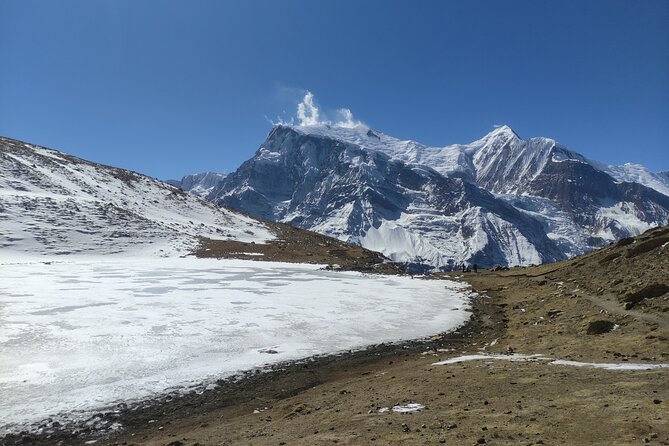
Pokhara is your warm-up in more ways than one. You’ll arrive after the long bus day, then settle in for the next leg. It’s also the place where you’ll likely notice how the trip balances effort with recovery—something that matters when you’re headed toward higher altitude.
You have a full leisure day later too (Day 9). That’s smart. After enough time on steep paths, an extra day for lakeside walking and sightseeing can prevent the trip from turning into one continuous grind.
Ghandruk and Chhomrong: village views and step-count reality
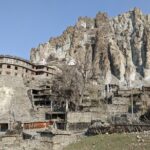
Day 2 drives you from Pokhara to Ghandruk (about 3–3.5 hours). Ghandruk sits at roughly 1,940 meters, and the village setting gives you a gentle introduction to the Annapurna region before the steep stuff truly ramps up.
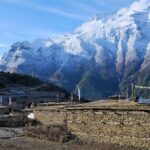
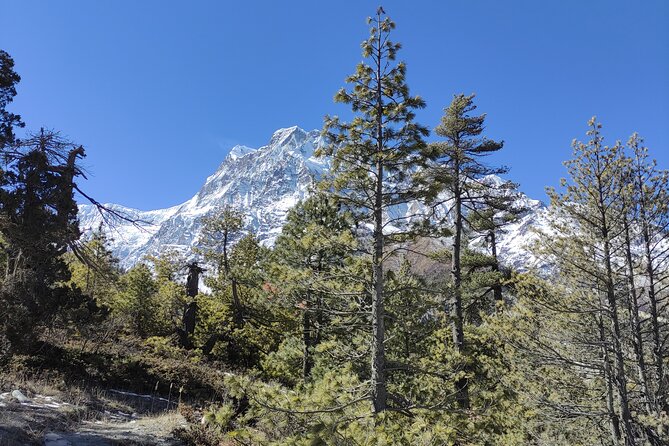
Day 3 moves toward Chhomrong. You trek uphill around an hour to Kimrungdanda, then keep going for about 6 hours total. This is where you start getting big mountain lines—Annapurna South, Hiunchuli, Fishtail/Machhapuchhre, and Gangapurna are specifically called out in the route description. The practical takeaway: even when the trail feels slow, the scenery gives you reason to keep steady.
Then you hit Chhomrong the way ABC often does—by earning it. This isn’t just a pretty village stop; it’s a fork in your energy level. You’ll feel it tomorrow when the descent/bridge/climb pattern begins to repeat.
The Himalayan Hotel to Khuldighar: bridges, climbs, and pacing
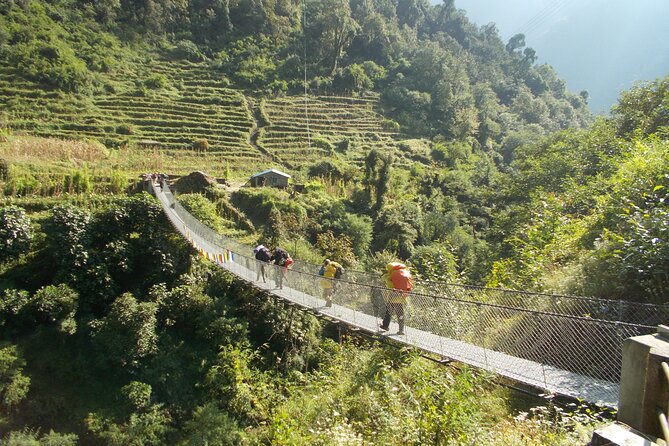
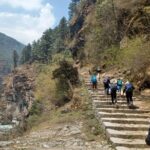
On Day 4, the trail drops steeply through thousands of steps after Chhomrong. Then you cross a suspension bridge and keep working uphill toward Khuldighar, around 2,380 meters. The total day is about 7 hours on the move.
Why this segment matters: it teaches pacing. You can’t sprint the steps, and you shouldn’t try. If your breathing starts to turn into wheezing, slow down early. That’s how you stay comfortable through the next climbs, and it’s also how you arrive feeling like you still have a plan instead of just hope.
You’ll reach an overnight stop described near The Himalayan Hotel. That matters because you’re not just passing through—you’re setting up your body for Day 5, the start of the higher push.
Machhapuchhre Base Camp to Annapurna Base Camp: the day you remember
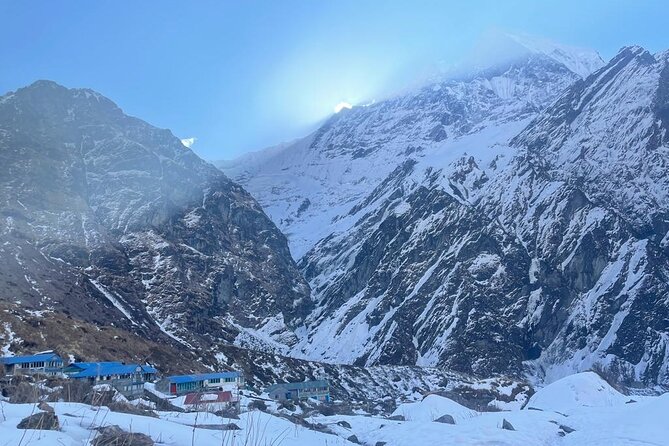
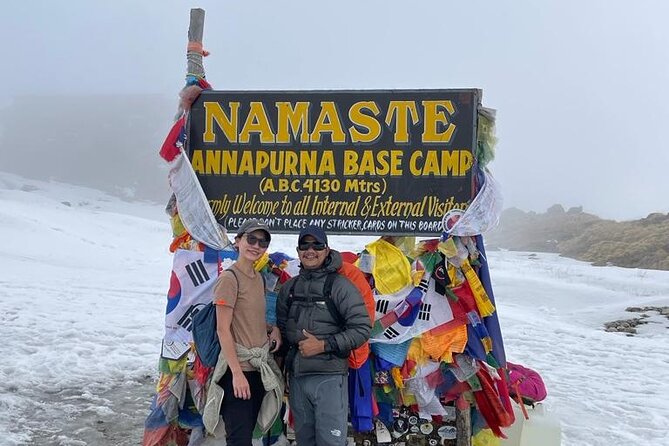
Day 5 is the heart-beat day of the trek. An hour’s walk from Himalaya will take you to Deurali. Then you climb gently through a river bed before moving over a steep trail leading you onward toward Base Camp.
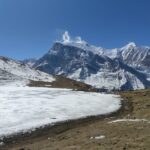
The final push is where ABC becomes what it’s famous for. You’ll head out to Annapurna Base Camp after Machhapuchhre Base Camp, and the description notes that forested vegetation disappears on the way. That change alone is a clue you’re moving into a more exposed, higher-altitude feel.
Day 5 is about 6 hours trekking, and it’s the most likely day where you’ll want your guide to control the pace. This is also where those guide qualities—helpful, attentive, and calm—are more than nice extras. Having Sudam or Ganesh take the edge off the climb with support and humor can make a noticeable difference when your legs start negotiating.
Sunrise at Base Camp and the descent back to Bamboo
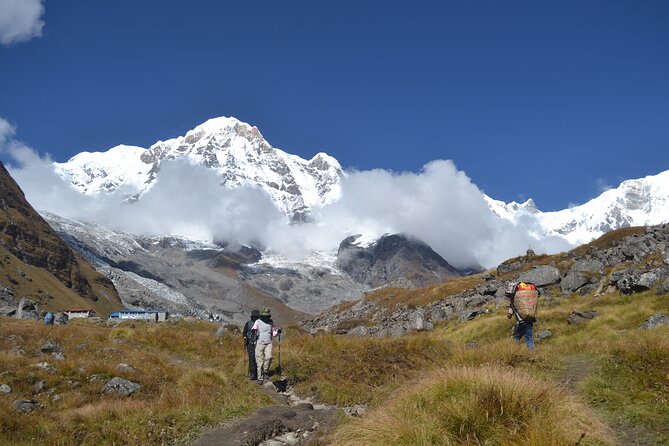
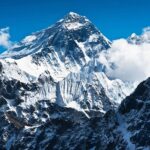
Day 6 starts with the classic ABC morning: sunrise views from Annapurna Base Camp. Then you descend back down, and the key detail is that you walk the same trail you came up. That repeat isn’t always romantic, but it’s practical. It reduces the chance of wrong turns and keeps the trail familiar.
The total day is about 8 hours walking. You’ll feel the effect of yesterday even if the route is the reverse. If you have knee trouble, descend carefully and don’t let your pace outrun your control. The trip gives you the tools—porters, guide, and structure—but you still own your foot placement.
A stop at Bamboo is part of the descent rhythm. The change in elevation through the day helps your body reset for the next move down toward Chhomrong.
Jhinu Danda to Chhomrong: more steps, but with payoff
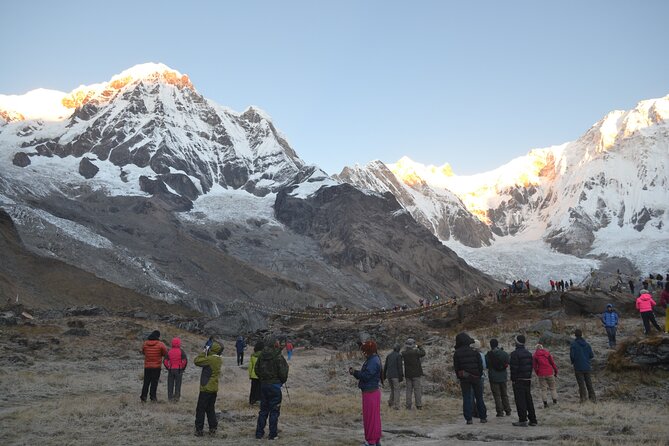
Day 7 is about getting back into the mix of ups and downs. You trek uphill first until Kuldighar, then down to Chhomrong Khola. After that, you trek uphill through stone steps for about an hour before reaching Chhomrong again.
This day is about stamina. It’s not the highest day, but it’s mentally tiring because you’re still doing work after you’ve already done Base Camp. The good news is you already learned the trail’s rhythm by then. You’ll be less surprised by steep sections and more focused on finishing strong.
Naya Pul and the ride back to Pokhara: easing out of trekking mode
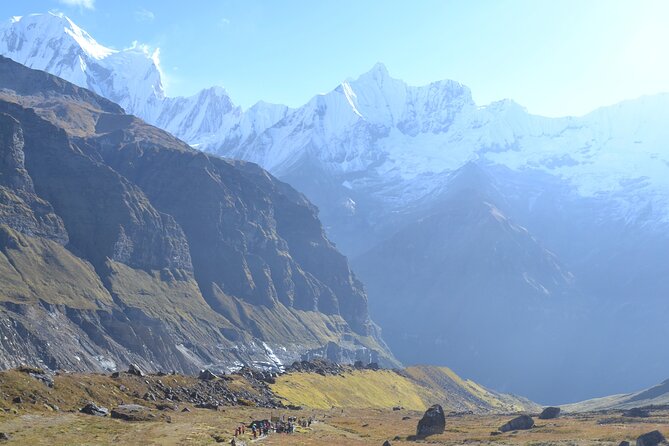
Day 8 shifts from mountain trail to river-hill walking. From Jhinu Danda, you hike along the side of Modi Khola for about 4–5 hours, reaching Birethanti, then you continue by vehicle to Pokhara. It’s a less severe day than the earlier segments, but it still keeps you in motion until the end.
Why Naya Pul is a smart transition point: it marks the moment you can breathe easy about altitude. Day 8 then includes the drive back to Pokhara for an overnight stay.
Pokhara leisure day: recover like a smart trekker
Day 9 is your break day in Pokhara. You can go sightseeing on your own, with Phewa Lake and Begnas Lake named as options. This is also the day to sort out minor issues you might have ignored: blisters, sore ankles, cold hands, or just the need to eat a real meal without thinking about tomorrow’s steps.
This is also where the trip’s value shows. It doesn’t just throw you back into Kathmandu. It gives you time to land.
Last day to Kathmandu: scenic flight or bus back
Day 10 returns to Kathmandu either by scenic flight or by bus. The flight is described as extremely scenic, giving you a last chance to view the Annapurna region mountains from above. If you’re prone to motion sickness, consider how you feel about flights, but the option is there.
Once you arrive, the plan keeps it simple: you head back to the meeting point area.
Price and value: what $996 really covers
At $996 per person, you’re not just paying for a trail. This package includes a lot of the hidden costs that can add up fast on independent treks.
Here’s what’s clearly included:
- ACAP permit and a TIMS card
- Kathmandu pickup/transfer plus Kathmandu sightseeing by private vehicle
- Kathmandu to Pokhara by tourist bus (and the reverse on Day 10)
- Pokhara to Nayapul and back by private vehicle
- An experienced, government-licensed trekking guide
- A porter (2 guests per porter), carrying up to 25 kg max
- Sleeping bag and down jacket
- First aid kit and emergency rescue help covered by your travel insurance
- Meals listed for the days on trek: 8 breakfasts, 8 lunches, and 8 dinners
So where’s the value? You’re outsourcing the paperwork, the coordination, and the gear logistics. That’s a real win when you want to spend your energy on walking and enjoying the mountains—not on figuring out permits or hauling extra weight.
One note: insurance is mentioned for your guide and porter, and emergency rescue help is described as covered by your travel insurance. Read your policy carefully. Don’t assume it matches what the trek requires.
Guide and porter support: why Sudam and Ganesh matter
The most praised aspect across the feedback is the human side. Guides Sudam and Ganesh come up again and again for taking care of the group. People highlight that the guides paid attention to needs, kept things organized, and made hard moments easier to handle.
Porter support also matters on ABC. With a 25 kg maximum carry allowance and a 2 guest to 1 porter setup, you can pack more rationally. You’re still carrying your own day essentials, but you’re not shouldering the heavy load uphill all day.
There’s also a useful detail for language comfort: Sudam is noted as being able to speak Chinese. That won’t help everyone, but for the right group it’s a big convenience.
Group size is capped at 16 travelers max. Smaller groups tend to move with less friction, especially on narrow paths and in busy tea-house moments.
What to pack and how to prep for 4,130 meters
The itinerary includes provided sleeping bag and down jacket, which helps you travel lighter than many ABC treks. Still, you’ll want your own layers and basic trek comfort items because temperatures at higher elevations can change quickly.
Plan for a realistic physical load. This tour lists moderate physical fitness as the requirement. In practice, that means you should be comfortable with steep stairs, long walks, and uneven footing.
Also, expect altitude strain even if you’re fit. ABC at 4,130 meters is a clear high point. Hydration, slower pacing, and listening to your guide matter more than bravado.
Should you book this Annapurna Base Camp trek?
Book it if you want:
- A structured 10-day ABC route with permits handled
- A strong guide team (including Sudam and Ganesh, often mentioned)
- Porter help to reduce what your legs have to carry
- Provided gear (sleeping bag and down jacket)
- A full Pokhara recovery day before heading back to Kathmandu
Skip it or ask more questions if:
- You’re expecting an easy walk. This trek has steep sections, long days, and real altitude.
- You need to understand your insurance coverage for emergency rescue, because the plan points to travel insurance for that support.
If you’re the type who likes clean logistics and wants your mind free for the views, this one fits well.
FAQ
What’s the starting point and start time?
The tour meets at The Great Adventure Treks & Expedition Pvt. Ltd in Chhusya Galli, Kathmandu. The listed start time is 8:15 am.
How do you get from Kathmandu to Pokhara?
You travel from Kathmandu to Pokhara by tourist bus for about 6–7 hours.
Is airport pickup included?
Yes. The itinerary includes pickup from the airport and transfer to your hotel in Kathmandu.
What permits are included for the trek?
You get the Annapurna Conservation Area Project (ACAP) permit and a TIMS card included in the package.
Will I have a guide and porter?
Yes. You travel with an experienced, government-licensed trekking guide and a porter to carry your baggage. The porter carry limit is 25 kg max, and the ratio is 2 guests to 1 porter.
What trekking gear is provided?
The package includes a sleeping bag and a down jacket.
Are meals included?
Yes. The plan lists 8 breakfasts, 8 lunches, and 8 dinners.
What’s the trek difficulty level?
The tour notes you should have moderate physical fitness. The route includes steep ascents and long hiking days, including the high point of Annapurna Base Camp at 4,130 meters.
What’s the cancellation window for a full refund?
You can cancel up to 6 days in advance for a full refund, with the policy based on local time cutoffs.