REVIEW · CUSCO
Salkantay Trek to Machu Picchu 5D/4N or 4D/3N by glamping
Book on GetYourGuide →Operated by Machu Picchu Expeditions Perú · Bookable on GetYourGuide
A good hike starts with a mountain promise. This Salkantay route delivers big views with fewer people than the Inca Trail, plus daily meals cooked on the mountain and comfortable glamping nights in sky huts and domes. The main thing to weigh is the altitude and the physical load, especially the day you reach the Salkantay Pass at 4,630 m.
I also like how the trip blends trekking with Peru add-ons that feel real, not tourist filler: Humantay Lake, Cocalmayo hot springs, and a coffee experience in the Santa Teresa area. On top of that, the group stays small (up to 15), so you’re less lost and more cared for on the days that matter. One practical drawback: your experience can vary a bit by date, and you may find the approach to Aguas Calientes a little rough on comfort if you’re sensitive to noise or basic hotel standards.
In This Review
- Key Highlights You’ll Actually Care About
- Why This Route Feels Better Than the Inca Trail Crowds
- Day 1: The 4 a.m. Start, Humantay Lake, and Glamping With a View
- Day 2: Soraypampa to Salkantay Pass, the Trail of the 7 Snakes
- Day 3: Santa Teresa Valley Walk, Coffee Tour, and Cocalmayo Hot Springs
- Day 4: Llactapata Ruins, a Touch of the Inca Trail, and the Move to Aguas Calientes
- Machu Picchu Morning: Circuit 2B at 7:00 am and Choosing Your Own Adventure
- What You Really Pay: The $35 Headline Price vs Added Costs
- Comfort, Safety, and Altitude Reality (What Makes This Trip Feel Easier)
- Meals on the Mountain: Why the Chef Setup Is a Big Deal
- Your Guide Can Make or Break It
- Who This Trek Is Best For (And Who Should Skip It)
- Should You Book This Salkantay 5D/4N or 4D/3N Glamping Option?
- FAQ
- Is the Machu Picchu entrance ticket included?
- What time does the Machu Picchu guided visit start?
- Are meals included, and can they accommodate vegetarian or vegan diets?
- What are the sleeping arrangements during the trek?
- Can I rent gear like walking sticks or a sleeping bag?
- Is the hot springs visit included?
Key Highlights You’ll Actually Care About
- Humantay Lake at 4,200 m: a high-altitude payoff that feels cinematic, even if you’re not a hardcore hiker
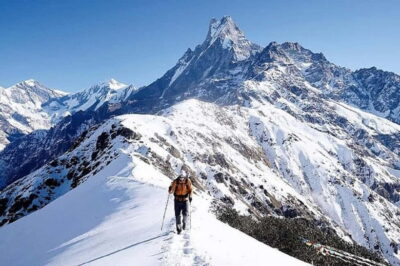
- Salkantay Pass at 4,630 m: the hardest day’s big moment, with dramatic views of Salkantay (6,271 m)
- Cocalmayo hot springs + coffee tour: you trade cold mountain air for warm recovery and a real local product story
- Llactapata ruins link: you get a taste of the Inca trail vibe without committing to the full classic route
- Machu Picchu guided morning circuit: 1.5 hours with a guide at 7:00 am, then time to explore on your own
- Mountain chef meals: fresh, cooked-you-ahead-of-time energy that keeps the trek going
Why This Route Feels Better Than the Inca Trail Crowds
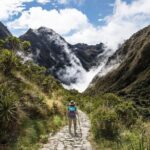
If you’re choosing between the classic Inca Trail and the Salkantay option, I’d frame it like this: the Salkantay trek leans harder into scenery and breathing room. It’s more remote and rugged, which usually means less crowd energy on the trail and a stronger sense of moving through actual highland terrain rather than a busy itinerary.
You also get a mix of environments that changes as you gain and lose altitude. One day you’re staring at high passes and ice-blue water at Humantay Lake. A later day drops you into a warmer valley rhythm where recovery tools like hot springs make sense. If you want variety over pure route prestige, this itinerary fits.
The other reason I like it is the way the trip is paced around meals and comfort. You get a chef with cooking equipment, plus tea time in camp and a coca tea wake-up each morning. That’s not just a cute touch. It helps you keep strength steady when your body is working overtime at altitude.
You can also read our reviews of more tours and experiences in Cusco.
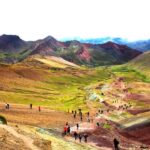
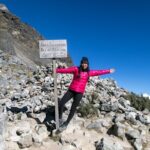
Day 1: The 4 a.m. Start, Humantay Lake, and Glamping With a View
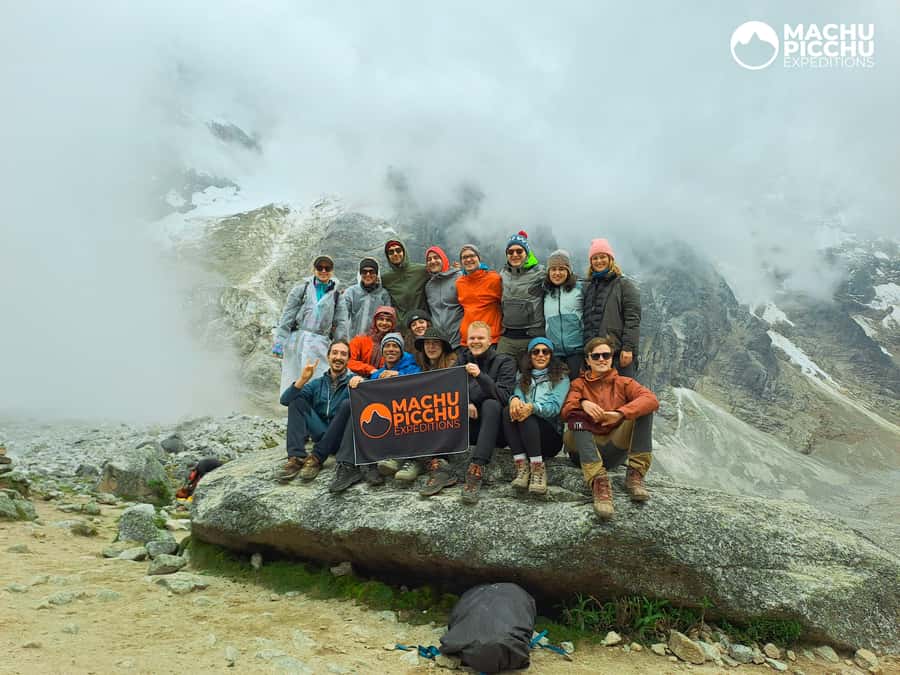
Day 1 starts early—pick-up from Cusco’s historic center at 4:00 a.m. After a bit of transport and a breakfast stop in Mollepata, you begin hiking from Challacancha toward Soraypampa. This is a smart warm-up day. You’re not hitting the highest point yet, but you’re building momentum.
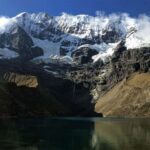
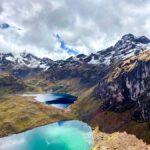
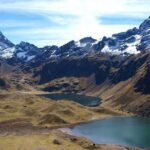
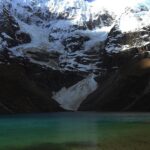
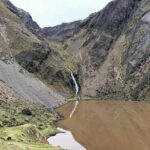
Humantay Lake is the main payoff. You hike up to it at around 4,200 m, then return to camp for dinner with sunset views. That sunset part matters more than people think. After a day at altitude, you’ll remember how the camp air feels and how easy it is to reset when you have a comfortable place waiting.
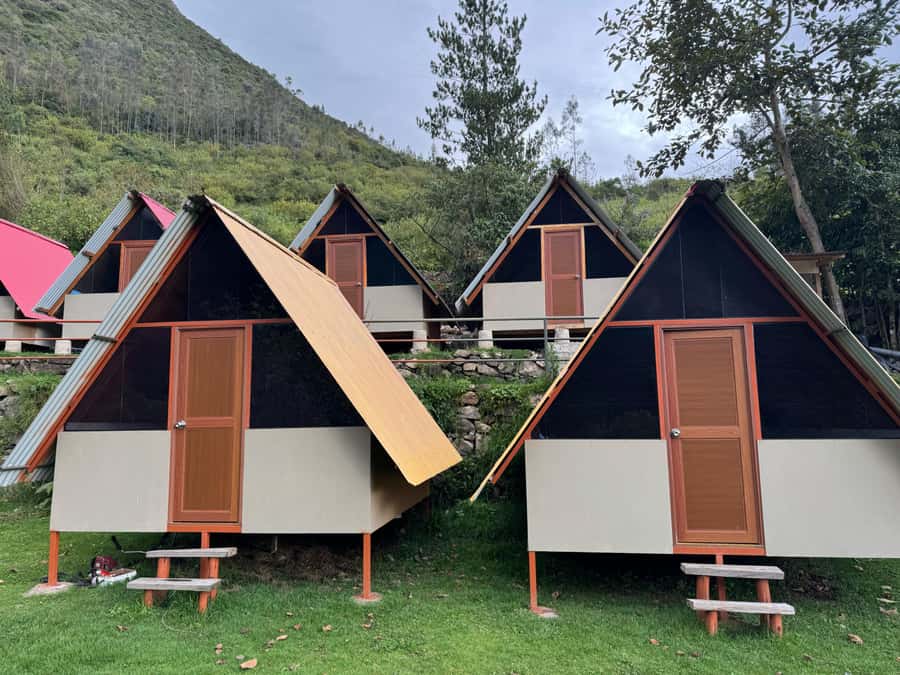
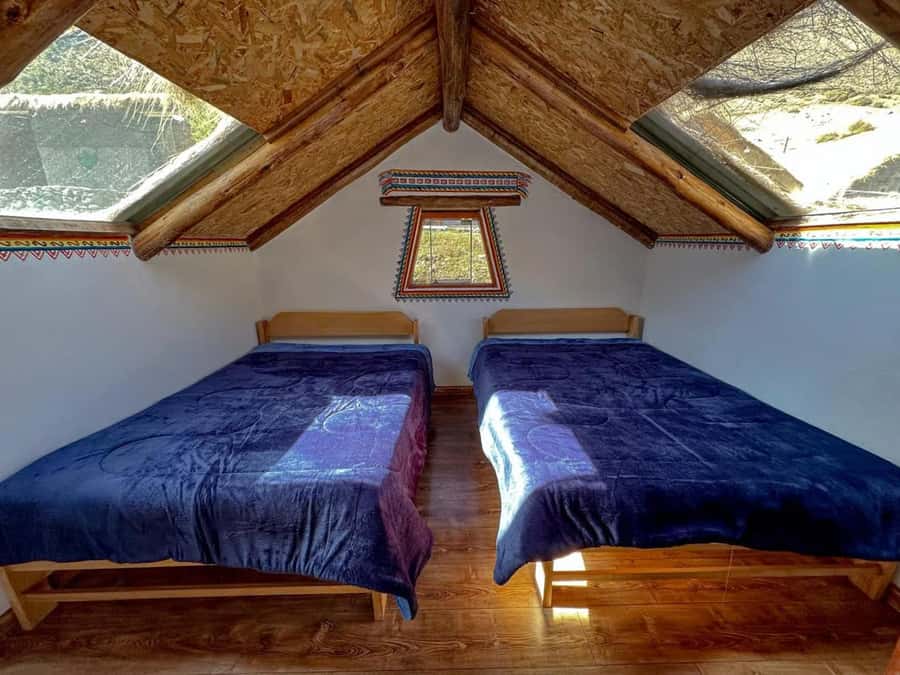
About the glamping: you sleep in a cabin with a glass roof on day 1. I like this setup because it gives you comfort without removing you from the mountain. You still hear the night sounds and feel the weather, but you’re not stuck in survival mode.
Practical note: the pace is manageable if you’re mentally ready for an early start and some sustained uphill hiking. If you’re hoping for a lazy start, this is not that trip.
Day 2: Soraypampa to Salkantay Pass, the Trail of the 7 Snakes
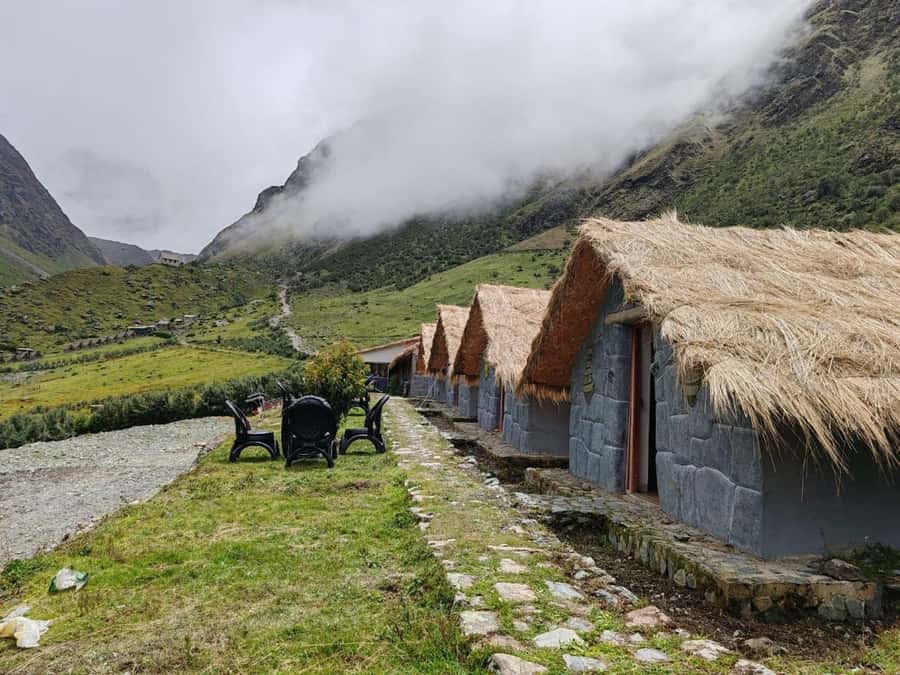
Day 2 is the big altitude day. You start with coca tea and breakfast at dawn, then trek toward Salkantay Pass at 4,630 m. The route is described as taking you through the Trail of the 7 Snakes, which is a useful detail to keep in mind because it hints at a steeper, more rugged climb.
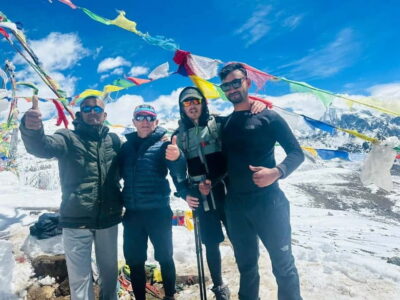
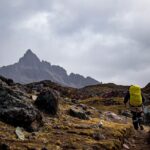
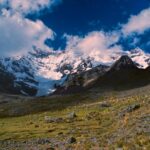
Once you reach the pass, you’re rewarded with views of Salkantay Mountain (6,271 m). This is the kind of moment where your legs feel tired but your brain goes quiet for a second. I’d expect this day to feel tough even if you’re fit, mainly due to altitude and the climb itself.
After the highest point, you drop down to Collpapampa (around 2,950 m) for dinner and sleep. You stay in cozy Sky Huts Camp that night. That drop in elevation is part of why the next days feel possible. It’s also why your success on day 2 is so important: if you pace well, the trek stops feeling like a single grinding day.
One consideration: this is not a sit-and-enjoy walk. If you have back problems, heart issues, respiratory issues, epilepsy, or mobility limitations, this isn’t the right match. The provider explicitly lists those as no-go categories, and the altitudes make that advice feel very real.
Day 3: Santa Teresa Valley Walk, Coffee Tour, and Cocalmayo Hot Springs
By day 3, the trekking shifts from peak altitude drama to recovery and warm-weather rhythm. You wake up around 6 a.m., take coca tea and breakfast, then head out from camp toward La Playa through the Santa Teresa Valley.
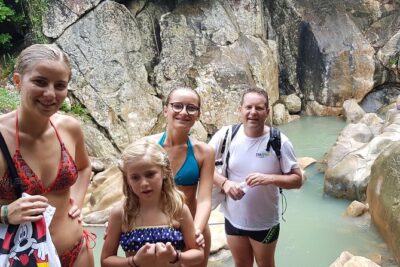
After lunch at camp, the highlight options kick in. First: Cocalmayo hot springs. If you’ve ever wondered why trekkers get so enthusiastic about hot springs after a multi-day climb, here’s your answer. Warm water doesn’t magically erase soreness, but it does help your body feel like it’s back in the game. It’s also a mental reset: you stop moving for a bit and just let your muscles cool down the right way.
Then there’s a coffee tour experience. This is a nice contrast to the mountains because it ties your trip to something you can taste later. You’re not just walking through a view; you’re learning how local people work with a product that matters to the region.
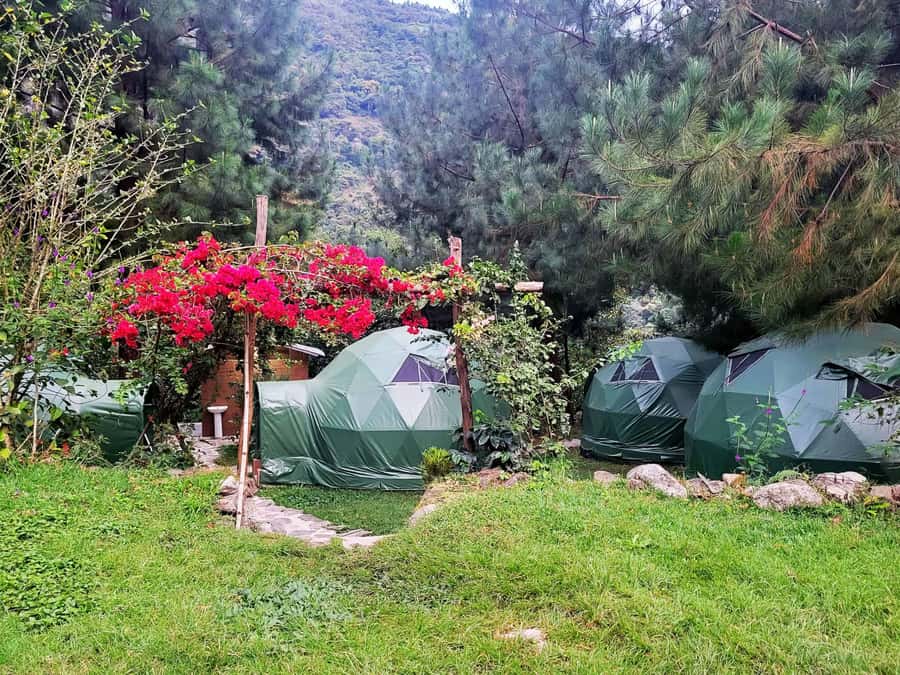
You can also choose an optional zipline on day 3. If that doesn’t sound like your thing, you can simply unwind at camp. Either way, the day ends with dinner and sleeping in a dome. The dome nights feel quieter and more weather-protected than basic camp setups, and that helps you actually rest.
A small heads-up: group energy can affect your day. One booked experience pointed out a mix of younger and older participants that created some waiting. In a group of up to 15, it’s rarely total chaos, but faster hikers should be ready for a little “catch-up” time.
Day 4: Llactapata Ruins, a Touch of the Inca Trail, and the Move to Aguas Calientes
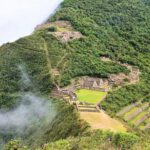
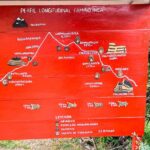
Day 4 is a thriller day in a good way. You have breakfast in camp, then start the final trekking push that includes a section of the original Inca Trail. You climb for about 2 hours uphill to reach Llactapata (around 2,700 m), which is an archaeological site with views of Machu Picchu.
This is a smart insert into the Salkantay story because Llactapata gives you that Inca-feeling terrain before you arrive at the big one. If Machu Picchu is your end goal, this day is how you get your mind ready for it.
After Llactapata, you descend for about 2 hours. You’ll catch glimpses of the citadel before stopping for lunch in Hidroeléctrica. Then you arrive in Aguas Calientes, check into a 3-star hotel, and eat dinner at 7:00 p.m. You’ll use that evening to prep for Machu Picchu the next morning.
Here’s the balance: Aguas Calientes hotels are often more “functional” than “romantic.” One booked experience flagged a very noisy stay and lack of warm water. You don’t get that guaranteed upgrade listed as part of the trip, so if you’re sensitive to noise or you care a lot about hot showers, pack for it mentally and physically.
Machu Picchu Morning: Circuit 2B at 7:00 am and Choosing Your Own Adventure
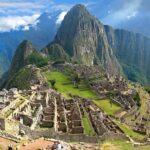
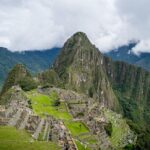
Your Machu Picchu day starts with a guided visit of about 1.5 hours. The ticket type is Circuit 2B, starting at 8:00 a.m. (guided visit time is listed with that circuit). That early slot helps you beat some of the day’s biggest crush and keeps the day moving.
During the guided portion, you’ll be learning what you’re looking at. After that, you get free time to explore on your own. The options listed include hiking Huayna Picchu (2,720 m) or Machu Picchu Mountain (3,000 m), plus visiting the Sun Gate (2,729 m) or Inca Bridge.
A key value point here: the tour includes skipping the ticket line, so you spend less time stuck and more time inside the ruins. It’s a small thing that can make a big difference when you’re tired from trekking.
One practical caution: Machu Picchu entrance is not included. The ticket for Circuit 2B at 7:00 am is listed as $45 (subject to availability on the official government site). That’s part of why you should budget for the full experience, not just the headline trekking price.
What You Really Pay: The $35 Headline Price vs Added Costs
The summary lists the price as $35 per person, but the important thing is how the inclusions and exclusions work together. This trip is clearly built around guided trekking, pro meals, camps, transport from Cusco to the trailhead, and the Machu Picchu guided circuit. That’s a lot of logistics bundled into one plan.
But you’ll still want to plan for major extras:
- Machu Picchu entrance (Circuit 2B) is listed separately at $45
- Entrance to Humantay Lake costs PEN 20
- Hot springs entrance and transport are separate (PEN 10 + PEN 40)
- Walking sticks and a sleeping bag can be rented (US$10 each for the whole trek)
- Zipline is optional and costs $28
- The return ride from Hidroeléctrica back to Cusco is not included (listed as $12 by bus)
- Optional train return (+USD 90) is offered
So what’s the value? I’d say it comes from the combination of:
1) mountain chef meals (breakfasts, lunches, dinners, plus snack and tea time),
2) glamping-style camps with a personal pad and pillow,
3) an included guided Machu Picchu morning experience, and
4) real support tools like first-aid equipment, walkie-talkies, and an oxygen bottle for emergencies.
If you want a high-effort trek without having to manage camp cooking, guide staffing, and daily food logistics, this bundled approach can be a strong deal. If you’re trying to minimize every extra fee, you’ll need to budget a bit more carefully.
Comfort, Safety, and Altitude Reality (What Makes This Trip Feel Easier)
This trek includes practical safety and comfort elements that matter on rugged routes. There’s first-aid equipment, walkie-talkies, and an oxygen bottle for emergencies. That doesn’t remove the risk of high altitude, but it does mean you’re not traveling blind.
You also get coca tea each morning in camp, which is a small comfort habit that can help you transition into the day. The trip also provides free electricity in all camps to charge your electronics, which is a big deal for navigation, photos, and keeping your phone battery alive.
Another helpful detail: your duffle bag includes up to 6 kilos carried by horses during the trek. That means you’re not dragging everything on your back for days. You’ll still carry a daypack, but the load can be more realistic for your knees and lungs.
As for comfort and gear:
- Walking sticks and sleeping bag are rentable through the provider
- There’s guidance on warm layers, rain-proofing via the clothing mindset, and altitude-ready essentials like gloves and long-sleeved shirts
- You’ll want a reusable water bottle (drinking water for bottles is listed as not included)
Meals on the Mountain: Why the Chef Setup Is a Big Deal
The standout repeatedly is food quality. You get multiple meals daily: 5 breakfasts, 4 lunches, and 4 dinners, plus snacks and tea time each afternoon. Meals are prepared by a professional chef with cooking equipment, which helps you avoid the usual trek-food problem of bland, low-energy fuel.
That chef setup matters because your body is burning more calories than normal. Good meals help you pace yourself through tough stretches instead of relying on sugary snacks that wear off fast.
There’s also an important value detail: vegetarian and vegan options are available on request with no additional charges. That takes the anxiety out of meal planning. If you eat plant-based, you can pack the mental checklist and focus on the trail.
Your Guide Can Make or Break It
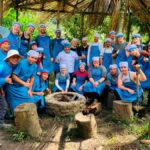
This is one of those trips where guide quality shows up quickly. Names from booked experiences include Ruben, and also Roger and Reynaldo. Another set of guides mentioned were Tupac and Nidia, praised for being attentive and kind while sharing knowledge.
Even if you don’t know the name of your guide ahead of time, I’d judge the trip by behaviors that the guides in these experiences were praised for: helping you when there’s a problem, keeping the group moving with clarity, and explaining what you’re seeing so the walk feels meaningful instead of just hard.
In a small group (up to 15), a guide’s pacing and communication style can make the difference between a smooth day and a stressful one.
Who This Trek Is Best For (And Who Should Skip It)
This trek is a fit if you want a demanding high-altitude adventure with built-in comfort and solid food. I’d also say it works well if you’re excited by the idea of blending trekking with local experiences like coffee and relaxing at hot springs.
But skip it if any of these apply:
- Pregnant women
- People with back problems
- People with mobility impairments or wheelchair users
- Children under 18
- People with respiratory issues, heart problems, epilepsy
- People over 70
Also be honest about your fitness. Day 2 climbs to the pass and day 4 includes an uphill segment to Llactapata plus longer trekking legs overall. This trip is not a gentle stroll.
Should You Book This Salkantay 5D/4N or 4D/3N Glamping Option?
I’d book it if you want:
- a high-reward route with Humantay Lake and Salkantay Pass,
- the comfort upgrades of glamping camps and warm meal planning,
- a guided Machu Picchu morning that saves time on logistics,
- and you’re okay paying for Machu Picchu entrance and a few optional add-ons.
I wouldn’t book it if you’re extremely noise-sensitive, very price-sensitive about every extra fee, or you need a fully flexible, low-impact trek. Also, if you’re nervous about altitude, you should talk to a medical professional and consider your limits carefully.
If you do book, do it with the right mindset: this is an adventure trek with real climbing. The reward is the mix of remote mountain silence, warm recovery in the valley, and that guided Machu Picchu morning when the work finally pays off.
FAQ
Is the Machu Picchu entrance ticket included?
No. Machu Picchu entrance for Circuit 2B at 7:00 am is listed as $45 and is subject to availability on the official Peruvian government ticket site.
What time does the Machu Picchu guided visit start?
The guided Machu Picchu circuit is listed as Circuit 2B starting at 7:00 am, with a 1.5-hour guided visit.
Are meals included, and can they accommodate vegetarian or vegan diets?
Yes. The tour includes breakfasts, lunches, dinners, snacks, and afternoon tea time. Vegetarian and vegan options are available on request with no additional charges.
What are the sleeping arrangements during the trek?
You stay 3 nights in glamping-style accommodations: day 1 in a cabin with a glass roof, plus Sky Huts Camp and jungle domes on later nights, with a personal pad and pillow provided.
Can I rent gear like walking sticks or a sleeping bag?
Yes. Walking sticks can be rented for US$10 for the whole trek, and the sleeping bag is also listed as US$10 for the whole trek.
Is the hot springs visit included?
No. Hot springs entrance and transportation are not included (PEN 10 entrance and PEN 40 for transportation), though the option to visit is part of the day 3 plan.