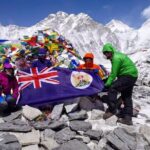
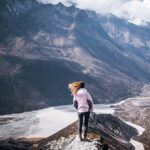
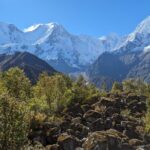
Twilight turns to fireworks on Poon Hill. This trek is built around that early-morning Himalayan sunrise, with 360-degree views and big-name peaks in sight, including two 8000m mountains. You also get a real walk through Gurung and Pun communities, plus forest time in magnolia and rhododendron country.
Two things I really like: first, the sunrise payoff is the star of the trip, and you’ll see multiple iconic peaks at once from the viewpoint before you head back down. Second, the trip is run with a licensed English-speaking guide and a clear support setup (including porters), so you’re not left figuring things out alone. One consideration: the itinerary includes steep climbing and lots of stairs, and the whole experience depends on good weather for those views.
In This Review
- Key Highlights You’ll Actually Care About
- Poon Hill Sunrise: the view that drives the whole itinerary
- Seven days total, four days on foot: transfers and trek rhythm
- Ulleri Stairs and the rhododendron corridor
- Poon Hill morning: sunrise, gorge views, and the next-day leg work
- Ghandruk finish and the cultural pieces you’ll notice along the way
- Price and logistics: what $450 gets you, and what costs extra
- The crew that makes it smoother: names to remember
- Who this trek fits best (and who should choose carefully)
- Should you book Poon Hill with Nepal Trek Hub?
- FAQ
- What time does the Kathmandu airport pickup start?
- How does transportation work between Kathmandu and Pokhara?
- Is the sunrise at Poon Hill included?
- What’s included for meals during the trek?
- Do I need a visa?
- Are hot showers or laundry included during trekking?
- Do you provide a guide and porters?
Key Highlights You’ll Actually Care About
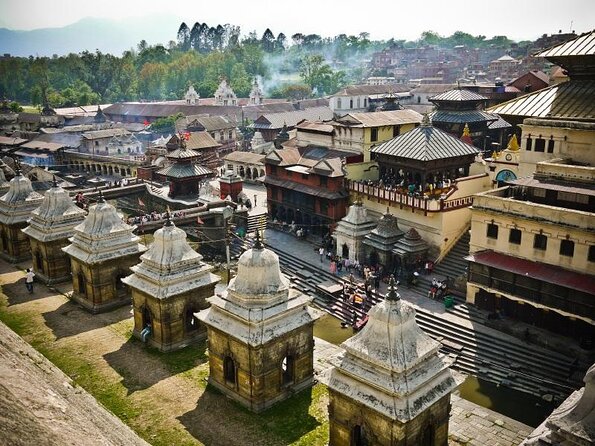
- Poon Hill sunrise with 8000m peaks in the bigger-picture view, plus classic panorama moments
- Ulleri Stairs climbing through rhododendrons and magnolia, with scenic village life along the way
- Full-board meals during trekking days and guesthouse-style lodging on the trail
- Private transportation and transfers from Kathmandu to Pokhara and back
- Careful crew support: fluent English guide and a porter ratio of 2 guests to 1 porter
Poon Hill Sunrise: the view that drives the whole itinerary
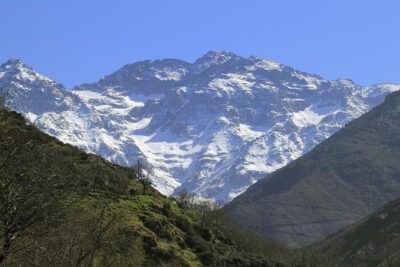
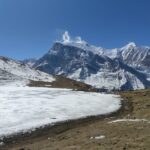
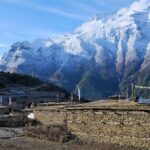
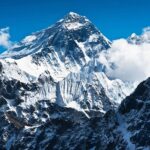
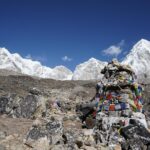
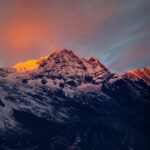
The best reason to pick the Poon Hill Trek is simple: you’re chasing sunrise over a wall of mountains. From the viewpoint, you’re looking for that moment when the light hits peaks like Dhaulagiri I, Annapurna I, and Manalsu, turning the sky into a color show before the day settles in. The experience description also calls out big-picture scale—a 360-degree feel from the viewpoint area, and the chance to see two mountains above 8000m, including Mt Dhulagiri (8167m) and Mt Annapurna (8091m).
You also get more than “pretty peaks.” The trek frames the view with geography: the Kali Gandaki Gorge drops away to a deep 6,000m figure, and the panorama connects the trans-Himalayan ranges and the Nepal–Tibet border line you can see from far across the ridges.
Here’s the practical thing: sunrise treks are timing games. You’ll start early, and if clouds roll in, that’s when you’ll feel the weather dependence of this experience. Still, this is one of the most value-friendly ways to see major Himalayan scenery without committing to a long, high-altitude expedition.
You can also read our reviews of more tours and experiences in Kathmandu.

Seven days total, four days on foot: transfers and trek rhythm
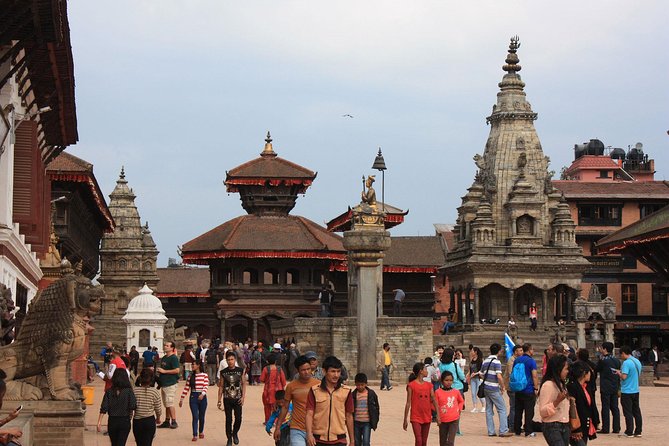
Even though people call it a Poon Hill Trek, the calendar is really a mix of getting situated and then hiking. You start in Kathmandu, with pickup from the airport and transfer to your hotel, then a briefing so you understand how the days work. The start time is listed as 7:15am at Tribhuvan Airport (Kathmandu), so plan to be ready early.
Day 2 is your big repositioning day. You drive to Pokhara, and it’s a long haul—about 8–9 hours—but it’s not just dead time. The route is described as giving mountain-range views along the way and also from Pokhara.
Then you begin the trekking approach. Day 3 is where you drive to the trekking start area around Hile, and the ride takes 3–4 hours. Once you reach Hile, you have lunch and then start walking. This is also where you feel the “trail life” immediately: the first hiking day is described as having a lot of stairs, but it’s paired with rewarding scenery—meadows, jungle, countryside views, and local village areas.
Day 6 is your close-out day. You trek down to Ghandruk, then drive back to Pokhara and the trek ends. Day 7 is the return to Kathmandu by drive.
One more logistical detail I appreciate: the trek is set up as private for your group, not a mixed free-for-all. That usually makes the pacing easier to manage, especially when you have kids or first-timers.
Ulleri Stairs and the rhododendron corridor
The Ulleri section is the climb you’ll remember, not because it’s miserable, but because it’s constant and scenic. On Day 3 you begin from the Hile area with stairs as a big feature, and the trail is described as moving through countryside that changes as you walk—meadows, stretches of jungle, and village moments.
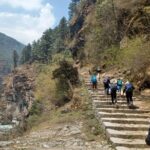
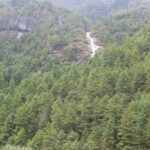
On Day 4 you go after what’s locally known as the Ulleri Stairs. This is a steep climbing day, and the itinerary specifically notes that the path winds through forests of magnolia and rhododendrons. If you happen to travel during flowering season, the experience description says the sights and scents are especially amazing—so it’s not just effort; it’s atmosphere.
There’s also a wildlife note in the plan: you might spot a Nepal grey langur moving overhead. That’s the kind of detail that makes a stair day feel like a story instead of a workout.
What to consider: stairs are the make-or-break factor for families and beginners. This trek is described as suitable for all types of trekkers and even family holiday attendees, and the supporting crew setup helps. Still, go in knowing you’re signing up for frequent uphill steps rather than a smooth rolling hike.
Poon Hill morning: sunrise, gorge views, and the next-day leg work
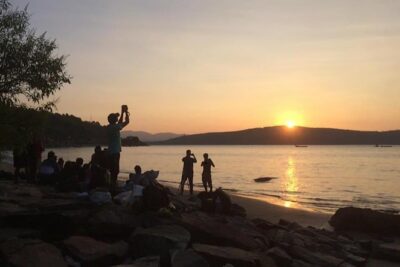
Day 5 is the big morning. You start early for an excursion to Poon Hill, then you’re rewarded with that wide panorama as sunrise lights up major peaks—again called out as Dhaulagiri I, Annapurna I, and Manalsu. The plan also highlights the scale beneath: the Kali Gandaki Gorge and the visible line of the Nepal–Tibet border as shaped by the trans-Himalayan ranges.
After that viewpoint moment, you return for a late breakfast and then get back on the trail. The walk from Ghorepani to Tadapani is described as notoriously hilly, with lots of up-and-down. Translation: you don’t get a flat recovery day. Your legs will feel it.
The good news is that you’ll be walking through dense, flowering forests as you go. So even when the legs are negotiating your next step, the visuals keep you interested.
If you’re traveling with kids or someone who’s new to trekking, this part matters. It’s not a single steep push; it’s more like a day of frequent terrain changes. Your guide’s job here is pacing—getting you moving enough to make progress but not so fast that you burn out before the payoff.
Ghandruk finish and the cultural pieces you’ll notice along the way
The trek closes with a descent into Ghandruk on Day 6, followed by driving back to Pokhara. From there, Day 7 brings you back to Kathmandu.
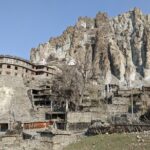
Even without listing museum stops, the cultural element is baked into the hiking days. The overall experience highlights time with local communities along the trails—specifically Gurung and Pun people—and the route description includes countryside and village moments during the earlier walking days. That matters because Poon Hill can feel like a “viewpoint-only” trek if you rush it. A supported itinerary helps you keep the pace steady so those everyday village scenes don’t get skipped.
I also like how the itinerary blends nature and culture without turning either into a performance. You’ll be outside a lot, then you’ll come back to guesthouse-style lodging during trekking days, with the crew handling the logistics so you can focus on walking and noticing.
Price and logistics: what $450 gets you, and what costs extra
At $450.00 per person, this trek can be good value because it includes more than just “a guide and some stairs.” Your included package lists private transportation (including Kathmandu airport transfer by private vehicles), guesthouse-based trekking accommodation, and meals on full board during the trekking days—breakfast, lunch, and dinner each day while you’re on the trail.
It also includes the support structure: a fully escorted trek with a fluent English-speaking licensed guide, and a porter plan of each 2 guest 1 porter. There’s also Annapurna conservation area project permits in the included list, plus a tourist bus transfer from Pokhara to Kathmandu for guest and guide. Add-on included items you’ll appreciate on the ground: a first aid box, duffle bag if you need it, and seasonal fruits if possible.
Now the parts that aren’t included (and you should plan for):
- Nepal entry visa fee: US$40
- Lunch and dinner in Kathmandu and Pokhara cities
- Battery charges, laundry service, phone calls, and hot shower during the trekking (so don’t build your comfort plans around those)
- Personal trekking equipment and clothing
- Personal drinks, bars, and nature expenses
- Travel insurance (listed as mandatory for emergencies)
- Tips for the crew (not compulsory, but expected)
- Any donation and monument entrance fees
One other reality check: this is a weather-dependent experience. The cancellation terms are friendly in principle—if it’s canceled due to poor weather, you’ll be offered another date or a full refund. That’s important, because with sunrise trekking, “clouds happen” even when everyone does their part.
The crew that makes it smoother: names to remember
What separates a well-run trek from a chaotic one is how someone handles timing, guidance, and small problems. In the service style described here, the guide role is front and center: a fluent English-speaking licensed guide, plus porters who help carry loads.
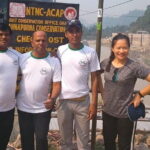
From the people named in the service notes, a few stand out: Mr. Shree Ram, Mr. Nabaraj, porter Ashuk, guide Sheeram, guide Abishek, guide Bimal, and guide Ashish. The consistent theme in the descriptions is attentiveness—helping you get your bearings fast, staying close enough to guide when plans need adjusting, and supporting you through real-life conditions rather than just reading a script.
That’s not just comforting; it’s practical. When you’re dealing with stairs on Ulleri or the ups and downs after sunrise, small pacing adjustments can mean the difference between finishing feeling strong versus limping out of the day.
Who this trek fits best (and who should choose carefully)
This Poon Hill Trek is a strong pick if you want:
- Big sunrise views without a long, technical expedition
- A trail with countryside and village scenes rather than only scenery-from-bus
- A setup that’s workable for beginners and also for families (the service notes include families with children trekking the route)
You should think twice if:
- Stairs and steep climbs are a major concern for you or your group
- You’re traveling during a period when weather reliability is a worry and you can’t be flexible with dates
- You want a trek that’s flat and gentle throughout (this one has stairs and hilly stretches)
If you go in with the right mindset—steady pace, rest when your guide suggests, and respect the early-morning timing—you’ll probably end up loving the balance here: effort, then payoff, then a smooth finish back toward city life.
Should you book Poon Hill with Nepal Trek Hub?
Book it if sunrise is your priority and you want a structured, fully supported trek with airport and Pokhara logistics handled, plus full-board meals during the trekking days. It’s also a good match if you want help navigating stairs and timing, with a guide and porter support plan included in the price.
Keep looking if your group hates climbs, or if you’re planning a trip around fixed dates where weather flexibility would be impossible. For most people, though, the combination of major Himalayan views, forest-and-village trail time, and guided support makes this a very reasonable way to experience the Annapurna region.
FAQ
What time does the Kathmandu airport pickup start?
The start time listed for the experience is 7:15am at Tribhuvan Airport in Kathmandu, Nepal.
How does transportation work between Kathmandu and Pokhara?
You’ll be transported from Kathmandu to Pokhara by tourist bus, and the return is also by tourist bus for guest and guide. You also drive as part of the trekking approach to the start area and for the wrap-up back to Pokhara.
Is the sunrise at Poon Hill included?
Yes. The itinerary includes an early excursion to Poon Hill for sunrise and panoramic mountain views.
What’s included for meals during the trek?
Meals are included on a full-board basis during trekking days: breakfast, lunch, and dinner each day while you’re on the trail.
Do I need a visa?
The Nepal entry visa fee is not included and is listed as US$40.
Are hot showers or laundry included during trekking?
No. Hot showers during the trekking, as well as laundry service and battery charges, are not included.
Do you provide a guide and porters?
Yes. The trek is fully escorted with a fluent English-speaking licensed guide, and the porter plan is 2 guests to 1 porter.