REVIEW · KATHMANDU
POON HILL HOT SPRING – 10 Days Trek
Book on Viator →Operated by Overland Trek Nepal · Bookable on Viator
Sunrise at Poon Hill hits fast. This 10-day trek pairs big Himalayan viewpoints with historic village days and the feel-good stop at Jhinu Danda hot spring. You’ll walk an efficient route that’s known for being a fast, smooth trek, with plenty of classic Annapurna-region scenery along the way.
I especially like the way the itinerary is built around the Poon Hill sunrise (with views of the Annapurna range and Dhaulagiri at 8167m). I also love that you’re not just chasing views: you get time in places like Ghandruk and the trekking-style rhythm of tea-house life between climbs.
One drawback to plan for: you’ll do an early uphill start for sunrise, and the longer road days (Kathmandu–Pokhara and back) mean you’ll want good energy going into Day 3. Also, good weather matters for those mountain views.
In This Review
- Key things that make this trek click
- Why Poon Hill and the hot spring stop make this more than a viewpoint trek
- Route overview: Kathmandu to Pokhara, then Ulleri and Ghorepani
- Days 3–5: Ulleri, Ghorepani, and the Poon Hill sunrise you came for
- Day 3: Ulleri (2010m)
- Day 4: Ghorepani (2874m)
- Day 5: Poon Hill (3210m) sunrise, breakfast, then Tadapani (2630m)
- Days 6–7: Jhinu Danda hot spring and Ghandruk village life
- Day 6: Tadapani to Jhinu Danda (hot spring day)
- Day 7: Jhinu Danda to Ghandruk (1940m)
- Day 8–10: Ghandruk back to Nayapul, Pokhara, Kathmandu, and your extra time
- Price and what you’re actually paying for at $1,099
- Pace and altitude: the “fast and smooth” part comes with real early mornings
- Guide and logistics: private group support, porter help, and permits handled
- Should you book this Poon Hill hot spring trek?
- FAQ
- How long is the Poon Hill Hot Spring trek?
- Where is the meeting point and when do we start?
- Is airport pickup and drop included?
- What permits are included?
- Is there porter support on the trek?
- What are the main trekking highlights on the route?
- What does the price include for meals and lodging?
- What is not included, and is cancellation possible?
Key things that make this trek click
- Poon Hill sunrise timing built into the middle of the trek, so you’re not “waiting at the end” for payoff
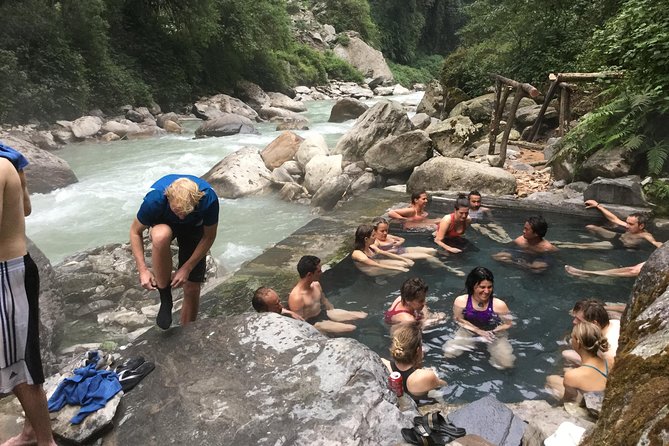
- Jhinu Danda hot spring as an easy reward after trekking down from Tadapani
- Village days you can actually enjoy, including Ulleri, Ghorepani, and Ghandruk
- Permits handled for you: TIMS card plus Annapurna Conservation Area entry and Poon Hill park coverage
- Porter support (1 porter between 2 people on a basic setup) that helps keep the load realistic
- Private group feel, so the trek pace is controlled for your group rather than blended into a huge crowd
Why Poon Hill and the hot spring stop make this more than a viewpoint trek
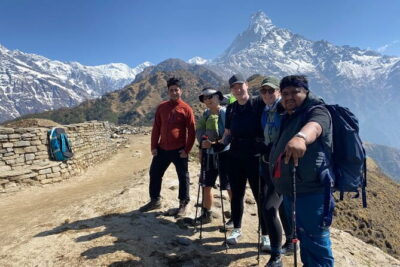
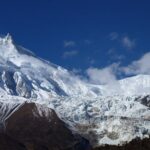
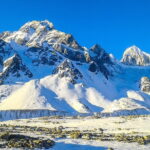
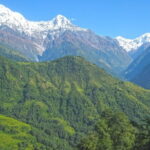
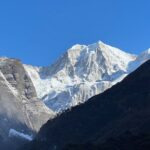
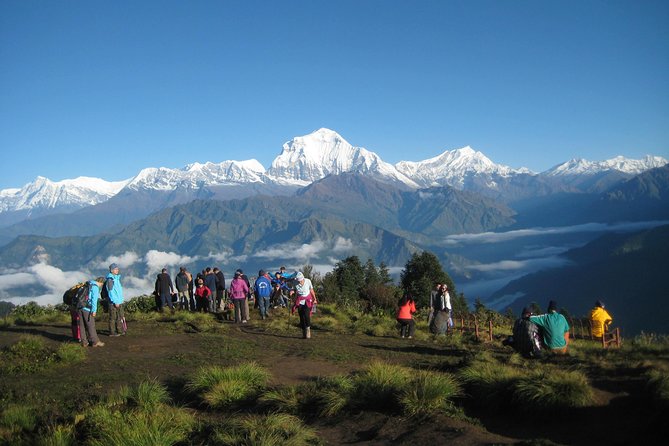
Poon Hill is famous for a reason: it gives you one of the most popular “first real look” moments in the Annapurna region. You hike up to Poon Hill (3210m) early, then catch sunrise over a wide spread of peaks. The itinerary even calls out Dhaulagiri (8167m) as part of what you may see from this viewpoint, alongside the larger Annapurna panorama.
But what makes this trek feel complete is the pairing. After your big sunrise day, the route keeps moving through the villages and then drops you toward Jhinu Danda (1780m) for the hot spring. Instead of ending on another climb, you get a body-and-mind reward that’s practical after a multi-day effort. It’s the kind of day that helps you feel like the trek is working for you, not just exhausting you.
You can also read our reviews of more tours and experiences in Kathmandu.

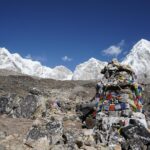
Route overview: Kathmandu to Pokhara, then Ulleri and Ghorepani
The tour starts with you in Kathmandu, then shifts you to Pokhara so you’re in position for the actual trek. The big travel move happens by bus from Kathmandu to Pokhara, with the schedule showing a long travel day (about 12 hours). You’ll sleep in Pokhara at roughly 820m, which matters because it gives your legs and your head time to get used to being in Nepal’s hills before you start climbing.
Day 3 is where the trek truly begins. You go from Pokhara to Nayapul by private transport (about 1.5 hours), then step onto the trail to Ulleri (2010m). Ulleri is a classic start point in this region because it sets the pattern: you climb, you pass through small village life, and you keep building altitude in a way that feels manageable within the trek’s overall “fast and smooth” style.
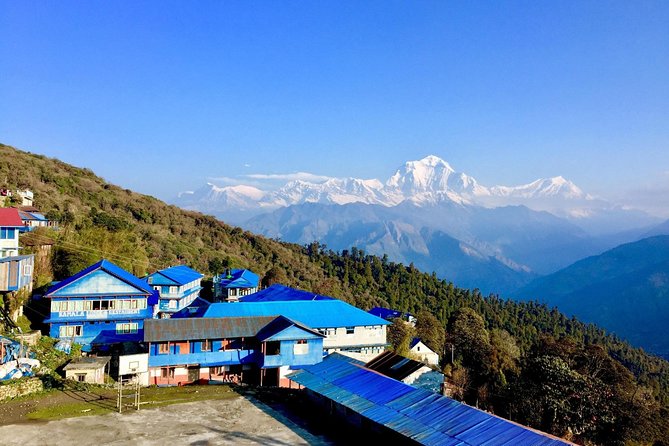
Day 4 takes you from Ulleri to Ghorepani (2874m). Ghorepani is your staging area for Poon Hill. It’s also the place where you’ll feel the rhythm of the trekking corridor: morning and evening bustle in a small radius, simple tea houses, and people tuning their plans for sunrise.
Days 3–5: Ulleri, Ghorepani, and the Poon Hill sunrise you came for
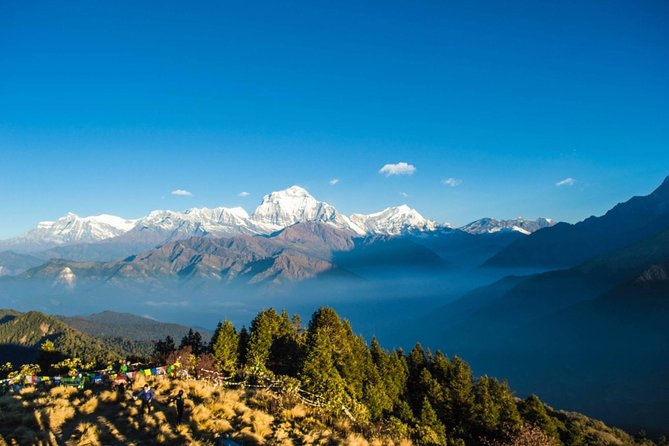
Day 3: Ulleri (2010m)
This day is about transition. You’re moving from road travel to trail travel. The route has you trekking uphill toward Ulleri, so it’s a good “warm-up” day for your body and for learning your pacing.
Practical note: if you tend to go out too fast early, this is the day you’ll feel it later. Start steady. You’re not racing for Instagram—this itinerary is built for enjoyment, not sprints.
Day 4: Ghorepani (2874m)
The Ghorepani climb is where you’ll notice altitude more. You’re gaining elevation toward the 3210m viewpoint that’s coming next day. If you want to treat this like a pro trek, you’ll do it like this: slow down on the steep bits and save your breath for the flat or gently rising sections.
Ghorepani is also a useful buffer mentally. It’s not the final highlight yet, but it’s the place where you’ll settle in and prepare for the sunrise push.
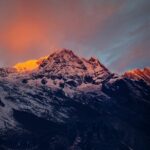
Day 5: Poon Hill (3210m) sunrise, breakfast, then Tadapani (2630m)
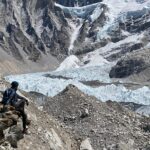
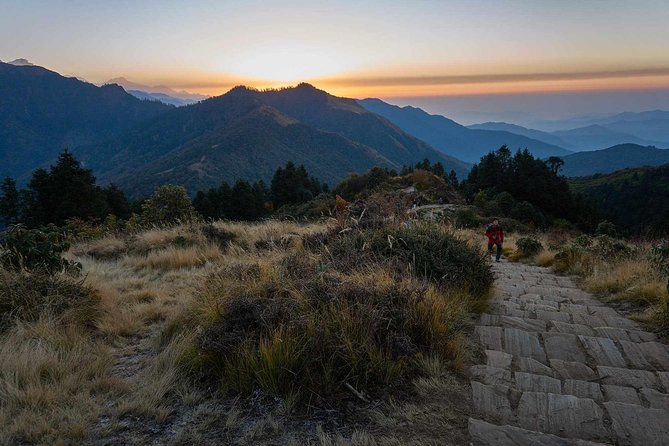
This is the heart of the experience. The schedule has you hike uphill early to reach Poon Hill for sunrise views of the Annapurna range, including mention of Dhaulagiri (8167m). After that viewpoint time, you go downhill and get breakfast, then continue trekking to Tadapani (2630m).
What I like about this setup is that it gives you two kinds of reward:
- A high-moment payoff (sunrise)
- A practical recovery payoff (breakfast and the ability to keep walking without feeling like the trek ends right after the big view)
One consideration: sunrise depends on weather. The tour information specifically notes that the experience requires good weather, and cancellations may happen if conditions are poor. So if your travel dates are flexible, consider building in breathing room.
Days 6–7: Jhinu Danda hot spring and Ghandruk village life
Day 6: Tadapani to Jhinu Danda (hot spring day)
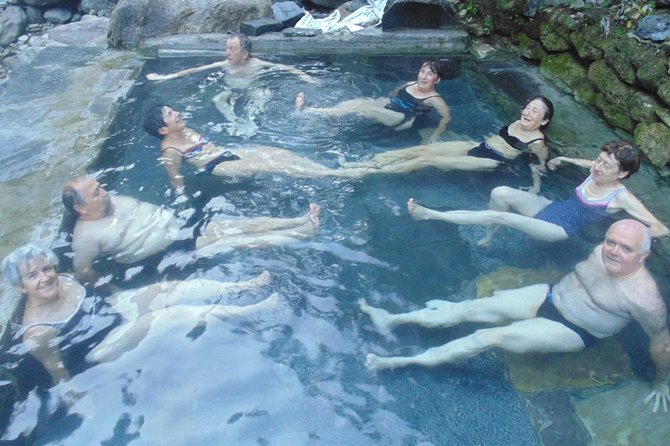
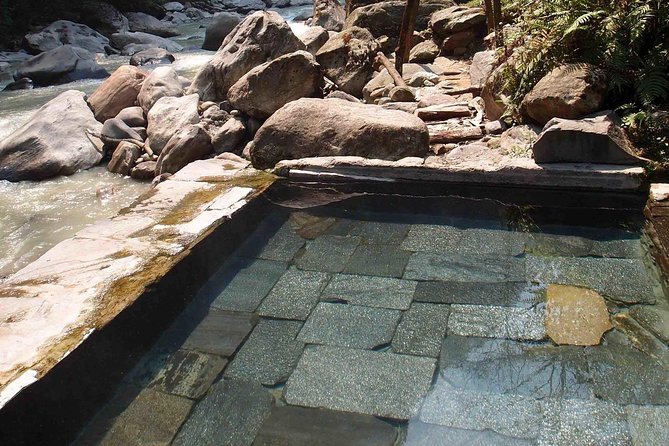
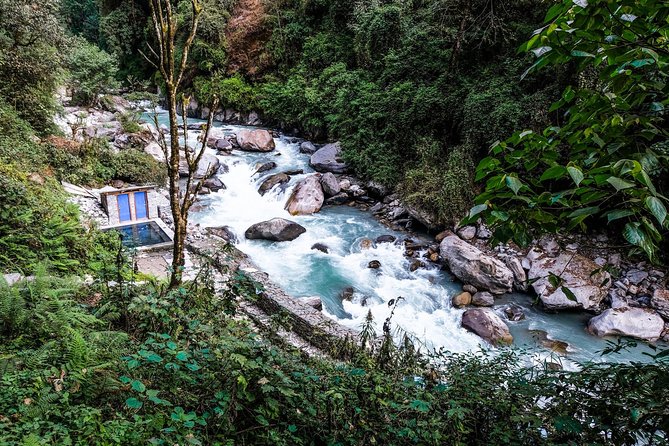
This is the day that most people remember for how good it feels after trekking. You trek down from Tadapani (2630m) to Jhinu Danda (1780m), and the hot spring is the featured reward.
Here’s the real value of adding hot springs to a trek: it changes how you recover. Even if you keep the soak short, your legs usually feel it the next day. It also breaks the monotony of trekking-only days, giving you a proper activity beyond walking.
Day 7: Jhinu Danda to Ghandruk (1940m)
On Day 7 you move from the hot spring zone to Ghandruk (1940m). Ghandruk is a village stop that fits perfectly into a sunrise + village trek combo. You get altitude without the same early-morning grind you had for Poon Hill, and you’re positioned for a scenic village-style day.
If you care about seeing how people live in the mountains (instead of just passing through), this is one of your best chances. The itinerary is structured to give you time in meaningful village areas rather than only doing peak-to-peak hiking.
Day 8–10: Ghandruk back to Nayapul, Pokhara, Kathmandu, and your extra time
Day 8 brings you down to Nayapul (1070m) from Ghandruk, then you return to Pokhara (820m) by private transport. After that, the next big travel day is Day 9: Pokhara to Kathmandu by tourist bus (about 12 hours is implied by the earlier bus day length style, though your schedule shows Day 9 as a bus transfer with a height around 1336m).
By Day 10, it’s departure or an optional extra stretch in Kathmandu for shopping and sightseeing.
This structure is practical: it prevents you from ending the trek with multiple sketchy nights in transit. Still, you should plan for travel fatigue. Two long road days plus trekking can feel like a lot unless you keep your expectations realistic.
Price and what you’re actually paying for at $1,099
At $1,099 per person, this isn’t the cheapest way to do Poon Hill. But when I look at what’s included, the price starts to make sense for people who want less hassle.
What you get included (high value items):
- TIMS card (Trekkers Information Management System)
- Annapurna conservation area permits, including Poon Hill park coverage
- Porter service: stated as 1 porter between 2 people (basic)
- A medical kit
- Airport pick up and drop
- All ground transportation: Kathmandu–Pokhara–Kathmandu by tourist bus, plus trek-side private transport segments
- Two nights accommodation in Pokhara with breakfast
- Meals listed as breakfast (10), lunch (6), and dinner (5)
- A company duffel bag and a t-shirt
- A trip certificate is mentioned in the inclusions
What you don’t get included (where you’ll spend more):
- Travel medical insurance and emergency evacuation costs
- Nepal entry visa fee and international airfare
- Personal equipment
- Tips for guide and porter
- Personal extras like alcoholic beverages and hot shower costs
The smartest way to judge value is this: if you were booking all permits and logistics yourself—then dealing with transport timing, paperwork, and porter arrangements—the “included” part is doing real work. For many people, that reduces stress enough to be worth the price.
Pace and altitude: the “fast and smooth” part comes with real early mornings
This trek is described as fast and smooth, which lines up with the daily structure: you’re moving from place to place each day without overly long “death march” stages listed in the day-by-day plan. You’ll still climb, especially around Ghorepani (2874m) and the pre-sunrise push to Poon Hill (3210m).
The tour guidance asks for moderate physical fitness level, which is a fair match for a trek that hits multiple altitude zones in about 7 trekking days (Days 3–8) plus transport days.
If you’re trying to make this easier on yourself:
- Keep your effort steady on uphill sections
- Plan to sleep early before the sunrise day
- Expect that colder temperatures may come with the higher elevations, especially in the early hours
One more reality check: sunrise viewing is weather-dependent. The itinerary gives you the best odds, but Nepal can still surprise you.
Guide and logistics: private group support, porter help, and permits handled
This is run by Overland Trek Nepal, and the experience is set up as a private tour/activity, meaning only your group participates. That can help your day-to-day rhythm because you’re not stuck with a mixed pace.
You’ll also have a porter service in place (1 porter between 2 people basic). Even a basic porter arrangement can make a huge difference if you’re carrying layers, water, a camera bag, and snacks. The goal is to help you enjoy the walking instead of managing heavy loads.
On the guide side, the supplied review info includes praise for a guide named Nikesh Dhakal in relation to other Nepal treks with the same company. The notes also emphasize being accommodating and offering mountain explanations. While that doesn’t guarantee who you’ll have on your exact dates, it does tell you the company has experienced staff who focus on making you comfortable and informed.
Should you book this Poon Hill hot spring trek?
Book it if:
- You want the classic Poon Hill sunrise plus a rewarding recovery day at Jhinu Danda hot spring
- You prefer an organized plan that handles permits (TIMS + conservation entry) and the main transport moves
- You like village trekking days like Ghandruk, not only viewpoint hopping
Skip it (or rethink your dates) if:
- You’re not ready for early starts tied to sunrise
- You have no flexibility and your travel window is tight, because the tour specifically notes good weather is required
My final take: this is a strong “first major Annapurna-style trek” option. It’s structured, it’s not overly stretched out, and it gives you a clean sequence of big moments—sunrise, villages, and that hot spring reset—without turning your trip into a logistics headache.
FAQ
How long is the Poon Hill Hot Spring trek?
The tour is listed as 10 days (approx.), running from Kathmandu to Pokhara and back, with trekking across the Poon Hill area.
Where is the meeting point and when do we start?
The meeting point is Thamel, Kathmandu 44600, Nepal, with a stated start time of 8:15 pm.
Is airport pickup and drop included?
Yes. The tour includes airport pick up and drop by car/van/bus.
What permits are included?
The tour includes the TIMS card and Annapurna conservation area trekking entry permits, including Poon Hill park coverage.
Is there porter support on the trek?
Yes. A porter service is included, listed as 1 porter between 2 person basic.
What are the main trekking highlights on the route?
The itinerary centers on the early morning hike to Poon Hill for sunrise views, plus a hot spring day at Jhinu Danda, and village trekking stops such as Ghandruk.
What does the price include for meals and lodging?
You get two nights accommodation in Pokhara with breakfast, and meal counts listed as breakfast (10), lunch (6), and dinner (5).
What is not included, and is cancellation possible?
Not included: travel medical insurance and emergency evacuation, Nepal entry visa fee, international air fare, personal equipment, and tips for guide and porter, plus personal extras like alcohol and hot shower. Cancellation is free up to 24 hours in advance, and the experience requires good weather, with a different date or a full refund if canceled due to poor weather.