REVIEW · KATHMANDU
8 Days Annapurna Base Camp Budget Trek from Kathmandu
Book on Viator →Operated by Welcome Nepal Treks P.ltd · Bookable on Viator
That first view of the Annapurnas keeps you hooked. This 8-day Annapurna Base Camp trek is built for real mountain time: you’ll hike from the Siwai area through terraced villages and forest paths, then work your way into the Annapurna Sanctuary for base camp sunrise. It also pairs big trekking days with recovery breaks in Pokhara, including free time by Phewa Lake and an extra hot-spring reset at Jhinu.
I like that the trip handles the stuff that can get messy—ACAP/conservation permits and “all necessary paper works”—while keeping the day-to-day hiking straightforward. I also like the pacing choices in the route: Machhapuchuchhre Base Camp (3,700 m) leads into the sanctuary approach, and the itinerary gives you a clear sunrise-to-descent rhythm.
One consideration: lunch and dinner during the trek aren’t included, so your final daily spending can creep up if you eat more than the basics or buy lots of drinks along the way.
In This Review
- Key highlights worth your attention
- A budget Annapurna Base Camp plan that still feels like the mountains
- Kathmandu to Pokhara: use the lake day to reset your brain
- Day 2: Siwai to Chhomrong—villages, a suspension bridge, and big names of peaks
- Day 3: Sinuwa and Bamboo—oak/rhododendron forest into the Modi River gorge
- Day 4: Hinko Cave and Deurali to Machhapuchchhre Base Camp (3,700 m)
- Day 5: Annapurna Base Camp sunrise and a 1,700 m descent to Bamboo
- Day 6: Kuldhigar visitor area, Chhomrong village, then Jhinu hot spring relief
- Day 7: Trek to Nayapul, drive back to Pokhara, and enjoy a real rest
- Day 8: Return to Kathmandu by tourist bus
- Price and value: what $853.34 covers (and what can add up)
- Pace, fitness, and altitude: plan smart, not heroic
- Guide support and group size: why max 15 matters
- What you’ll likely spend extra on (so you don’t get surprised)
- Should you book this Annapurna Base Camp budget trek?
- FAQ
- What is the meeting time for this trek?
- How long is the Annapurna Base Camp trek?
- Where does the itinerary start and end?
- What transportation is included?
- What does the price include?
- Are meals included during the trek?
- How many people are in a group?
- How high do you go on the trek?
- Is free cancellation available?
Key highlights worth your attention
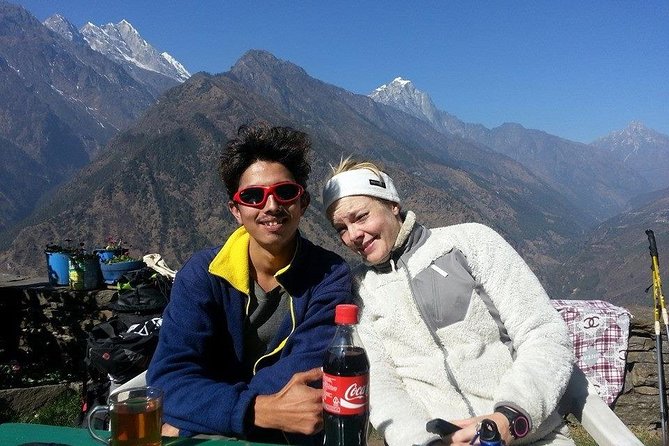
- Sunrise at Annapurna Base Camp: the schedule is built around a morning start on Day 5.
- Jhinu hot spring recovery: you get it at least once, and the plan lets you go again on the way back.
- Permits and paperwork handled: conservation entry requirements and documentation are included.
- Small group trekking (max 15): easier coordination and a more personal feel than giant groups.
- Guide support you can lean on: an experienced, helpful guide is included, plus their support costs.
A budget Annapurna Base Camp plan that still feels like the mountains
If you’ve looked at Annapurna Base Camp options and thought, Okay, but will I feel rushed, this trek’s structure is the answer. You’re getting a classic route into the sanctuary—forests, villages, river gorges, then high-altitude drama—without paying for a “luxury lodge package” type of overhead.
The best part is that it mixes mountain payoffs with actual downtime. You start with a Pokhara buffer after the drive from Kathmandu, and you end with another Pokhara night before returning to Kathmandu. That matters because Annapurna isn’t just walking; it’s also cold mornings, long descents on tired legs, and mental focus.
You can also read our reviews of more tours and experiences in Kathmandu.
Kathmandu to Pokhara: use the lake day to reset your brain
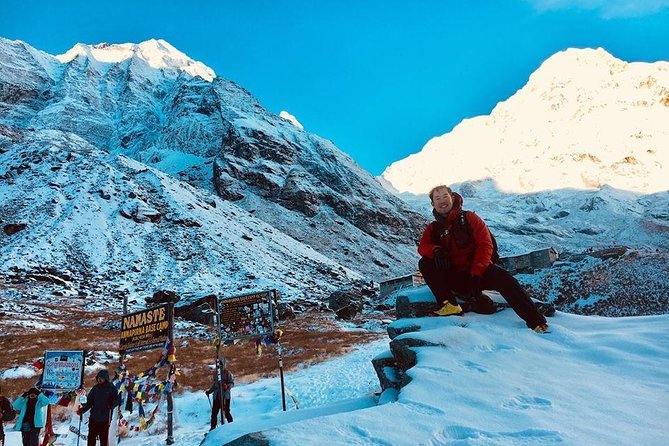
Day 1 is a straight transport day: a tourist bus ride from Kathmandu to Pokhara (around 210 km, about 5–6 hours). When you arrive, you get free time to self-explore around Phewa Lake and the lakeside tourist area.
I like this approach because it sets you up for trekking without forcing you into an immediate hiking schedule. You can do simple things: take a relaxed walk, eat a real dinner, and get your gear sorted. You’ll also be sleeping in Pokhara at a 3-star hotel (Hotel Third Pole or similar), with free breakfast included.
If you’re the kind of person who hates wasting evenings, this is still a good use of time. Just don’t overpack your plans—your start time is early later, and your legs need a calm first night.
Day 2: Siwai to Chhomrong—villages, a suspension bridge, and big names of peaks
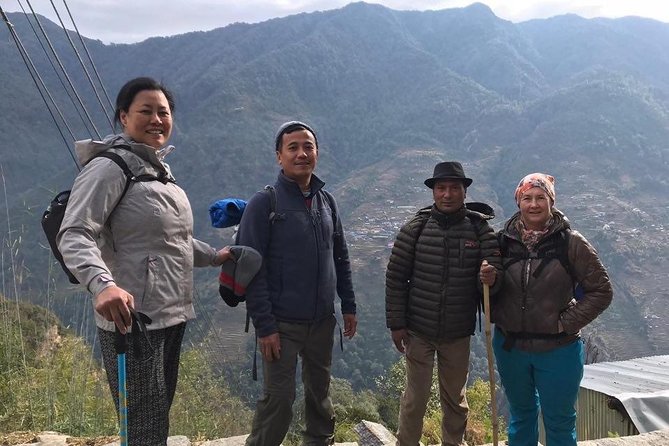
You start the trekking effort by getting to the trailhead via sharing vehicle, about 3 hours from Kathmandu’s region into the Siwai area, traveling along the snake-line road via Naudanda, Nayapul, and Birethanti.
Then the hike begins toward Chhomrong, one of the key viewpoints on this route. Along the way you’ll pass smaller farm villages, cross a new long suspension bridge over Kimrong Khola, and then climb up through terraced fields to reach Chhomrong.
Why I like this day: it’s “scenery + movement” without pretending it’s an easy warm-up. You’re getting views and variety early—river crossing, village paths, then a real uphill push. That’s useful because it teaches your body how the trek feels before you move into the higher forest sections.
Practical note: Chhomrong is a viewpoint. That also means it can be windy and cool when you pause for photos.
Day 3: Sinuwa and Bamboo—oak/rhododendron forest into the Modi River gorge
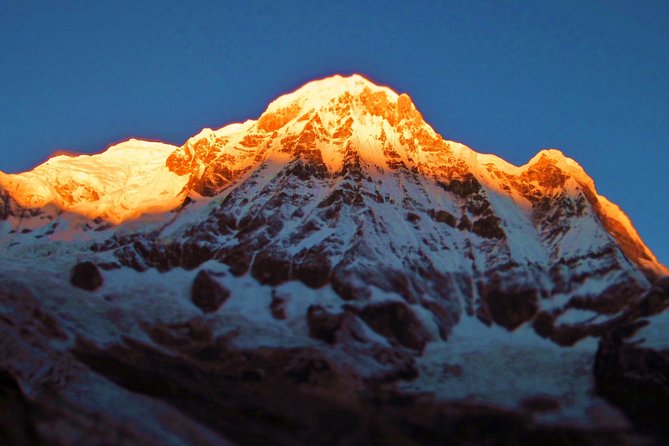
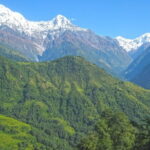
Day 3 has a classic Annapurna feel: you start with a downhill walk to the river and a short bridge crossing to Sinuwa (2,330 m). From there, you enter cooler forest sections with oaks, rhododendron, and pines, then drop steeply to Bamboo, a small settlement with about 5–6 lodges set in the trees near the Modi River gorge.
After Bamboo, you climb slowly to Dovan, and then you keep going through thick forest as the sound of the Modi River works in the background. The day ends at Himalaya Hotel, beneath Huichuli peak.
This is the day I’d point to if you want the trek to feel like more than just altitude. The rhythm changes: forest walking tends to feel different from open, exposed paths. You’ll likely find it easier to keep a steady pace because the trail has constant small moments—shade, river sounds, and lodge clusters.
Also, Bamboo is where the experience can get more “real” in a good way. You’re not in a big town; you’re in a handful of lodges serving trekkers. It’s simple, and it makes the next day’s push into higher terrain feel earned.
Day 4: Hinko Cave and Deurali to Machhapuchchhre Base Camp (3,700 m)
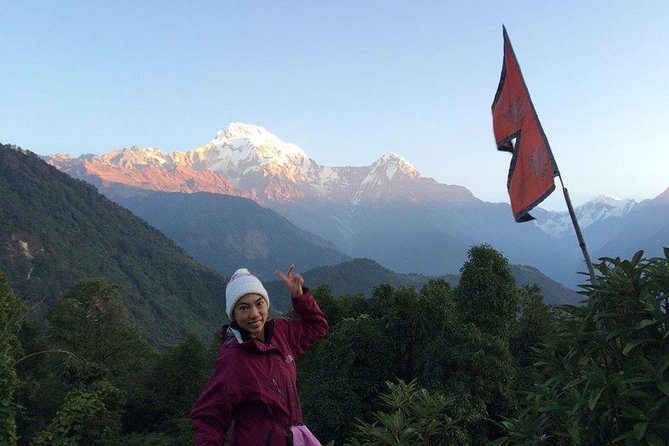
Day 4 is the hinge of the trek. You leave the earlier forest comfort and climb into a more dramatic high-mountain feel.
The route includes a steep section up to Hinko cave, then a short descent and crossing over ablation from old avalanches of rocky moraine. You then climb to Deurali and continue higher, leaving the tree line behind. The glacial Modi River stays close as a loud reference point.
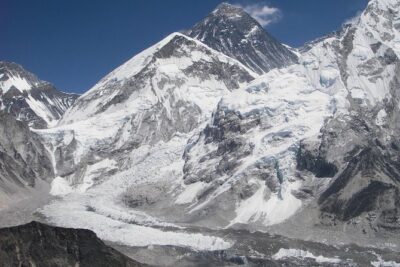
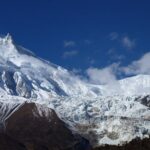
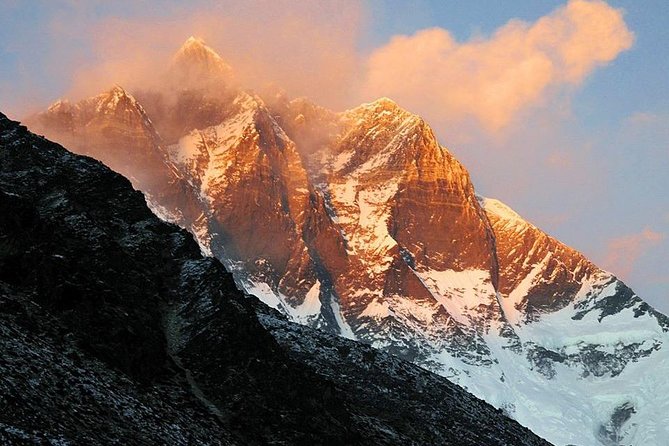
Your climb continues to Machhapuchchhre Base Camp at 3,700 m, located beneath the towering North Face of Fish Tail (Machhapuchchhre). After lunch at MBC, you move into the Annapurna Sanctuary approach—this is where your brain starts filing the trek as a real “we’re here” achievement.
This day can feel like the biggest effort because the terrain shifts and the air gets thinner. I don’t think you need to sprint at all. The win is staying steady, taking short breaks, and drinking enough so you don’t feel like you’re bargaining with your body on every switchback.
Day 5: Annapurna Base Camp sunrise and a 1,700 m descent to Bamboo
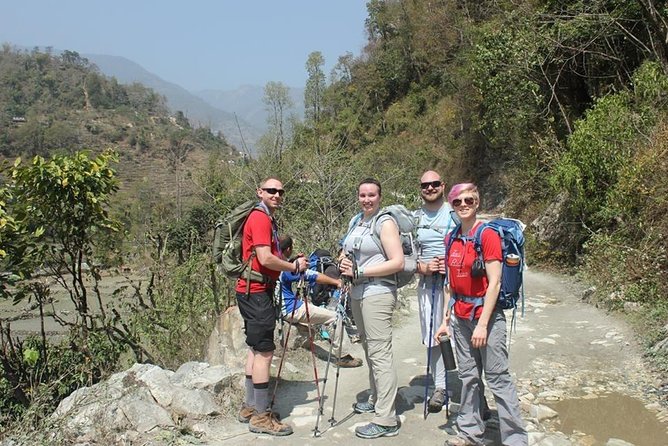
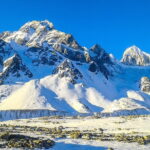
You’re up early for sunrise at Annapurna Base Camp. After breakfast, you start descending. The itinerary notes a drop from high back toward Modi Khola at Bamboo, with about a 1,700 m elevation drop on the return portion of the day.
This is important: it changes the kind of suffering you’ll do. Going up hurts your lungs. Coming down hurts your knees and ankles. With a planned descent day like this, you can manage it by walking slower than you think you should and using consistent footing.
The bonus here is that you’re not doing a long “up then up then up” slog every day. You get that sunrise payoff, then you get a meaningful reset in elevation and a simpler end-of-day plan: overnight at Bamboo.
Day 6: Kuldhigar visitor area, Chhomrong village, then Jhinu hot spring relief
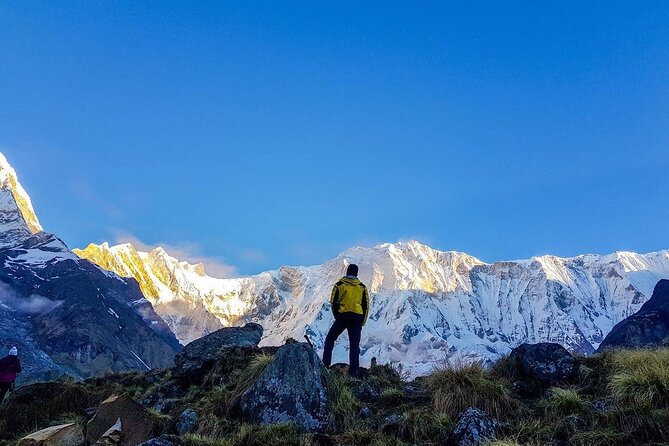
Today’s route is a mix of cultural and recovery time. From Bamboo you hike up to Kuldhigar, where the ACAP office and visitor center are located. Then you descend to the bridge across the Chhomrong River, passing Sinuwa on the way.
After crossing, you enter a Gurung village in Chhomrong, then continue with a steep descent toward Jhinu Danda. From Jhinu Danda, the hot spring pool is described as about 15–20 minutes downhill, giving you a built-in muscle reset.
I really like this day’s logic: you’re not just walking away from high altitude. You’re walking into a place where you can actually feel better—hot water after trekking miles changes your sleep and your willingness to keep going.
If you want to get the most out of it, don’t treat hot spring time as a casual add-on. Plan your pace and leave enough energy for the dip and for a good night’s sleep at the lodge in Jhinu Danda.
Day 7: Trek to Nayapul, drive back to Pokhara, and enjoy a real rest
On Day 7, you head from Jhinu Danda down toward Nayapul, then drive back to Pokhara. The plan mentions doing the hot spring again in the morning, then trekking down, and ending with an overnight at a Pokhara hotel.
This is a good “close the trek” day. You’re not climbing anymore. You’re transitioning from mountain routine back to city comfort, and you’ll likely feel the difference in your body the second you stop walking uphill.
In Pokhara, this is where you’ll likely want to treat yourself to a proper meal and take a low-stress evening stroll. The itinerary’s earlier highlight about Pokhara night life is a helpful reminder: you’ll want one evening where you’re not counting steps.
Day 8: Return to Kathmandu by tourist bus
Day 8 is your wrap-up: a tourist bus ride back to Kathmandu, taking about 6–7 hours.
There’s no magic here—just use it well. Keep snacks and water handy if you tend to feel hungry on long drives, and use the time to download photos, sort gear, and write down what you want to remember from the trek before it all blurs together.
Price and value: what $853.34 covers (and what can add up)
The price listed is $853.34 per person, and it’s not just for “someone to hold your hand.” Based on what’s included, you’re paying for a full package that covers the hard-to-manage parts:
Included items that carry real value:
- 3-star hotel in Pokhara (with free breakfast)
- Lodges/tea houses during the trek (so you’re not booking every night yourself)
- ACAP and conservation permits / paperwork
- Tourist bus transport Kathmandu ⇄ Pokhara
- An experienced guide, plus the guide’s food/salary/insurance and transport details
What’s not included:
- Standard trekking meals (breakfast/lunch/dinner are not included for the trek days)
- Gratuities
How this affects your budget: on a 5–6 day hiking section, lunch and dinner costs can be the biggest variable. If you keep meals simple and drink conservatively, you’ll feel more “budget” in the final total. If you treat every lunch spot like a café break, your spend climbs fast.
Pace, fitness, and altitude: plan smart, not heroic
This trek is described as suitable for travelers with moderate physical fitness. You’re also given multiple elevation markers:
- Sinuwa at 2,330 m
- Machhapuchchhre Base Camp at 3,700 m
- A major descent where elevation drops by about 1,700 m back toward Bamboo
Even with moderate fitness, the main challenge is consistency: steady walking, taking breaks before you’re out of breath, and not rushing because you feel good one hour. Annapurna rewards patience. You’ll also want to accept that mornings can be cold and that your body may feel slower than at sea level.
Guide support and group size: why max 15 matters
The group is capped at 15 travelers, and an experienced guide is included. In the real world, smaller group trekking tends to feel less chaotic: you can hear instructions, follow the pace more easily, and avoid the “everyone disappears into the distance” feeling that bigger groups sometimes bring.
Also, the trip’s reputation for helpful guide and porter support is a practical advantage. On a route where lodges are basic and information matters (where to turn, where the bridges are, what to do when weather shifts), the right guidance makes the experience smoother.
What you’ll likely spend extra on (so you don’t get surprised)
Since lunch and dinner during the trek aren’t included, I’d budget for:
- Daily lunch and dinner on trekking days
- Drinks along the way
- Any snacks you want for energy boosts
- Optional tips (gratuities are noted as expected, even if not mandatory)
This doesn’t mean the trek isn’t good value. It just means your final spending depends on your eating style. If you’re someone who sticks to basic meals and keeps drinks reasonable, you’ll stay closer to the “budget trek” promise.
Should you book this Annapurna Base Camp budget trek?
I’d book it if you want a true Annapurna Base Camp experience with the essentials already handled—permits, lodges, guide support, and transport between Kathmandu and Pokhara—while keeping the overall cost controlled. You’ll especially like it if sunrise at base camp and Jhinu hot spring recovery are on your personal must-do list.
Skip it (or at least choose another option) if you hate extra costs for food on trekking days or if you’re expecting an all-inclusive, low-effort experience. This is hiking with real altitude time. It’s not complicated—but it does ask you to show up ready to walk.
FAQ
What is the meeting time for this trek?
The start time is listed as 6:45 am.
How long is the Annapurna Base Camp trek?
The duration is approximately 8 days.
Where does the itinerary start and end?
It starts in Kathmandu and ends back in Kathmandu after the trek and the return drive.
What transportation is included?
Ground transportation by tourist bus is included for Kathmandu to Pokhara and back. A sharing vehicle is also used to reach the trekking start area (Siwai).
What does the price include?
The package includes breakfast, a 3-star hotel in Pokhara with free breakfast, all necessary paper works and conservation entry permits, lodge/tea house accommodations during the trek, and an experienced guide with support costs (salary, food, drinks, accommodation, transportation, and insurance for the guide), plus government taxes and VAT/service charges.
Are meals included during the trek?
Not standard meals during the trekking. Breakfast/lunch/dinner during the trekking are listed as not included.
How many people are in a group?
The maximum group size is 15 travelers.
How high do you go on the trek?
Machhapuchchhre Base Camp is listed at 3,700 m. The itinerary also mentions Sinuwa at 2,330 m.
Is free cancellation available?
Yes. You can cancel up to 24 hours in advance for a full refund.